Custom carbon steel elbow Applications in Industrial Piping
Custom carbon steel elbows serve as critical directional components in industrial piping systems, enabling fluid and gas flow to navigate complex pathways efficiently and safely. These specialized fittings are engineered to meet precise project specifications, accommodating unique pressure ratings, temperature demands, and dimensional requirements that standard off-the-shelf products cannot satisfy. In industries where system integrity directly impacts operational safety and profitability, custom carbon steel elbows deliver the tailored performance necessary to maintain reliability under the most challenging conditions.
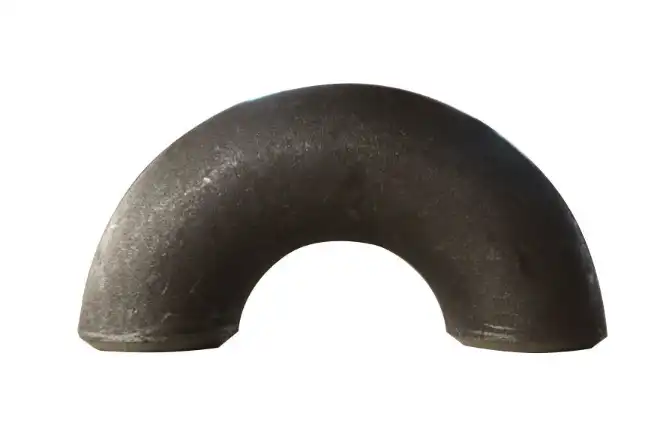
Understanding Custom Carbon Steel Elbows and Their Industrial Role
Manufacturing Methods and Technical Specifications
Carbon steel elbows are heated and formed by hot pressing, heating, and bending. These manufacturing processes manufacture fittings in short and long radius configurations to conform to space and flow requirements and to provide directional adjustments from 45 degrees to 90 degrees.
It depends upon the construction of the elbow structure. Accurate butt welding on seamless and welded elbows is utilised for the pipe connections. Seamless elbows are superior for high-pressure applications, whereas welded elbows are lower in cost for intermediate stress applications. When field circumstances necessitate alternate ways of connection, socket welding and threaded connections are used.
Custom Carbon Steel Elbows are produced to ANSI, JIS, DIN, and BS standards. Available in ASTM A105 carbon steel and corrosive environment grades for general use. The ends are machined to accept either a butt weld or a socket weld, providing installation adaptability to meet diverse project needs. Pressure ratings from the basic Class 150 to the extreme-duty Class 2000 ensure system compatibility in a broad range of stress conditions.
Performance Advantages in Demanding Environments
Carbon steel fittings are employed in industry because of their properties. The material is resistant to wear, mechanical stress, and temperature fluctuations. Custom elbows, properly built, can handle pressures in excess of 2000 pounds per square inch and retain their structural integrity from cryogenic to several hundred degrees centigrade.
Customisation addresses difficulties that generic fittings cannot. Custom manufacturing is useful for applications that need unusual pipe diameters, angles, or coatings. This personalised approach matches components to operational demands, reducing installation time, leak locations, and increasing system lifetime. Correctly built custom elbows will outperform compromise alternatives using standard fittings with adapters or modifications . 13 Lifecycle cost analysis.
Applications of Custom Carbon Steel Elbows in Industrial Piping Systems
Oil and Gas Infrastructure
The petroleum industry relies extensively on carbon steel elbow fittings throughout exploration, extraction, refining, and distribution operations. Offshore platforms face particularly harsh conditions, including saltwater exposure, dynamic loading from wave action, and fluctuating pressures during drilling operations. Custom elbows engineered with appropriate corrosion-resistant coatings and reinforced wall thickness maintain system integrity where standard fittings would fail prematurely.
Pipeline networks transporting crude oil and natural gas across continents incorporate thousands of directional fittings. These systems operate continuously under high pressure, making reliability non-negotiable. Custom elbows manufactured to exact specifications eliminate weak points in the infrastructure, reducing maintenance intervals and preventing costly leaks that could cause environmental damage and production shutdowns.
Chemical Processing and Petrochemical Plants
Chemical facilities handle corrosive substances that quickly degrade unsuitable materials. Piping systems conveying acids, caustic solutions, and volatile compounds require fittings with enhanced resistance properties. We manufacture custom carbon steel elbows with specialized internal linings or external coatings that extend service life in aggressive chemical environments.
Temperature variations present additional challenges in these facilities. Processes involving exothermic reactions or heated materials create thermal stress on piping components. Custom elbows designed with appropriate wall thickness and material grades accommodate thermal expansion while maintaining pressure containment, ensuring operator safety and process continuity.
Power Generation Facilities
Power plants, whether fossil fuel, nuclear, or biomass-based, incorporate extensive piping networks for steam, cooling water, fuel delivery, and waste removal. Boiler systems operate under extreme pressure and temperature conditions where component failure could trigger catastrophic accidents. Custom carbon steel elbows manufactured to precise specifications and subjected to rigorous quality testing provide the reliability these critical systems demand.
Cooling water circuits in power facilities move enormous volumes of fluid through complex pathways. The directional fittings in these systems must withstand continuous flow, potential cavitation, and thermal cycling. Properly engineered custom elbows minimize flow resistance, reducing energy consumption while extending operational lifespan through optimized design parameters.
Water Treatment and Distribution Systems
Municipal water authorities and industrial water treatment facilities depend on robust piping infrastructure to deliver clean water and manage wastewater. These systems combine large diameter pipes with numerous directional changes to navigate urban environments and facility layouts. Custom carbon steel elbows provide the strength necessary for high-pressure distribution networks while offering corrosion protection through appropriate surface treatments.
Desalination plants processing seawater face particularly aggressive corrosive conditions. Custom fittings manufactured with enhanced material specifications and protective coatings resist the accelerated degradation that saltwater exposure causes, maintaining system reliability in coastal installations serving growing populations.
Construction and Shipbuilding Applications
Large construction projects incorporate temporary and permanent piping systems for fire suppression, HVAC, and process utilities. Custom elbows facilitate system design that accommodates architectural constraints and building codes. The fittings' adaptability enables engineers to route piping through complex structures without compromising performance or safety standards.
Shipbuilding presents unique challenges where space limitations and weight considerations influence every design decision. Vessels require piping systems for propulsion, sanitation, cargo handling, and fire suppression within tightly constrained compartments. Custom carbon steel elbows manufactured to exact specifications enable efficient system layouts that maximize usable space while meeting stringent maritime safety regulations.
How to Choose the Right Custom Carbon Steel Elbow for Your Industrial Project
Defining Critical Operating Parameters
Evaluate the system requirement and then choose custom-produced carbon steel elbows. The minimum wall thickness and the material grade will be dictated by the operating pressure. Systems above 1000 PSI need a highly strong design and verified pressure ratings, whereas systems under 300 PSI may use lighter fittings.
Design and material are a function of temperature. Normal carbon steel grades work under 100 C. But such high temperatures require high-strength, creep-resistant materials. Another issue for cryogenic applications is embrittlement of materials at very low temperatures.
That depends on the properties of the liquid. Basic carbon steel is suitable for clean water and non-corrosive gases; however, chemically aggressive or particulate-laden fluids need corrosion-resistant modifications or coatings. Proper material selection is assured by chemical and contaminant characterisation of the transported medium.
Comparing Manufacturing Options and Materials
Performance and cost trade-offs for seamless vs. welded carbon steel elbows. Seamless fittings are more robust and reliable when it comes to crucial high-pressure applications, and the additional expense is compensated by a longer life and less likelihood of failure. Welded elbows are a cost-effective choice for moderate-duty applications when cost is an issue.
Select from other materials. Stainless steel elbows cost more, but they’ll resist corrosion in harsh conditions. Intermediate alloy steels combine cheapness with corrosion resistance. The lifespan costs, not the purchase price, show that utilising better quality materials decreases the frequency of replacement and the costs of maintenance, offering more value in the long term.
Evaluating Supplier Qualifications and Certifications
The success of the project is highly dependent on the vendor you choose. Worldwide requirements: Manufacturer ISO 9001:2000 certified quality management system. Licenses for special equipment production show that a company is following rules and has the technical capacity to make pressure-containing components.
Throughout the whole production process, Oudi has stringent quality assurance requirements. Our Cangzhou factory covers an area of 66,600 square meters and is equipped with advanced manufacturing and inspection equipment. Since 1998, we have been known for our finely manufactured fittings that meet or surpass international requirements. Our quality is assured by our ISO 9001:2000 accreditation and special equipment manufacturing licence. The production capacity of 16,000 tonnes per year enables us to provide a constant supply for any project.
We need to determine the production capacity. Suppliers must have modern equipment for forming, heat treatment, and testing, including ultrasonic flaw identification and hydrostatic pressure testing. Material traceability and third-party inspection certification assures mission essential applications.
Procurement Insights: Buying Custom Carbon Steel Elbows for Industrial Use
Strategic Sourcing Considerations
Successful procurement begins with accurate quantity forecasting and realistic timeline expectations. Custom manufacturing requires longer lead times than stock products, typically ranging from four to eight weeks depending on specification complexity and order volume. Planning procurement activities well ahead of installation schedules prevents project delays and eliminates costly expedite charges.
Minimum order quantities vary among manufacturers, influencing sourcing strategy. Large projects benefit from direct manufacturer relationships that provide volume pricing and customization flexibility. Smaller requirements may necessitate working through distributors, though this approach typically involves premium pricing and reduced customization options.
Pricing Dynamics and Negotiation Strategies
The price of custom carbon steel elbows is affected by the following factors: material cost, production complexity, quantity, and delivery limits. Base material costs are liable to alter owing to the effect of global steel prices during the prolonged project durations. Long-term supplier contracts are usually agreed to stabilise prices and protect both parties from market instability.
Quantity discounts. More than 50 tonnes have special pricing levels, meaning the per-unit prices are lower. The buyer might consolidate needs in the project stages and leverage volume to negotiate lower cost even with installment delivery.
Oudi helps procurement professionals get competitive bids that match project reality. “Industrial buyers want to know the price up front, and they want quality assurance. So our quotes include material specifications, test provisions and delivery timeframes. We have been able to provide our clients in North America, Europe, Africa, Southeast Asia and the Middle East substantial savings without compromising on quality for their mission-critical systems with factory-direct pricing.
Managing International Supply Chains
International producers make the logistics complex and need proper handling. Understanding Incoterms and using the right delivery terms can help you avoid unexpected costs and will make transportation and risk clear. Shipping is the responsibility of the customer after the products have left the production plant. Provisions of CIF (Cost, Insurance and Freight) provide that the provider is liable for carriage up to the port of destination.
Export documentation and regulations need to be accurate. Well-prepared firm invoices, packing lists, certificates of origin and material certifications smooth the way for customs clearance. Some of the better providers will give full paperwork packages to ease international transactions and minimise the time spent waiting at the border.
We know international trade processes and export limitations of over 300 clients in 40 countries. Our self-serve import and export service removes the bother of paperwork and logistics for overseas clients. For tight construction deadlines, it means easier transactions and prompt delivery.
Future Trends and Innovations in Carbon Steel Elbow Manufacturing and Use
Advanced Materials and Protective Technologies
Materials science continues advancing the performance envelope for carbon steel fittings. New alloy compositions deliver enhanced strength-to-weight ratios, enabling lighter designs that maintain pressure ratings. These developments particularly benefit applications where weight reduction yields significant advantages, such as offshore platforms and shipboard installations.
Protective coating technologies extend service life in corrosive environments. Advanced epoxy formulations, fusion-bonded coatings, and ceramic composites provide superior barrier protection compared to traditional paint systems. These innovations reduce maintenance requirements and extend replacement intervals, delivering lifecycle cost advantages that justify premium initial investment.
Smart Monitoring and Predictive Maintenance Integration
The industrial Internet of Things revolution is reaching piping infrastructure. Sensor technologies embedded in or attached to critical fittings monitor parameters including vibration, temperature, pressure fluctuations, and corrosion indicators. This real-time data enables predictive maintenance approaches that identify developing problems before catastrophic failures occur.
Integration with plant-wide control systems provides operators comprehensive visibility into piping network conditions. Analytics algorithms detect anomalous patterns indicating potential issues, triggering inspection protocols or component replacement during planned maintenance windows rather than responding to emergency failures. This proactive approach minimizes unplanned downtime and enhances facility safety.
Evolving Standards and Compliance Requirements
Industry standards continue evolving to address emerging safety concerns and incorporate technological advances. Recent revisions to ASME B31.3 Process Piping standards reflect improved understanding of material behavior and failure mechanisms. Manufacturers and users must stay current with these changes to ensure continued compliance and optimal safety performance.
Environmental regulations increasingly influence material selection and manufacturing processes. Restrictions on hazardous substances in coatings and pressure toward reduced carbon footprints drive innovation in production methods. Forward-thinking manufacturers invest in cleaner production technologies and recyclable materials that meet both current requirements and anticipated future regulations.
Conclusion
Custom carbon steel elbows are vital pieces of infrastructure that allow for safe and efficient operations across a wide range of industries. Their capacity to satisfy precise specifications for pressure, temperature, corrosion resistance, and dimensional constraints makes them essential in important pipe systems. For successful project results, selection judgements must be made on the basis of knowledge of the operational parameters, material qualities, production quality and supplier capabilities. The rising performance possibilities from advancing materials technology, smart monitoring integration and regulatory requirements need careful attention to specification details. By working with experienced manufacturers with technical competence, quality certifications and established international supply chain management skills, you can be assured of dependable delivery of bespoke fittings that fulfil rigorous project requirements.
FAQ
1. What distinguishes seamless from welded carbon steel elbows?
Seamless elbows are manufactured from solid pipe without longitudinal welds, providing uniform strength throughout the fitting. This construction method delivers superior performance under high pressure and reduces potential failure points, making seamless versions preferred for critical applications. Welded elbows incorporate a longitudinal weld seam where formed plate edges join, offering cost advantages for moderate-duty applications. The welded construction performs adequately in many industrial settings, though the weld zone represents a potential weakness under extreme stress conditions.
2. How do I select the appropriate carbon steel grade for my application?
Material selection depends on operating temperature, pressure, and fluid characteristics. ASTM A105 carbon steel suits general-purpose applications with moderate conditions. Higher-stress environments benefit from enhanced grades like A234 WPB for elevated temperatures or specialized alloy compositions for corrosive media. Consulting with experienced suppliers who understand your specific operating parameters ensures appropriate material specification that balances performance requirements with budget considerations.
3. What lead times should I expect for custom carbon steel elbows?
Custom manufacturing typically requires four to eight weeks from order confirmation to shipment, depending on specification complexity and production queue. Unusual dimensions, special testing requirements, or unique coatings may extend timelines. Planning procurement activities well ahead of installation schedules prevents project delays. Establishing relationships with manufacturers who maintain production capacity and material inventory can sometimes reduce lead times for urgent requirements, though expedited service usually involves premium charges.
Partner with Oudi for Reliable Custom Carbon Steel Elbow Solutions
Oudi brings over two decades of specialized manufacturing experience to your industrial piping projects. Our comprehensive capabilities encompass the complete range of carbon steel, stainless steel, and alloy steel pipe fittings, including custom carbon steel elbows manufactured to American, Japanese, German, and British standards. We maintain rigorous quality control throughout the production process, from raw material verification through final inspection using advanced ultrasonic flaw detection and hydrostatic testing equipment. Our ISO 9001:2000 certification and special equipment manufacturing license assure that every fitting meets stringent international quality standards.
Working directly with a trusted custom carbon steel elbow manufacturer eliminates intermediary markups while providing access to engineering support throughout the specification and procurement process. Our 16,000-ton annual production capacity supports projects ranging from small specialized installations to major industrial constructions requiring thousands of fittings. The diversified customer base we serve across petroleum, chemical, natural gas, water conservancy, construction, shipbuilding, and power generation sectors demonstrates our versatility and reliability.
Contact our team at oudi-04@oudipipe.com to discuss your specific requirements and receive detailed technical proposals. We welcome the opportunity to demonstrate how Oudi's commitment to quality manufacturing, competitive factory-direct pricing, and responsive customer service can contribute to your project's success while streamlining your procurement process.
References
1. American Society of Mechanical Engineers. (2020). ASME B31.3 Process Piping: Materials, Design, Fabrication, Assembly, and Testing of Industrial Piping Systems. ASME Press.
2. Davis, J.R. (2006). Corrosion of Weldments in Carbon and Alloy Steel Pipe Fittings. ASM International Handbook Committee.
3. Liu, H. (2003). Pipeline Engineering: Design, Construction and Maintenance Principles for Carbon Steel Piping Infrastructure. CRC Press.
4. Mohitpour, M., Golshan, H., & Murray, A. (2007). Pipeline Design and Construction: A Practical Approach to Carbon Steel Piping Systems. ASME Press.
5. Nayyar, M.L. (2019). Piping Handbook: Material Selection, Fabrication Methods, and Quality Standards for Industrial Pipe Fittings. McGraw-Hill Education.
6. Singh, R. (2017). Applied Welding Engineering: Processes, Codes, and Standards for Carbon Steel Elbow Manufacturing. Butterworth-Heinemann.

Need help finding the right solution with our experts. Please contact us.

SINCE 1998 Your Reliable Pipeline Manufacturer



