Custom High Temperature Pipe Tee Solutions for Engineering
The High Temperature Pipe Tee is a basic solution for industrial piping systems that have to deal with high temperatures and pressures. These special T-shaped fittings make it possible to connect fluid branches in places where temperatures regularly go over 400°C and can go up to over 1100°C. Standard carbon steel has problems with creep deformation, thermal wear, and rust in difficult situations. High-temperature versions of pipe tees don't have these issues. At Oudi, we've been making these important parts for over twenty years, making sure that petroleum factories, power plants, and big industrial operations get fittings that are reliable and last a long time even in the toughest conditions.
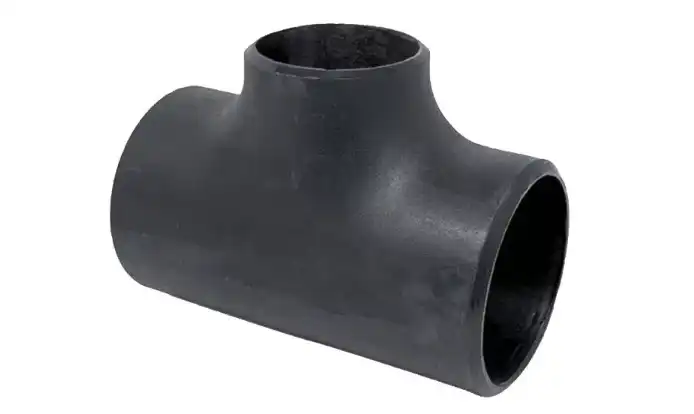
Understanding High Temperature Pipe Tees: Definitions, Materials, and Applications
What Defines a High Temperature Pipe Tee?
A High Temperature Pipe Tee is a special T-shaped pipe fitting made to make it easier to connect fluid branches in pipe systems that work at very high temperatures, usually between 400°C (750°F) and over 1100°C (2012°F). The engineering behind these fits solves important problems in the industry, like creep, which is lasting damage caused by high-temperature stress over a long period of time, and thermal fatigue, which is caused by cycles of expansion and contraction. These tees stay strong in high-pressure situations where regular carbon steel would lose its mechanical properties right away or completely break. They do this by using high-alloy materials and precise forging or casting techniques. The design has to work with both high temperatures and the corrosive conditions that are common in chemical processing and handling hydrocarbons.
Material Selection and Metallurgical Properties
Tee and the strict engineering standards that govern it determine its qualities. High creep-rupture strength, excellent oxidation resistance, and thermal stability are some of the most important technical parameters. As an example, Chrome-Molybdenum metals like ASTM A234 WP91 and WP22 are often used because they work well in steam and petroleum service. 310S and 347H are high-grade stainless steels that are very good at resisting scaling and carburisation. Inconel 625 and other nickel-based metals are very resistant to rust at high temperatures, which makes them perfect for the toughest petrochemical uses. ASME B16.9 says that these fittings must meet strict measurement limits. This makes sure that they are compatible with foreign pipe standards. Their main benefit is that they don't scale when exposed to chemicals and can keep their high yield strength-to-weight ratio even when burning at very high temperatures. This makes sure that they are safe for a long time and that there is little downtime.
Industrial Applications Across Critical Sectors
Temperature Pipe Tee is a must-have. These tees carry very hot steam from the boiler to the turbine in power plants, especially supercritical and ultra-supercritical thermal power plants. They have to be able to handle pressures of more than 250 bar at 600°C. They are used in ethylene cracking furnaces and hydrocracking units at petrochemical refineries. These units handle volatile hydrocarbons at temperatures of up to 850°C, so the fittings need to be very resistant to carburisation. These parts are used in exhaust pipes and thermal processing lines in aerospace and heavy industrial furnaces. These areas have constant high-velocity thermal shocks and fast gas flow, so the fittings need to be able to fight thermal cracking and keep a tight seal. Oudi's goods are used by people in the oil, chemical, natural gas, and water conservation businesses. We offer a wide range of products to meet the needs of different projects.
Choosing the Right High Temperature Pipe Tee: Materials, Types, and Performance Comparisons
Material Performance Under Thermal Stress
To choose the best High Temperature Pipe Tee, you need to know how the material reacts to operational stress. Chrome-molybdenum metals work great in steam up to 600°C because they don't creep and are reliable over time. Grades of stainless steel like 316L and 321 can handle moderate temperatures and are very resistant to corrosion, making them good for use in chemical processing environments. Nickel-based metals are the best because they can withstand temperatures above 800°C and strong chemical attacks. When choosing materials, they need to take into account the specifics of the temperature, pressure, and media make-up. At Oudi, our quality management system is ISO 9001-certified and makes sure that each grade of material has the right chemical makeup and mechanical traits. This is checked by using XRF or OES analysis to prove Positive Material Identification.
Types and Design Variations
There are different shapes and sizes of high-temperature pipe tees so that they can fit different fitting needs. For high-pressure headers, butt weld tees are the best choice because they are stronger and are the standard for important uses. Socket weld tees make it easy to add smaller hole sizes, but you need to be careful not to let crevice rust happen. Reducing tees let pipes of different diameters connect directly to each other without the need for extra reducers. This makes system design easier. When made from hot-formed pipe, seamless tees have a regular grain structure and can be used for moderately high-temperature branch connections. Forged tees have the best mechanical qualities because they have a better grain structure that makes them more resistant to pressure in tough situations. All of these variations are made at our factory, which has an annual capacity of more than 16,000 tonnes, so they are always available for big projects.
Quality Assurance and Testing Protocols
Temperature Pipe Tee, and the standards are much higher than for regular pipe parts. To make sure the metal formula meets the requirements, we put a high priority on thorough testing that includes Positive Material Identification. Non-Destructive Testing, such as Radiographic Testing or Ultrasonic Testing, can find flaws or internal defects in the crotch area of the t-shirt without damaging it. It is very important to test the hardness of P91 and P92 grades to make sure that the heat treatment created the right martensitic structure. Long-term stress-rupture tests called "creep testing" confirm how long a material will last. Dimensional Verification makes sure that the wall width is correct at the branch crossing to avoid stress building up in one place. These strict rules show that we are dedicated to providing fittings that meet ANSI, JIS, DIN, and BS standards. They are backed up by our special equipment manufacturing licenses, which are recognised all over the world.
Installation and Maintenance Best Practices for High Temperature Pipe Tees
Installation Preparation and Procedures
For full-penetration welds, the pipe ends must be carefully prepared before installation. This includes making sure the cuts are clean and square and that the bevels are the right shape. To keep Chrome-Moly grades from hydrogen cracking, they must be heated up first. Depending on the grade and thickness of the material, the temperature should be between 150°C and 300°C. Welders who are qualified must follow the approved Welding Procedure Specifications, which explain how to choose the filler metal, keep the temperature stable between passes, and maintain the preheat. For Chrome-Moly tees, Post-Weld Heat Treatment is very important to get rid of any remaining pressures and stop Stress Corrosion Cracking and brittle fracture. The Code says that the PWHT cycle has to stay at temperatures between 650°C and 760°C for certain amounts of time, depending on the thickness of the wall. When fitting things together, they need to be lined up correctly so that they don't put breaking loads on the pipes next to them.
Maintenance Strategies for Longevity
High-temperature valves in industrial systems last longer and are safer when they are maintained regularly. As part of regular inspections, you should look for signs of scaling, cracking, or distortion. Ultrasonic thickness readings keep track of the metal that is being lost through rust or erosion. This lets you repair the wall before it falls below the minimum safe thickness. Overstressing of tee branches can be avoided by managing thermal expansion with the right support spacing and guided restraints. Some ways to stop leaks are to regularly fix nearby flanged joints and check the state of the gaskets. Using dimensional surveys to check for creep deformation helps figure out how much service life is left. As part of our technical support, we help our clients set up check schedules that work best for their individual working conditions. This helps them avoid unexpected downtime and get more use out of their parts.
Troubleshooting Common Issues
Fixing problems right away keeps small problems from getting worse and causing system failures. Corrosion at the crotch radius usually means that the wrong material was used or that the media chemistry was not expected. This needs to be analysed using metallurgy methods and possibly upgraded to more resistant metals. Weld flaws found during an in-service check may need to be fixed by welding according to approved methods, or the whole weld may need to be replaced if the flaws are too big. Thermal fatigue usually causes cracks to show up in places with a lot of tension or where the shape of the material changes, which means that it needs better analysis of its flexibility or stress relief. Scaling that goes beyond what was expected could mean that working temperatures are higher than what was planned, which would mean that operations need to be changed or materials need to be upgraded. Our technical team helps clients with root-cause analysis. They use their decades of experience working in a wide range of industrial settings to come up with useful, low-cost solutions.
Custom High Temperature Pipe Tee Solutions: Tailoring to Your Engineering Needs
Strategic Advantages of Customization
Customisation in High Temperature Pipe Tee bends solves specific technical problems by changing the size, material, and standards to make the system work better. Standard catalogue sizes don't always match up with layout restrictions or process needs. This can cause expensive changes in the field or flow characteristics that aren't as good as they could be. Custom-engineered solutions get rid of these problems by giving you fittings that are perfectly matched to the needs of your system. Longer life is achieved by choosing the best materials based on real-world situations instead of general ideas. When pressure drops and heat losses are kept to a minimum, operational efficiency goes up. Before we can help you with your plan, we need to know everything about your system, such as the fluid's features, the temperature ranges, the pressure cycling, and any relevant codes. This way of working together makes sure that the final product fits in perfectly with your system and meets all legal requirements.
Custom Manufacturing Workflow
Through an organised approach, our custom production method turns your research needs into finished parts. Technical specifications, material grades, and quality standards are set during design consultation. Engineering review makes sure that the product meets standards like ASME B16.9, ASTM material specifications, and any other needs that the customer has. Prototyping lets you make sure that important measurements and fit are correct before you commit to full production runs. Our precision forging presses and CNC machining centers that keep tight tolerances are some of the high-tech tools we use to make things. Quality control is done at every step, from checking the raw materials to doing a final inspection of the dimensions and non-destructive testing. Material Test Reports approved to EN 10204 3.1 or 3.2, measurement inspection reports, and heat treatment plans are all part of documentation packages. Over 300 customers in more than 40 countries trust Oudi because of this all-around approach. This makes Oudi a reliable partner for tough industrial projects.
Real-World Performance and Client Testimonials
Customised high-temperature parts have clear benefits that can be seen in real life. In a Middle Eastern refinery's delayed coking unit, where temps rose above 500°C and changed quickly, normal catalogue tees failed before they should have. We made custom WP91 tees with better crotch reinforcement and controlled grain structure. This increased the service life from 18 months to over five years, which gave us a big return on investment because we didn't have to replace them as often and there were no more unplanned shutdowns. Because of limited room in their superheater area, a power plant in Southeast Asia needed special reduction tees with branch angles that were not standard. Our engineering team came up with a solution that met both the Code requirements and their specific geometry needs. This allowed the project to be finished on time. These wins show that we can solve difficult problems in the industrial world by using our technical know-how and manufacturing flexibility, along with strict quality control that makes sure every part works as planned for as long as it's supposed to.
Procurement Guide: How to Source the Best High Temperature Pipe Tees
Supplier Evaluation Criteria
Effective procurement of high-temperature pipe tees combines strategic planning with thorough supplier evaluation to secure quality products that meet technical and regulatory standards. Lead time management starts with understanding the supplier's production capacity and scheduling flexibility—our 16,000-ton annual capacity ensures consistent availability even for large-volume orders. Certification verification confirms that suppliers hold necessary quality system certifications like ISO 9001 and special equipment manufacturing licenses; Oudi maintains both, along with self-management import and export authority. Combating counterfeit products requires vigilant material verification, utilizing PMI testing on received goods to confirm chemical composition matches certified mill test reports. Price competitiveness must be balanced against quality assurance—suspiciously low pricing often signals substandard materials or insufficient testing. Customer service quality becomes critical when technical questions arise or expedited delivery is needed; our experienced team provides responsive support throughout the procurement cycle.
Global Supplier Landscape Comparison
The global market for High Temperature Pipe Tee fittings spans multiple manufacturing regions, each with distinct characteristics. China-based manufacturers like Oudi offer comprehensive product ranges with competitive pricing and substantial capacity, supported by mature supply chains and improving quality systems. Our location in Cangzhou, known as "China's fitting capital," provides access to specialized raw materials and skilled workforce. European suppliers traditionally emphasize premium quality and advanced metallurgy, but often at higher price points and longer lead times. USA-based manufacturers excel in customer service and Code familiarity, serving the domestic market with established relationships. Your optimal sourcing strategy depends on project requirements—large-scale industrial construction benefits from high-capacity suppliers with proven export logistics, while specialized applications may justify premium suppliers with niche technical capabilities. We serve clients across Europe, North and South America, Africa, Southeast Asia, and the Middle East, demonstrating our capability to meet diverse market requirements.
Order Logistics and International Shipping
Successful international procurement requires attention to order logistics, including bulk purchasing advantages, minimum order quantities, and shipping considerations. Bulk orders achieve economies of scale through reduced per-unit manufacturing costs and optimized shipping efficiency—our production capacity accommodates both large contracts and smaller specialty orders. Minimum order quantities vary by product complexity and customization level; standard catalog items typically have lower minimums than custom-engineered solutions. International shipping from our Tianjin Port location connects to major global trade routes, enabling cost-effective ocean freight to worldwide destinations. Customs clearance procedures require accurate documentation including commercial invoices, packing lists, and material certifications—our export experience ensures proper preparation of all required paperwork. Understanding Incoterms clarifies responsibility allocation for shipping costs, insurance, and risk transfer. We work closely with freight forwarders and logistics partners to ensure on-time delivery, maintaining communication throughout the shipping process to address any issues promptly and keep your project on schedule.
Conclusion
Custom high-temperature pipe tee solutions represent a critical investment in industrial system reliability and operational safety. Selecting the appropriate materials, design configurations, and manufacturing partners directly impacts project success, lifecycle costs, and regulatory compliance. Our two-decade track record at Oudi demonstrates consistent delivery of quality-certified components that meet the demanding requirements of oil, chemical, natural gas, and power generation industries worldwide. From initial design consultation through manufacturing, testing, and global logistics, we provide comprehensive support that simplifies procurement while ensuring technical excellence. The combination of advanced production capabilities, rigorous quality control, and responsive customer service positions us as a trusted partner for your most challenging high-temperature piping applications.
FAQ
What is the maximum temperature limit for a High Temperature Pipe Tee made of ASTM A234 WP91?
WP91 is generally rated for continuous service up to 600°C (1112°F). Beyond this temperature threshold, the creep strength drops significantly, risking premature failure. Applications exceeding this limit require higher-grade alloys such as WP92 or nickel-based materials.
Why is Post-Weld Heat Treatment critical for these tees?
PWHT is mandatory for Chrome-Moly tees to relieve residual stresses and prevent Stress Corrosion Cracking and brittle fracture. The heat treatment restores material toughness and ensures weld joint properties match base material specifications, meeting Code requirements for safe operation.
Can I use a High Temperature Pipe Tee for cryogenic applications?
No, high-temperature alloys are optimized for heat and may become brittle at sub-zero temperatures. Cryogenic service requires specific low-temperature alloys like LCC or 304L that maintain toughness and ductility at temperatures below -50°C.
How does scaling affect the performance of the tee?
Scaling is high-temperature oxidation that progressively thins the pipe wall, reducing pressure capacity and potentially causing failure. Our high-temperature tees use Chromium-rich alloys that form a protective oxide layer, significantly inhibiting this destructive process.
Partner with Oudi for Your High Temperature Pipe Tee Requirements
Your industrial piping systems deserve components engineered for reliability and manufactured with uncompromising quality standards. As a leading High Temperature Pipe Tee manufacturer with over 25 years of specialized experience, Oudi delivers ASTM-certified products that meet ANSI, JIS, DIN, and BS standards. Our 16,000-ton annual production capacity, advanced testing equipment, and ISO 9001-certified quality system ensure consistent availability and verified performance. Whether you need standard catalog items or custom-engineered solutions tailored to unique operating conditions, our technical team provides expert consultation from specification development through delivery. Contact us today at oudi-04@oudiguandao.com to discuss your project requirements and discover how our comprehensive range of carbon steel, stainless steel, and alloy steel pipe fittings can optimize your system performance while meeting budget and schedule objectives.
References
1. American Society of Mechanical Engineers (2020). ASME B16.9: Factory-Made Wrought Buttwelding Fittings. New York: ASME Press.
2. Boyer, H.E. & Gall, T.L. (2018). Metals Handbook: Properties and Selection of High-Temperature Alloys. Materials Park: ASM International.
3. Cengel, Y.A. & Boles, M.A. (2019). Thermodynamics and Heat Transfer in Power Generation Systems. New York: McGraw-Hill Education.
4. Hertzberg, R.W. (2017). Deformation and Fracture Mechanics of Engineering Materials for High-Temperature Applications. Hoboken: John Wiley & Sons.
5. Schweitzer, P.A. (2021). Metallic Materials: Physical, Mechanical, and Corrosion Properties for Industrial Piping Systems. Boca Raton: CRC Press.
7. Viswanathan, R. & Gandy, D. (2019). Life Assessment Technology for High-Temperature Components in Power Plants. Cambridge: Cambridge University Press.

Need help finding the right solution with our experts. Please contact us.

SINCE 1998 Your Reliable Pipeline Manufacturer



