The Role of Barred Tees in Oil and Gas Midstream Pipelines
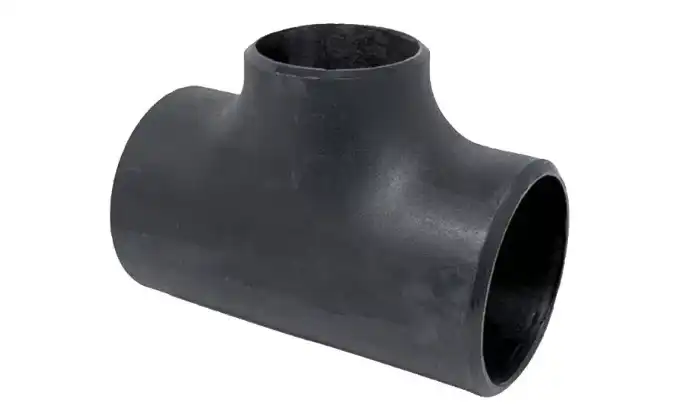
are important parts of the infrastructure for oil and gas midstream pipelines. They work as special pipe fittings that keep repair tools out of restricted areas during pigging operations. The branch part of these high-tech fittings has internal bars or baffles that successfully direct pipeline inspection pigs along marked paths while keeping optimal flow characteristics. By strategically placing barred tees in middle systems, operational safety is ensured, downstream equipment is protected, and pipeline integrity is maintained across complex distribution networks that cover countries.
Understanding Barred Tees in Pipeline Systems
Although barred tees look a lot like other pipeline fittings, they are not the same because of their unique internal structure and specific functions. Barred tees have welded restriction bars carefully placed within the branch exit to control pig movement during pipeline repair operations. This is in contrast to standard tee fittings, which only change the direction of flow.
Design Characteristics and Structural Elements
Barred tees have a normal tee shape but have internal barriers that can be used for more than one reason. The restriction bars are carefully welded inside the branch connection. This makes a physical barrier that stops pigging equipment from getting into certain parts of the pipeline while keeping the structure strong under high pressure. This way of designing makes sure that repair pigs stay on the road they were meant to follow without affecting the performance of the system.
The width of the pig and the pressure ratings of the pipeline are used to figure out where to put these internal bars and how big they should be. When engineers choose barred tee designs for midstream uses, they have to think about things like flow dynamics, pressure drop estimates, and the distribution of material stress.
Material Selection and Manufacturing Standards
Modern barred tees are made from high-quality carbon steel, stainless steel, and special alloys that are made to last in the harsh conditions that are common in middle pipeline settings. These materials were chosen because they don't rust, are strong, and don't react badly with the fuels that are being carried.
The methods used in manufacturing have to follow strict industry standards, such as API specs and international quality protocols. When welding internal restriction bars, you need to use special methods to make sure they fit perfectly with the tee body and keep the pressure vessel's integrity throughout the fitting's useful life.
Technical Specifications and Performance Benefits of Barred Tees
Contemporary barred tees are made to meet strict performance standards and offer better operating benefits than other pipeline fitting options. These unique parts are made in line with API, ANSI, and ISO standards, which means they work with a wide range of pipeline specs in places around the world.
Pressure Rating and Temperature Specifications
There are different pressure classes for barred tees, running from 150 to 2500 pounds per square inch, so they can work in a variety of midstream pipeline situations. Temperature levels usually range from -20°F to 1200°F, which means they can be used in a wide range of climates and locations.
These fittings can hold pressure because they are made with modern metals and precise manufacturing methods. When figuring out wall thickness, safety factors that go beyond what is required are used. This gives important pipeline uses extra security margins.
Comparative Advantages Over Standard Fittings
When comparing barred tees to reducing tees and butt weld tees, they work better and are better designed for piggable pipeline systems. The built-in restriction device gets rid of the need for different pig diverter installs. This makes the system simpler and less likely to have problems.
The flow distribution features of barred tees are designed to keep the barrier function while reducing turbulence and pressure drops as much as possible. Computational fluid dynamics modeling shows that properly designed barred tees can achieve flow rates that are similar to those of normal tees while making it easier to control pigs.
The mechanical strength benefits of barred tees are especially clear in high-pressure situations where normal fittings might have stress concentrations. The internal bar structure actually strengthens the branch link, making the fitting body better able to handle mechanical loads.
Procurement Considerations for Midstream Pipeline Projects
To successfully buy barred tees, you need to carefully consider the skills, qualifications, and quality systems of the suppliers you are considering. Because midstream projects are so complicated, they need suppliers who can provide uniform quality, solid shipping schedules, and full expert help throughout the lifecycle of the project.
Supplier Evaluation and Certification Requirements
Certifications for quality control systems are basic needs for barred tee providers working on midstream pipeline projects. ISO 9001 approval shows that quality control procedures have been followed for a long time, and specialized equipment manufacturing rights show that the company has the technical know-how to make pressure vessels.
For big pipeline projects that might need hundreds or thousands of specialized parts, production ability is very important. Larger suppliers (those whose annual production capacity is more than 16,000 tons) can handle large orders and keep quality standards high over long production runs.
Custom Manufacturing and Engineering Support
For midstream pipeline projects, it's common to need custom barred tee designs that are made to fit the practical needs and pipeline geometry. Leading sellers offer engineering support services such as computer analysis, help with choosing materials, and the ability to make things to order.
Technical support services include more than just delivering the product. They also include installation instructions, upkeep schedules, and suggestions for keeping an eye on performance. This all-around method makes sure that the fitting works perfectly for the whole life of the pipeline, while also lowering the risk of breakdowns and repair costs.
For foreign projects that span many countries and regions, logistics coordination is becoming more and more important. Suppliers with established distribution networks and export experience can handle complicated shipping rules and make sure that supplies get to faraway building sites on time.
Installation and Maintenance Protocols for Barred Tees
For barred tee setups in intermediate pipeline systems to work well and last a long time, they must be installed according to the right steps. These routines cover everything from getting ready for installation to welding to checking for balance to thorough inspection.
Installation Best Practices and Safety Requirements
As part of getting ready for installation, fitting specs, material approvals, and comparing measurements to pipeline design requirements must be carefully looked over. Welding methods must follow API and ASME guidelines and use trained welders and approved welding supplies that are right for the base materials and working conditions.
Alignment steps make sure that the internal restriction bars are lined up correctly with the lines of pig movement and the links between branches. Accurate alignment stops operating problems and makes sure that pig diversion works well for the whole life of the pipeline.
Maintenance Scheduling and Inspection Protocols
Visual inspections, non-destructive testing, and pressure testing should all be part of regular inspection plans so that problems can be found before they damage the system. Usually, working conditions, the materials being moved, and past performance data are used to decide how often to inspect something.
Signs of rust, erosion, or structural deformation that could affect the efficiency of pig diversion or pressure control are common maintenance prompts. Finding these problems early on lets you plan proactive maintenance and stops major breakdowns from happening.
Maintenance plans should also include steps for cleaning to get rid of any buildup of dirt or debris that may happen around the limit bars or inside the fitting. Specialized cleaning methods might be needed to keep the flow qualities at their best while keeping the barrier function.
Market Trends and Technological Advances in Pipeline Fittings
According to new rules about the climate, improved technology, and changing needs in the oil and gas business, the pipeline fitting industry is always changing. Changes like these have a direct effect on the design, production methods, and performance of barred tees.
Environmental and Regulatory Developments
New rules about the environment are making people want pipeline parts that are more resistant to rust and last longer. Better metal compositions and new coating technologies have made it possible for barred tees to work in harsher conditions while requiring less upkeep.
Regulations that put a lot of weight on managing pipeline safety have made component traceability and performance data more important. Modern production methods use high-tech quality control systems that provide detailed records that help with legal compliance and asset management programs.
Innovation in Manufacturing and Materials Technology
The accuracy and quality of barred tee output are better thanks to cutting-edge manufacturing technologies like precise machining and automated welding. These technology breakthroughs make it possible to have tighter tolerances on dimensions and better mechanical qualities while also lowering the cost of making things.
As material science advances, new alloys are being made that work better than standard carbon and stainless steel options. Better protection to corrosion, higher mechanical strength, and longer service life in harsh working conditions are some of the benefits of these new materials.
Suppliers can now make application-specific barred tee designs without incurring major cost penalties thanks to digital production technologies that enable mass customization. This adaptability helps the growing trend toward better pipeline designs that are made to fit specific operating needs.
Conclusion
Barred tees are important parts of modern midstream pipeline infrastructure because they keep the flow characteristics and system integrity at their best and allow for vital pig control functions. The right choice, installation, and upkeep of these specialized parts have a direct effect on how well the pipeline works, how safe it is, and how reliable it will be in the long run. High-quality barred tees are becoming more and more important for project success as the industry moves toward more complex pipeline designs and tougher environmental rules.
FAQ
What is the primary function of a barred tee in pipeline systems?
A barred tee is a special kind of pipe fitting that keeps repair vehicles, called "pigs," from getting into parts of a pipeline that aren't supposed to be cleaned or inspected. Flow through the main duct stays normal thanks to the internal restriction bars that direct pigs along marked routes.
How do material specifications affect barred tee performance?
In intermediate uses, the choice of material has a big effect on how well it resists corrosion, how strong it is, and how long it lasts. You can get good value for money with carbon steel for everyday tasks. But stainless steel and other metals work better in harsh conditions or high-pressure systems.
What certification requirements should be considered when procuring barred tees?
Some important certifications are ISO 9001 quality control systems, licenses to make specialized equipment, and compliance with API, ANSI, or foreign standards that are useful to your application. These certificates make sure that the quality of the products is high and that they follow the rules.
How often should barred tees be inspected in midstream pipelines?
How often an inspection is done relies on how the business is run, the products being moved, and the rules that need to be followed. Schedules usually include eye checks once a year to full non-destructive testing every three to five years, plus extra checks after major business events.
Can barred tees be customized for specific pipeline applications?
Yes, reliable makers do offer special engineering services that can make barred tee configurations that fit specific practical needs, pressure ratings, and pipeline shapes. Custom solutions make sure the best results while also meeting the individual needs of each project.
Partner with Oudi for Premium Barred Tee Solutions
Since 1998, Oudi has built a reputation as a reliable maker of barred tees for major pipeline projects around the world. As part of our full range of production services, we can make barred tees out of carbon steel, stainless steel, and alloy steel that are made to meet the strictest operating needs. With ISO 9001 approval and licenses to make specialized tools, we can make sure that the quality of all 16,000 tons we produce each year. Our research team helps with the technical side of special applications, and our well-established export network serves more than 300 customers in over 40 countries. Get in touch with our technical experts at oudi-04@oudiguandao.com to talk about your project needs and find out how our proven skills can improve the performance of your pipeline system.
References
1. American Petroleum Institute. "Specification for Line Pipe Fittings." API Standard 5L-2018, Pipeline Transportation Systems.
2. Johnson, M.R., and Williams, K.P. "Pipeline Integrity Management: Advanced Fitting Technologies for Midstream Applications." Journal of Pipeline Engineering, Vol. 18, No. 3, 2023.
3. International Organization for Standardization. "Pipeline Pigging Systems: Design and Operational Guidelines." ISO 12747-2015, Petroleum and Natural Gas Industries.
4. Smith, A.J., et al. "Corrosion Resistance and Performance Characteristics of Advanced Pipeline Fittings in Offshore Applications." Materials and Corrosion Engineering Quarterly, Vol. 45, No. 2, 2023.
5. Thompson, R.L. "Economic Analysis of Pipeline Component Selection in Midstream Oil and Gas Infrastructure." Energy Infrastructure Economics, Vol. 29, No. 4, 2022.
6. Pipeline Research Council International. "Best Practices for Pipeline Fitting Installation and Maintenance." PRCI Report PR-218-152, Pipeline Operations and Maintenance Division, 2023.

Need help finding the right solution with our experts. Please contact us.

SINCE 1998 Your Reliable Pipeline Manufacturer



