High-Temperature Carbon Steel Elbow: Benefits and Limits
High-temperature carbon steel elbows are pipe fittings that are used to divert the flow of fluid under severe heat and pressure conditions. These fittings are extensively used in oil refineries, chemical plants, power plants, and natural gas transmission lines and have a dependable operating temperature range of roughly 400°C to 630°C depending on material grade. The mechanical strength, thermal stability, and cost-effectiveness of their combination make them a go-to for B2B procurement teams working on large-scale industrial pipe projects. Knowing the advantages and limitations of each of them allows engineers and purchasing managers to pick the proper fitting for the respective application.
Understanding High-Temperature Carbon Steel Elbows
What They Are and How They Work
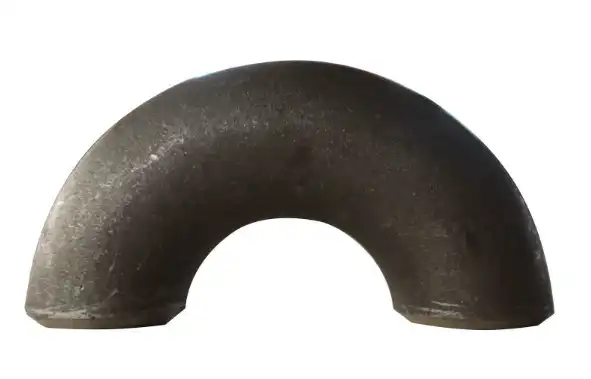
A carbon steel elbow is used to alter the direction of fluid or gas flow inside a pipe system, often at 45°, 90°, or 180° angles. At high temperatures, the material grade is important. High-temperature models are constructed from ASTM A234 WPB or A420 grades and will not lose structural integrity under long-term thermal stress. The bending geometry of the fitting may be either short radius (SR) or long radius (LR). The bending geometry also influences the flow characteristics and the pressure loss throughout the system.
Manufacturing Processes
These fittings are made by hot forming procedures, including hot pushing and hot bending. The most frequent varieties are butt-welded elbows, both seamless and straight-seam, and socket-welded designs for high-temperature use. The structure is seamless, with no weld seams that are a typical failure area in pressure systems. Post-forming heat treatments like normalized or quenched and tempered are helpful in refining the grain structure, which improves the toughness and fatigue resistance.
Applicable Standards
For foreign projects, B2B purchase is non-negotiable for compliance with ASTM, ANSI, DIN, JIS, and BS standards. Dimensional specifications for elbows used in power boilers or pressure vessels must also fulfill ASME B16.9. Oudi goods are made and examined to these very criteria, and the firm has ISO 9001:2000 accreditation and the People’s Republic of China Special Equipment Manufacturing License.
Benefits and Advantages of High-Temperature Carbon Steel Elbows
There are several practical reasons why procurement engineers continue to favor these fittings for high-demand industrial systems. Here are the core advantages worth considering:
- Thermal endurance: Carbon steel retains acceptable yield strength up to approximately 480°C for standard grades, and select alloy-modified grades push this boundary further. This makes them suitable for steam lines, boiler feed systems, and refinery transfer lines.
- Cost efficiency: Compared to austenitic stainless steel or nickel-alloy fittings, carbon steel elbows cost significantly less per unit. For large-volume infrastructure projects, this price gap directly affects overall project budgets.
- Structural strength: The homogeneous composition of seamless high-temperature carbon steel elbows distributes stress evenly through the bend radius, reducing the likelihood of localized fatigue cracking during rapid pressure fluctuations or thermal cycling.
- Wide availability: Standard dimensions and grades are broadly available from certified manufacturers, reducing lead time risk for bulk procurement.
These advantages make carbon steel elbows a sound investment for industries where system uptime and lifecycle cost both matter. Oudi's 16,000-ton annual production capacity means stock availability and delivery timelines remain consistent, even for large-volume orders from distributors and EPC contractors operating across multiple continents.
Limits and Challenges to Consider
Nothing is without limitations, and that includes carbon steel. Knowing the limits of these fits allows procurement teams to prepare for them, rather than be surprised by them.
The most urgent worry is oxidation at 540°C. At this stage, the formation of unstable oxide layers on carbon steel may lead to the weakening of the pipe wall over time. If you need service continuously above this temperature, you must use either chromium-molybdenum alloy steel or stainless steel.
Another consideration is susceptibility to corrosion. In the presence of moist hydrogen sulfide, chlorides, or strong acids, uncoated carbon steel quickly deteriorates. The selection of protective coatings, cathodic protection, or changeover to corrosion-resistant metals should be based on the fluid chemistry involved.
Welding and installation can have hazards. Hydrogen cracking may be caused by improper preheat treatment before welding, especially for thicker wall schedules. ASME regulations typically mandate post-weld heat treatment (PWHT) to restore the mechanical qualities of the heat-affected zone.
Thermal cycling, which is repetitive heating and cooling, causes the material to deteriorate via fatigue. For applications with frequent start-up and shut-down sequences, the total number of heat cycles should be included in the design life calculation.
Comparing High-Temperature Carbon Steel Elbows with Alternatives
Carbon Steel vs. Stainless Steel
High-temperature carbon steel elbows (e.g., ASTM A403 WP316) offer superior resistance to oxidation and corrosion, making them appropriate for aggressive chemical environments or temperatures above 600°C. However, they typically cost two to four times more than comparable carbon steel fittings. For dry, moderate-temperature systems, carbon steel is the more economical and equally reliable option.
Carbon Steel vs. Alloy Steel
Chrome-molybdenum alloy steel grades such as P11 (1.25Cr-0.5Mo) or P22 (2.25Cr-1Mo) extend the useful temperature range to around 600°C–650°C and offer better creep resistance. These are specified when carbon steel cannot meet the design temperature requirements, though at a higher material and fabrication cost. Oudi produces elbows in both alloy and carbon steel grades, allowing procurement teams to source across material categories from a single certified supplier.
Choosing the Right Fit
The selection should always begin with the process datasheet: operating temperature, design pressure, fluid composition, and expected service life. Engineering teams that align material selection with these parameters — rather than defaulting to cost alone — reduce the risk of premature failure and unplanned shutdowns.
Procurement Insights and Supplier Selection
Certifications to Verify
Before ordering, ensure that the manufacturer has ISO 9001 certification, any specific equipment permits that are necessary, and material test reports (MTRs) on each heat of steel. These records are the foundation of the quality traceability demanded by the main oil and gas companies globally.
Lead Times and MOQ
Custom alloy designs often have longer lead times than standard carbon steel elbow specifications. For bulk procurements, verify supplier production schedules and warehouse stock levels early in the project timeframe. Oudi has a manufacturing capacity of 16,000 tons per year and more than 300 clients in over 40 countries, offering procurement teams assurance of supply.
Supplier Track Record
Since 1998, Oudi has proven export experience to markets in Europe, North America, South America, Africa, Southeast Asia, and the Middle East in different regulatory settings. This track record is relevant for projects including customs paperwork, compliance with country-specific standards, and multi-language technical assistance.
Conclusion
High-temperature carbon steel elbows continue to be a dependable and cost-efficient choice for industrial pipe systems within their designed thermal and chemical limits. They are the default option in oil, gas, power, and chemical sectors because of their mechanical robustness, availability in standard sizes, and lower cost vis-à-vis alloy or stainless alternatives. However, applications with temperatures exceeding 540 °C, corrosive, aggressive media, or extensive thermal cycling need a thorough material appraisal. Matching the correct grade to a qualified, experienced manufacturer lowers risk to the project and promotes long-term system performance.
FAQ
1. What is the maximum operating temperature for a standard carbon steel elbow?
Standard carbon steel elbows made from ASTM A234 WPB are generally rated for continuous service up to approximately 425°C–480°C. Above this range, oxidation and creep resistance decline, and alloy steel grades should be specified instead.
2. How can corrosion resistance be improved without switching materials?
External coatings such as epoxy or fusion-bonded coatings, along with internal linings or cathodic protection systems, can extend the service life of carbon steel elbows in mildly corrosive environments. For aggressive media, a material upgrade to chrome-molybdenum or stainless steel is the more reliable path.
3. What certifications should a supplier hold for high-temperature service applications?
Look for ISO 9001 quality management certification, ASME compliance documentation, material test reports per ASTM standards, and, where applicable, a special equipment manufacturing license. Oudi holds ISO 9001:2000 certification and China's Special Equipment Manufacturing License.
4. What is the typical lead time for bulk elbow orders?
Standard carbon steel elbows in common sizes typically ship within two to four weeks from certified manufacturers. Custom dimensions or special alloy grades may require six to ten weeks, depending on raw material availability and production scheduling.
Partner with Oudi for Certified High-Temperature Carbon Steel Elbow Supply
Oudi has manufactured and exported carbon steel pipe fittings since 1998, serving clients in over 40 countries with a 16,000-ton annual output. As a trusted high-temperature carbon steel elbow manufacturer, we back every order with ISO 9001 certification, full material traceability, and competitive pricing. Contact our team directly at oudi-04@oudiguandao.com to request a quotation or discuss your project specifications.
References
1. ASME International. ASME B16.9: Factory-Made Wrought Buttwelding Fittings. 2018.
2. ASTM International. ASTM A234/A234M: Standard Specification for Piping Fittings of Wrought Carbon Steel and Alloy Steel for Moderate and High Temperature Service. 2021.
3. American Petroleum Institute. API 570: Piping Inspection Code – In-Service Inspection, Rating, Repair, and Alteration of Piping Systems. 2016.
4. Nayyar, M. L. Piping Handbook, 7th Edition. McGraw-Hill. 2000.
5. Ellenberger, J. P. Piping and Pipeline Calculations Manual. Butterworth-Heinemann. 2014.
6. TWI Global. Welding of Carbon and Carbon-Manganese Steels: Technical Knowledge Series. The Welding Institute. 2019.

Need help finding the right solution with our experts. Please contact us.

SINCE 1998 Your Reliable Pipeline Manufacturer



