High-temperature carbon steel elbow Buying Guide for Heat Systems
If you operate in the oil, gas, power generating, or chemical processing industries, then selecting the correct high-temperature carbon steel elbow is one of the most essential choices you will make for your heat system. These fittings control the flow of fluids around bends at severe temperatures and pressures, and the incorrect choice may lead to leaks, shutdowns, or worse. This book covers everything: materials, grades, selection criteria, maintenance techniques, and how to purchase intelligently from a qualified manufacturer. This is your practical source for sourcing: refinery, boiler plant, EPC…
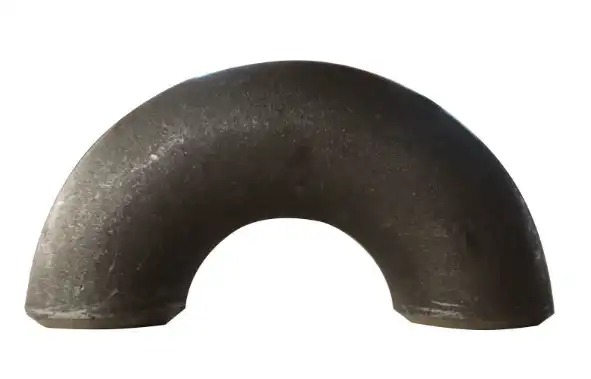
Understanding High-Temperature Carbon Steel Elbows
What They Are and How They Work
A carbon steel elbow is used to modify the direction of flow of fluid or gas in a pipe system – usually by 45, 90, or 180 degrees. These fittings must withstand the expansion of the thermal load, cyclic pressure, and mechanical stress without deformation or breaking in high-heat settings. They seem like a simple enough function, but the engineering behind them is anything but simple.
Key Design Types: Long Radius vs. Short Radius
The centerline radius of long radius (LR) elbows is 1.5 pipe diameters. They decrease pressure drop and turbulence; therefore, they are perfect for systems with high-velocity flow. Short radius (SR) elbows are smaller and work better in narrow places, but have a little greater flow resistance. LR elbows are the norm for most heat systems.
Industry Standards and Certifications
Reputable fittings are manufactured to dimensional standards such as ANSI, DIN, JIS, and BS and adhere to ASME B16.9 for butt-weld elbows and ASME B16.11 for socket-weld elbows. Every Oudi product is produced to ISO 9001:2000 quality management certification and has the People’s Republic of China Special Equipment Manufacturing License, two credentials that count with engineers and procurement teams throughout the globe.
Comparing Materials for High-Temperature Pipe Elbows
Carbon Steel vs. Stainless Steel
ASTM A234 WPB is a carbon steel that is suitable for temperatures up to about 425 degrees Celsius and provides great tensile strength at a low cost. Stainless steel (304 or 316) costs more, but is more resistant to oxidation. But the good old carbon steel is still the choice for large-scale industrial applications in dry, high-temperature steam or oil systems with controlled corrosion exposure.
Carbon Steel vs. Alloy Steel
At temperatures above 425°C, alloy-steel grades such as ASTM A234 WP11 (chrome-moly) or WP22 are used. These grades include chromium and molybdenum to provide better resistance to creep at sustained temperatures. Alloy steel is often used to make high-temperature carbon steel elbows in power boilers and petrochemical reactors. Carbon steel is for the mid-range; alloy steel is for the extremes. Know where your system lives to define your material route.
Wall Thickness and Durability
The thickness of the fitting wall directly impacts its resistance to deformation during heat cycling. 40 is good for intermediate pressure systems. Schedule 80 or above is used in high-pressure heat loops. Thicker walls can increase service life by resisting interior degradation by abrasive fluids. Oudi manufactures elbows in a wide variety of schedules with a production capacity of 16,000 tons annually. This covers the entire spectrum of project volume needs without any sacrifice in quality.
How to Choose the Right High-Temperature Carbon Steel Elbow for Your System
Match the Grade to Your Operating Conditions
Start with your system's maximum operating temperature and pressure rating. For steam boilers and heat exchangers running below 400°C, ASTM A234 WPB carbon steel is the standard. Document your fluid type—steam, thermal oil, or process gas—because corrosive media may require upgraded coatings or alloy alternatives even at moderate temperatures.
Here are the core factors to verify before placing an order:
- Temperature rating: Confirm the elbow's material grade matches your system's peak and cyclic temperature range.
- Pressure class: Cross-check with ASME pressure-temperature tables to select the correct schedule.
- End connection type: Butt-weld (BW) elbows suit most industrial pipelines; socket-weld (SW) fits smaller-bore applications.
- Dimensional standard: Confirm whether your project specifies ANSI, DIN, JIS, or BS—all of which Oudi supports.
Matching these four factors early prevents costly rework later in the project cycle.
Sector-Specific Guidance
Oil and gas systems typically demand NACE-compliant materials in sour service environments. Power generation plants prioritize creep resistance for long-run boiler loops. Chemical processing facilities often combine carbon steel for high-temperature lines with stainless steel for corrosive branches. Oudi's product range covers all three sectors, with application experience across more than 40 countries.
Custom vs. Standard Sizes
Standard sizes cover most projects, but EPC contractors frequently need custom dimensions or special bore tolerances. Oudi's in-house production equipment supports non-standard configurations, and the team can work from client drawings or engineering specifications directly.
Maintenance and Longevity of High-Temperature Carbon Steel Elbows
Inspection Best Practices
Schedule visual and non-destructive testing (NDT) inspections at regular intervals, usually every 12 to 24 months depending on the operating intensity. Ultrasound thickness testing detects wall weakening before it becomes a leak concern. Oudi conducts thorough inspections throughout manufacturing, including non-destructive fault identification on final items. This provides purchasers a head start on traceability.
Corrosion Prevention and Protective Coatings
Carbon steel is sensitive to oxidation in the presence of moisture or process fluids at high temperatures. Surface deterioration is slowed by epoxy or high-temperature paint coatings. Additional cathodic protection or galvanized coatings are recommended for underground or offshore applications. The correct coating should be chosen at the time of purchase, not retrofitted later. This will save time and money during the service life of the system.
When to Replace vs. Repair
Minor surface corrosion or tiny pits may be dealt with by patch welding and re-inspection. But high-temperature carbon steel elbows displaying wall thinning of more than 20% of the original thickness, through-cracks, or deformation close to the intrados (the inner bend radius, which is under the greatest load) should be replaced promptly. It's not worth risking a damaged elbow in a high-temperature heat system.
Procurement Guide: How to Buy High-Temperature Carbon Steel Elbows
Selecting a Certified Supplier
A supplier's certification record tells you more than any brochure. Verify ISO 9001 certification, special equipment manufacturing licenses, and whether the company has a track record of exporting to regulated markets. Oudi has served over 300 customers across more than 40 countries since 1998, with products used in petroleum, chemical, power, boiler, and construction sectors across Europe, North and South America, Southeast Asia, and the Middle East.
Pricing and Lead Time Factors
Elbow prices depend on material grade, wall schedule, size, and quantity. Bulk orders characteristic of EPC or plant size projects usually have better unit pricing. Lead times are a function of the level of specification detail against the existing manufacturing schedule. Letting a supplier know in advance of your project schedule allows them to arrange sourcing raw materials and manufacturing slots appropriately.
Step-by-Step Ordering Workflow
The order process normally follows these steps:
- Technical Specification: grade, size, schedule, angle, end type, and relevant standard
- Ask for a material test report (MTR) and certificates of the products before finalizing a purchase.
- Agree on inspection conditions. Third-party inspection is frequent for export orders.
- Check packing, labeling, and shipping standards, particularly for overseas shipments.
- Keep mill certifications and quality documentation as part of your project records.
This procedure keeps purchase auditable and minimizes conflicts at goods reception.
Conclusion
Choosing the perfect high-temperature carbon steel elbow for a heat system is not about choosing any fitting that is available; it is about matching the correct quality, geometry, and certification to your working circumstances. Protect your system for years — Make Informed Decisions at the Specification Stage, from understanding long-radius versus short-radius designs to comparing carbon, stainless and alloy steel alternatives. Since 1998, Oudi has established its name for certified, high-quality pipe fittings for demanding sectors globally – and backed that excellence with actual production capability and thorough inspection at every level.
FAQ
1. What temperature range can carbon steel elbows handle?
Standard carbon steel grades like ASTM A234 WPB perform reliably up to approximately 425°C (797°F). For higher temperatures, chrome-moly alloy grades such as WP11 or WP22 are the appropriate upgrade. Always verify the specific grade's temperature limits against your system's peak operating data.
2. How do carbon steel elbows compare to stainless steel in heat systems?
Carbon steel elbows offer higher strength at lower cost for most dry, high-temperature applications. Stainless steel performs better where corrosive fluids, acids, or high-moisture environments are present. For systems where temperature is the primary stress factor—not aggressive corrosion—carbon steel is often the more practical choice.
3. What certifications should I verify when buying from a supplier?
Look for ISO 9001 quality management certification and any special equipment manufacturing licenses required in your country. For export markets, confirm that the supplier's documentation supports your local regulatory requirements. Oudi holds ISO 9001:2000 certification and the PRC Special Equipment Manufacturing License.
4. What is the difference between seamless and welded elbows?
Seamless elbows have no weld seam, which reduces the risk of seam failure under high pressure or thermal cycling. Welded (straight-seam) elbows are cost-effective for lower-pressure applications. For high-temperature, high-pressure heat systems, seamless elbows are generally the preferred option.
Source Your High-Temperature Carbon Steel Elbows From Oudi
Oudi has been a trusted high-temperature carbon steel elbow manufacturer since 1998, with 16,000 tons of annual production capacity, ISO 9001 certification, and a product range covering ANSI, DIN, JIS, and BS standards. Our team works directly with engineers and procurement managers across 40+ countries to match the right fit to every project requirement. Contact us at oudi-04@oudiguandao.com to request a quote, check lead times, or get technical support today.
References
1. ASME B16.9 – Factory-Made Wrought Buttwelding Fittings, American Society of Mechanical Engineers, 2018.
2. Nayyar, M. L. – Piping Handbook, McGraw-Hill, 7th Edition, 2000.
3. ASTM A234/A234M – Standard Specification for Piping Fittings of Wrought Carbon Steel and Alloy Steel for Moderate and High Temperature Service, ASTM International, 2022.
4. Becht, C. – Process Piping: The Complete Guide to ASME B31.3, ASME Press, 4th Edition, 2018.
5. ISO 9001:2015 – Quality Management Systems — Requirements, International Organization for Standardization, 2015.
6. Frankel, M. – Facility Piping Systems Handbook, McGraw-Hill, 3rd Edition, 2010.

Need help finding the right solution with our experts. Please contact us.

SINCE 1998 Your Reliable Pipeline Manufacturer



