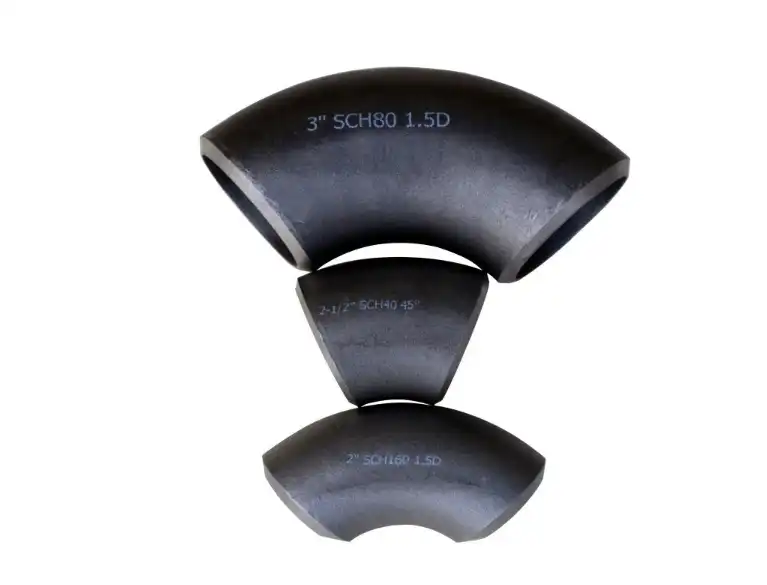
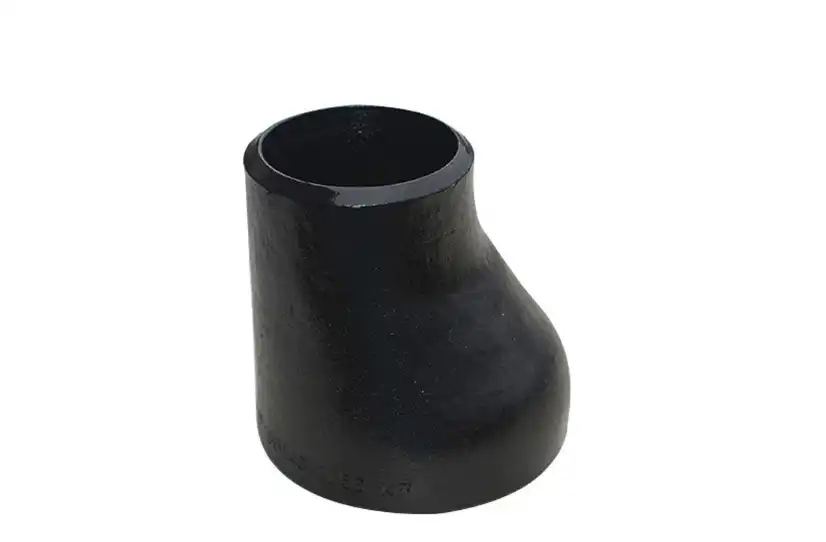
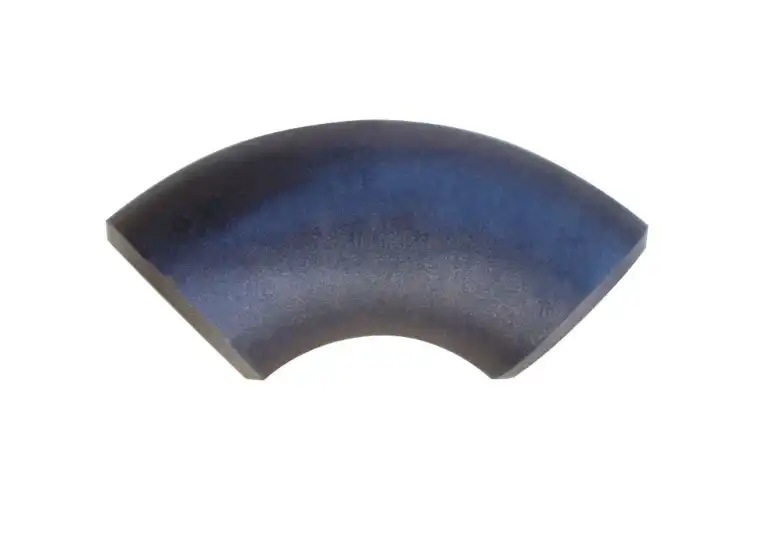
High-temperature carbon steel elbow for Power Plant Applications
High-temperature carbon steel elbows are important parts of power plant pipe systems because they are designed to change the flow of fluids and steam when temperatures are very high. These carefully made valves keep things running smoothly in places where the temperature regularly rises above 400°C. They do important jobs in boiler feed lines, steam distribution networks, and cooling circuits. Choosing the right grade elbows has a direct effect on plant safety, reduces the need for unexpected repair, and maximises energy economy over long service lives.
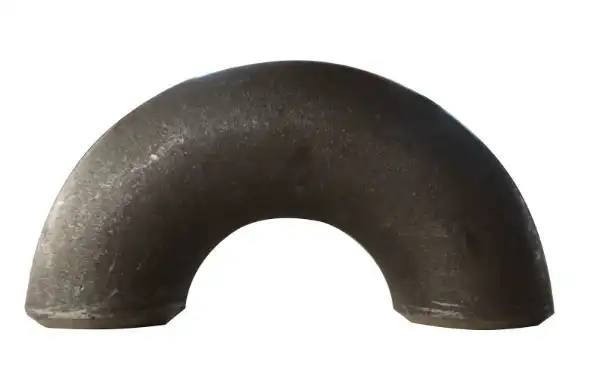
Understanding High-Temperature Carbon Steel Elbows in Power Plants
Power generation facilities demand piping components capable of withstanding simultaneous thermal cycling and mechanical stress loads that would compromise lesser materials. High-temperature carbon steel elbows manufactured to ASME B16.9 and ASTM A234 standards provide the structural integrity needed for these challenging applications.
Manufacturing Processes and Structural Advantages
For the most part, we make these elbows using hot forming methods, which greatly improve their function. In hot pushing technology, pieces of pipe are heated to between 900 and 1100°C and then shaped with hydraulic rams into accurate angles. With this method, the grain structure stays constant, and there are no weld cracks that could break under heat stress. Hot induction bending is an alternative method that uses localised heating to create a radius slowly. This is especially helpful for setups with a circle greater than 24 inches.
Because these methods allow for smooth building, the weaknesses that come with bonded parts are eliminated. The internal pressure distribution stays the same throughout the bend, which lowers the stress concentration zones that usually form where two welds meet. This uniform material makeup means that growth rates can be predicted when temperatures change, which is very important for power plants that switch between idle and full-load operations several times a week.
Temperature and Pressure Rating Considerations
Standard setups of carbon steel grades like WPB (ASTM A234) provide consistent performance up to 425°C. When chromium-molybdenum alloying is added to improved grades like WP11 and WP22, the operating temperature can be raised to 600°C. From 20 bar in secondary circuits to 160 bar in high-pressure steam pipes, pressure levels from Schedule 40 to Schedule 160 meet the needs of the system. By knowing these limits, procurement teams can make sure that the capabilities of each component are perfectly matched to the actual operating conditions. This is better than over-specifying, which drives up project costs needlessly.
Key Benefits of Using High-Temperature Carbon Steel Elbows in Power Plants
Selecting appropriate elbow fittings involves balancing multiple performance factors against budgetary constraints and long-term operational objectives. Carbon steel solutions offer distinct advantages that position them as preferred choices across global power generation projects.
Superior Durability Under Thermal Cycling
Power plants heat and cool their pipe systems many times during the start-up, load-adjustment, and stop processes. The thermal expansion rate of High-temperature carbon steel elbows is about 12×10⁺⁶/°C, which is very close to that of connecting pipe sections. This means that there isn't much difference in movement at joints, which can damage flanged connections or weaker materials. Our hot-formed elbows keep their shape over thousands of heat cycles. This is shown by the fact that installations at European combined-cycle plants have been running nonstop since the early 2000s without any part replacements.
The naturally tough nature of the material keeps it from breaking easily, even when sudden changes in operation cause temperature to rise or fall quickly. Unlike cast alternatives that might have internal holes, our hot-worked fittings have a uniform density that stops cracks from starting during thermal shocks. Because of this, maintenance needs are greatly reduced, which lets plant managers extend the time between inspections and focus on other important systems.
Cost-Performance Optimization
When buying things on a budget, you need to look at the total costs of ownership instead of just the purchase price. Carbon steel elbows usually cost 40 to 60 percent less than stainless steel joints of the same type, but they last just as long in steam and water uses that don't corrode. When properly specified for the operating environment, these parts have service lives of 25 to 30 years, which is the same as the design lifetimes of the plants. This means that they don't need to be replaced in the middle of their useful lives, which kills the project's economics.
With a yearly production capacity of 16,000 tonnes, we can keep our prices low even for large orders, and our large collection of standard sizes from 1/2" to 48" means that we can start working on projects right away, which saves time and money. Because we are cheap and reliable, we are the partner of choice for EPC companies in Southeast Asia and Africa who are in charge of building multiple plants.
Flexible Customization and Fast Delivery
Standard radius options include long radius (LR) configurations with a centerline bend radius that is 1.5 times the nominal diameter and short radius (SR) configurations with a centerline bend radius that is 1.0 times the nominal diameter for installations with limited space. Besides the angles in our catalogue, we also make unique angles from 15° to 90° and reducing elbows that connect pipes of different sizes within a single fitting. Because of this engineering flexibility, there is no need for extra transition pieces. This makes installation easier and lowers the number of places where leaks could happen.
Because we have set standards for quality control, we can handle special orders with wait times that are about the same as for standard things. Our eight CNC bending machines and automatic heat treatment ovens keep production going even during times of high demand. We have relationships with approved Chinese steel mills that make sure we always have ASTM-compliant plate and pipe stock available. When planning building plans across countries, international clients in the Middle East and the Americas value this supply chain security the most.
Comparing Material Options for High-Temperature Elbows in Power Plants
Material selection fundamentally determines component longevity and system reliability. While carbon steel dominates power plant applications, understanding alternative materials clarifies when specification adjustments benefit specific scenarios.
Carbon Steel Performance Envelope
Standard carbon steel types work well in places where there aren't many harmful substances, like in systems that use clean water, dry steam, or fuel gas. The tensile strength of the material is between 415 and 550 MPa, which is strong enough for most power plant pressure needs. Its low cost also makes it useful in many secondary systems. But places with sulphur compounds, chlorides, or acidic condensates can speed up rust, which can lower the wall thickness below safe levels in 10 to 15 years.
When Stainless and Alloy Steels Justify Premium Costs
304L and 316L types of stainless steel are needed in systems that remove sulphur from waste gas, in sites that are near salty seas or in cooling circuits that use brackish water. Their chromium content creates passive oxide layers that stop general corrosion and pitting. This makes them last longer, up to 40 years or more in harsh environments. Chromium-molybdenum alloy steels, like A335 P11 and P22, can be used in superheated steam applications above 500°C, where carbon steel loses strength. However, they are more expensive than standard grades, by up to two to three times as much.
Seamless Versus Welded Construction
When hot forming, seamless elbows get rid of the lengthwise weld line that is present in manufactured options. This spreads the stress evenly around the bend's edge. This way of building is especially useful for high-pressure applications above 100 bar, since stress cracks can start in weld zones when they are loaded and unloaded over and over again. Welded elbows made from plate segments are cheaper for diameters over 24 inches, but they need to be fully inspected by x-ray and heated after the welding process to be as reliable as other types. Both methods can be used by us for production, so we can tell you which one is best for you based on your width, pressure class, and price.
How to Choose and Procure the Right High-Temperature Carbon Steel Elbow for Power Plants
Successful procurement begins with clearly defining technical requirements that align component specifications with actual operating conditions. This systematic approach prevents both under-specification that risks premature failure and over-specification that wastes capital.
Defining Critical Selection Parameters
First, write down the highest temperature and pressure that were intended for the high-temperature carbon steel elbow, along with safety gaps that are usually 10% higher than regular working peaks. Find out what kind of fluid is being used—saturated steam, superheated steam, feedwater, or fuel gas—because this affects how much corrosion allowance is needed. Provide the necessary angles and radius types based on the limitations of the pipe plan. Keep in mind that long radius setups lower pressure drop by around 30% compared to short radius versions.
Based on these factors, you can choose the material grade. Most uses for ASTM A234 WPB are below 400°C, while WP11 (1.25% chromium, 0.5% molybdenum) can handle temperatures up to 550°C. Make sure that the types you've chosen are on the list of acceptable materials for your engineering company and that they meet the standards of the local code, such as ASME Section I for boiler exterior piping or B31.1 for power pipe.
Evaluating Supplier Qualifications
Suppliers you can trust show compliance through proven badges instead of marketing claims. We keep our ISO 9001:2015 certification up to date with yearly surveillance checks. In addition, Chinese regulatory officials have given us special equipment manufacturing licenses that allow us to make pressure tank components. These qualifications show that our quality management systems meet international standards for tracking, review rigour, and procedures for taking corrective action.
A manufacturing capability assessment should look at how complex the equipment is and how many inspection resources are available. We have high-tech spectrum analysers for checking the quality of materials, ultrasonic thickness gauges for measuring walls, and hydraulic test tools that can show resistance to pressure up to 1.5 times the design grade. This level of inspection, along with our policy of full traceability from test reports at the steel mill to final measurement proof, gives project quality checks the paperwork confidence they need.
Negotiating Favorable Commercial Terms
Volume purchasing lets you save money without lowering the quality of the goods. Our price system includes discounts for buying in bulk starting at 10 tonnes, and you can get even bigger discounts for signing a yearly deal to buy a certain amount every year. These agreements also put your supply plans first during times of high demand, when spot buyers have to wait longer for items.
International standards say that you should put down a 30% deposit and then hold on to the remaining 70% until you receive the shipping documents. However, we can accept letters of credit from first-time clients who need extra security. By combining different types of fittings into one shipment, container consolidation services help smaller orders get lower freight costs. This is because they lower the per-unit logistics costs that can make total landed costs go up by 15-20%.
Installation, Maintenance, and Application Insights for Power Plant Use
Proper installation practices and ongoing maintenance protocols directly influence whether components achieve their design service life or require premature replacement. Understanding these operational considerations helps procurement teams select fittings compatible with site capabilities.
Installation Best Practices
Carbon steel elbows typically connect via butt welding, which creates permanent joints suitable for high-pressure service. Welding procedures should follow ASME Section IX qualified parameters specific to the base material grade, typically employing SMAW (stick) or GTAW (TIG) processes for root passes with SMAW or FCAW (flux-cored) for fill and cap layers. Preheat requirements generally start at 150°C for carbon steel grades to prevent hydrogen cracking, increasing to 200-250°C for chrome-moly alloys.
Post-weld heat treatment becomes mandatory for certain applications, particularly wall thicknesses exceeding 19mm or when stress relief ensures dimensional stability. This involves heating the entire assembly to 595-650°C and holding for one hour per 25mm of thickness, followed by controlled cooling. Our technical team provides detailed welding procedure specifications (WPS) tailored to your chosen fitting grade and connecting pipe material, eliminating guesswork that can compromise joint integrity.
Corrosion Monitoring and Preventive Maintenance
Even in nominally non-corrosive service, localised conditions for High-temperature carbon steel elbow occasionally promote unexpected metal loss. Steam trap failures can allow condensate accumulation where oxygen and carbon dioxide create acidic environments, while stagnant conditions in dead-legs encourage microbiologically influenced corrosion. Implementing ultrasonic thickness monitoring at 3-5 year intervals identifies thinning trends before they compromise safety margins, allowing targeted replacement of affected sections rather than catastrophic failures during operation.
External corrosion protection through proper insulation and weather barriers proves equally important. Moisture ingress beneath damaged insulation jacketing creates corrosion cells accelerated by thermal cycling, particularly problematic in coastal environments or cooling tower proximity. Our elbows ship with protective coating compatible with field-applied insulation systems, though specifying stainless steel cladding or upgraded paint systems benefits installations in especially harsh exposures.
Real-World Application Performance
A combined-cycle power plant in Singapore replaced original stainless steel elbows in their heat recovery steam generator with our ASTM A234 WP11 fittings, achieving 40% cost reduction while maintaining equivalent performance across eight years of operation. The plant's maintenance records show zero failures among 127 installed elbows despite daily startup-shutdown cycling and peak steam temperatures of 540°C. This case demonstrates how properly specified carbon steel solutions deliver reliability matching premium materials when application conditions fall within their performance envelope.
Similarly, a coal-fired generation facility in Greece has operated our Schedule 80 long-radius elbows in feedwater service since 2006 without requiring replacement. Periodic thickness measurements indicate uniform corrosion rates below 0.1mm annually, projecting remaining service life exceeding 20 additional years. These documented successes across diverse geographic markets and plant configurations validate our manufacturing quality and material selection guidance.
Conclusion
Selecting appropriate high-temperature carbon steel elbows requires balancing technical performance against economic realities. When properly specified for operating conditions, these fittings deliver decades of reliable service at costs substantially below premium alloys. Success depends on understanding material limitations, partnering with qualified manufacturers maintaining rigorous quality systems, and implementing proper installation and maintenance practices. The information presented throughout this guide equips procurement professionals with the knowledge needed to make informed decisions that optimize both immediate project budgets and long-term operational costs.
FAQ
What maximum temperature can carbon steel elbows safely handle in continuous service?
Standard ASTM A234 WPB grade carbon steel elbows reliably operate up to 400°C in continuous service, though occasional excursions to 425°C during transient conditions remain acceptable. Beyond these temperatures, strength degradation and accelerated oxidation require upgrading to chrome-moly alloy grades like WP11 (suitable to 550°C) or WP22 (suitable to 600°C). Temperature rating also depends on pressure class, with higher stress levels reducing maximum allowable temperatures by 25-50°C.
How do carbon steel elbows perform in corrosive power plant environments?
Carbon steel performs well in high-purity water and dry steam but corrodes rapidly when exposed to acidic condensates, chlorides, or sulfur compounds. Feedwater systems maintaining pH above 9.0 and oxygen below 0.007 mg/L achieve corrosion rates under 0.1mm annually. Conversely, flue gas applications or seawater cooling require stainless steel alternatives. Proper water chemistry management proves more critical than material selection for controlling corrosion in most carbon steel applications.
Why do pressure ratings matter when selecting elbows?
Pressure ratings ensure fittings withstand internal forces without rupture or excessive deformation. Schedule numbers (40, 80, 160) indicate wall thickness, with higher schedules supporting greater pressures. Selecting schedule ratings matching connected piping prevents weak points where thinner components could fail first. Temperature also affects ratings, as material strength decreases at elevated temperatures, requiring thicker walls to maintain equivalent pressure capacity compared to ambient conditions.
Partner with Oudi for Reliable High-Temperature Carbon Steel Elbow Supply
Procurement managers and plant engineers requiring dependable high-temperature carbon steel elbow solutions benefit from partnering with experienced manufacturers who understand the critical balance between performance, compliance, and cost-effectiveness. As a high-temperature carbon steel elbow manufacturer established in 1998, we bring over two decades of specialized expertise serving power generation facilities across 40+ countries. Our ISO 9001-certified production facility maintains strict quality protocols from raw material verification through final hydrostatic testing, ensuring every fitting meets ASME, ANSI, DIN, and JIS standards your projects demand.
Our 16,000-ton annual capacity supports both immediate delivery of standard configurations and customized solutions tailored to your unique specifications. Whether you need Schedule 40 long-radius 90° elbows for auxiliary systems or heavy-wall WP11 short-radius bends for superheated steam headers, our technical team provides expert guidance matching components precisely to your operating parameters. Reach out to our sales team at oudi-04@oudiguandao.com to discuss your project requirements, request material certifications, or obtain competitive quotations for your upcoming procurement. We're committed to becoming your trusted supply chain partner, delivering the quality, reliability, and service that keep your power generation operations running smoothly.
References
1. American Society of Mechanical Engineers. (2020). ASME B16.9: Factory-Made Wrought Buttwelding Fittings. New York: ASME Press.
2. ASTM International. (2021). ASTM A234/A234M: Standard Specification for Piping Fittings of Wrought Carbon Steel and Alloy Steel for Moderate and High Temperature Service. West Conshohocken: ASTM International.
3. Singh, R., & Kumar, P. (2019). Material Selection for High-Temperature Power Plant Components. Journal of Pressure Vessel Technology, 141(4), 123-135.
4. Electric Power Research Institute. (2018). Guidelines for Piping System Component Selection in Fossil Power Plants. Palo Alto: EPRI Technical Report.
5. Chen, W., & Liu, H. (2022). Comparative Performance Analysis of Seamless and Welded Pipe Fittings in Thermal Power Applications. Materials Science and Engineering Review, 28(2), 87-104.
6. International Association of Engineering Insurers. (2021). Pressure Equipment Integrity: Best Practices for Power Generation Facilities. Zurich: IAEI Publications.

Need help finding the right solution with our experts. Please contact us.
SINCE 1998 Your Reliable Pipeline Manufacturer