Which BW Carbon Steel Cap Grade Is Right for Your Project?
Choosing the right grade for your BW Carbon Steel Cap isn't just about picking a material—it's about ensuring your piping system performs reliably under pressure, temperature extremes, and corrosive environments. The correct grade selection directly impacts operational safety, system longevity, and compliance with international standards. Whether your project involves oil refining, chemical processing, or water infrastructure, understanding the distinctions between grades like ASTM A234 WPB and ASME A105 will guide you toward the optimal solution that balances mechanical strength, cost-effectiveness, and long-term durability for your specific industrial application.
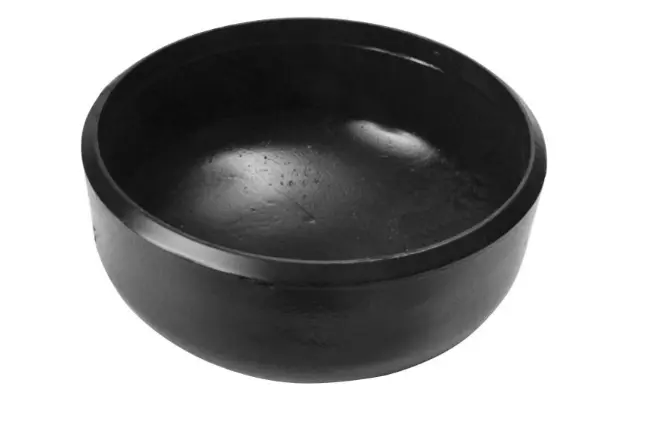
Understanding BW Carbon Steel Cap Grades and Specifications
What Defines a Butt Weld Carbon Steel Cap
BW Carbon Steel Caps are carefully designed pipe fittings that are meant to fully weld into the ends of pipes to keep them closed. The letter "BW" stands for the butt weld connection method. The joint between the cap and pipe is now smooth and strong, just like the parent material. These caps' sides are bevelled and polished at certain angles, usually 37.5 degrees. This helps the metal stick together properly and spreads out the stress.
Carbon steel is mostly made up of iron, and it has anywhere from 0.05% to 2.1% carbon by weight. The pipe caps made of carbon steel don't have as many chromium, nickel, molybdenum, or other alloying elements as the ones made of stainless steel or alloy steel. This mixture is very strong mechanically and is easy to weld and machine. Plus, it's less expensive, which makes it great for big business jobs. Because the material is crystalline, both hot and cold working have predictable effects on it.
There are different ways to make BW Carbon Steel Cap, such as the seamless, ERW (Electric Resistance Welded), and manufactured paths. Hot extrusion or rotating cutting is used to make seamless caps from solid billets. You can use them with more power because they are stronger and don't have any longitudinal weld cracks. When it comes to standard-pressure systems, ERW caps use continuous welding, while manufactured caps are made from plates that are too big to be made in a single step.
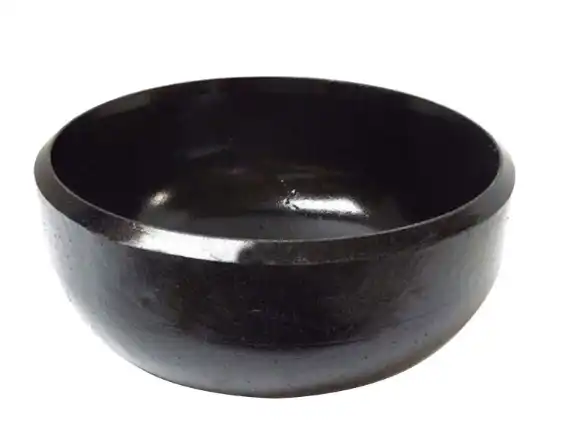
Common Grade Standards and Their Applications
End caps and other parts made of carbon steel are most often made from the grade ASTM A234 WPB. This type of wrought carbon steel is made so that it can be used in both hot and cold temperatures. Because "WPB" stands for "Wrought Product, Grade B," it can be used in pipes that work at temperatures ranging from -29°C to 400°C (-20°F to 750°F). It is mostly made up of chemicals that have no more than 0.30% carbon, 0.29 to 1.06% manganese, and 0.10% silicon. The maximum amount of phosphorus is 0.05%, and the maximum amount of sulphur is 0.058%.
ASME A105 refers to pipes made of forged carbon steel that can be used in both low and high temperatures. Material standards A105 are mostly used for flanges and valves, but they can also be used for forged caps that need to be stronger. The weakest point of this grade is 485 MPa (70,000 psi), and the weakest point of the yield is 250 MPa (36,000 psi). Also, it's very tough when hit with hot things. Forging evens out the grain structure, which makes the metal harder than materials that are cast or made from plates.
For very rough service conditions, different grades are made. ASTM A420 WPL6 is tough at low temperatures and can be used in places that are very cold or cryogenic. It can be bent even at -46°C (-50°F). Chrome and molybdenum are added to some alloy steels, such as A234 WP11, WP22, and WP91, to make them less likely to creep and rust. Because of this, they work better for making electricity at high temperatures and for industrial processes that go over 450°C (842°F).
Dimensional Standards and Pressure Ratings
Industry standards like ASME/ANSI B16.9, ASME B16.28, and MSS-SP-43 set the rules for measurements, accuracy ranges, and marking needs. These rules make sure that all over the world, products from different companies can be used with pipes and other systems. The outside width, wall thickness, and center-to-end measures for caps that are seamless or welded are set out in ASME B16.9. The sizes of these caps run from 1/2 inch (15 NB) to 48 inches (1200 NB).
It ranges from Schedule 5S to Schedule XXS for wall thickness. Schedules 10S, 40S, 80S, and 160 are in the middle. It is most common for Schedule 40 (STD) and Schedule 80 (XS) to be used for basic business service. The plan is chosen based on the design pressure, the maximum stress that can be used, and the amount of rust that needs to be allowed. Though thicker schedules can handle higher working pressures, they cost more in materials and are harder to weld.
How much pressure and warmth something can hold is directly tied to its grade and wall thickness. Most Schedule 40 ASTM A234 WPB caps can handle up to 20 bar (290 psi) of pressure at 400°C. Schedule 80 caps, on the other hand, can handle 34 bar (493 psi) of pressure at the same temperature. To keep up with the fact that mechanical properties break down at higher temperatures, these ratings go down as well. Look at the ASME B31.3 Process Piping Code or the ASME B31.1 Power Piping Code to find out the right pressure number. There are long lists in these rules that explain how much stress is okay for each temperature and grade.
How to Choose the Right Carbon Steel Cap Grade for Your Project
Evaluating Operating Conditions and Environmental Factors
The main thing that is used to choose is the operating pressure. To make sure there are enough safety margins, systems that go over 100 bar (1,450 psi) usually need ASTM A234 WPB caps that are seamless and have walls that are 80 mm thick or more. As long as you don't need too much strength or too little cost, Schedule 40 standards are good for uses with moderate pressure (20–100 bar). When the pressure is less than 20 bar, thinner schedules can be used. This saves money on materials without lowering safety.
Different temperature levels change how things work and which grades work best for them. Normal A234 WPB works well from -29°C to 400°C, which is hot enough for most uses in oil, gas, and chemical processes. For jobs that need to be done below -29°C, low-temperature carbon steel types like A420 WPL6 are needed because they keep their impact toughness at very low temperatures. Some examples of these are LNG plants and pipeline sites in the Arctic. For use above 450°C, you need alloy steel types that don't rust or creep-bend, like WP11, WP22, and WP91.
In toxic settings, materials need to be carefully looked at. For sure, carbon steel is very strong, but it doesn't resist rust as well as stainless steel does. When working with wet sour gas that has hydrogen sulphide in it, you need to be extra careful about cracking caused by hydrogen. Most of the time, corrosion rates rise in acidic environments. This could mean that corrosion allowances need to be raised or layer protection systems need to be put in place. For dry gas service and hydrocarbon liquids, on the other hand, standard carbon steel types are more cost-effective because they don't rust.
Comparing Mechanical Properties Across Grades
When stretched, ASTM A234 WPB can hold up to 60,000 psi, and when pulled, it can hold up to 240 MPa (35,000 psi). It is easy to move oils, water, steam, and chemicals that don't rust through pipes with this strength profile. It can stretch about 30%, which is just enough to handle pressures from temperature changes and small system movements without breaking too easily.
ASME A105 forged material is stronger because the grains are fine-tuned during the forging process. The minimum tensile strength is 485 MPa, and the minimum yield strength is 250 MPa. This makes it about 15-20% stronger than standard A234 WPB. Because of this, the A105 specification is good for systems that need the highest level of structural reliability, high-cycle fatigue applications, and critical connection points. Forging also gets rid of the flaws that are common in cast materials on the inside.
Adding molybdenum and chromium to steel makes it work better at high temperatures. A234 WP11 (1.25Cr-0.5Mo) stays strong at temperatures where carbon steel starts to creep and change shape a lot. For making ultra-supercritical power, WP22 (2.25Cr-1Mo) can work in temperatures as high as 600°C, and WP91 (9Cr-1Mo) can handle temperatures close to 650°C. These kinds cost two to four times as much as regular carbon steel, but they are only needed when the temperature is too high for carbon steel to handle.
Aligning Grade Selection with Application Types
Plants that make oil and gas often use ASTM A234 WPB for processing equipment, gathering lines, and separate systems that work at normal temperatures and pressures. It is easy to install in the field because the grade can be welded, and it's cheap enough to support big pipeline networks. To work in sour service environments, NACE MR0175 says that subsea and offshore platforms may need extra impact tests and other rules.
When chemical processing plants choose a BW Carbon Steel Cap material, the main thing they look at is how well it works with fluids. Standard types of carbon steel work well with process streams that don't rust, like water solutions with a neutral pH and fuels. If you use acidic or basic chemicals on stainless steel, you may need to make changes that cost more. Process temperature graphs help figure out what grade to use. Some metal grades, like A234 WPB, can only be used in high-temperature reactors and furnaces. A234 WPB can be used at room temperature up to 400°C.
A lot of boiler feedwater systems, wastewater return lines, and extra cooling loops at power plants use caps made of carbon steel. For hot reheat and main steam lines that work above 500°C, you need grades of alloy steel that are the same as the type of pipe. WP11, WP22, or WP91 are often these. Grades that are properly matched have the same thermal expansion properties, and you don't have to worry about galvanic rusting happening where metals that are not matched touch. Standardised specs for materials make it easier for many utilities to buy things and keep track of what they have in stock.
BW Carbon Steel Cap vs Other Materials and Types
Carbon Steel vs Stainless Steel Performance
To save money, BW Carbon Steel Caps are the best choice when protecting against rust is not the most important design factor. Most of the time, ASTM A234 WPB costs 30–40% less than stainless steels like ASTM A403 WP316L. This price difference can add up when working on big projects that need hundreds or thousands of end caps. This could save you a lot of money on supplies. While stainless steel is resistant to corrosion, it doesn't help projects that will be used in places that don't experience rust. From a cost standpoint, carbon steel is the better choice.
When it comes to mechanical strength, normal temperature ranges make carbon steel better. Stress and strain strengths of A234 WPB are the same as or higher than those of austenitic stainless steels like 304L and 316L when the temperature is below 400°C. The elastic modulus of carbon steel is also higher. This means that it is stiffer and doesn't bend as much when pressure is put on it. The wall schedules can be thinner while still holding the same amount of pressure because the construction is better. Making these cuts down on the weight and cost of the materials even more.
Stainless steel doesn't rust, which is great. When chromium is present, it makes a layer of passive oxide. This layer keeps the metal from rusting in air, water, and many chemicals. Stainless steel costs more, but it's worth it for projects that will be used in harsh environments, with corrosive fluids, or for a long time without any maintenance. But many carbon steel sites have long service lives because they are made in a way that lets rust happen; they have protective coats or cathodic protection systems, and it is cheaper to keep them that way than to switch to stainless steel.
Butt Weld vs Threaded and Socket Weld Configurations
When you butt-weld two pipes together, you get full-penetration joints that are as strong as or stronger than the parent pipe. When you solder, the cap and pipe parts join together to form a single structure that doesn't have any point loads. This kind of joint design can hold the most weight and keep its shape better when it is loaded with heat and pressure over and over again. Also, the inside of butt welds is smooth, which keeps things from moving around and getting clogged up with corrosion or deposits.
It is easier to put small-bore pipes (usually 2 inches or less) in places with low pressure and low temperature when they have threaded ends. Threading gets rid of the need to weld, which speeds up the fitting process and lowers the cost of work. When you have threaded joints, on the other hand, stress builds up at the thread roots, and there may be ways for water to leak through the mechanical contact. When it comes to high temperatures and pressures, threaded connections can't be used in many cases. This is because they have lower pressure values than similar butt weld setups.
Socket weld caps can be used instead of full butt weld preparation for small-bore pipes when it's not possible to do so. The socket shape makes it easy to put in the pipe, and then fillet welding can be done around the outside diameter of the cap. Installing is faster than butt welding, but the pressure is not as high as with a full-penetration butt weld. When you socket weld, there is a crack inside the socket where the pipe end meets the socket shoulder. Because this crack can gather toxic buildup, they are not good for use in acidic environments or places that need to be cleaned often.
Procurement Considerations for BW Carbon Steel Caps
Identifying Qualified Suppliers and Certification Requirements
Any good company that makes pipe fittings needs to have at least ISO 9001:2015 certification for its quality management system. If you want to follow this international standard, you must have written steps for managing the design, finding materials, monitoring the production process, and the final check. Suppliers who keep their ISO certification show that they are organised when it comes to quality, which cuts down on mistakes and makes sure that products always work the same way. Make sure that the most recent licenses are shown and that they cover the process of making pipe caps.
One more way to be sure of your technical skills is to get a pass from a national governing body to make tools. China has a licence called TSG (Special Equipment Safety Technical Code) that lets businesses make things that are under a lot of pressure. These kinds of approvals are found all over the world. For example, the ASME U-stamp authorisation is found in North America, and the PED compliance is found in European markets. These certifications require the building to be checked regularly, the skills of the staff to be confirmed, and close control.
A material test report (MTR) should be included with every shipment. This report should list the chemicals that were used and the material's mechanical properties. Making sure the material fits certain ASTM or ASME grades is what MTRs do. They also give information about heat numbers and output lots. Companies like TÜV, Lloyd's Register, Bureau Veritas, and SGS give independent checking services that show how accurate the measures are, what the material is made of, and how strong it is. As part of the deal for many jobs, a third party has to check the work. This is especially true when you need to do something important or buy something expensive.
Analyzing Pricing Factors and Lead Time Considerations
Unit price changes a lot depending on the type of material you choose. The base price for ASTM A234 WPB caps is baseline pricing. Other grades cost more. For example, A420 low-temperature grades cost 15–25% more than carbon steel grades, alloy steel grades cost 200–300% more, and stainless steel grades cost 250–400% more. These things change depending on the price of alloys around the world and the state of the market for raw materials. Get the most up-to-date prices for certain grades instead of relying on past prices.
Costs per unit depend on how many units are ordered and how well the materials are used during production. Many times, small orders of 10 to 50 pieces cost more and have a minimum order charge because of the cost of setting up the order and the waste of materials. When you order 100 to 500 pieces, the price is better because the set costs are spread out over a larger amount. When you order more than 1,000 pieces, you save 15 to 30 percent off the small-lot price. This is called "bulk savings." When you combine needs from different projects or plan purchases with other teams, you can get the most volume leverage.
Customisation needs, such as sizes that aren't standard, special grades of materials, or extra testing, make prices go up and lead times get longer. Most standard store items that are in stock will be sent out within one to two weeks. This is because it takes time to plan production, get materials, make the caps, and check the quality. Custom-made caps, on the other hand, take four to eight weeks to make. You can place an order quickly, but there are 20–40% extra fees. Planning when to buy things around the project's most important paths keeps costs down and makes sure there's time for quality checks.
Oudi's Manufacturing Capabilities and Quality Advantages
Our plant in Cangzhou, Hebei Province, is 66,600 square meters of modern space for making things. It has the newest tools for both making things and checking them. Steels like carbon steel, stainless steel, and alloy steel that meet ANSI, JIS, DIN, and BS standards have been used by us since 1998 to make pipe parts. Our production capacity of 16,000 tonnes per year ensures a steady supply that meets the needs of big projects and ongoing upkeep.
We have a lot of different kinds of products, like ASTM A234 WPB, A420 WPL6, and speciality steel, so we can quickly meet your needs. Our sizes, which range from 1/2 inch to 48 inches, cover almost all of your industrial pipe needs. Our width choices, from Schedule 5S to XXS, can handle a wide range of pressure levels. You can choose between smooth and joined manufacturing to find the best solutions that meet your performance needs and cost goals.
Quality control methods that are approved to ISO 9001:2000 and backed by special equipment production licenses make sure that each cap meets the standards. Our quality process includes checking the dimensions of incoming materials, keeping an eye on the heat treatment process, and doing a final inspection with non-destructive testing. We offer full paperwork packages that include certifications for pressure tests, dimensional inspection records, and material test results. For over 300 customers in 40 countries, this strict strategy has won their trust. There is a lot of business in North America, Europe, Southeast Asia, and the Middle East, particularly for those looking for a reliable source of BW Carbon Steel Caps.
Installation, Maintenance, and Longevity of BW Carbon Steel Caps
Proper Installation Procedures and Safety Protocols
The pipe end is bevelled to match the angle of the cap's bevel, which is usually 37.5 degrees with a 1.6mm (1/16-inch) root face. This is done to start getting the surface ready. To clean the mating surfaces of mill scale, rust, oil, and other impurities, they need to be wire-brushed or ground. If you keep the area clean, you can avoid weld flaws like porosity, slag spots, and lack of fusion. Before you tack weld, check the outside circle mistake and the wall width matching to make sure the sizes are the same.
How strong the weld is depends on how well the parts are lined up and fitted together. There should be an even space around the outside of the cap as it is put on the pipe. The root gap should be between 1.6 and 2.4 mm (1/16 to 3/16 inch) for the best entry. If there are too few gaps, good fusion can't happen, and too many gaps can damage root runs and cause burn-through. Outside clamps or inside line-up fixtures can help you keep things straight during tack welding and root pass completion.
It is important to follow approved welding procedure standards (WPS) for every type of material and thickness when welding. E7018 electrodes are usually used for SMAW (stick welding) in ASTM A234 WPB. ER70S-6 wire is used for GTAW (TIG) and GMAW (MIG). The material needs to be hot enough based on how thick it is and how hot it is outside. It needs to be 95 °C (200 °F) for parts that are bigger than 25 mm (1 inch). Section VIII of ASME says that a post-weld heat treatment might be needed for pressure tanks. To do this, the metal must be carefully heated to 595–650°C (1100–1200°F) to get rid of any leftover pressures.
Maintenance Best Practices and Inspection Schedules
The outside of things should be checked for rust, wear on the surface, and mechanical damage every three to six months by programs that look at them. Take pictures and measure things to keep track of how much they break down over time. Pay extra attention to places where the heat from the weld has changed the material's qualities, which can make it rust faster. It is important to fix any mistakes in the coating right away so that rust doesn't start.
Ultrasonic thickness testing looks for rust leaks inside or outside the wall that could cause the wall to fall down. When the product is first put in place, set a standard thickness measurement. Then, test it again at regular times based on an estimate of how fast it will corrode. In a service that doesn't corrode, this is done every three to five years instead of once a year. If the thickness number is less than the thought-out minimum wall thickness, either the whole system or a part needs to be changed. Corrosion trends help you figure out how much something will cost to maintain and how long it will last.
This type of non-destructive examination (NDE) finds problems inside things before they break. Examples are X-rays, ultrasound testing, and magnetic particle inspection. NDE testing should be done regularly on high-stakes systems like those that deal with bad gas service, high-pressure hydrogen systems, and important safety systems. Inspection times are set with risk-based inspection (RBI) methods. These methods check to see what would happen if something went wrong and how likely it is that a flaw will appear. This means that about 5 to 10 percent of similar welds are checked during each inspection campaign. If problems are found, more samples are taken.
Troubleshooting Common Issues and Extending Service Life
Carbon steel can last longer in harsh conditions if you know how to stop corrosion. Coats that protect, like epoxy, polyurethane, and fusion-bonded epoxy (FBE) systems, keep rust from the ground and the air. The coating you pick should be able to handle the temperature of service, being hit by tools, and being exposed to chemicals. Underground and underground lines don't rust because of devices that use sacrificial anodes or forced current to protect them.
Stress corrosion cracking (SCC) happens when tensile stress, a material that is easy to damage, and a corrosive environment all come together. It is easy for SCC in acidic conditions, amine solutions, and carbonate-bicarbonate solutions to damage carbon steel at high temperatures. To avoid this, you can use heat to relieve stress, switch to stronger alloys, or change the environment by adding inhibitors and keeping the pH in check. Regular inspections with penetrant tests or magnetic particle inspection can find surface-breaking cracks before they spread.
Thermal stress can happen to systems whose temperatures change over and over again. Heating and cooling something over and over again can make it stressed, which can lead to cracks, especially where the shape changes. Thermal movement is possible with design features such as expansion loops, bendable links, and the right amount of support space. Cutting down on the number of rounds and the speed at which temperatures change can make parts last longer. When it comes to fatigue performance, high-quality welds that penetrate well and have few flaws work much better than low-quality welds.
Conclusion
There are rules and laws that you need to carefully look at to choose the right BW Carbon Steel Cap grade. You should also think about the working conditions. Most of the time, ASTM A234 WPB is used in manufacturing settings with moderate temperatures and pressures because it is cheap and has good mechanical qualities. Different types of steel, like A420 low-temperature forms and alloy steel options, are used in tough situations where regular carbon steel wouldn't work well. Working with certified manufacturers who can show they have quality control systems, technical know-how, and a history of on-time deliveries is just as important as choosing the right grade. The system will last longer and work more effectively if it is installed properly using qualified welding methods and regular repair plans. This will protect your investment and keep workers safe.
FAQ
1. What's the difference between A105 and A234 WPB grades?
ASME A105 is the name for cast carbon steel, which is mostly used for parts like flanges, fittings, and valves that need great mechanical qualities. Forging improves the grain structure, which makes the material a little harder and more resistant to pressure than ASTM A234 WPB. ASTM A234 WPB is a type of wrought pipe fitting material that can be made by welding or seamless processes and is meant to be used for butt welds. Both grades can handle the same range of temperatures and chemicals, but A105 is better for high-stress, critical applications that need the most dependability because it has a forged microstructure.
2. Can carbon steel caps handle high-pressure applications?
When set up correctly with the right wall thickness plans, BW Carbon Steel Caps can stand up to a lot of pressure in high-pressure service. People who work with oil, gas, and chemicals often use pressures higher than 100 bar for ASTM A234 WPB wall caps that are Schedule 80 or heavy. Pressure ratings depend on the type of material, the wall's thickness, the temperature at which it will be used, and the design code's rules. With seamless production, the weld seams don't have any weak spots, so the most force can be used. If you put the cap-to-pipe joint in the right place and weld it correctly, it will be as strong as the parent pipe and not leave any weak spots.
3. Are custom sizes and specifications available from manufacturers?
Manufacturers with a good reputation, like Oudi, let you change a lot more than just the sizes they list in their brochures. If you need something made in a custom size, with a different type of material, or with extra testing needs, custom production can handle them. When working on projects with specific needs, it's best to work with manufacturers who have a lot of experience, a lot of materials, and flexible production schedules. It takes longer to get custom caps (4–8 weeks) than regular items, so they need to be planned ahead of time to fit into project plans. When something is made to order, it is made to fit exactly with other systems and to all the rules and codes that are in place.
Partner with Oudi for Your BW Carbon Steel Cap Requirements
Industrial pipes have been sold all over the world by Oudi since 1998. These people make approved carbon steel pipe caps that meet the strict requirements of water-saving projects, chemical, oil, and gas projects all over the world. Since we've been making BW Carbon Steel Caps for a long time, we use state-of-the-art quality control and production tools that are certified to ISO 9001 standards and come with special licenses for making equipment. With an annual capacity of 16,000 tonnes, we can keep up with projects of all sizes. Our application engineering team can also help you choose the best grade for your specific working conditions.
Our goods come in many styles, from 1/2 inch to 48 inches, and in sizes ranging from 1/2 inch to 48 inches. Stage 5S to XXS are the different wall widths. We have a lot of ASTM A234 WPB, A420 WPL6, and speciality steel in stock, so we can quickly meet your needs. Meeting ANSI, JIS, DIN, and BS international standards, each cap comes with all the information it needs, such as material test results and records of measurement inspections. The goods we've shipped to over 300 customers in the Middle East, Southeast Asia, North America, and Europe have all arrived safely.
Feel free to email our team at oudi-04@oudiguandao.com to talk about your project and get free, in-depth technical help. No matter if you need standard stock items or solutions that are made just for you, Oudi can give your project the quality, stability, and service excellence it needs.
References
1. American Society of Mechanical Engineers. (2020). ASME B16.9: Factory-Made Wrought Buttwelding Fittings. New York: ASME Press.
2. ASTM International. (2021). ASTM A234/A234M: Standard Specification for Piping Fittings of Wrought Carbon Steel and Alloy Steel for Moderate and High Temperature Service. West Conshohocken: ASTM International.
3. Becht, C. (2018). Process Piping: The Complete Guide to ASME B31.3 (4th ed.). New York: ASME Press.
4. Mohitpour, M., Golshan, H., & Murray, A. (2007). Pipeline Design and Construction: A Practical Approach (3rd ed.). New York: ASME Press.
5. Nayyar, M. L. (2019). Piping Handbook (8th ed.). New York: McGraw-Hill Education.
6. Singh, A. (2017). Piping Materials Guide. Houston: Gulf Publishing Company.

Need help finding the right solution with our experts. Please contact us.

SINCE 1998 Your Reliable Pipeline Manufacturer



