High Temperature Pipe Tee Supplier Recommendations for OEM Buyers
OEM buyers need providers who not only provide high-temperature pipe bends for tough industrial uses but also have a history of being reliable in harsh conditions. A High Temperature Pipe Tee is designed to keep its shape at temperatures from 400°C to over 1100°C. It can withstand creep, thermal stress, and oxidation that would kill other fittings. To find the right supplier, you need to work with manufacturers that use advanced metalworking techniques, rigorous testing procedures, and stable production capacity to meet the exact needs of petrochemical refineries, power plants, and heavy industrial systems that can't fail.
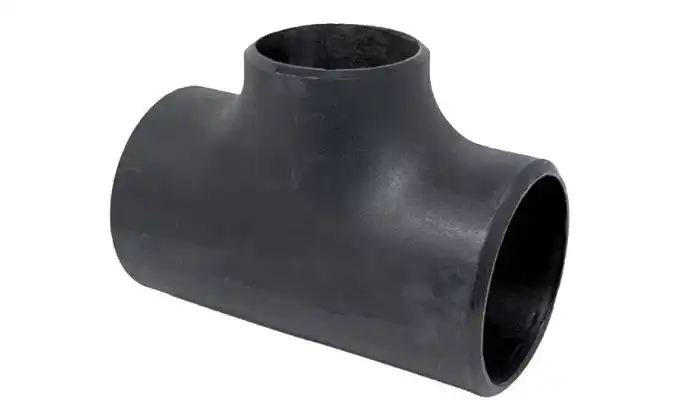
Understanding High Temperature Pipe Tees: Specifications and Key Features
What Defines a High Temperature Pipe Tee?
High-temperature T-shaped fittings are different from regular ones because they are made to solve important manufacturing problems. These special parts fix issues like creep, which is when metals permanently change shape when they are under long-term high-temperature stress, and thermal fatigue, which happens when they go through repeated rounds of expanding and contracting. These fittings are used as branch links in power plants that use supercritical steam or factories that work with flammable fuels. Temperatures can go above 850°C, and pressures can go above 250 bar.
Precision forging or casting methods and high-alloy materials are used in the making of these parts. The right oxidation protection and temperature stability can be found in Chrome-Molybdenum alloys like ASTM A234 WP91 and WP22, high-grade stainless steels like 310S and 347H, or nickel-based alloys like Inconel 625. These substances create protective oxide layers that stop scaling, a high-temperature oxidation process that weakens pipe walls over time and makes the system less safe.
Material Comparison and Performance Thresholds
Even though carbon steel parts are cheap, they lose their mechanical properties as soon as they reach 400°C. This means they can't be used in high-temperature situations. Stainless steel types don't rust as easily and can handle temperatures up to 600°C, which makes them good for chemical handling that involves mild temperatures. Alloy steel types that contain chromium and molybdenum have very high creep-rupture strength and excellent physical stability even at very high temperatures. This is why they are used so often in thermal power plants and petrochemical cracking units.
When used at high temperatures, precision in the dimensions is very important. To keep stress from building up in one place, ASME B16.9 rules say exactly how thick the wall should be where two branches meet. These requirements make sure that parts don't get microcracks or volumetric flaws that could cause them to fail catastrophically after thousands of heat cycles.
Compliance with International Standards
Manufacturing standards like ASME, ASTM, ANSI, JIS, DIN, and BS define the quality benchmarks that ensure global interoperability and safety. These standards specify chemical composition limits, mechanical property requirements, heat treatment procedures, and dimensional tolerances. Compliance verification through mill test reports and third-party inspection certificates provides OEM buyers with documented assurance that High Temperature Pipe Tee fittings will perform as specified in their critical applications.
How to Choose the Right High Temperature Pipe Tee for OEM Applications
Evaluating Operational Requirements
Before you can choose the right parts, you need to carefully look at how your system works. The range of temperatures, the pressure grade, the fluid makeup, and the number of times the temperature changes all affect the choice of material. When working with sulfur-containing gases, you need materials that don't sulfidate, and when working with carburising atmospheres in ethylene crushers, you need alloys that don't let carbon diffuse into the metal core.
Finding out if your system runs at peak temperature all the time or starts up and shuts down a lot can help you figure out how much fatigue resistance you need. When temperatures change quickly, like in boiler feed systems or process heaters with changing loads, thermal shock resistance is very important.
Material Selection Strategy
Depending on the needs of the product, stainless steel or chrome-moly metals may be the better choice. Grades of stainless steel like 316L are very good at resisting rust and work well in steam systems with temperatures up to 550°C. Chrome-moly types like P91 and P92 work great in ultra-high-temperature situations where creep resistance is very important. They keep their mechanical properties at temperatures close to 620°C, which means they last longer in service.
The type of connection you choose affects how hard the process is and how reliable it is in the long run. For fixed setups, butt-weld connections are the strongest and least likely to leak. On the other hand, flanged connections are more flexible for systems that need to be accessed for repair every so often. Socket-weld designs work well for smaller diameter jobs where access to welding is limited by lack of room.
Supplier Evaluation Criteria
Quality approvals are the basis of a supplier's trustworthiness. If a company has ISO 9001:2000 approval, it means they have put in place full quality control methods that cover all steps of production. Special permits for making equipment, like those needed by different national regulatory bodies, show that the provider is legally allowed to make pressure-bearing parts for important uses.
Evaluation of production potential goes beyond yearly tonnage numbers. Precision forging presses, heat treatment ovens with adjustable temperature profiles, and CNC machining centres are examples of advanced production equipment that can show how technically advanced a seller is. Inspection tools like Positive Material Identification (PMI) with X-ray fluorescence, Non-Destructive Testing (NDT) with X-ray or ultrasound methods, and hardness testing tools for checking heat treatment show a dedication to quality assurance.
Top High Temperature Pipe Tee Supplier Recommendations and OEM Buyer Considerations
Characteristics of Reliable OEM Suppliers
Dependable suppliers distinguish themselves through verifiable manufacturing credentials and transparent quality processes. Look for manufacturers who maintain full traceability from raw material procurement through finished product delivery. This includes documented heat treatment records, mill certificates showing chemical composition analysis, and dimensional inspection reports for each production batch.
Production scale matters when considering supply chain reliability for High Temperature Pipe Tee. A facility with 16,000-ton annual capacity, like established manufacturers in industrial zones with dedicated infrastructure, can handle large orders while maintaining consistent lead times. This production volume indicates the supplier has invested in substantial equipment and workforce training, reducing the risk of capacity-related delays or quality compromises from overextension.
Oudi's Manufacturing Excellence
Since 1998, Cangzhou Oudi Pipe Manufacture Co., Ltd. has been making high-performance pipe fittings for over 300 users in over 40 countries. Our 66,600-square-meter facility in Mengcun Hui Autonomous County is in a great spot—it's only 120 kilometres from Tianjin Airport and has direct highway access. It also has high-tech production equipment that was built to handle tough jobs in the oil, chemical, natural gas, and power generation industries.
At every step of the producing process, we stress accuracy. We strictly follow American, Japanese, German, and British standards when making parts out of carbon steel, stainless steel, and special metals that meet the ASME B16.9 size requirements and the ASTM material requirements. Our Special Equipment Manufacturing License and ISO 9001:2000 approval show that we are dedicated to providing high-quality systems that customers around the world rely on for important tasks.
What makes our business unique is that we can do all of our own tests. We do full checking processes on all of our parts before they leave our plant. These include PMI analysis to check the raw materials and radiography and ultrasonic testing to make sure the end product is good. This strict quality control includes checking the heat treatment by testing the hardness and dimensions at the points where branches meet, which is where stress buildup risks are largest.
Our expert team knows exactly what problems OEM buyers are having. Whether you need 310S steel fittings for petrochemical reformers or WP91 chrome-moly tees for supercritical boiler heads working at 600°C, we can help you choose the right material based on our decades of experience in the field. Because of the freedom of customisation, we can make fittings that meet specific needs without the long lead times that come with special orders.
Verifying Supplier Credibility
Your buying investment is safe when you do your due research. Ask for full sets of paperwork that include ISO qualifications, licenses to make special tools, and recent audit reports from a third party. Check the mill test results to make sure that the chemical make-up of the material matches your needs and that its mechanical features meet the needs of the design.
Customer references are a great way to find out how reliable a seller is. Talk to current clients in your business to find out how they felt about the quality of your products, how often they were delivered, and how quickly they were helped by expert support. Site visits, whether they are in person or online, show production skills and quality control methods that might not be clear from marketing materials.
Benefits of Strategic Supplier Partnerships
Long-term partnerships with reliable providers have benefits that go beyond single deals. When a customer is a "preferred customer," they usually get better payment terms, a special schedule for output, and early access to new products. Suppliers who care about your success offer practical technical advice that helps you choose the best materials and designs for connections for your unique needs.
As your product lines change, the ability to customise them becomes even more useful. Suppliers with flexible manufacturing systems can make changes to the design, make prototypes for testing, and then scale up to full production levels without having to go through different approval steps. This flexibility cuts down on the time it takes to get new equipment designs to market while keeping the quality level that your users need.
Procurement and Installation: Best Practices for OEM Buyers
Secure Online Procurement Strategies
Today's business-to-business buying uses digital channels and strict proof procedures. When analysing sources online, look at how professional the website is and how much detailed information it has. Legitimate makers don't use general marketing language when they give you thorough specs, material certificates, and application advice. These things show that they really know what they're talking about.
Ask for detailed prices that list the types of materials, their sizes, any testing that needs to be done, and the terms of delivery. If a supplier's prices are clear and take these factors into account, it means they understand your technical needs. Avoid quotes that are much lower than the market price because they usually mean that the quality of the materials has been lowered or that the testing procedures are not thorough enough, which can lead to long-term stability issues with High Temperature Pipe Tee.
Reviewing the paperwork is the first step in making sure that a product is real. Insist on mill certificates that show chemical analysis and mechanical testing results that are specific to the heat. Compare these papers to the details in your buy order to make sure that the materials can be tracked. Reliable sellers give you this paperwork ahead of time because they know that being open and honest builds the trust that you need for long-term relationships.
Managing Logistics and Inventory
Planning for lead time makes sure that the need for output and the cost of having things on hand are both met. If you buy something special, it might take 60 to 90 days, depending on when the materials are found and how long it takes to heat treat them. Standard items usually ship between 30 and 45 days. Sellers can better plan production when you set up blanket buy orders with planned releases. This way, you get the things you need without having to store too much of them.
Minimum order numbers let you know how much it costs to make something, especially with metals that need to be heated up on their own. Being aware of these boundaries will help you negotiate better terms. You can meet minimums and spread the cost of filling more widely if you plan purchases with other teams or combine needs from different projects.
You should think about how to keep something safe while it's being shipped when you package it up. To keep the smooth surfaces or threads from getting destroyed, high-value fittings need protective caps, to be stored safely, and to be handled with care. It's easier for customs to clear foreign goods when there are clear shipping papers like packing lists, business bills, and certificates of origin. This way, there aren't any costly delays at border crossings.
Installation Guidelines for Extended Service Life
Proper installation practices maximise the performance potential of high-temperature fittings. Welding procedures require qualification for the specific material grade, with preheat and interpass temperature control preventing hydrogen cracking in chrome-moly alloys. Welding procedure specifications (WPS) and procedure qualification records (PQR) document the parameters validated for your materials, ensuring consistent weld quality across your installation team.
Post-Weld Heat Treatment (PWHT) is mandatory for chrome-moly fittings to relieve residual stresses and restore material properties altered during welding. Temperature, hold time, and heating/cooling rates specified in ASME standards prevent stress corrosion cracking and brittle fracture that could occur if this step is omitted or improperly executed. Documentation of PWHT parameters provides quality records that satisfy regulatory inspections and insurance requirements.
System startup procedures should include gradual temperature ramping to allow thermal expansion without inducing excessive stress. Monitoring equipment at fitting locations during initial operation helps identify any installation issues before they progress to failures. Regular inspection protocols using visual examination, surface crack detection methods, and periodic ultrasonic thickness measurements detect degradation early, enabling proactive maintenance that prevents unplanned shutdowns.
Conclusion
Selecting the right high-temperature pipe tee supplier requires balancing technical specifications against supplier capabilities and business reliability. OEM buyers must evaluate material properties, dimensional accuracy, and testing protocols while assessing a manufacturer's production capacity, quality certifications, and track record serving demanding industrial applications. Established suppliers with comprehensive in-house testing capabilities, flexible customisation options, and proven export experience provide the reliability that critical systems demand. Strategic partnerships with manufacturers who understand your operational challenges deliver long-term value through consistent quality, responsive technical support, and supply chain stability that protects your production schedules and reputation.
FAQ
1. What temperature range can ASTM A234 WP91 fittings handle?
WP91 chrome-moly fittings are rated for continuous service up to 600°C (1112°F). Beyond this threshold, creep strength deteriorates significantly, compromising long-term structural integrity. Applications requiring higher temperatures typically specify WP92 or Nickel-based alloys.
2. Why is Post-Weld Heat Treatment critical for these components?
PWHT is mandatory for chrome-moly alloys to relieve residual stresses introduced during welding and restore the material's tempered martensitic microstructure. Without proper heat treatment, fittings become susceptible to stress corrosion cracking and brittle fracture, particularly in hydrogen-containing environments common in petrochemical applications.
3. How do I verify supplier compliance with international standards?
Request complete documentation including ISO 9001 certificates, special equipment manufacturing licenses, and mill test reports showing material chemistry and mechanical properties. Third-party inspection reports from recognised agencies provide independent validation. Site audits, whether conducted remotely or in-person, confirm that documented quality systems are actually implemented in production processes.
4. What delivery lead times should I expect for custom specifications?
Standard products typically ship within 30-45 days from order confirmation. Custom specifications requiring special material procurement or unique dimensions may extend lead times to 60-90 days. Communicating requirements early and maintaining ongoing dialogue with your supplier helps identify potential delays and adjust project schedules accordingly.
Partner with Oudi for Your High Temperature Pipe Tee Requirements
Our team at Cangzhou Oudi brings 26 years of specialised expertise to every High Temperature Pipe Tee we manufacture. We understand that your projects demand more than standard products—they require engineered solutions backed by proven quality systems and reliable delivery performance. Our comprehensive manufacturing capabilities, from material verification through final inspection, ensure every fitting meets the stringent requirements of petrochemical, power generation, and heavy industrial applications.
We invite OEM buyers seeking a dependable high-temperature pipe tee supplier to contact our technical team at oudi-04@oudiguandao.com. Whether you need assistance selecting the optimal material grade for specific operating conditions, require detailed technical specifications for your engineering review, or want to discuss bulk order terms with customisation options, our experts provide responsive support throughout your procurement process. Request your complimentary quote today and discover how our manufacturing excellence and customer-focused service can strengthen your supply chain reliability.
References
1. American Society of Mechanical Engineers. "ASME B16.9 - Factory-Made Wrought Buttwelding Fittings." 2018 Edition.
2. ASTM International. "ASTM A234/A234M - Standard Specification for Piping Fittings of Wrought Carbon Steel and Alloy Steel for Moderate and High Temperature Service." 2021.
3. Boyer, Howard E. "Atlas of Creep and Stress-Rupture Curves." ASM International, 1988.
4. Davis, Joseph R. "Stainless Steels: ASM Speciality Handbook." ASM International, 1994.
5. Viswanathan, R. "Damage Mechanisms and Life Assessment of High-Temperature Components." ASM International, 1989.
6. Wright, Iain G. "High-Temperature Corrosion of Engineering Alloys." Materials Science and Technology, Vol. 19, 2003.

Need help finding the right solution with our experts. Please contact us.

SINCE 1998 Your Reliable Pipeline Manufacturer



