How to Choose Certified Lap Joint Flange CS for Piping?
Choosing the right Lap Joint Flange CS for your piping system directly impacts project cost-efficiency, installation speed, and long-term maintenance requirements. A certified carbon steel lap joint flange combines structural integrity with rotational freedom, making it ideal for systems where frequent dismantling, material cost optimization, or challenging alignment scenarios are present. Procurement professionals should prioritize manufacturers holding ISO 9001 certification and special equipment manufacturing licenses while verifying compliance with ASME B16.5 or B16.47 standards to ensure product reliability across oil, chemical, natural gas, and water conservancy applications.
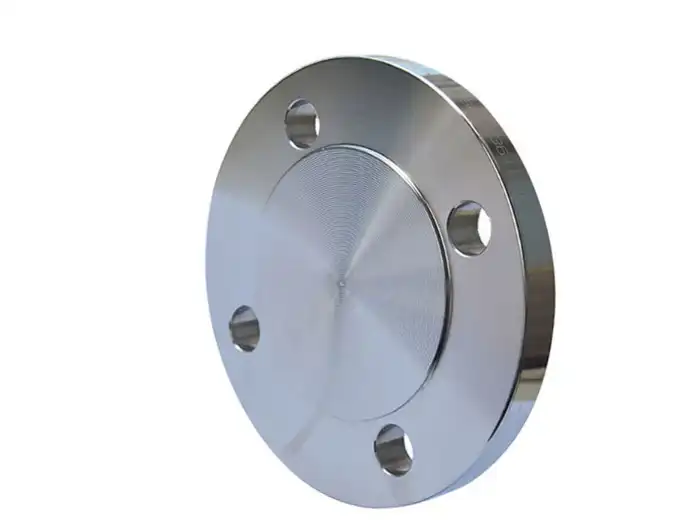
Key Factors to Consider When Choosing Certified Lap Joint Flange CS
Certification and Compliance Verification
Verifiable certifications show that a manufacturer follows international quality management standards. For example, ISO 9001:2000 certification shows that the supplier keeps quality under control from buying raw materials to the final inspection. To avoid fake paperwork, buyers should ask for copies of the certificates and check the registration numbers in databases maintained by accredited certification bodies.
In addition to quality systems, national regulatory authorities issue special equipment manufacturing licenses that prove a company can make pressure-bearing parts. At Oudi, we have both an ISO 9001 certification and a special equipment manufacturing license from the People's Republic of China. This means that every flange goes through strict material traceability and dimensional verification. Our factory uses full inspection protocols and nondestructive testing for critical components, and we send material test reports and inspection certificates with every shipment.
Pressure equipment directives like PED 2014/68/EU for European markets and API specifications for petrochemical applications need to be followed for each product. Manufacturers should provide mill test certificates (MTC 3.1 per EN 10204) that show records of chemical composition analysis, mechanical property testing, and heat treatment. This information is very important for project audits and insurance underwriting.
Mechanical Specifications and System Integration
When choosing the right pressure class, you need to carefully look at how the system works and make sure there are enough safety margins. Lap Joint Flange CSs can handle mechanical pressures up to 2500#, but their structure naturally has about 10% less fatigue resistance than weld neck flanges. Because of this, they are better for static or low-cycle applications rather than places with a lot of vibration, like reciprocating compressor piping.
One of the best things about the lap joint design is that the backing flange can rotate separately from the piping. This lets installers line up the bolt holes perfectly with mating equipment flanges without putting torsional stress on the pipe itself. This is especially helpful in installations with a lot of pipes where access is limited or when connecting to fixed equipment nozzles with bolt patterns that can't be changed.
When you change the temperature, you need to think about the gasket you choose and how well the bolts hold the load. Carbon steel has a thermal expansion coefficient of about 6.5 × 10⁻⁶ per °F, so the gasket materials need to work with that to keep the seal intact. Spiral wound gaskets with inner centering rings work well with the raised face profile created by the stub end's sealing surface, allowing for moderate thermal movements without leakage.
Supplier Credibility and Quality Assurance
It's not enough to just check a manufacturer's credentials; you also need to look at their production capacity and quality control infrastructure. Facilities that make more than 16,000 tons of metal a year show economies of scale and process maturity that smaller operations can't match. At Oudi, our 66,600-square-meter manufacturing complex has advanced forging equipment, heat treatment furnaces, and computerized machining centers that make sure that all of our production batches are the same size.
Our comprehensive testing laboratories are equipped with spectroscopy analyzers, universal testing machines, ultrasonic flaw detectors, and coordinate measuring machines. These machines allow us to check the chemical composition, mechanical properties, internal soundness, and dimensional accuracy of our products. Our quality control department does 100% visual inspection and random sampling for destructive and non-destructive testing, and inspection records are kept so that we can track our products.
After-sales support infrastructure is just as important as product quality. Suppliers who work with more than 300 customers in 40+ countries create responsive technical support systems and replacement part availability networks. We keep engineering staff on hand to help with application guidance, compatibility verification, and troubleshooting throughout the lifecycle of your project, lowering procurement risk and reducing downtime when problems arise.
Comparing Lap Joint Flange CS with Other Flange Types for Informed Decision-Making
Material and Cost Considerations
When it comes to cost-effectiveness, Lap Joint Flange CSs are a good choice. Compared to Type 304 stainless steel alternatives that are 3–4 times more expensive, carbon steel offers good corrosion resistance for many industrial fluids when installed correctly and with the right gasket materials. The feature of rotational freedom adds value by lowering the cost of labor needed to make alignment adjustments in the field, which could make up for the higher component cost compared to slip-on flanges.
The two-part design lets you use material optimization strategies that aren't possible with one-piece flanges. For example, in chemical processing systems that deal with concentrated sulfuric acid, operators often choose Hastelloy C276 stub ends to make sure they are chemically compatible while using standard ASTM A105 backing flanges for structural load transfer. This "duplicate metal" method saves 40–60% of the material used compared to solid Hastelloy flanges while still protecting against corrosion at the fluid interface.
Accessibility for maintenance should be taken into account in the lifecycle cost analysis. Lap joint assemblies make it possible to replace the stub end without affecting the backing flange's bolt connections, which speeds up the turnaround time during maintenance outages. This design benefit saves money in slurry service or wastewater treatment applications that need to clean access often by reducing downtime and labor needs.
Structural Performance and Application Suitability
The gradual change in thickness between the flange and pipe wall gives weld neck flanges better structural strength. This is why they are required for high-pressure steam systems or critical services that are loaded in a way that causes a lot of cyclic stress. Their fatigue resistance is about 10 times better than lap joint designs, which makes the higher cost worth it in situations where there is vibration, thermal cycling, or pressure changes. Lap Joint Flange CS units are better for static services or systems with occasional pressure changes rather than continuous dynamic conditions.
Slip-on flanges are easier to install and cost less than lap joint assemblies, but they don't offer the benefit of rotational alignment. Socket weld flanges work best with small-bore pipes where weld access is available and provide stronger pipe-to-flange joints than slip-on designs. Blind flanges are used for closures but don't have any functions that are similar to lap joint designs. Knowing these differences helps procurement professionals choose the right type of flange for each installation challenge and service condition.
Pressure rating limits require close attention. Lap joint flanges are made for all standard pressure classes, but how well they work in high-pressure situations depends on how well the stub end is designed and welded. The fillet weld on the stub end to the pipe can become weak under bending moments, especially for larger diameters. An engineering analysis should check that the stress levels stay within the limits set by the ASME B31.3 piping code or other relevant international standards.
Performance Metrics Across Industrial Applications
Real-world performance data shows that lap joint flanges are better in some situations. For example, refinery operators say that the rotational feature makes installation 30–40% faster in confined pipe rack areas, where alignment problems are avoided. Water treatment plants say that they have shorter maintenance windows when servicing slurry lines, since bolt removal and reassembly can be done in one-third the time it takes for welded flange connections.
Chemical plants that use the duplicate metal strategy save an average of 45% on material costs for corrosion-resistant piping systems while keeping the same service life as solid exotic flanges. However, these plants also know how important it is to make sure the stub ends are properly fabricated because weld flaws or bad heat treatment can damage the whole assembly, even if the backing flanges are good.
When used in cryogenic or high-heat environments, temperature limits become clear. Standard carbon steel Lap Joint Flange CS units become more brittle below -20°F without impact testing certification, and creep deformation issues arise above 800°F for long service periods. Stainless steel or alloy steel alternatives perform better at extreme temperatures, but they cost more and need to be justified through service life analysis.
Procurement Best Practices and Logistics for Lap Joint Flange CS
Sourcing from Certified Manufacturers
Instead of just looking at the paperwork that a vendor sends in, it's better to have a third-party inspection agency check out the factory and look at their manufacturing processes, quality control systems, and technical skills. These audits show important things like how they get their raw materials, how they heat-treat them, and how they make sure their inspection equipment is calibrated, which paper certificates can't.
Oudi's factory is constantly inspected, and customers can look at the records of those inspections. We only buy certified mill products with traceable heat numbers for our raw materials, which makes sure that the chemical composition is correct before production starts. This upstream control stops non-conforming material from getting into the supply chain, which stops expensive rejections and project delays.
Ask for references from customers in similar industries and service conditions about the manufacturer. Talking to procurement managers who have worked with potential suppliers for a long time can give you information about delivery reliability, technical responsiveness, and how well problems are solved that isn't in marketing materials. Being close to major ports also affects logistics reliability; we're only 120 kilometers from Tianjin Port, which makes exporting easier and lowers the risks of inland transportation.
Pricing Structures and Bulk Procurement
The price of a Lap Joint Flange CS depends on the cost of the raw materials, how hard it is to make, and what certifications are needed. The pressure class has a big effect on the price; Class 2500 flanges are 4–5 times more expensive than Class 150 equivalents because they need to be made with more precision and use more material. Quantity breaks usually start at 50 pieces, and depending on the size mix, volume discounts can reach 15-20% for container-load quantities over 500 pieces.
Bulk buying has benefits other than lower unit costs. For example, consolidated orders help manufacturers make the best use of their production schedules by cutting lead times from 6 to 8 weeks for small lots to 4-5 weeks for volume orders. However, it's important to weigh the benefits of savings against the costs of keeping inventory and the risk of obsolescence, especially for project-specific sizes that might not work in other situations. Setting up blanket purchase agreements with scheduled releases can help cut costs while reducing the risk of having too much inventory.
Currency fluctuation protection becomes relevant for international sourcing. Forward contracts or pricing agreements written in the buyer's currency transfer exchange rate risk to the supplier, but manufacturers usually charge an extra 2% to 3% for this service. On the other hand, buying big items during times when exchange rates are good can save you more than the discounts you negotiate, so procurement teams need to keep an eye on both the supplier pricing and the forex markets.
Lead Times and Supply Chain Risk Management
Standard-size Lap Joint Flange CS units (2" to 12" in Classes 150–600) are usually in stock and ready to ship right away from well-known manufacturers. However, for specialized sizes, higher pressure classes, or custom specifications, the manufacturing process takes an average of 5 to 7 weeks from the time the order is confirmed. This time includes getting the raw materials, forging, heat treatment, machining, and final inspection.
Supply chain problems like missing raw materials, slow transportation, or inspection bottlenecks can cause unexpected delays. Smart procurement includes setting aside 15-20% of the schedule for critical path components and finding qualified alternative suppliers for emergency sourcing. We keep a strategic inventory of common sizes and raw materials that allows for faster production for urgent needs, with cases of 3-week delivery for rush orders when customer needs justify premium processing.
Different countries have different customs clearance procedures and import rules, which can affect total delivery times. To avoid clearance delays, international shipments must include complete documentation packages that include commercial invoices, packing lists, material test certificates, and certificates of origin. Our export department knows the documentation needs for over 40 countries and makes sure that all the paperwork is prepared correctly so that customs processing goes smoothly and demurrage risks are kept to a minimum.
Advantages and Applications of Lap Joint Flange CS in Industrial Piping
Cost-Efficiency and Installation Benefits
The main cost savings happen in corrosive service applications where material optimization is used. Chemical processing plants that use hydrochloric acid, sulfuric acid, or caustic solutions choose corrosion-resistant stub ends made of Hastelloy, Monel, or titanium and support them with carbon steel flanges. This configuration lowers the cost of the parts by 40 to 60 percent compared to solid exotic metal flanges, but provides the same level of corrosion protection at the fluid interface.
Installation labor savings are big in piping systems with a lot of connections. The backing flange's ability to rotate independently gets rid of alignment problems that take hours of work in the field with rigid flange designs. Maintenance crews in refinery pipe racks report 30–40% faster installation rates when working in places where pipe rotation is physically impossible because of nearby equipment or structural limitations. These time savings directly lead to lower project costs and faster commissioning schedules.
One benefit that is often overlooked is lower pipeline stress. With traditional flanges, the whole pipe assembly has to be torqued to line up the bolt holes, which adds torsional stress that builds up across multiple connections. Lap joint designs get rid of this installation stress, which extends the fatigue life of the piping system and lowers the risk of stress-concentration failures at weld joints or equipment nozzles. This benefit is especially useful for long pipeline runs with multiple flange connections.
Industrial Applications Across Core Sectors
Lap Joint Flanges (CSs are used a lot in oil and gas operations in wellhead piping, gathering systems, and refinery process units that need to be accessed for maintenance. Slurry service pipelines benefit from being able to be quickly taken apart to clean up solids that have built up without having to cut welds or mess up upstream connections. Offshore platforms appreciate the lighter weight that comes from choosing the right materials while still keeping their structural integrity in marine corrosion environments.
Chemical plants use lap joint assemblies in reactor vessel piping, heat exchanger connections, and sampling systems where exotic stub end materials are needed because they are exposed to corrosive media. Being able to replace only the stub end component during turnarounds lowers maintenance costs and spare parts inventory needs compared to having to replace the whole flange. Pilot plants and batch processing operations like being able to change the layout of pipes by simply rotating the backing flanges to different orientations.
Large-diameter water transmission lines in water conservation projects like treatment plants, pumping stations, and irrigation systems use carbon steel Lap Joint Flange CS units. The rotational feature makes installation easier on fixed equipment flanges like pump casings and valve bodies where precise angular positioning is important. Wastewater applications benefit from easy disassembly for clearing blockages or inspecting pipe interiors without a lot of demolition work that stops facility operations.
Power plants use lap joint flanges in feedwater systems, condensate piping, and extra cooling circuits where ease of maintenance is more important than fatigue strength limits. Boiler manufacturers use these connections on pressure vessel nozzles and economizer inlets where the ability to adjust the angle during installation avoids weld distortion and alignment issues. Combined cycle plants like how cost-effective they are for non-critical piping systems that don't go through a lot of thermal cycling.
Long-Term Performance and Maintenance Advantages
Lifecycle cost analysis shows benefits that go beyond the initial cost savings. For example, replacing a stub end during planned outages costs about 40% less than replacing a whole flange assembly, because the backing flange stays in service forever if it is properly maintained. This means that fewer spare parts are needed, and it's easier to plan maintenance than for systems that need to keep a full flange stock for all pressure classes and sizes.
Corrosion resistance in atmospheric exposure depends on protective coating systems rather than the properties of the base material. For example, hot-dip galvanizing protects carbon steel flanges on the outside for 15 to 25 years in industrial settings, and epoxy or polyurethane coatings can be color-coded to make it easier to find piping systems. On the inside, surfaces that come into contact with process fluids depend on the material choice for the stub end and the compatibility of the gasket, rather than the backing flange's metallurgy. This lets engineers come up with the best ways to prevent corrosion.
When working in remote areas or during emergencies, being able to fix things in the field is very helpful. Broken stub ends can be replaced without messing up the backing flange's bolt connections or having to do hot work on pressurized piping next to it. This repair flexibility cuts down on downtime and contractor mobilization costs compared to welded flange designs that need to be completely cut, replaced, and re-welded, which may mean that the system has to be depressed across multiple units.
Conclusion
For long-term system reliability, choosing certified Lap Joint Flange CSs requires careful consideration of mechanical specifications, the authenticity of the certification, and the supplier's abilities. The unique two-piece design offers measurable benefits in corrosive environments by optimizing material costs and in installation scenarios where rotational alignment freedom reduces labor costs and pipeline stress. Procurement professionals should prioritize manufacturers holding verifiable ISO 9001 certification and special equipment licenses while confirming ASME B16.5 or B16.47 dimensional compliance through material test certificates and inspection documentation. Knowing application-specific performance limitations, especially when it comes to fatigue strength and pressure class suitability, helps them make decisions that balance initial investment against lifecycle operational costs in the oil, chemical, water conservation, and power generation industries.
FAQ
1. What Certifications Should I Verify Before Purchasing?
Make sure the company has the right ISO 9001:2000 quality management system certification and any necessary special equipment manufacturing licenses from a recognized regulatory body. Ask for material test certificates that meet EN 10204 Type 3.1 standards. These should show the chemical composition, mechanical properties, and heat treatment verification. For products, product-specific compliance includes ASME B16.5 or B16.47 dimensional conformance with pressure-temperature ratings proven through hydrostatic testing, if required.
2. Can Carbon Steel Lap Joint Flanges Handle High-Pressure Applications?
Standard ASTM A105 Lap Joint Flanges CSs are made for pressure classes from 150# to 2500#, but their structure only has about 10% of the fatigue strength of weld neck flanges. They work well for static or low-cycle pressure applications, but they need to be analyzed by an engineer for services that have heavy vibration, thermal cycling, or constant pressure changes to make sure that stress levels stay within the code-allowable limits.
3. How Do I Authenticate Supplier Quality Claims?
Ask for factory audit reports from third-party inspection agencies, call the customer references that were given to you directly, and check the supplier's certification registration numbers in databases maintained by accreditation bodies. Look over the supplier's quality manual to make sure they have the right inspection equipment and quality control procedures to meet your project's needs for measuring, testing, and non-destructive examination.
Partner with Oudi for Certified Carbon Steel Lap Joint Flange Solutions
Oudi has manufactured precision-engineered pipe fittings since 1998, serving over 300 customers across 40+ countries with ISO 9001-certified quality management and special equipment manufacturing credentials. Our 66,600-square-meter facility produces 16,000 tons annually of ASME-compliant Lap Joint Flange CSs in carbon steel, stainless steel, and alloy materials, backed by complete inspection capabilities including spectroscopy, ultrasonic testing, and dimensional verification. As a trusted Lap Joint Flange CS supplier, we provide material test certificates, factory inspection reports, and technical support throughout your project lifecycle. Contact our engineering team at oudi-04@oudiguandao.com to discuss your specific application requirements, request detailed product specifications, or obtain competitive quotations for your upcoming piping projects. Our proximity to Tianjin Port ensures reliable export logistics, while our established global service network delivers responsive support across Europe, the Americas, Africa, Southeast Asia, and the Middle East.
References
1. American Society of Mechanical Engineers. ASME B16.5: Pipe Flanges and Flanged Fittings NPS 1/2 Through NPS 24 Metric/Inch Standard. ASME International, 2020.
2. American Society of Mechanical Engineers. ASME B16.47: Large Diameter Steel Flanges NPS 26 Through NPS 60 Metric/Inch Standard. ASME International, 2021.
3. ASTM International. ASTM A105/A105M: Standard Specification for Carbon Steel Forgings for Piping Applications. ASTM International, 2019.
4. American Society of Mechanical Engineers. ASME B31.3: Process Piping - Design, Materials, Fabrication, Examination, Testing, and Inspection. ASME International, 2022.
5. European Committee for Standardization. EN 10204: Metallic Products - Types of Inspection Documents. CEN, 2004.
6. American Petroleum Institute. API 6A: Wellhead and Tree Equipment Specification. API Publishing Services, 2018.

Need help finding the right solution with our experts. Please contact us.

SINCE 1998 Your Reliable Pipeline Manufacturer



