What is the future development trend of carbon steel elbows?
The way carbon steel elbows will be made in the future is changing quickly because of new technologies in metallurgy, ecology, and digital production. Modern carbon steel elbow stock has more and more alloys that make it more resistant to rust and able to handle higher temperatures. Automated, precise forming and additive manufacturing are becoming more popular ways to make things. These methods can make complex shapes and better standards for dimensions. Smart inventory management systems and the Internet of Things (IoT) are changing the way procurement teams handle supply lines. At the same time, environmental laws are pushing manufacturers to use more eco-friendly production methods and materials that can be recycled.
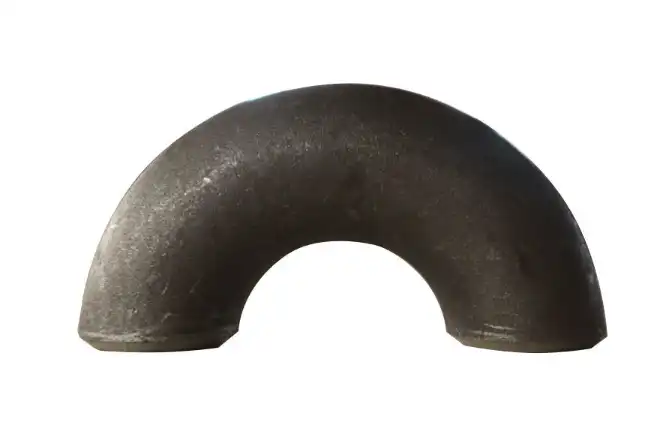
Current Limitations of Carbon Steel Elbows and Emerging Drivers for Change
Carbon steel elbows have been the foundation of industrial pipe systems for many years, but they have some major flaws that keep people coming up with new ideas. Traditional carbon steel is naturally prone to rusting, especially in places like oil factories and water treatment plants where chemicals are harsh. Temperature and pressure limits make it hard to use them in high-performance systems. Also, differences in material grades between seamless and bonded building methods can make it harder to get accurate measurements and keep the system working for a long time.
Corrosion Challenges and Material Inconsistencies
The oil and chemical companies say that normal carbon steel elbows need to be replaced often because they break down because of corrosion. Seamless elbows are usually stronger than welded ones, but they cost more to make. These important differences make it hard for buyers to meet performance standards while staying within their budgets.
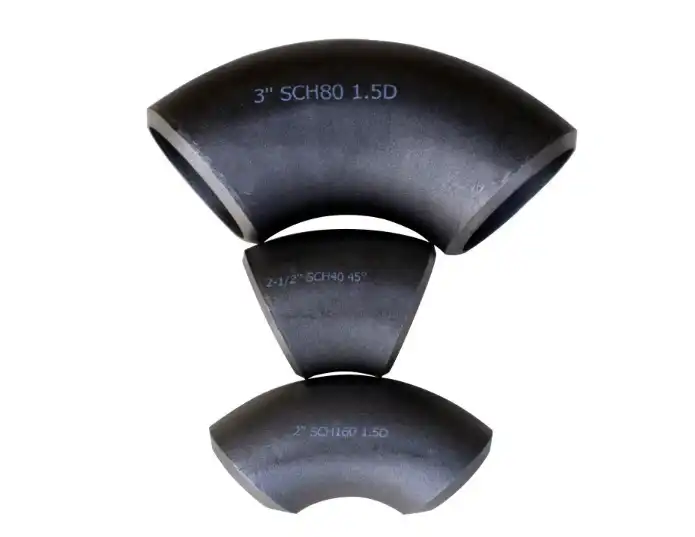
Market Demands Driving Innovation
Several important reasons are changing the carbon steel elbow scene. More and more, industrial sites need parts that can handle higher temperatures and pressures, especially in natural gas processing and petrochemical uses. Environmental sustainability promises are pushing companies to use better ways to make things and make them easier to recycle. Advanced metallurgy study is still coming up with better types of carbon steel that are still cost-effective and have better performance qualities. Global legal standards, such as ANSI, JIS, DIN, and BS specs, keep raising the bar for quality. Because these standards are always changing, companies have to spend money on high-tech quality control systems and precise manufacturing tools. Procurement teams have to look at both how well providers are following the rules now and how well they can adapt to changes in the rules in the future.
Technological Innovations Shaping the Future of Carbon Steel Elbows
How carbon steel elbows are created, made, and sold is changing a lot because of huge steps forward in technology. The creation of hybrid alloy grades is a big step forward in the study of materials. They combine the low cost of regular carbon steel with better rust protection that is close to that of more expensive options.
Advanced Manufacturing Techniques
Manufacturing processes are changing from using hot forging to using precise automatic systems. Computer-controlled forming tools make it possible to have tighter limits on dimensions and better accuracy, which lowers the quality differences that have been a problem in the past. For certain uses, additive manufacturing is becoming more popular, which makes it possible to make unique shapes that weren't possible with traditional methods. More and more, modern carbon steel elbow stock uses advanced heat treatment methods that improve the structure of the grains and the material's tensile qualities. These new ideas make parts that are more resistant to fatigue and last longer, which is especially useful in high-cycle uses like power generation and naval systems.
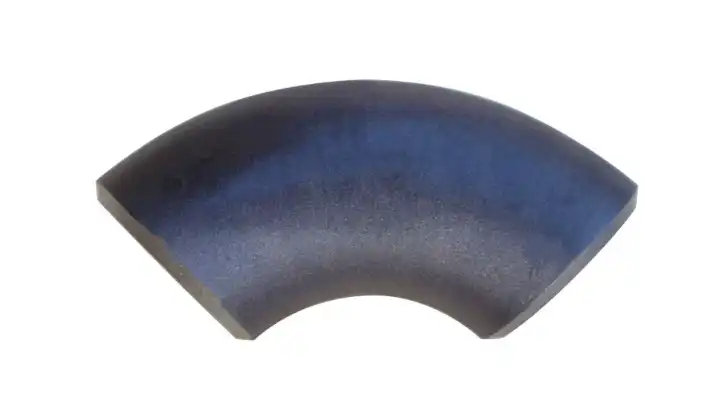
Digital Integration and Industry 4.0
More and more, digitalization is being used to make and distribute carbon steel elbows. IoT-enabled inventory management tools let you see stock amounts and production plans in real time, which makes supply chain management more responsive. Predictive analytics helps makers improve the planning and quality control processes for production. Buyers also benefit from more reliable deliveries and lower buying risks. Industry 4.0 is also used for quality control, where advanced imaging and measurement technologies are used in automatic checking systems to make sure that the dimensions and quality of the surface are always the same. These systems make a lot of paperwork that helps meet the needs for tracking in important applications.
Impact of Carbon Steel Elbow Evolution on Procurement Strategies
Because carbon steel elbow technology is changing, so are the ways that things are bought. Traditional ways of buying things that only compare prices need to include looking at long-term value promises like service life, upkeep costs, and performance reliability.
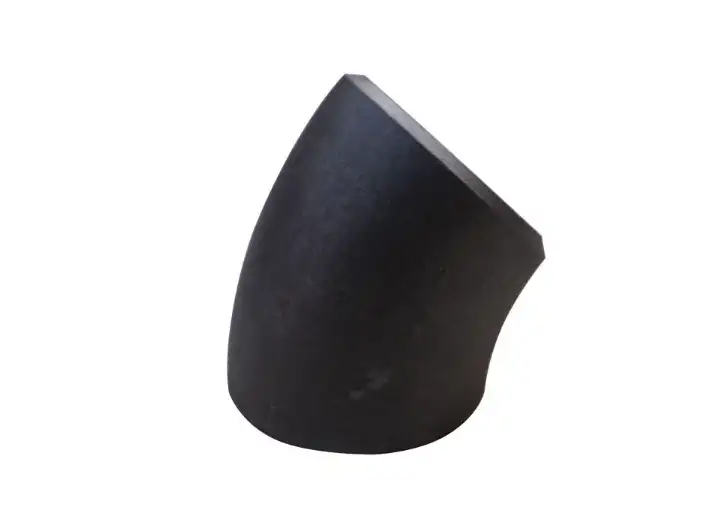
Material Selection Considerations
Procurement teams compare carbon steel options to stainless steel and alloy steel choices; they have to make decisions that are more difficult. Even though carbon steel is still cheaper, types that are better at resisting rust have made the performance gap much smaller. When it comes to pressure and temperature ranges, the choice between seamless and bonded construction makes a difference. Seamless options are usually better for high-pressure uses that need to be very reliable.
Quality Verification Protocols
For buying strategies to work, they need to include thorough quality control processes. Dimensional checking methods should make sure that measurements are within the allowed ranges, and weld integrity testing makes sure that welded parts are structurally sound. As more and more types of enhanced carbon steel with different performance features hit the market, corrosion resistance testing becomes more and more important. Modern carbon steel elbow stock needs to be backed up by material certifications, such as mill test records and proof that the stock meets the requirements of important international standards. Setting clear acceptance standards that take into account both short-term application needs and long-term performance goals is helpful for procurement teams.
Supply Chain Risk Management
As technology changes, it brings both chances and dangers to supply chain management. Suppliers who spend more on modern manufacturing may be able to offer better goods, but they may need larger minimum orders. The pros and cons of cutting-edge technology must be weighed against the need for supply chain freedom and cost.
Strategic Supplier Relationships and Market Trends
Strategic ties with suppliers are very important for buying things in the changing market for carbon steel elbows. Because modern production needs are so complicated, choosing a provider is becoming more and more important, and things other than price are becoming the most important things to think about.
Supplier Evaluation Criteria
A full evaluation of a supplier must look at their ability to make things, their quality control methods, and their ability to adapt to new technologies. ISO 9001 certification is a basic condition, while licenses to make specific tools show that the company can handle important tasks. Suppliers who have high-tech tools for production and inspection show that they care about quality and are ready for the future. Market trends show an increasing preference for suppliers offering comprehensive product ranges across carbon steel, stainless steel, and alloy steel options. This consolidation reduces procurement complexity while providing access to technical expertise across multiple material categories. Annual production capacity becomes a critical factor, with reliable suppliers typically maintaining substantial output capabilities to ensure delivery consistency.
Emerging Procurement Models
Digital platforms that make pricing, specs, and shipping schedules clear are becoming more and more popular around the world. Online buying systems make it easy to compare prices from different sellers and keep accurate records for legal reasons. But making deals to buy in bulk and negotiating minimum order quantities are still necessary to get the best prices. As business uses become more specialized, the ability to make custom orders is becoming more and more important. In addition to standard carbon steel elbow stock, suppliers who offer technical help and custom design services add value. Project management needs are met in complex industrial setups by streamlined delivery operations, such as consolidated shipping and flexible scheduling.
Future Outlook and Strategic Recommendations for B2B Buyers
The carbon steel elbow market is about to go through a big change that will be caused by discoveries in materials science, concerns about the environment, and the use of technology. When procurement teams know about these trends, they can make choices that will help the business succeed in the long run.
Sustainability and Environmental Impact
Sustainability in terms of the environment will become a more important factor in judging both sellers and goods. The ideas behind the circular economy are increasing the need for materials that can be recycled and industrial methods that use less energy. Suppliers who show they care about the environment by using approved management systems and sustainable practices will have an edge over their competitors. When choosing a material, thinking about its carbon impact may play a role. For example, higher carbon steel grades may be better for the environment over their whole lifetime than options that need more energy-intensive production methods. Instead of just focusing on direct performance qualities, procurement teams should come up with evaluation systems that look at the whole environmental effect.
Strategic Procurement Recommendations
Instead of carbon steel elbow stock to meet current needs, procurement teams should take the initiative and plan for how technology will change in the future. Regularly keeping an eye on materials science study and new ways of making things helps find ways to make things work better and cost less. By building relationships with providers that show they can be innovative and adaptable when it comes to technology, you can get access to new solutions as they come out. As the number of product choices grows and the specs get more complicated, it becomes more valuable to hire staff with scientific knowledge for quality control and assessment. Training programs that teach the basics of metals, quality assurance, and supply chain management help people choose better suppliers and products.
Creating relationships with makers that have been in the business for a long time, like those that have been around for decades, gives you access to technical knowledge and reliability that has been proven. Companies that have been around since 1998 and have a lot of foreign experience can help you understand the needs of different applications and how to follow the rules in different markets.
Conclusion
The future of carbon steel elbows is similar to the future of industrial production as a whole, which is focused on improving performance, being environmentally friendly, and integrating technology. Enhanced steel keeps making things more resistant to rust and better at their jobs, all while keeping the costs low. Precision and customization that were previously impossible are now possible thanks to advanced manufacturing methods, and digital systems make quality control and managing the supply chain easier than ever. Long-term value propositions, such as environmental effect and technology adaptability, need to be taken into account in procurement plans. Carbon steel elbow stock inventory management benefits from predictive analytics and IoT integration, improving delivery reliability and reducing procurement risks. For businesses to be successful, they need to have strategic partnerships with their suppliers that focus on creativity, quality, and compliance rather than just price.
FAQ
What advantages do next-generation carbon steel elbows offer over traditional variants?
Next-generation carbon steel elbows use modern metallurgy that makes them much more resistant to rust while keeping the cost-effectiveness. Better heat treatment methods improve the structure of the grains, which makes the material more resistant to wear and lasts longer. Precision manufacturing methods allow for tighter tolerances in dimensions and better accuracy, which makes installation easier and makes sure that big installs all work the same way.
How do seamless and welded carbon steel elbows differ in operational contexts?
Seamless carbon steel elbows usually have better strength and pressure ratings because they are made of a single piece of material and don't have any weld gaps. In places where there are big changes in pressure, they work better in high-pressure situations. Welded elbows are still a good value for mild pressure uses, and they have benefits when the diameter gets too big for seamless production to be practical. Your choice will rely on your unique pressure needs, the temperature, and your budget.
What certifications should buyers request from suppliers to guarantee quality and compliance?
Some important certificates are ISO 9001:2000 quality management system certification and licenses from the right regulatory bodies to make special tools. Certifications for materials should include mill test papers that confirm the materials' chemical makeup and mechanical qualities. Documentation that meets international standards for ANSI, JIS, DIN, and BS specs makes sure that everything works together everywhere. For important uses, buyers should also ask for third-party inspection reports and measurement proof certificates.
Partner with Oudi for Advanced Carbon Steel Elbow Solutions
Oudi has been making things for more than 25 years and can provide high-quality carbon steel elbow options for tough industrial uses. Our large carbon steel elbow stock includes both seamless and welded choices in a range of sizes and specifications. All of them are made under ISO 9001:2000 certification and a special equipment license. With the ability to handle 16,000 tons per year and high-tech testing tools, we make sure that our over 300 buyers in 40 countries always get the right products delivered on time. Email our technology team at oudi-04@oudiguandao.com to talk about your unique needs and get advice on how to handle your next project.
References
1. American Society of Mechanical Engineers. "Advances in Carbon Steel Metallurgy for High-Performance Piping Applications." ASME Materials Engineering Conference Proceedings, 2023.
2. International Organization for Standardization. "Quality Management Systems in Pipe Fitting Manufacturing: Global Compliance Trends." ISO Technical Report Series, 2024.
3. Peterson, R.K. and Chen, L. "Corrosion Resistance Enhancement in Modern Carbon Steel Alloys: A Comparative Analysis." Journal of Materials Science and Engineering, Vol. 45, 2023.
4. World Steel Association. "Sustainable Manufacturing Practices in Steel Pipe Fitting Production: Industry Best Practices Guide." WSA Publications, 2024.
5. Thompson, M.J. "Digital Transformation in Industrial Supply Chain Management: Case Studies from the Pipe Fitting Industry." Industrial Engineering Quarterly, Vol. 38, No. 2, 2023.
6. European Committee for Standardization. "Future Trends in Pipeline Component Standards: Regulatory Evolution and Market Impact." CEN Technical Standards Review, 2024.

Need help finding the right solution with our experts. Please contact us.

SINCE 1998 Your Reliable Pipeline Manufacturer



