How to Choose the Best CS Concentric Reducer Supplier
Choosing the best CS Concentric Reducer supplier demands careful evaluation of technical capabilities, quality certifications, and production capacity. A reliable partner should demonstrate ISO 9001 compliance, maintain advanced inspection equipment, offer comprehensive material specifications across carbon steel grades, and possess proven export experience to global markets. The right CS concentric reducer supplier balances cost-effectiveness with consistent quality control—from raw material procurement through final delivery—while supporting your project timelines with adequate inventory and responsive technical support.
Understanding CS Concentric Reducers: Key Features & Applications
What Makes CS Concentric Reducers Essential in Industrial Piping
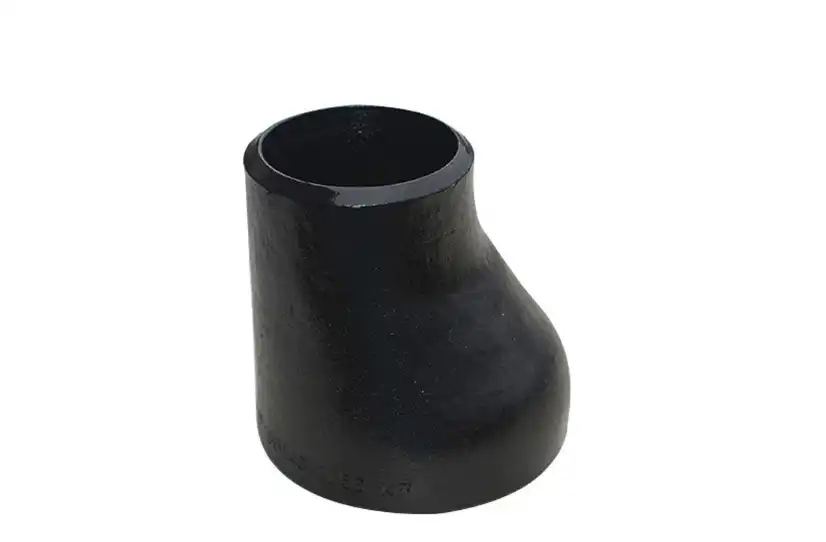
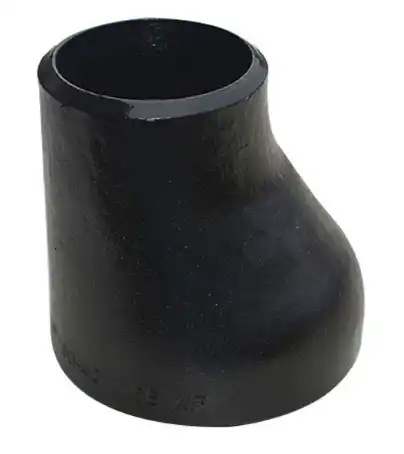
A CS Concentric Reducer is a cone-shaped pipe fitting that joins pipes of different diameters while keeping them straight along a center plane. This balanced design makes it easy for fluid to move from bigger to smaller sizes. This keeps the system's turbulence and pressure loss to a minimum. The shape is especially useful in vertical pipe layouts where keeping the flow stable is very important. Eccentric reducers move the centerlines away from each other to stop air pockets from forming. CS Concentric Reducers, on the other hand, focus on even force distribution and flow patterns.
Materials used in the construction are usually carbon steel that meets the requirements of ASTM A234 WPB. However, stainless steel and alloy steel versions are available for specific uses. Wall thickness is based on standard pipe schedules, with Schedule 40 and Schedule 80 being the most popular. Pressure ratings are based on the grade of the material and the thickness, rather than set class ratings. According to ASME B16.25 guidelines, standard bevel angles of 37.5° ± 2.5° and 1/16" root faces make it easier to weld correctly.
Primary Applications Across Industrial Sectors
In oil and gas operations, these CS Concentric Reducers are used a lot in vertical pump discharge lines because symmetrical flow keeps the pipes from vibrating and makes sure that the forces on the supports are balanced. They are also used in power plants' high-pressure steam distribution systems because the uniform reduction angle stops the erosion and corrosion that would happen with asymmetrical fittings at high speeds.
Chemical processing plants use these fittings in reactor feed lines and column installations where laminar flow profiles must not be disturbed. The concentric geometry makes sure that changes in diameter don't slow down reactions or cause suspended solids to settle in vertical slurry transport systems. Water conservation projects, shipbuilding operations, and boiler manufacturing can also benefit from their reliable performance. The smooth internal surface reduces friction losses, and the buttweld connection method makes joints that are leak-proof and can withstand harsh operating conditions.
Material Selection and Pressure Ratings
Carbon steel grades are used to make CS Concentric Reducers because they have a good strength-to-cost ratio and have been shown to work well at a range of temperatures. Normalizing and other heat treatment processes smooth out the grain structure and keep the hardness below 197 HB for carbon steel types, which makes them easy to weld and tough. Stainless steel types are used in corrosive environments where chemical resistance is more important than cost.
Pressure ratings are based on seamless pipes of the same material and schedule thickness. Unlike flanged fittings, which have set class ratings (150#, 300#), buttweld reducers can handle internal pressures that match the connected piping system. This makes them suitable for supercritical applications where pressures are much higher than standard flange ratings. ASME B16.9 dimensions make it possible for manufacturers to interchange them, with face-to-face lengths based on the larger pipe diameter to ensure consistent installation methods.
Defining Your Procurement Needs and Decision Criteria
Assessing Order Volume and Customization Requirements
Buying strategies are very different for large orders for big construction projects versus smaller orders for routine upkeep. Longer lead times are common for large purchases, but economies of scale allow for better prices. Projects that need thousands of tons of materials every year benefit from suppliers with a lot of production capacity—factories that make 16,000 tons of materials every year can keep a steady supply without any bottlenecks.
Customization needs to add more complexity. Standard sizes work for most uses, but special projects might need non-standard sizes, unusual materials, or specific bore configurations. Suppliers who can counterbore internal diameters to match connecting pipe schedules stop steps that cause turbulence at weld joints. This customization is necessary when joining pipes with different schedules, but it takes longer to make and costs more.
Quality Certifications and Testing Protocols
Checking that a supplier has ISO 9001 certification and special equipment manufacturing licenses is the first step in quality assurance. Suppliers should keep written procedures that cover everything from checking the raw materials to doing the final inspection. Advanced detection equipment allows for thorough testing that meets all of a client's needs, including checking the chemical composition, the size, and the mechanical properties.
For important uses, nondestructive testing is necessary. Ultrasonic inspection, radiographic examination, and magnetic particle testing can find flaws inside that can't be seen from the outside. Suppliers who care about quality use full inspection systems instead of sampling protocols to make sure that every part meets the tolerances that were set. Material traceability through heat numbers lets you keep track of things from mill certificates to installation, making the whole supply chain accountable.
Cost Analysis Beyond Unit Pricing
Comparing unit prices doesn't give you a full picture of a product's costs. The total cost of ownership includes the initial purchase price, long-term maintenance costs, and the number of times it needs to be replaced. Premium materials cost more up front, but they last longer in harsh or high-temperature environments, which lowers their lifecycle costs. Carbon steel types are best for standard uses where cost-effectiveness is important, while stainless steel's corrosion resistance means it doesn't need to be replaced as often.
Transportation costs affect international sourcing decisions. Suppliers near major ports offer lower freight costs and easier logistics for large shipments. However, proximity alone shouldn't be the deciding factor; quality and dependability should come before small shipping savings. Payment terms, warranty coverage, and technical support availability all add to overall value propositions that go beyond just price comparisons.
Supplier Evaluation: How to Screen and Compare CS Concentric Reducer Vendors
Manufacturing Capabilities and Production Technology
The level of sophistication of the production equipment is the first thing that should be looked at when judging the manufacturing capabilities. For example, advanced forming machinery ensures accurate measurements across a wide range of sizes, and automated welding systems provide consistent bead quality. Suppliers who invest in modern equipment show a commitment to quality and efficiency, which leads to reliable products. Production capacity is also important; facilities that can handle 16,000 tons of goods annually keep inventory levels high so that orders can be filled quickly without sacrificing quality through rushed production.
Factory audits show operational realities that specifications alone can't show. Walking through production floors shows how strict quality control is, how materials are handled, and how skilled the workers are. Seeing how heat treatments are done, inspection stations, and how materials are stored gives confidence that written procedures are followed every day. Suppliers who welcome facility visits show openness that builds trust, while those who avoid scrutiny raise questions about what their actual capabilities are compared to their marketing claims.
Certification Verification and Compliance Standards
Real certifications need more than just looking at the certificates. For example, ISO 9001 certification should include registration numbers that can be checked through databases maintained by the issuing body. Special equipment manufacturing licenses show that the person making the parts is following the rules when it comes to making pressure-containing parts. Verifying certifications' validity by checking their expiration dates and scope of coverage makes sure that the certifications are still valid and can be used on purchased products.
Conformity with international standards like ANSI, ASME B16.9, JIS, DIN, and BS determines a product's suitability for global markets. Suppliers with multiple standard certifications can meet the needs of different projects without having to do custom engineering. Material certifications must be able to trace back to known mills with documented chemical compositions and mechanical properties. This documentation is very important during project audits and regulatory inspections where material provenance verification is required.
Comparing Concentric Versus Eccentric Reducer Applications
Knowing when CS Concentric Reducers are better for a job than eccentric ones helps with the right specification. Concentric designs keep the centerline straight, which makes them perfect for vertical installations where gravity acts evenly. The symmetrical cone shape spreads stress evenly, which prevents weak spots that could break under pressure cycles.
To keep the tops and bottoms of horizontal lines flat, eccentric reducers move the centerlines outward. This stops air pockets from forming, which is especially important on the pump suction sides where cavitation can damage the line. Using CS Concentric Reducers in horizontal pump suction applications creates air traps that cause operational problems. On the other hand, vertical pump discharge lines benefit from concentric geometry that keeps flow symmetrical and reduces vibration. Matching the right reducer to the right application stops performance problems and increases system longevity.
Service Offerings and the Dependability of the Supply Chain
Lead time commitments affect both project scheduling and inventory planning. Suppliers that keep common sizes in stock can deliver quickly, but custom configurations take longer to make, which extends the time it takes to fulfill orders. Minimum order quantities (MOQs) affect procurement flexibility; high MOQs make it more expensive to keep inventory, while flexible MOQs allow for different project sizes.
Support after the sale is what sets great suppliers apart from average ones. Technical help during installation, troubleshooting advice, and quick responses to warranty claims show that the supplier cares about the customer. Suppliers who provide material certificates, test reports, and dimensional inspection documentation make project documentation easier. Suppliers who offer emergency expediting for critical situations are valuable partners when unexpected shutdowns require quick component replacement.
Market Insights: Top Brands and Trusted Suppliers in the CS Concentric Reducer Industry
Identifying Reputable Manufacturers
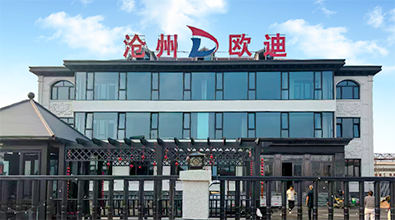
Companies that have been around since the late 1990s have been able to stay in business through market changes and changing standards. These companies have also improved their processes and gained knowledge that newer companies don't have. Cangzhou Oudi Pipe Manufacture Co., Ltd., which was founded in 1998 and has been serving the petroleum, chemical, natural gas, and water conservancy sectors for over 20 years, is a great example of this experience. Their wide range of products, which includes carbon steel, stainless steel, and alloy steel pipe fittings, shows that they are technically flexible and can work with different materials.
A company's reputation can be checked by looking at things like customer reviews and repeat business. Suppliers that serve more than 300 customers in over 40 countries have shown they can handle different needs and the complexities of international trade. Their ability to reach demanding markets in places like Europe, North and South America, Africa, Southeast Asia, and the Middle East shows they can meet different quality standards and regulatory environments.
Geographic Sourcing Considerations
When companies decide to source goods from other countries, they have to weigh the benefits of lower costs against the difficulties of logistics and communication. Companies that are already in industrial zones benefit from supply chain ecosystems that provide them with raw materials, component suppliers, and skilled workers. For example, the Mengcun Hui Autonomous County region in China has become a specialized pipe fitting manufacturing cluster, which gives it infrastructure advantages and lower costs through economies of scale.
Being close to major ports cuts down on shipping times and freight costs for international orders. Facilities 120 kilometers from Tianjin Airport and near major highways make it easy to send containers to destinations around the world. This makes it possible to keep to delivery schedules that are important for meeting project deadlines. However, quality, certification compliance, and technical support capabilities must be weighed against location when deciding on a partnership.
Technology Adoption and Innovation
Leading suppliers buy advanced production and inspection tools that make products more consistent and increase their capabilities. For example, automated forming tools make dimensions more accurate than manual methods, which makes installation easier and cuts down on problems with fitting and welding. Computer-controlled heat treatment systems deliver precise temperature profiles that keep material properties the same throughout production runs.
Adopting inspection technology shows a commitment to quality. Suppliers who use ultrasonic thickness gages, spectrometers for material verification, and coordinate measuring machines for dimensional analysis show a commitment to meeting exact specifications. Those who keep their own testing laboratories avoid delays caused by third parties and give quick quality feedback during production, catching deviations before they affect large batches.
Case Studies in Strategic Supplier Partnerships
A petrochemical expansion project in the Middle East needed 2,000 tons of different pipe fittings that met ASME standards and had to be delivered quickly. The chosen supplier had an annual capacity of 16,000 tons and an existing inventory that allowed deliveries to be phased to fit construction schedules. Their ISO 9001 certification also met the quality requirements of the project. This partnership reduced procurement risk by ensuring reliable supply and thorough documentation to support regulatory approvals.
A power generation project in Europe needed specialized high-pressure reducers for steam systems that worked at more than 250 bar. The supplier's technical knowledge in choosing materials and heat treatment processes made parts that met strict mechanical property requirements. Ongoing technical support during installation and post-startup optimization showed that the partnership was valuable beyond just delivering products and led to operational success.
Final Steps: How to Make the Best Purchase Decision for CS Concentric Reducers
Aligning Supplier Capabilities With Project Requirements
Misalignment problems can be avoided by matching the strengths of the supplier to the needs of the project. For example, large construction projects that need thousands of parts benefit from high-capacity manufacturers keeping large inventories and well-established logistics networks. Smaller maintenance operations may value flexible minimum order quantities and quick response times over bulk pricing advantages.
The level of technical difficulty should match the expertise of the supplier. Most qualified manufacturers can handle standard applications using common sizes and materials, but those that use exotic materials, extreme pressure ratings, or unusual dimensions will need specialized skills. Looking at a supplier's project portfolio can help you find out if they have experience with similar applications, which lowers technical risk. Suppliers who can show that they have successfully completed similar projects can help you avoid common mistakes.
Contract Negotiations and Documentation Requirements
Specifications, quality standards, delivery dates, and acceptance criteria should all be spelled out clearly in contracts that work. Material grades, dimensional tolerances, testing requirements, and marking specifications should not be based on general standard references. Delivery terms using Incoterms make it clear who is responsible for what and how much it costs.
The specification of documentation needs to be made clear from the start. Material test reports, dimensional inspection records, heat treatment certificates, and compliance declarations all help with project quality assurance and regulatory submissions. Suppliers should promise to include full documentation packages with every shipment, so that delays aren't caused by missing paperwork. Warranty terms that cover manufacturing defects and performance guarantees protect against failures that weren't expected, but reasonable limits should be included to make sure that the product is installed and used correctly.
Building Long-Term Supplier Relationships
Strategic partnerships create benefits for both parties that go beyond individual transactions. For example, suppliers can better plan production and keep inventory levels high to support fast fulfillment when you place regular orders. Long-term relationships build trust, which makes it easier to work together to solve problems when unexpected problems arise—suppliers who know your operations and standards will respond better than vendors who are new to you.
Communication channels should include technical, commercial, and logistical tasks. Quick access to engineering support answers questions about specifications, and clear updates on the status of orders allow for proactive schedule management. Regular business reviews look at performance metrics, find ways to improve, and make sure that future capabilities match changing needs. These practices turn relationships with vendors into partnerships that drive competitive advantages through supply chain excellence.
Future-Proofing Procurement Strategies
Anticipating future needs stops reactive procurement, which raises costs and risks delays. Projects that are going through expansion phases need suppliers who can increase production volumes without lowering quality. Setting up framework agreements with agreed-upon prices and terms lets you place orders quickly as needs arise, avoiding delays in the procurement cycle.
Keeping an eye on industry trends helps with making strategic decisions. For example, changing environmental laws might favor suppliers with eco-friendly production methods and smaller carbon footprints. New materials and technologies offer better performance, which is reason enough to evaluate them. Keeping up with market changes through supplier consultations and industry publications puts procurement teams in a good position to use innovations that give them a competitive edge.
Conclusion
To find the best CS Concentric Reducer supplier, you need to weigh their technical skills, quality certifications, production capacity, and potential for a long-term partnership. Skilled procurement professionals check the supplier's manufacturing knowledge, make sure they have the right compliance documentation, compare their service offerings, and look at their long-term partnership prospects. The ideal supplier has an ISO 9001 quality management system, a lot of production capacity, a wide range of materials, and experience exporting to tough global markets. Building strategic relationships with reliable partners ensures consistent quality, quick support, and supply chain resilience that go beyond individual transactions and give you long-lasting competitive advantages.
FAQ
1. When Should I Choose a Concentric Reducer Over an Eccentric One?
Choose CS Concentric Reducers for vertical pipe runs because the symmetrical cone shape evenly distributes forces on support structures and keeps the flow stable. On the other hand, choose eccentric reducers for horizontal installations, especially pump suction lines, because keeping the top flat stops air pockets from forming that cause cavitation. The application orientation is the main factor that determines which reducer type is best for your system.
2. How Are Pressure Ratings Determined for Buttweld Concentric Reducers?
Butt-weld fittings don't have fixed pressure class ratings like flanged parts do. They can handle the same amount of pressure as seamless pipe made of the same material grade and wall thickness schedule. For example, a Schedule 40 carbon steel reducer can handle the same amount of internal pressure as a Schedule 40 carbon steel pipe with the same diameter. Because of this, buttweld reducers can be used in situations with extreme pressure that go beyond standard flange ratings.
3. Can Different Schedule Pipes Connect Through Standard Reducers?
When you connect pipes with different schedules, you need to prepare the internal bore to match the inner diameter of the pipe downstream. If you don't do this, a step forms at the joint, which can cause turbulence and corrosion. Suppliers that offer bore-to-match services taper the smaller end internally, which gets rid of the step and makes the flow smooth. This customization costs more and takes longer, but it's necessary for the system to work right when you join pipes with different schedules.
4. What Heat Treatment Is Required for Carbon Steel Reducers?
Normalizing heat treatment is usually done on carbon steel reducers that were formed at high temperatures or through cold forming. This process smooths out the grain structure, makes the material tougher, and keeps the hardness below 197 HB, which is what ASTM A234 standards require. The right heat treatment makes sure that the material can be welded and has the mechanical properties that meet design requirements. Suppliers should provide heat treatment certificates that show the temperature cycles and material properties that were achieved for quality verification.
Partner With Oudi for Reliable CS Concentric Reducer Supply
Cangzhou Oudi Pipe Manufacture Co., Ltd. has been making carbon steel, stainless steel, and alloy steel pipe fittings to exacting international standards for over 25 years. Our 16,000-ton annual production capacity, ISO 9001 certification, and special equipment manufacturing licenses ensure consistent quality across American, Japanese, German, and British specifications. We keep up-to-date inspection equipment that does full testing from verifying the raw materials to final delivery, supporting your most demanding applications in the oil, chemical, natural gas, and water conservation sectors. Our global network of 300+ customers in over 40 countries shows that we can be trusted in international business. Contact our team at oudi-04@oudiguandao.com to talk about your CS Concentric Reducer needs with an experienced supplier who is committed to the success of your project.
References
1. American Society of Mechanical Engineers. (2020). ASME B16.9: Factory-Made Wrought Butt-Welding Fittings. New York: ASME Press.
2. American Society of Mechanical Engineers. (2017). ASME B16.25: Buttwelding Ends. New York: ASME Press.
3. ASTM International. (2019). ASTM A234/A234M: Standard Specification for Piping Fittings of Wrought Carbon Steel and Alloy Steel for Moderate and High Temperature Service. West Coshohocken: ASTM International.
4. Nayyar, M. L. (2018). Piping Handbook, Eighth Edition. New York: McGraw-Hill Education.
5. Singh, R. K. & Solanki, V. S. (2016). Industrial Piping and Equipment Estimation Manual. Cambridge: Gulf Professional Publishing.
6. Ellenberger, J. P. (2014). Piping and Pipeline Calculations Manual: Construction, Design, Fabrication, and Examination. Oxford: Butterworth-Heinemann.

Need help finding the right solution with our experts. Please contact us.
SINCE 1998 Your Reliable Pipeline Manufacturer