How to Choose the Best High Temperature Pipe Tee Supplier?
Selecting the right high-temperature pipe tee supplier demands careful evaluation of manufacturing credentials, material expertise, and proven delivery performance. The ideal supplier combines ISO-certified quality systems with deep metallurgical knowledge—particularly in Chrome-Molybdenum and high-grade stainless steel alloys—while maintaining consistent production capacity and global logistics capabilities. Procurement teams should prioritize suppliers demonstrating rigorous non-destructive testing protocols, comprehensive material traceability, and established export experience across petrochemical, power generation, and refinery sectors where thermal reliability directly impacts operational safety and cost efficiency.
Understanding High Temperature Pipe Tees: Key Features and Specifications
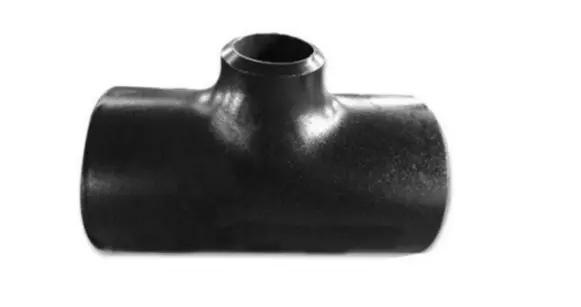
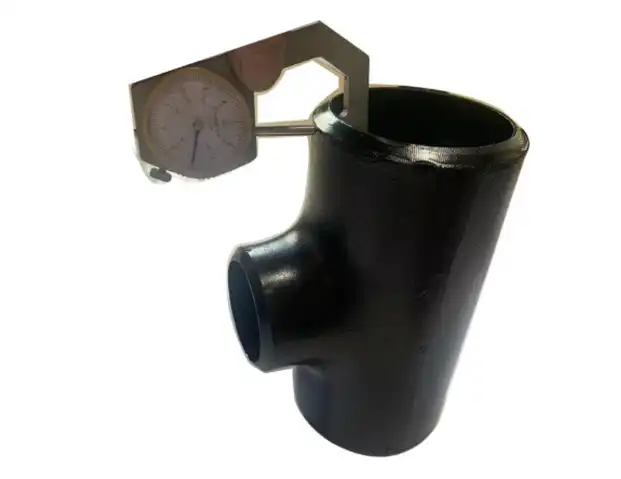
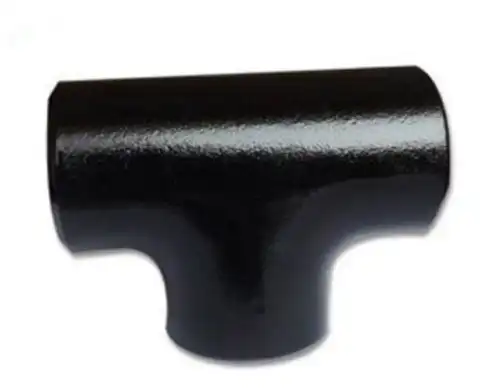
A High Temperature Pipe Tee is a T-shaped pipe fitting that is made to make it easier to connect fluid branches in pipe systems that are heated to 400°C to 1100°C. Unlike regular fittings, these specialised parts deal with important issues like creep, which is lasting deformation under long-term thermal stress, and thermal fatigue from repeated rounds of expansion and contraction. Standard carbon steel quickly loses its mechanical integrity at these high temperatures, so high-alloy materials are needed to keep structures safe.
Material Composition and Metallurgical Requirements
The way High Temperature Pipe Tees work depends on what metals are used to make them. Chrome-molybdenum alloys like ASTM A234 WP91 and WP22 have great creep-rupture strength, and high-grade stainless steels like 310S and 347H are very good at resisting oxidation. Nickel-based metals, like Inconel 625, work very well in places where there is a lot of heat and harmful material. These materials create protective oxide layers that stop scaling, which is high-temperature oxidation that weakens system stability by making pipe walls thinner over time. Chemical resistance to scale and high yield strength-to-weight ratios make sure that parts will be safe for a long time, even when they are working at very high temperatures.
Manufacturing Standards and Dimensional Tolerances
ASME B16.9 dimensional standards say that all good High Temperature Pipe Tees must have the right wall thickness at stress points like the branch crossing. For mild high-temperature branch connections, seamless tees work well, but cast versions have better grain structure for high-pressure headers in supercritical situations. This difference is important because forged parts can handle sudden changes in pressure better, which lowers the chance of a catastrophic failure in thermal power plants or petrochemical crackers. Verification of dimensions during production stops the buildup of localised stress that could cause cracks to spread when heat loads are applied and removed repeatedly.
Industrial Applications and Operating Parameters
High-temperature pipe tees are essential in many business-to-business settings. These fittings carry very hot steam from boilers to turbines in supercritical thermal power plants. They can handle pressures of more than 250 bar at 600°C. They are used in ethylene cracking furnaces and hydrocracking units at petrochemical plants, where volatile hydrocarbons hit 850°C and need to be very resistant to carburisation. Heavy industrial furnaces and aerospace exhaust pipes need tees that don't crack when heated by fast gas flow and high-speed thermal shocks. For each use, there are specific pressure and temperature ratings that buyers must make sure match the exact conditions of use.
Core Criteria for Selecting the Best Supplier
There is a lot more to picking a trusted High Temperature Pipe Tee provider than just looking at price lists. To make sure that multi-year projects run smoothly, procurement professionals have to look at quality management systems, production capabilities, and the resilience of the supply chain.
Certification Verification and Quality Assurance Protocols
Quality management starts with ISO 9001:2000 approval, but for certain High Temperature Pipe Tees, you need more qualifications. Suppliers should have licenses to make special equipment that show they follow the rules for pressure vessels. It's important to be able to track down materials, so every batch should come with mill test results that list the chemicals used and the materials' mechanical qualities. At Oudi, we keep very detailed records from the time we buy the raw materials to the time we check the finished goods. This makes sure that everything is clear for auditing reasons. Positive Material Identification using XRF or OES analysis confirms that the alloy's chemistry matches the requirements, and hardness testing confirms that the right heat treatment was carried out. This is especially important for P91 and P92 grades that need precise martensitic structures.
Production Capacity and Technical Skills
The annual production capacity of a supplier shows how well they can handle big orders without lowering the quality. Our factory makes 16,000 tonnes of steel every year, which gives EPC companies and industrial distributors the steady amount they need for projects with more than one part. Better production tools have a direct effect on the quality of the products they make. Forging presses, CNC machining centers, and automated welding systems of today can make tolerances that are smaller than those that can be made by hand. Radiographic Testing (RT) and Ultrasonic Testing (UT) are examples of non-destructive testing methods that can find problems inside a product that can't be seen with the naked eye. These NDT methods find volumetric flaws in the crotch area of tees, which is usually where failures start because it is the area with the most stress. Suppliers who don't have full NDT facilities can't promise that structures will stay strong when temperatures change a lot.
Global Export Experience and Logistics Reliability
If a supplier has exported to demanding markets like North America and Europe before, it means they know how to meet international standards like ANSI, ASTM, DIN, and BS requirements. Over 300 customers in 40 countries buy our products, which shows that we can handle complicated certification requirements and customs protocols. When planning a job, lead time accuracy is very important. A supplier with well-established logistics networks and well-placed inventory can quickly meet urgent needs. We are only 120 kilometres from Tianjin Port, which makes it easy to load containers quickly and offer reasonable shipping rates to the U.S. Gulf Coast and East Coast locations, which means that American buyers will pay less overall.
Comparative Analysis: Evaluating Suppliers by Key Performance Metrics
To compare suppliers effectively, you need to look at more than one aspect of their success at the same time. Long-term value is affected by the type of High Temperature Pipe Tee material used, the pressure rating, and the total cost of ownership.
Material Selection and Corrosion Resistance
Stainless steel tees don't rust very easily, but they don't have much creep strength above 600°C. There are cheaper types of carbon steel that can be used in situations with temperatures below 400°C. This is where speciality metals like WP91 come in. They keep their mechanical qualities at temperatures between those of stainless steel and carbon steel, where stainless steel weakens and carbon steel oxidises quickly. The choice has a big effect on repair plans. Chromium-rich alloys create steady oxide layers that slow down breakdown, making them last years longer than materials that aren't alloyed. Our knowledge in choosing materials helps buyers find the best mix between the cost of the original investment and the cost over the product's lifetime. We have a wide selection of carbon steel, stainless steel, and alloy steel, so you can compare their performance side-by-side based on the specifics of your application.
Analysis of Ratings for Pressure and Temperature
Different rating methods are used by different vendors, which makes direct comparison difficult. Some give the highest working pressure that is allowed at room temperature, while others give de-rating rates for higher temperatures. To understand technical data sheets, you need to know how yield strength and creep resistance decrease as temperature rises. ASTM A234 WP91 is usually rated for continued service up to 600°C, but after that, it loses a lot of its creep resistance. Buyers need to make sure that the ratings given by the supplier are in line with well-known standards such as the ASME B31.3 process piping code. Our engineering team gives clear pressure-temperature charts for all material grades, which removes any doubts during the specification-making process.
Total Cost of Ownership Considerations
The sticker price is only one part of the total cost. Unit costs go down when you buy more, but there are hidden costs like shipping, import duties, and keeping inventory on hand. Long-term costs are affected by after-sales support, such as technical help, warranty coverage, and the availability of replacement parts. When problems come up out of the blue, suppliers who offer full repair services keep downtime costs to a minimum. Our ISO-certified quality system backs up our multi-year warranties, which gives procurement teams peace of mind about the accuracy of their budgets. Our expert support lasts for the whole lifetime of a component, helping with things like installation, qualification of welding procedures, and failure analysis when needed.
How to Assess Supplier Credibility and Market Reputation
Credibility assessment is a mix of objective checks and emotional evaluations of character. Both of these factors give you important information about how reliable a High Temperature Pipe Tee seller is.
Customer Feedback and Case Study Review
Genuine customer reviews show how things really work, which isn't shown on specification sheets. Real-life success under tough conditions is shown by testimonials from petrochemical plants, power plants, and refinery managers. Case studies that show how projects were finished successfully in harsh conditions are solid proof of ability. Chemical plants in Southeast Asia, remote sites in the Middle East, and thermal power plants all over North America are among the places where we have installations. These references show that we can meet a wide range of technical needs and work within different legal systems. Buyers should ask for references from companies that have worked on similar projects in the past and then call those companies to confirm what they say about delivery performance and technical responsiveness.
Certification Verification and OEM Approval
Industrial supply lines are plagued by fake certifications, which makes independent proof necessary. Buyers should use registrar databases to make sure that an ISO certificate is still valid and check special equipment licenses with the authorities that issued them. Having OEM authorisation or official dealer standing ensures that you can get real materials that have been heat-treated correctly. We have certificates from widely recognised organisations that can be checked, and customers can always look at the paperwork to see for themselves. Since 1998, our dedication to quality control has earned us trust in 40 export markets, making Oudi a well-known brand of high-performance pipe fittings.
Geographical Reach and Help in the Area
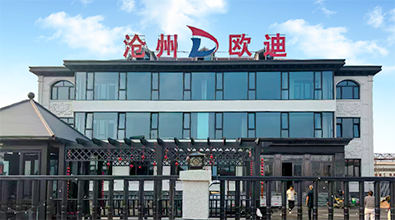
Suppliers who have a long history of doing business near major industry hubs can respond more quickly to urgent needs and offer hands-on expert support. Our factories are in Cangzhou, which is known as the "pipe fitting manufacturing center" of China. We ship our products all over Europe, the Americas, Africa, Southeast Asia, and the Middle East. With this global reach, we can easily arrange orders, keep regional stock on hand when needed, and communicate with American buyers in a way that works with their time zone. It's important to have local help during installation and testing, when problems need to be solved quickly to avoid costly delays.
Finalizing Your Purchase Decision and Building Long-Term Supplier Relationships
Procurement that works well goes beyond single deals and turns into strategic relationships that make the High Temperature Pipe Tee supply chain more resilient.
Aligning Supplier Capabilities With Project Requirements
Different projects need suppliers with different levels of strength. Large-scale EPC contracts need output schedules that can be changed and a lot of capability. During the design part of custom fabrication jobs, engineers need to work together. When there is an emergency with maintenance, things need to be made quickly and with little delay. Instead of trying to find one supplier that can handle all of your needs, divide potential suppliers into groups based on these dimensions of capability. Our 66,600-square-meter building can handle both regular catalogue items and special orders, meeting the needs of a wide range of clients. Making bends, flanges, tees, reducers, caps, and other fittings all under one roof makes it easier to coordinate large sets of pipes.
Contract Negotiation and Service Level Agreements
Good contracts protect both sides by making it clear what is expected of them. Service level agreements should include acceptance standards, inspection methods, supply schedules, and ways to fix problems if they happen. When product markets are unstable, price adjustment methods that are linked to raw material indexes keep things stable. We work together with procurement teams to make deals that balance practical flexibility with the ability to predict costs. Our experience with more than 300 customers has helped us improve our contract forms so that they cover common issues while also meeting the needs of each individual project. Clear communication during negotiations is the key to building long-lasting partnerships.
Post-Purchase Collaboration and Continuous Improvement
After the contract is signed, the supplier relationship really starts. Regular performance reviews find ways to improve and deal with new problems before they get worse. Technical help during installation stops wrong treatment that breaks guarantees or causes products to fail before they should. Post-Weld Heat Treatment advice is especially important for Chrome-Moly tees because the right PWHT relieves residual stresses and stops stress corrosion cracking. As part of our ongoing dialogue with customers, we collect feedback from the field that helps us develop new products and make quality improvements. This cycle of continuous growth makes both our products and our customers' businesses stronger, providing long-term value for both parties.
Conclusion
To find the best High Temperature Pipe Tee provider, you need to weigh factors like technical know-how, quality control, output capacity, and the dependability of the supply chain. What kinds of materials they use, how well they follow certification rules, how well they can make things, and how much experience they have with global logistics all affect how well they can meet strict industrial requirements. Our company, Oudi, has been making things for more than 25 years, has quality systems that are ISO-certified, can make 16,000 tonnes of goods a year, and has a history of exporting to more than 40 countries. We provide the dependability that petrochemical, power production, and refining operations need by focusing on strict quality control, which includes non-destructive testing of raw materials and a wide range of products made from carbon steel, stainless steel, and alloys. Strategic relationships with suppliers based on openness, technical cooperation, and constant improvement will eventually make operations run more smoothly and projects succeed.
FAQ
1. What is the maximum temperature limit for ASTM A234 WP91 pipe tees?
Most WP91 grade valves can handle constant use up to 1112°F (600°C). When the temperature goes above this point, the creep strength drops a lot, which makes it more likely that the material will permanently deform under long-term pressure. For uses above 600°C, you need to use different metals, like WP92, or nickel-based materials that have better mechanical qualities at high temperatures. These specialized High Temperature Pipe Tees are designed specifically for these conditions.
2. Why is Post-Weld Heat Treatment mandatory for Chrome-Moly tees?
PWHT reduces the stresses that were put on the metal during welding, which stops stress corrosion cracking and brittle fracture. In areas that are heated, chrome-molybdenum alloys form hard martensitic structures that need to be controlled to make them flexible again. If you skip PWHT, your welds could fail early when the temperature changes, especially in applications that need to keep pressure in.
3. Can high-temperature pipe tees be used in cryogenic applications?
High-temperature alloys are the best at withstanding heat, but they often break when temperatures drop below zero. For services below -50°C, you need special low-temperature metals, like austenitic stainless steels like 304L or LCC (low carbon chromium), that stay tough even when they're very cold. When choosing materials, they need to be compatible with the temperature range they will be used in. For example, tees made for 600°C will fail at -100°C.
4. How does scaling affect long-term pipe tee performance?
Scaling happens when metal surfaces are oxidised at high temperatures, leaving behind brittle oxide layers. Progressive scaling makes the walls of pipes thinner, which lowers their ability to hold pressure and creates stress concentrations where cracks can start. Chromium-rich alloys stop scaling by creating solid, clinging oxide layers that keep the metal below from oxidising even more. This makes parts last a lot longer in high-temperature settings.
Partner With Oudi for Reliable High Temperature Pipe Tee Solutions
Oudi is ready to meet your needs for High Temperature Pipe Tees. They have a history of producing high-quality products and can ship them all over the world. Our factory is ISO 9001-certified and makes 16,000 tonnes of pipe fittings every year out of carbon steel, stainless steel, alloy steel, and steel that meets ANSI, DIN, JIS, and BS standards. We offer reasonable pricing and reliable shipping to North America, and we serve more than 300 customers around the world in the petrochemical, power generation, and refinery industries. Our strict quality control measures include full material tracking and non-destructive testing. We've been making High Temperature Pipe Tees since 1998, and we offer full technical support for choosing the right product, installing it, and running it for a long time. Please email our team at oudi-04@oudiguandao.com right away for detailed specifications, project-specific quotes, and expert advice on how to make the most of your high-temperature piping systems with parts that are designed to be safe, last a long time, and work well.
References
1. American Society of Mechanical Engineers (2020). ASME B16.9: Factory-Made Wrought Buttwelding Fittings. New York: ASME Press.
2. Davis, J.R. (2006). Corrosion of Weldments. Materials Park, OH: ASM International.
3. Viswanathan, R. (1989). Damage Mechanisms and Life Assessment of High-Temperature Components. Materials Park, OH: ASM International.
4. American Society for Testing and Materials (2021). ASTM A234/A234M: Standard Specification for Piping Fittings of Wrought Carbon Steel and Alloy Steel for Moderate and High Temperature Service. West Conshohocken, PA: ASTM International.
5. Bhadeshia, H.K.D.H. (2016). Steels for High Temperature Applications. London: Maney Publishing.
6. Khanna, A.S. (2004). High Temperature Oxidation and Corrosion. Materials Park, OH: ASM International.

Need help finding the right solution with our experts. Please contact us.
SINCE 1998 Your Reliable Pipeline Manufacturer