Steel Concentric Pipe Reducer for Oil & Gas Applications
Steel concentric pipe reducers serve as critical transition components in oil and gas piping systems, enabling seamless diameter changes while maintaining centered alignment of flow paths. These cone-shaped fittings connect larger to smaller pipe diameters along a common centerline, minimizing turbulence and pressure drop in vertical and symmetrical installations. Manufactured to stringent standards like ASME B16.9 and available in carbon steel, stainless steel, and alloy steel variants, these reducers address demanding requirements for corrosion resistance, high-pressure tolerance, and structural integrity in upstream exploration, midstream transportation, and downstream refining operations across the petroleum industry.
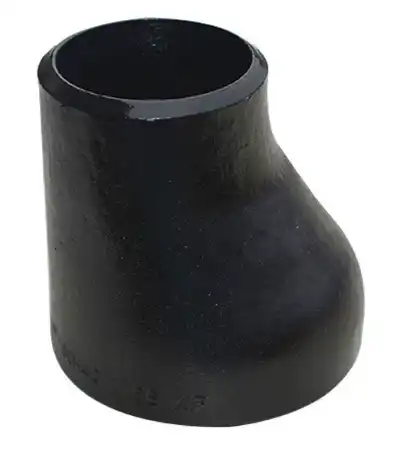
Understanding Steel Concentric Pipe Reducers in Oil & Gas
The idea behind Steel Concentric Pipe Reducers comes from years of engineering progress in the fields of fluid dynamics and materials science. When compared to eccentric reducers, which move the centerlines apart to stop air pockets from forming in horizontal runs, Steel Concentric Pipe Reducers keep the axial symmetry perfect. Because of this geometric feature, they are necessary in vertical pump discharge systems, tower plumbing, and any other situation where keeping the pipe centerline aligned is important for controlling thermal expansion or distributing structural load.
Material Composition and Standards Compliance
At Oudi, we make sure that our manufacturing process follows internationally accepted guidelines for material composition and mechanical properties. For general service uses, carbon steel grades like ASTM A234 WPB are most common. These types are easy to weld and don't cost much for pressures up to 2500 PSI. When corrosive hydrocarbon streams or sour gas environments come into play, you need stainless steel types that meet ASTM A403 WP304 or WP316L standards. These steels have chromium-nickel content that stops sulphide stress cracking and chloride pitting.
Some types of alloy steel, like ASTM A234 WP11 and WP22, can handle service conditions with temperatures above 650°F, which are typical in catalytic cracker units and delayed coking processes. These chromium-molybdenum alloys keep their tensile and creep resistance even when heated and cooled many times, which would cause regular carbon steel to break down too soon. At our plant, we use XRF spectroscopy to make sure that the elemental makeup of each material grade matches the mill test reports. This eliminates the chance of material mix-ups that could damage the stability of the system.
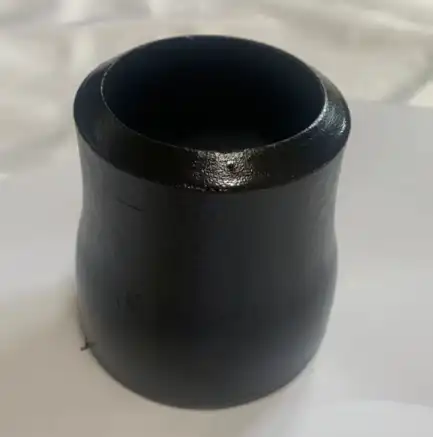
Dimensional Specifications and Pressure Ratings
ASME B16.9 sets the size tolerances for buttwelding fittings that are made in a factory. It does this by standardising face-to-face lengths based on the larger pipe diameter. A Steel Concentric Pipe Reducer that goes from an 8-inch nominal pipe size to a 4-inch nominal pipe size keeps the same height and angle factors, no matter who makes it. This makes it possible for products to be interchangeable across global supply lines. Schedule numbers are used to describe wall thickness: SCH 40, SCH 80, XS (extra strong), and XXS (double extra strong). Walls that are bigger can handle higher internal forces and external loads.
A Steel Concentric Pipe Reducer's pressure-temperature rating is based on three things: the working temperature, the grade of the base material, and the plan for wall thickness. At room temperature, a SCH 80 carbon steel WPB reducer can handle about 3000 PSI. As the temperature rises toward 750°F, however, this rating gradually drops. Pipeline builders need to look at the ASME B31.3 Process Piping Code tables to figure out the right allowed stress values. These values should take into account corrosion limits and mechanical loads caused by pipe weight, insulation, and changes in fluid motion.
Concentric Versus Eccentric Design Selection
The choice between Steel Concentric Pipe Reducers and eccentric reducers depends on how the pipe is oriented and the properties of the fluid. Steel Concentric Pipe Reducers work best in vertical setups because gravity keeps vapour from building up at the head of the reducer. Their regular taper spreads hoop stress evenly around the circle, making the structure stronger when pressure is applied and removed. This is better than eccentric designs with uneven stress concentrations.
Eccentric reducers are used in horizontal pump pressure lines where keeping a flat bottom (BOP configuration) or flat top (TOP configuration) stops air pockets or sediment buildup that can cause cavitation. When a Steel Concentric Pipe Reducer is used incorrectly in horizontal suction service, it creates a high point where dissolved gases can separate from the liquid phase. This can damage the pump through vapour lock and impeller erosion. Knowing these differences in operations helps keep production sites from having to make expensive changes to the field or shut down without warning.
How to Select the Right Steel Concentric Pipe Reducer
To choose the right Steel Concentric Pipe Reducer specifications, you need to carefully look at how the system works and what you expect its long-term performance to be. When buying things, people in charge of procurement have to weigh the initial cost of each part against its lifetime costs, such as installation labour, upkeep regularity, and the risk of having to replace the part after 20 to 30 years, which is the normal design range for oil and gas infrastructure investments.
Pressure and Temperature Compatibility Assessment
Operating pressure is the constant force inside the Steel Concentric Pipe Reducer that it must hold without giving way or breaking. A safety margin above the normal operating pressure is usually built into the design pressure to account for surges, thermal expansion, and control valve slam situations. For example, an 800 PSI crude oil gathering system might need parts that are designed for 1440 PSI (Class 300 flange equivalent) to meet ASME safety standards.
Temperature has a big effect on the qualities of materials. For example, high temperatures lower the yield strength of carbon and low-alloy steels and encourage them to creep bend. For natural gas processing plants that deal with streams at 650°F, alloy Steel Concentric Pipe Reducers that contain chromium and molybdenum are needed. Standard carbon steel grades can be used for pipes in crude holding tanks that are kept at room temperature. Concerns about brittle fracture arise in cold service below -20°F. This calls for impact-tested materials like ASTM A420 WPL6 that have proven Charpy V-notch toughness at the design minimum temperature.
Fluid Characteristics and Corrosion Resistance
More than anything else, the chemical makeup of the fluids being moved determines the choice of material. When you use sweet crude oil with little sulphur and little water cut, it can cause corrosion in carbon steel, but it can be controlled by adding the right amount of corrosion allowance when you calculate the wall thickness. Sour gas with more than 50 parts per million of hydrogen sulphide needs materials or coatings that are resistant to sulphide stress cracking, which can happen suddenly and cause a catastrophic failure.
Produced water with a lot of salt and dissolved oxygen attacks stainless steel through pitting and crevice corrosion. This is why super duplex stainless or nickel-based metals are sometimes needed, even though they are more expensive. At Oudi, our metallurgical team helps clients choose the right materials. They do this by using their knowledge from more than 300 sites in 40 countries to suggest solutions that have worked in similar service situations. This way of working together stops people from over-specifying, which drives up costs needlessly, and from under-specifying, which causes things to fail too soon.
Supplier Qualification and Quality Verification
When a company gets ISO 9001 approval, it means that they have written quality management systems that cover things like design control, process validation, and traceability. Our building got this certification in 2003 and keeps it up to date with yearly surveillance checks that show we always follow quality standards. In addition to being registered with ISO, we also have the People's Republic of China Special Equipment Manufacturing License for pressure vessel components. This shows that the government trusts our technical skills and safety record.
Each shipment of a Steel Concentric Pipe Reducer comes with quality documentation that includes material test reports that confirm the chemical composition and mechanical properties, dimensional inspection reports that confirm the reducer fits the specifications in the drawing, and records of non-destructive examinations from ultrasound or radiographic testing. This set of paperwork helps clients meet their own quality control needs and gives authorities legal proof that they followed the rules for inspections.
Installation and Maintenance Best Practices
The right way to install Steel Concentric Pipe Reducer assemblies in hydrocarbon service has a direct effect on their long-term safety and reliability. Even parts that were made to very tight tolerances can fail early if they are installed in a way that causes residual stresses, incomplete fusion, or geometric distortion. Since our company started in 1998, our technical support team has 26 years of experience in the field and can give installation advice that is unique to each job.
Pre-Installation Inspection and Preparation
Before you start welding, check the bevelled ends for damage that happened during shipping and fix any dents, gouges, or weld spatter that could lead to stress peaks or partial fusion. Check that the root face measurements are within the acceptable range and that the bevel angles are 37.5° and 2.5°. Deviations can weaken the joint and may mean that the bevel needs to be redone. Use approved solvents or mechanical methods to clean the inside and outside surfaces within two inches of the weld joint. Get rid of mill scale, rust, oil, and moisture that cause holes and hydrogen cracks in finished welds.
Check that the schedule numbers on the pipe and Steel Concentric Pipe Reducer match by measuring the thickness of the walls in several places. If they don't, stress builds up, and there is turbulence at the transition. By looking over the mill test record, you can make sure that the material grades of the joining parts match. This is important because different metals can cause galvanic corrosion cells or require specific filler metal choices to make the weld deposit have compatible mechanical properties and corrosion resistance.
Alignment and Welding Procedures
During tack welding, external clamps or internal lineup fixtures keep the parts in a straight line. This stops the high-low mismatch that leads to turbulence and erosion in high-speed service. At four points around the circle, measure the distance between the outside sides of the pipe and the Steel Concentric Pipe Reducer. Make sure the difference is less than 1/16 inch to keep stress concentration to a minimum and make welding easier. Tack welds spaced every 90 degrees hold the pieces in place temporarily while letting them move with the heat during the root pass deposition.
The preheat temperature, interpass temperature, filler metal classification, and post-weld heat treatment requirements are all controlled by qualified welding procedures that follow ASME Section IX or API 1104 standards. Carbon Steel Concentric Pipe Reducers that are more than 1.25 inches thick usually need to be heated to 200 to 400°F to slow down the cooling process and stop hard martensitic zones that can crack when hydrogen is added. To keep their rust protection and stop the grain boundaries from becoming sensitive, stainless steel materials need lower heat input and interpass temperatures below 350°F.
Routine Inspection and Corrosion Monitoring
According to API 579 guidelines, operating facilities should set inspection intervals based on Fitness-for-Service assessments. These assessments should take into account the rate of corrosion, the level of operating stress, and the effects of failure. During planned shutdowns, visual inspection finds external corrosion, coating degradation, and mechanical damage that need to be fixed before the wall loss gets too bad. Ultrasonic thickness measurements at known grid locations show patterns of internal corrosion that allow replacement to be planned ahead of time, before perforation happens.
Cathodic protection systems on underground pipes need to be checked every year to make sure they are distributing current properly and that the layer is still in good shape. Above-ground steel concentric pipe reducers that are exposed to the atmosphere should have their coatings touched up every three to five years, depending on how much they are used. Special care should be taken to repair any coating damage that occurred during installation in areas that were heated during welding. For important uses, a periodic magnetic particle or liquid penetrant examination is required because thermal cycling service can cause fatigue cracks at the geometric stress concentration point where the reducer taper meets the straight pipe.
Procurement Strategies for Steel Concentric Pipe Reducers
When you strategically source Steel Concentric Pipe Reducers, you have to weigh a lot of different factors, such as unit cost, shipping reliability, the quality of expert support, and the total lifecycle value. It's becoming more and more clear to procurement teams at EPC contractors and owner-operators that the lowest bid price doesn't always mean the lowest total cost, especially when quality problems cause schedule delays, require field modifications, or lead to early replacement.
Supplier Evaluation and Risk Management
As part of your due research, you should check the manufacturing licenses and quality certifications yourself instead of taking the papers that the supplier gives you at face value. If you want to make sure that a certificate is real and has been audited, you should contact the certification body directly. Sometimes, fake certificates get into the supply chain through dishonest middlemen. Ask for a list of client references and call past customers to find out about delivery performance, the accuracy of documentation, and how quickly quality issues were addressed.
A manufacturing capacity review should look at how advanced the production equipment is, how well the inspection instruments are calibrated, and how well the staff is trained. At our Cangzhou plant, we have hot forming presses that can make seamless steel concentric pipe reducers up to 48 inches in diameter, as well as CNC machining centers for accurate bevel preparation and finishing of dimensions. An in-house testing lab that is certified to ISO 17025 standards makes sure that measurements are correct and that data is kept safe for measuring reports, mechanical testing, and chemical analysis, which helps with material tracking.
Order Quantity and Pricing Considerations
Minimum order amounts show how much it costs to make something, taking into account setup costs, heat treatment batch sizes, and quality testing costs that are spread out over the number of orders. Standard sizes in common materials like WPB carbon steel usually have lower MOQs because manufacturers keep stock on hand to ensure quick delivery. However, custom specifications in rare alloys need full production runs, which means 20–50-piece minimums. Our yearly production capacity of 16,000 tonnes lets us offer reasonable prices on both standard and special orders. We also have stocking plans for high-volume customers who want just-in-time delivery to cut down on storage costs on-site.
Price changes in steel plate and pipe are caused by changes in the cost of raw materials, which suppliers handle in a number of different ways. Fixed-price quotes usually only last 30 to 60 days. If the prices of nickel, chrome, or base steel change a lot after that time, material surcharges or price renegotiation may be necessary. With long-term supply agreements that allow price changes every three months based on public indexes, suppliers can manage material cost risk properly and keep project budgets stable over multiple years.
Delivery Logistics and Documentation Requirements
International orders from our factory, which is 120 kilometres from Tianjin Port, usually take 6 to 8 weeks to make, test for quality, prepare export paperwork, and ship by ocean to the U.S. and go to places on the Gulf Coast or the West Coast. Rush orders can sometimes be filled from stock or by speeding up the production schedule, but there are extra charges for freight and overtime. When you combine it with other parts in full container loads, it saves you money on shipping compared to sending less than a container and having to pay dimensional weight charges.
Commercial invoices, packing lists, certificates of origin, and material test reports that meet ASTM requirements for certified material test reports (CMTRs) are all part of export documentation packages. Some clients need extra certifications, like EN 10204 Type 3.1 inspection certificates signed by third-party inspectors who are not part of the company. We can get these through reputable companies like TÜV, Lloyd's Register, or Bureau Veritas. These better writing choices give more peace of mind for important applications where a failed part could have terrible results.
Case Studies and Industry Applications
Experience with real-world applications shows that choosing the right Steel Concentric Pipe Reducer and installing it correctly can improve speed in a measured way. These problems from our clients show ways to solve them that can be used by procurement professionals and engineering teams who are facing similar issues.
Offshore Platform Production Manifold Optimization
A platform operator in the Gulf of Mexico had erosion problems with Steel Concentric Pipe Reducers going from 10-inch lines to 6-inch lines while producing fluids that contained sand and acidic formation water. Analysis showed that high-velocity turbulent flow at the reducer taper caused erosion rates of more than 100 mils per year, which led to puncture within 18 months, even though there was enough corrosion space for the expected uniform corrosion rate.
As part of the solution, carbon Steel Concentric Pipe Reducers were swapped out for chrome-moly alloy steel grade A234 WP11, which is more resistant to weathering and has walls that are thicker from SCH 80 to SCH 160 at the key transition zone. Computational fluid dynamics modelling found the best flow angles to lower the amount of turbulence. The upgraded configuration increased the service life to more than 8 years with little wall loss. This meant that replacements didn't have to be done as often, saving money and time. This project showed that the costs of upgrading materials can be justified by looking at their lifespan and taking into account things like repair times and lost production value.
Refinery Fluid Catalytic Cracker Reliability Enhancement
A refinery in Europe had a lot of trouble with thermal fatigue cracking in the steel concentric pipe reducers on fluid catalytic cracker vapour lines that worked at 950°F and went through a lot of thermal cycling during regeneration. The original carbon steel parts broke down every two to three years, even though they were within the design temperature range. This meant that the plant had to be shut down without warning so that they could be replaced, and nearby pipes had to be inspected for crack spread.
The investigation showed that even though the average temperature stayed within the acceptable range for carbon steel, the large changes in temperature during regeneration cycles caused thermal stress that was higher than the low-cycle fatigue endurance. Cracking problems were fixed by replacing the old reducers with ASTM A234 WP22 chrome-moly alloy steel ones, which have better creep strength and thermal expansion properties. Better quality control during production, such as 100% ultrasonic testing and impact testing at room temperature, made sure that the material was tough and free of manufacturing flaws that could cause fatigue cracks. Since the upgrade five years ago, the facility has been running without any gear problems, which proves the material selection method worked.
Gas Processing Plant Capacity Expansion
In order to meet plot space requirements, a North American natural gas processing plant had to increase flow by 40%. This meant that pipeline speeds had to be raised to levels that were close to the erosion limits of current carbon steel pipes. Instead of replacing the whole pipeline, which would have been very expensive and taken a long time, engineering analysis showed that high-velocity areas should be replaced strategically with materials that don't erode, while sections that work well were kept.
Our technical team worked with the client's engineers to find key areas where speed passed 60 feet per second. For the toughest jobs, we offered chrome-plated carbon Steel Concentric Pipe Reducers and stainless steel choices. This hybrid approach met the throughput goal at 35% of the full replacement cost, and the installation was finished in 14 days instead of the 6 weeks that would have been needed for a full piping replacement. The project is a great example of value engineering because it meets operational goals while staying within budget and time limits.
Conclusion
Steel Concentric Pipe Reducers are important parts of infrastructure that make diameter changes in oil and gas piping systems safe and efficient. When choosing between carbon, stainless, and alloy steel types, the pressure, temperature, and corrosion conditions must be taken into account for the whole design life. Following qualified welding methods and regular testing programs during installation will make sure that the asset lasts as long as possible while lowering the risk of failure. Simply comparing bids and prices doesn't give you as much value as evaluating a supplier's skills, quality documentation, and total lifecycle costs. Since 1998, we've been working with the oil business, which gives us the technical background and quality commitment that tough jobs need.
FAQ
1. What distinguishes concentric from eccentric reducer designs?
Centerline orientation is what makes the main difference. Steel Concentric Pipe Reducers keep the inlet and outlet aligned along the same axis. This makes a cone shape that is symmetrical and perfect for vertical pipes where the flow direction is the same as the axis. When used in horizontal pipes, eccentric reducers move the centerlines out of the way to keep either the top or bottom surface flat. This stops air pockets from forming (top flat) or sediment from building up (bottom flat). Which configuration gives the best performance depends on the needs of the application.
2. Can concentric reducers withstand high-pressure gas service?
What controls the pressure is not the concentric geometry itself, but the wall thickness and material grade. When the materials are the right size and thickness for the job, Steel Concentric Pipe Reducers made to ASME B16.9 specifications can handle pressures higher than 3000 PSI as long as they match the specifications for the connecting pipe. Checking the pressure-temperature rates from ASME B31.3 tables that match the material grade, temperature, and wall thickness plan is part of the verification process.
3. How do I verify reducer quality before installation?
The review of the documentation should make sure that the material test reports match the grades that were asked for, that the dimensional inspection reports are in line with the drawing tolerances, and that the non-destructive testing records don't show any signs that the product should be rejected. A visual check should be done to confirm the sharp angles, even wall thickness, and surface state. Positive Material Identification with handheld XRF analysers gives extra proof that the material matches the paperwork, avoiding mistakes that could lead to failure too soon.
4. What welding considerations apply to reducer installation?
According to ASME Section IX, qualified welding procedures must cover the needs for preheating, choosing the right filler metal, the maximum amount of heat that can be used, and, if needed, heat treatment after the weld. If you align things correctly, you can avoid high-low mismatches that cause turbulence and stress concentration. To keep carbon steel from hydrogen cracking, materials thicker than 1.25 inches usually need to be heated to 200 to 400°F. To keep its rust protection, stainless steel needs to be kept at a controlled interpass temperature below 350°F.
Partner with Oudi for Reliable Steel Concentric Pipe Reducer Solutions
Oudi has been making high-quality products for 26 years and can handle even the most difficult pipeline projects. Our quality management is ISO 9001 certified, and our Special Equipment Manufacturing License credentials prove that we are technically capable. Every year, our factory in Cangzhou makes 16,000 tonnes of Steel Concentric Pipe Reducers out of carbon steel, stainless steel, and alloy steel that meet ASME B16.9, ASTM, and API standards for use in oil and gas. As an experienced Steel Concentric Pipe Reducer supplier with over 300 customers in 40 countries, we know how important it is for you to be able to trace your materials, get your orders on time, and make sure the measurements are correct. Our engineering team gives you advice on choosing the right materials for each application, and full quality paperwork supports your legal needs. You can email our technical sales team at oudi-04@oudiguandao.com to talk about the details of your project and get full quotes based on our track record in the oil business.
References
1. American Society of Mechanical Engineers. (2020). ASME B16.9: Factory-Made Wrought Buttwelding Fittings. New York: ASME Standards Publications.
2. American Petroleum Institute. (2019). API 570: Piping Inspection Code: In-Service Inspection, Rating, Repair, and Alteration of Piping Systems. Washington, DC: API Publishing Services.
3. American Society of Mechanical Engineers. (2018). ASME B31.3: Process Piping Code. New York: ASME Standards Publications.
4. American Society for Testing and Materials. (2021). ASTM A234/A234M: Standard Specification for Piping Fittings of Wrought Carbon Steel and Alloy Steel for Moderate and High Temperature Service. West Conshohocken, PA: ASTM International.
5. Nayyar, M.L. (2019). Piping Handbook, Eighth Edition. New York: McGraw-Hill Education.
6. Mohitpour, M., Golshan, H., and Murray, A. (2007). Pipeline Design and Construction: A Practical Approach, Third Edition. New York: ASME Press.

Need help finding the right solution with our experts. Please contact us.

SINCE 1998 Your Reliable Pipeline Manufacturer



