How to Choose the Best Steel Concentric Pipe Reducer Supplier
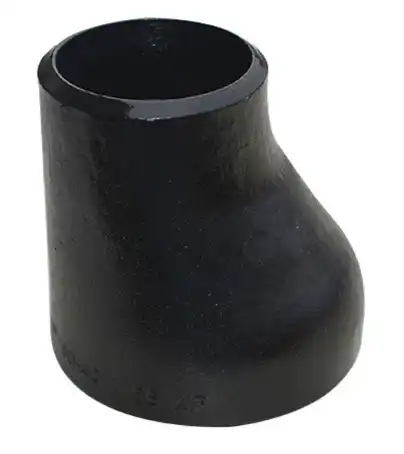
Selecting the right Steel Concentric Pipe Reducer supplier determines the success of your pipeline project from specification to installation. A concentric reducer is a pipe fitting used to connect two pipes of different diameters, featuring a conical shape with both ends aligned along the same center axis. This symmetrical design allows fluid to transition smoothly from a larger to a smaller diameter, minimizing turbulence and pressure loss while maintaining system integrity. We've spent over two decades working with procurement managers, engineers, and EPC contractors across the oil, chemical, natural gas, and water conservancy sectors. Through that experience, we've learned what separates exceptional suppliers from merely adequate ones. This guide walks you through the technical specifications, evaluation criteria, and procurement strategies that ensure you secure reliable, certified fittings that match your operational demands and budget constraints.
Understanding Steel Concentric Pipe Reducers and Their Specifications
Steel Concentric Pipe Reducers are important transition fittings in vertical pipe systems where keeping the centerlines straight is important for flow efficiency and structural balance. The uniform cylindrical shape makes sure that fluids can gradually adapt to changes in diameter, which lowers resistance and stops erosion at transition zones.
Material Grades and Performance Characteristics
Most of the time, carbon steel reducers are used in power plants and oil refineries because they are cheap and have good mechanical properties for moderate temperatures and pressures. Stainless steel choices are needed in places that rust, like chemical processing companies, where chloride exposure can damage pipes. Different types of alloy steel use chromium, molybdenum, or nickel to make them strong enough to work in high-pressure steam systems or cryogenic environments. The choice of material has a direct effect on the service life and repair plans, so it is very important to give clear specifications during the procurement process.
Dimensional Standards and Compliance Requirements
For North American projects, ASME B16.9 sets the face-to-face measurements, wall thickness limits, and bevel angles for steel pipe reducers. The standard says that the longer the reducer length goes with the bigger the pipe diameter. This makes sure that products from different makers can be used together. In Europe, projects usually use DIN or EN standards that use metric measurements. Most of the time, the wall thickness fits the schedule of the bigger pipe. However, in some cases, the smaller end may need tapered bores to match piping further downstream. For pipes less than 22 mm thick, bevel angles of 37.5° ±2.5° make it easier to weld, but for walls that are thicker, compound bevels are needed.
Concentric vs. Eccentric Reducer Applications
The main difference is in how the centerlines are aligned. Steel Concentric Pipe Reducers keep the input and exit on the same axis. This makes the cone shape that works well for vertical pump discharge lines where air entrapment is not a problem. Eccentric reducers move the centerlines away from one another to keep one side flat. This keeps air pockets from forming in the horizontal suction lines, which could lead to pump cavitation. When you put a Steel Concentric Pipe Reducer on a horizontal pump suction line, air gets trapped at the top of the fitting. This can cause the pump to stop working and damage the equipment. Being aware of this important difference helps keep specification mistakes from costing a lot of money during project design.
Core Criteria for Selecting the Best Supplier
Certification Compliance and Quality Management Systems
Having ISO 9001 certification shows that a provider is dedicated to using uniform quality control methods from purchasing raw materials to inspecting finished goods. We at Oudi Pipe Manufacture have both ISO 9001:2000 certification and a special equipment-making license from the People's Republic of China. For every step of the production process, we follow written quality assurance methods. Material Test Certificates (MTC) from suppliers that work with the North American market should confirm the chemical make-up and mechanical properties. A manufacturer's technical ability to make safety-compliant pressure-bearing parts is checked by a special equipment license. When evaluating a provider, make sure they meet foreign standards such as ANSI, JIS, DIN, and BS by asking for copies of their most recent certifications and audit reports.
Production Capacity and Supply Chain Reliability
A supplier's ability to handle big orders and stick to regular shipping schedules is directly related to how much they can produce each year. With an annual output capacity of 16,000 tons, we can handle both emergency needs and multi-phase infrastructure projects without sacrificing quality or time. Suppliers who don't have enough production space may hire other companies to do the work during times of high demand. This can cause quality to vary and delivery dates to be uncertain. Check out the manufacturer's agreements for getting raw materials, managing stockpiles, and shipping goods. A well-established supply chain reduces the chances of delays in your project's plan caused by things like not having enough materials or trouble with transportation.
Technical Capabilities and Testing Equipment
Modern production tools make sure that the sizes are correct and the metal is always the same, which is very important for high-pressure uses. At our factory, we use precise forming machines, heat treatment furnaces, and automated welding systems that make sure that tight tolerances are kept across all production runs. Comprehensive testing abilities set top suppliers apart from average manufacturers. We keep ultrasonic testing tools for finding flaws below the surface, X-ray fluorescence testers for positively identifying materials, and hydrostatic testing tools to make sure pressure rates are correct. Charpy V-Notch impact testing confirms that the material is tough at low temperatures for use in cryogenic environments. Suppliers who don't have their own testing facilities can't provide independent confirmation of product compatibility. Instead, they have to rely on third-party checking, which takes longer and costs more.
Global Export Experience and Market Reputation
A supplier's history in foreign markets shows how reliable their products and services are. We've helped over 300 customers in over 40 countries and regions since 1998. These include people in Europe, North and South America, Africa, Southeast Asia, the Middle East, and more. This range of locations shows that we can work with different types of regulations, handle foreign business, and offer technical help across time zones. If you've exported before, you should also know what paperwork is needed to get goods through customs. This includes commercial invoices, packing lists, certificates of origin, and product certifications that are specific to the country where the goods are going.
Matching Supplier Solutions to Your Project Needs
Pressure Class and Temperature Rating Considerations
Material choice and wall thickness requirements are based on how the pipeline is being used. Oil and gas plants that work at 1500 PSI need seamless reducers made of high-quality carbon steel that has been tested for tensile strength and bending strength. Power plant steam lines that deal with 950°F superheated steam need alloy steels that have more than 5% chromium in them to keep them from rusting and stretching. Standard welded reducers can be used in water conservation projects with moderate pressures below 300 PSI to save a lot of money without sacrificing safety. During the inquiry process, giving accurate information about the pressure class and temperature rating will help you get technically correct goods instead of over-engineered ones that add to the costs of the project without being needed.
Corrosive Environment and Material Compatibility
Chemical processing plants that use acidic or chloride-containing fluids need reducers made of stainless steel with at least 16% chromium to keep the steel from pitting and rusting. The 304 grade works well in mildly corrosive places, and the 316 grade with an extra 2% to 3% molybdenum can stand up to chloride attack in coastal installations or desalination plants. Galvanic rusting happens when two different metals touch each other in an electrolyte. It is important that the materials used throughout the pipe system are all the same. Positive Material Identification with handheld XRF testers checks that the chemical makeup matches the material certificates. This stops catastrophic failures from happening because of the wrong material being used.
Custom Manufacturing Capabilities for Unique Specifications
Standard catalog sizes are good for most uses, but sometimes building megaprojects needs non-standard sizes or special materials. Because we are flexible in how we make things, we can meet special requests for alloys with intermediate diameters, longer lengths, or different working requirements. Custom capabilities are especially useful when a plant grows and new pipes need to connect to old systems that use old specifications. Technical help during the design phase helps find the best place for the Steel Concentric Pipe Reducer, reduces the need for welding, and makes installation easier.
Comparative Analysis of Leading Steel Concentric Pipe Reducer Brands
Understanding what makes one supplier different from another helps procurement teams match the features of a product with the needs of a project. Established makers show consistent quality by showing success in demanding applications. However, for less important projects, regional providers often offer lower costs.
Material Portfolio Breadth and Availability
Offering a wide range of materials makes it possible to buy from a single source, which makes managing vendors and keeping track of paperwork easier. We keep carbon steel (ASTM A234 WPB), stainless steel (ASTM A403 WP304/316), and alloy steel (ASTM A234 WP11/WP22) in stock so that we can meet the needs of a wide range of industries. This variety lets purchasing managers combine orders, get discounts for large purchases, and cut down on the work that comes with managing many suppliers. Lead times are directly affected by the availability of materials. Items that are in stock ship within days, while special-order alloys that need mill runs take weeks.
Seamless vs. Welded Construction Methods
When you hot-form solid pipe stock into seamless Steel Concentric Pipe Reducers, the longitudinal weld seams are eliminated. This gives them better mechanical qualities and pressure ratings for important high-pressure uses. Lack of weld joints lowers the chance of failure in cyclic loading situations that happen a lot in power plants and petrochemical plants. Welded reducers made from plate stock are cheaper for large-diameter, low-pressure uses where the lengthwise seam doesn't pose much of a risk to operations. When manufactured and tested correctly, both construction methods meet ASME B16.9 standards. The choice should be based on the severity of the application rather than code requirements.
Step-by-Step Procurement Process and Best Practices
Supplier Evaluation and Quote Assessment
To do good procurement, you need to include detailed Request for Quotation (RFQ) packages that list the types of materials you want, their sizes according to ASME B16.9, any certifications or testing procedures you need, where the materials will be delivered, and when the project needs to be finished. Specifications that are clear cut out any confusion that could cause shipments that don't meet standards or project delays. When comparing quotes, don't just look at unit prices; also look at the total landing costs, which include freight, insurance, customs taxes, and inland transportation. Before placing a large order, ask for sample products with all the necessary paperwork so that they can be pre-qualified and tested for accuracy in measurements, surface finish, and mechanical properties.
Lead Time Management and Logistics Coordination
Knowing when things need to be produced and shipped keeps the project plan from getting thrown off. Standard catalog items from existing stock usually ship within 5–10 business days. Custom orders, on the other hand, take 4-6 weeks to manufacture plus shipping time. Our central position just 120 kilometers from Tianjin Port makes it easy to load containers quickly and lowers the cost of shipping goods between countries. Work with freight forwarders who know how to transport industrial equipment to make sure that the right packaging, containers, and paperwork are used to clear customs. The Incoterms specification (FOB, CIF, DDP) makes it clear who pays for insurance, import duties, and freight costs.
Quality Verification and Installation Best Practices
When it arrives, do an arrival review to make sure the quantities match the packing lists, look for damage from shipping, and make sure the heat numbers on the material certificates match the numbers on the certificates. Face-to-face length, outside diameters at both ends, and wall thickness all meet the limits set by precise measuring tools during dimensional inspection. Before installing, check that the pipe bevels are properly prepared and aligned so that the centerline orientation of the Steel Concentric Pipe Reducer stays the same in vertical applications. High-low misalignment causes stress clusters and early weld failures; proper fit-up stops this. For alloy steel reducers, a post-weld heat treatment may be needed to get rid of any remaining stresses and make the material tough again in areas that were heated.
These rules for inspection and installation make sure that the product works well and that operating risks are kept to a minimum throughout the life of the pipe system. Setting up quality control processes with your seller during the negotiation phase makes sure that everyone understands the criteria for acceptance and cuts down on disagreements over whether the product meets those criteria.
Conclusion
To find the best Steel Concentric Pipe Reducer provider, you need to compare their certifications, production capacity, technical skills, and global service experience with the practical needs of your project. The decision goes beyond unit pricing and includes the total cost of ownership, which includes consistent quality, on-time delivery, and technical support during the whole procurement process. Suppliers with a wide range of materials, state-of-the-art testing tools, and proof of export experience are necessary for large infrastructure projects to have a stable supply chain. Specifying the right pressure ratings, material grades, and size standards during the question phase keeps provided goods from not meeting installation needs, which can be very expensive. Building long-term relationships with dependable manufacturers makes future purchases easier and makes sure that quality stays high across multiple stages of development.
FAQ
1. What advantages do steel concentric pipe reducers offer compared to eccentric reducers?
Steel Concentric Pipe Reducers keep the centerlines of pipes of different sizes aligned. This makes them perfect for vertical installations, where their symmetrical shape keeps the structure balanced and eliminates worries about air entrapment. The smooth changes in flow caused by the uniform cylindrical shape keep turbulence and pressure loss to a minimum in pump discharge applications and vertical process lines.
2. How can I verify a supplier meets international quality standards?
Ask for copies of your ISO 9001 certification, licenses to make special tools, and most recently completed audit reports. Get Material Test Certificates for every package that show the chemical make-up and mechanical qualities that have been checked by a recognized lab. Positive Material Identification with XRF analysis makes sure that the actual composition matches the documentation, which stops problems with material substitution.
3. Can suppliers provide custom-sized reducers for unique pipeline configurations?
Reliable producers with a wide range of production options can handle non-standard sizes, special alloys, and the individual needs of large infrastructure projects. Custom manufacturing usually adds two to four weeks to the wait time, but it allows for the best system design when normal catalog measurements can't meet practical needs or work with current piping systems.
Contact Oudi for Premium Steel Concentric Pipe Reducer Supply
Since 1998, Oudi Pipe Manufacturing has supplied high-quality pipe fittings to water conservation, oil, chemical, and natural gas projects around the world. We can reliably supply carbon steel, stainless steel, and alloy steel Concentric Pipe Reducers that meet ANSI, JIS, DIN, and BS standards thanks to our 16,000-ton yearly production capacity, ISO 9001 certification, and special equipment manufacturing license. We offer fast shipping to North America, Europe, and other places from our location in Cangzhou, which has direct access to Tianjin Port. Our full testing facilities, which include ultrasonic inspection, PMI analysis, and hydrostatic testing, make sure that every fitting meets your needs before it is sent out. Get in touch with our engineering team at oudi-04@oudiguandao.com to talk about your project needs and get detailed quotes from a well-known Steel Concentric Pipe Reducer manufacturer.
References
1. American Society of Mechanical Engineers. ASME B16.9: Factory-Made Wrought Butt-Welding Fittings. New York: ASME Press, 2018.
2. Davis, J.R. Corrosion of Weldments. Materials Park: ASM International, 2006.
3. Nayyar, M.L. Piping Handbook, 8th Edition. New York: McGraw-Hill Education, 2019.
4. American Petroleum Institute. API Standard 5L: Specification for Line Pipe. Washington: API Publishing Services, 2020.
5. Becht, C. and Sims, J.R. Process Piping: The Complete Guide to ASME B31.3, 4th Edition. New York: ASME Press, 2017.
6. International Organization for Standardization. ISO 9001:2015 Quality Management Systems—Requirements. Geneva: ISO Central Secretariat, 2015.

Need help finding the right solution with our experts. Please contact us.

SINCE 1998 Your Reliable Pipeline Manufacturer



