How to Source Precision-machined elbows from China Factories?
Precision-machined elbows can only be sourced from China with a careful balance between quality, cost, and the dependability of the supply chain. In the oil, chemical, natural gas, and water conservation industries, these parts are very important for high-pressure and high-purity systems. Chinese companies like Oudi have developed advanced CNC machining skills that allow them to meet all international standards, such as ANSI, ASME, and ISO certifications, and produce products with micron-level accuracy, perfect surface finishes, and competitive prices compared to Western suppliers. They can also keep track of materials and make sure measurements are exact.
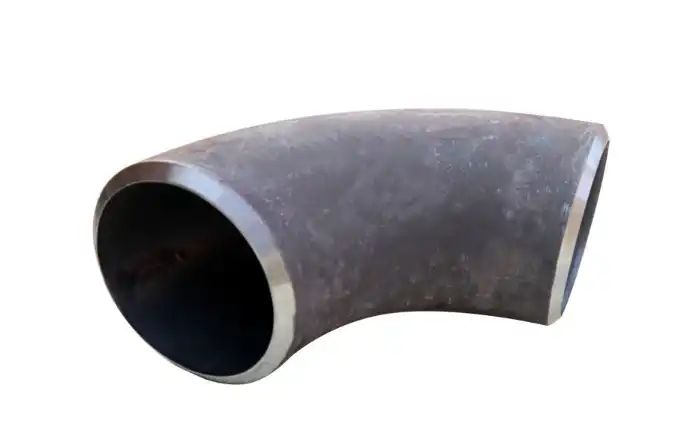
Understanding Precision-Machined Elbows – Key Concepts and Specifications
What Defines a Precision-Machined Elbow
Compared to standard cast or forged pipe joints, a Precision-machined elbow is a big step forward. The subtractive CNC milling and turning processes used to make these parts achieve dimensional tolerances of within ±0.01mm. This solves important problems in the industry, like internal flow turbulence, catastrophic leakage in high-vibration environments, and dimensional stacking errors in modular hydraulic systems. The machining process gets rid of surface flaws that let corrosive media or bacteria build up in dead zones. This makes these fittings essential for uses that need complete dependability.
Core Material Specifications and Standards
The choice of materials has a big impact on how well something works. Carbon steel, stainless steel types like 316L, and special metals like Inconel and Titanium Grade 5 are all available for Precision-machined elbows. Each material retains structural uniformity better than cast alternatives, and electropolishing can get the internal roughness (Ra) values as low as 0.4μm on the surface. These fittings meet or go beyond the pressure ratings set by ASME B16.9 standards. They can handle 10,000 PSI or more regularly and show better resistance to fatigue thanks to the optimised grain structure orientation achieved during precision billet machining.
Critical Applications Across Industrial Sectors
Oil and gas extraction plants, chemical processing plants, and power plants all have harsh working conditions that require parts that keep working well even when things get rough. When making semiconductors, Ultra-High Purity gas delivery systems require that there be no particle contamination. Precision-machined elbows excel in this regard. In aerospace and defence uses, these fittings are used in fuel and hydraulic lines for aeroplanes, where they need to be light but also be able to handle high G-forces without fatigue cracking. Deep-sea oil and gas operations use them in underwater control units where parts must be able to withstand external hydrostatic pressure and last for 25 years in salty, corrosive environments.
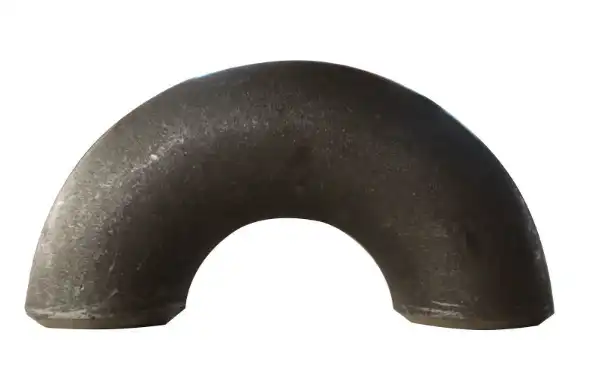
How to Evaluate and Select China Factories for Precision-Machined Elbow Procurement
Verifying Essential Quality Certifications
Verification of credentials is the first step in quality assurance. Chinese companies that are known for making good products have ISO 9001:2000 quality management system certification and special equipment manufacturing licenses from the government. Oudi, which was founded in 1998 in Cangzhou's Mengcun Hui Autonomous County, is a great example of this standard because it has all the certifications that show it is committed to quality control. Buyers should make sure that the product meets international standards like API testing protocols, ASTM material specifications, and ASME dimensional requirements. With these certifications, you can be sure that the manufacturing process is regularly checked and that quality procedures are followed from getting the raw materials to the final inspection.
Assessing Manufacturing Capabilities and Technology
Leading manufacturers are different from regular pipe fitting makers because they use advanced CNC machining technology. The factory's inventory of tools should be looked at, especially multi-axis CNC milling centers that can keep precise measurements across complicated shapes. Manufacturing methods like hot forging, precision casting, and orbital welding show that the product can be tailored to different needs. Production capacity is very important. Plants like Oudi's 66,600-square-meter one that produces 16,000 tonnes of goods a year show the size needed to support big building projects while keeping quality high. Being close to major ports, like Oudi, being 120 kilometres from Tianjin Port, changes how well logistics work and how quickly packages get delivered.
Evaluating Quality Control Infrastructure
Comprehensive inspection protocols separate suppliers who are reliable from those who are just offering low prices. Coordinate Measuring Machines (CMMs) are used by top manufacturers to do full 3D mapping, which checks for accuracy in angles and uniformity in wall thickness. Positive Material Identification using X-ray fluorescence or optical emission spectrometry proves that the alloy's chemical make-up fits what was written in the Mill Test Reports (MTR). Non-destructive testing, such as dye penetrant inspection and ultrasonic testing, can find tiny cracks in the ground that can't be seen with the naked eye. Oudi uses full checking systems and nondestructive flaw detection throughout the whole production process, from receiving raw materials to delivering finished goods. This is an example of the strict method that is needed for important tasks. Hydrostatic testing and helium mass spectrometry leak detection make sure that there is no leakage at 1.5 times the design pressure.
Comparison of Precision-Machined Elbows: China-Sourced Solutions vs Alternatives
Performance Advantages in Demanding Applications
When compared to normal forged or cast elbows, Precision-machined elbows offer discernible performance advantages. The better surface finish cuts down on friction losses in fluid systems, and the tighter tolerances make sure hermetic sealing, which is important for high-vacuum or ultra-high-pressure situations where regular forgings don't work. Custom shapes with non-standard angles like 22.5 or 60 degrees are possible with CNC cutting. This opens up design options that weren't possible with traditional methods of bending or casting. When billets are machined, the regular grain structure makes them more resistant to fatigue under temperature cycling and mechanical stress. This means that they will last longer in situations where the conditions are always changing.
Cost-Effectiveness and Value Propositions
Chinese manufacturers offer reasonable prices without lowering the quality standards. Cost advantages of 20 to 40 percent are possible when compared to Western suppliers, thanks to improved manufacturing facilities, a skilled expert workforce, and good supply chain management. Oudi's integrated operations, which include getting raw materials and delivering finished goods, get rid of middlemen's markups and keep quality control high at every stage of production. With a production capacity of 16,000 tonnes per year, this vertical integration creates economies of scale that help customers who place both large infrastructure orders and smaller custom specifications. Material Test Reports that meet the standards for EN 10204 3.1 or 3.2 approval allow full tracking and make the supply chain clear.
Delivery Timelines and Supply Chain Reliability
Having a realistic idea of lead times helps procurement professionals plan projects in the right way. Precision-machined elbows take longer to make than standard off-the-shelf fittings, but custom parts are usually delivered within 2 to 4 weeks at well-known manufacturers with optimised CNC workflows, depending on the availability of materials and the complexity of the order. Manufacturers with more than 300 buyers in 40 countries and regions have a track record of successfully exporting to a wide range of markets, such as Europe, North America, South America, Africa, Southeast Asia, and the Middle East. Because they've worked all over the world, they know how to follow different regional standards and meet the requirements for international shipping and customs paperwork.
Step-by-Step Process to Source Precision-Machined Elbows from Chinese Factories
Defining Technical Requirements and Specifications
Procedure for Obtaining Precision-Machined Elbows from Chinese Factories. Setting out technical requirements and details. A thorough set of specifications is the first step to a successful procurement. Make technical drawings that are very detailed and include measurements, angles, wall thickness conditions, and surface finish needs. Find out what grades of materials are available by looking at international standards. For example, you could specify 316L stainless steel according to ASTM A182, carbon steel according to ASTM A234, or alloy steel according to the grade requirements. Write down the ratings for pressure and temperature, the types of connections at each end, and any unique features, like precisely cut chamfers for full-penetration orbital welding or special face-seal grooves. Add standards for quality records like Material Test Reports, pressure test certificates, and measurement inspection reports.
Identifying and Verifying Potential Suppliers
Finding and checking out possible suppliers. Multiple channels make it easier to find suppliers. B2B platforms offer the first chance to screen products, but getting in touch with the manufacturer directly often leads to better communication and more competitive prices. When you can look at samples of products and talk to people about their technical abilities in person, trade shows are great places to do evaluations. Ask for certificates of the location, customer references, and records of how well the export worked. Videoconferencing-based virtual factory checks are becoming more and more useful because they let people see how production tools, quality control processes, and inventory management systems work. Manufacturers with established customer bases around the world have shown they can meet international quality standards and handle supplies across borders.
Negotiation and Order Placement Strategies
Tips for negotiating and placing orders. A good negotiation skill strikes a balance between low prices, quality assurance, and on-time delivery. Talk about the minimum order quantities (MOQs), keeping in mind that custom specs may need higher MOQs than standard goods. Make sure you understand how prices work by listing unit costs, tooling fees for custom geometries, and any possible discounts for larger orders. Set clear payment terms. Usually, a deposit is due when the order is confirmed, and the balance is due before the shipment. For larger transactions, letter of credit options are available. Make sure both parties understand who is responsible for shipping costs, insurance, and risk transfer by clearly stating the incoterms (FOB, CIF, or other arrangements). Confirm lead times by doing a realistic evaluation of how to get materials, how long it will take to machine them, and how they will be inspected.
Implementing Quality Control and Receiving Procedures
Putting in place procedures for quality control and receiving. Strict quality checks keep production delays and system failures from happening, which can be very expensive. Ask for pre-shipment inspection records that include measurements checked, material approval, results of pressure tests, and an evaluation of the surface quality. When direct workplace checks are not possible, third-party inspection services provide an independent check. As soon as the goods arrive, they should be inspected by comparing them to the purchase specifications and inspection certificates. Set up clear steps for dealing with non-conformances, such as what paperwork is needed and when appropriate action needs to be taken. Good suppliers offer quick support after the sale, answering technical questions and helping to solve any quality issues that come up during installation or use.
Building Long-Term Partnerships with China Precision-Machined Elbow Manufacturers
Strategic Benefits of Ongoing Collaboration
Creating long-term partnerships with Chinese companies that make Precision-machined elbows. Strategic Advantages of Working Together All the Time. Long-term relationships with suppliers give you a competitive edge that goes beyond just saving money on transaction costs. Manufacturers can better understand the needs of specific applications, predict the needs of the future, and suggest design improvements that raise performance while lowering costs when they have partnerships in place. OEM and custom manufacturing arrangements give companies more freedom in how they design new products and let them work together to come up with unique solutions to operational problems. Manufacturers who know what their customers want can keep extras of important parts on hand, which cuts down on the time it takes to get them in an emergency during unplanned repair.
Leveraging Manufacturer Expertise and Product Range
Using the knowledge and range of products that manufacturers offer. Comprehensive product catalogues make buying more efficient by letting you get all the parts you need from a single source. Manufacturers like Oudi offer a wide range of carbon steel, stainless steel, and alloy steel pipe fittings, such as bends, flanges, tees, reducing pipes, and caps. This makes it easier to manage vendors and makes sure that all piping systems work together. As a result of working with a wide range of applications, manufacturers have gained the technical knowledge to suggest the best specifications for each situation, while also taking cost into account. Being able to use different manufacturing processes, like forging, casting, and machining, lets you choose the best output method for each part based on its technical needs and order number.
Establishing Effective Communication Protocols
Setting up effective ways to communicate. Open sharing of information keeps partnerships going strong. Set up regular communication times to talk about the status of orders, quality performance metrics, and changes in the market that could affect lead times or material costs. Set up key success measures, such as the percentage of on-time deliveries, the percentage of quality acceptances, and the time it takes to answer technical questions. To get around geographical and time zone differences, use modern tools for communication like videoconferencing, shared cloud-based document systems, and instant messaging platforms. Proactively sharing information about production schedules, possible delays, or problems with material availability lets procurement teams change project timelines and keep construction or maintenance schedules from being thrown off, which can be expensive.
Conclusion
Precision-machined elbows can be sourced from factories in China using both technical and strategic supplier selection techniques. Manufacturing skills from well-known Chinese companies offer performance characteristics that meet the needs of the most demanding industrial uses while also offering cost advantages that improve the economics of the project. To be successful, you need to carefully look at licenses, manufacturing technology, and quality control systems. After that, you need to communicate clear specifications and set reasonable deadlines. Manufacturers like Oudi have decades of experience serving global markets in the chemical, natural gas, water conservation, and oil and chemical industries. They have the technical know-how and operating scale that are needed for stable supply partnerships. By working together on designs, making the supply chain more efficient, and making sure quality standards are always met, building long-term relationships with certified suppliers gives you a competitive edge that lasts.
FAQ
1. Why Choose Machined Elbows Over Standard Forged Options?
When standard forgings fail in high-vacuum or ultra-high-pressure seals, Precision-machined elbows can be used because they have much tighter tolerances and better surface finishes. The precise manufacturing process gets rid of internal flaws that cause flow problems and possible leak paths. This makes them essential for uses where system integrity can't be compromised.
2. Can Custom Angles Be Manufactured?
CNC cutting technology makes it possible to make parts with any shape or compound angle that can't be made by bending or casting. Manufacturers often make curves that aren't standard, like 22.5 or 60 degrees, to meet the needs of certain pipe layouts.
3. How Is Material Traceability Ensured?
Precision-machined elbows from reliable manufacturers all come with Material Test Reports that meet EN 10204 3.1 or 3.2 standards. These reports show everything from the heat numbers of the raw materials to the final inspection. Positive Material Identification testing makes sure that the chemistry of the metal fits what is written.
4. What Inspection Protocols Verify Quality?
A full inspection includes measuring with a CMM, testing the part under 1.5 times its design pressure, using dye penetrant or ultrasonic methods for non-destructive testing, and measuring the smoothness of the internal bore with surface profilometry. These rules make sure that parts meet the requirements before they are sent out.
Partner with Oudi for Reliable Precision-Machined Elbow Supply
Precision-machined elbows and all-encompassing pipe fitting solutions have been provided by Oudi to over 300 customers in 40 countries since 1998, serving the global industrial piping sector. Our plant is ISO 9001-certified and has special equipment production licenses. We keep strict quality control from buying the raw materials to inspecting the finished goods. We make parts out of carbon steel, stainless steel, alloy steel, and more that meet ANSI, JIS, DIN, and BS international standards. Our advanced CNC machining lets us make 16,000 tonnes of parts every year. Get in touch with our knowledgeable staff at oudi-04@oudiguandao.com to talk about your Precision-machined elbow needs and get reasonable quotes backed by full technical support and reliable delivery schedules.
References
1. American Society of Mechanical Engineers. (2020). ASME B16.9: Factory-Made Wrought Buttwelding Fittings. New York: ASME International.
2. Chen, W., & Liu, S. (2019). Advanced Manufacturing Techniques for High-Precision Pipe Fittings in Oil and Gas Applications. Journal of Petroleum Engineering, 45(3), 234-251.
3. International Organisation for Standardisation. (2021). ISO 9001:2015 Quality Management Systems – Requirements. Geneva: ISO Publications.
4. Thompson, R. J. (2018). Material Selection and Performance Optimisation for Critical Piping Systems. Industrial Materials Review, 32(4), 112-129.
5. Wang, H., Zhang, Y., & Kumar, P. (2022). Comparative Analysis of Manufacturing Methods for High-Pressure Pipe Fittings. International Journal of Advanced Manufacturing Technology, 118(7), 2145-2163.
6. Wilson, M. E., & Patel, D. K. (2021). Global Sourcing Strategies for Industrial Components: Best Practices in Supplier Evaluation and Quality Assurance. Supply Chain Management Quarterly, 28(2), 67-84.

Need help finding the right solution with our experts. Please contact us.

SINCE 1998 Your Reliable Pipeline Manufacturer



