How to Verify ASME B16.9 Pipe Cap Quality Before Buying?
Verifying ASME B16.9 Pipe Cap quality before purchasing requires a systematic approach focused on dimensional accuracy, material certification, and manufacturing workmanship. Procurement professionals should demand authentic mill test reports (MTRs), conduct precise dimensional checks against ASME B16.9 tolerance standards, and insist on non-destructive testing documentation. Examining supplier certifications like ISO 9001 and special equipment manufacturing licenses confirms adherence to international quality protocols. Physical inspection of bevel end preparation, wall thickness uniformity, and surface finish ensures weld-ready components that prevent costly field fit-up issues and system failures in critical industrial applications.
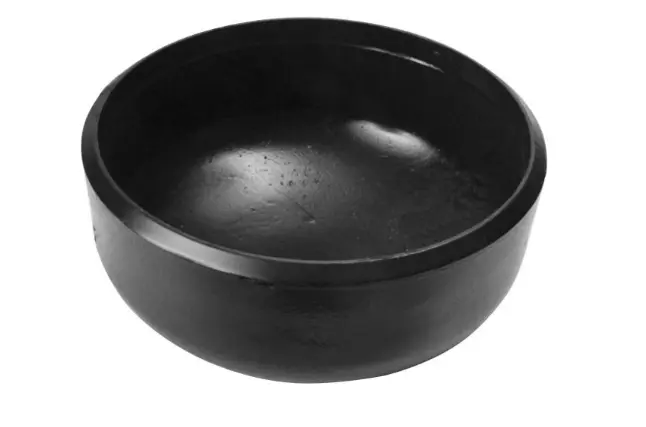
Understanding ASME B16.9 Pipe Caps and Quality Standards
ASME B16.9 Pipe Caps are important parts of industrial piping systems used in the oil, chemical, natural gas, and water conservation industries. These metal fittings, which are made in a workshop, connect two pipe runs. They seal tightly and won't leak under high pressure or temperatures. Knowing what makes ASME B16.9 Pipe Caps different from other standards is the first step in making smart decisions about what to buy.
Defining ASME B16.9 Pipe Caps and Their Role
ASME B16.9 Pipe Caps made according to ASME B16.9 standards are only meant to be used for butt-welding and come in sizes from NPS 1/2 to NPS 48. Instead of socket welds or threads, which are covered by ASME B16.11, these ASME B16.9 Pipe Caps connect with full-penetration circumferential welds that are as strong as or stronger than the pipe they are connected to. This design gets rid of the cracks that allow corrosion to start and makes sure that there are smooth internal transitions that keep pressure drops to a minimum. Forging or forming, which are both types of wrought manufacturing, align the grain structure of carbon steel, stainless steel, or alloy steel. This makes the parts more resistant to wear than cast parts. ASME B16.9 is different from B16.25 (butt-welding ends) and B16.28 (short radius elbows) because it sets detailed measurements for long radius fittings and ASME B16.9 Pipe Caps that are used in high-integrity piping systems.
Material Grades and Pressure-Temperature Ratings
ASME B16.9 Pipe Caps are usually made of ASTM A234 WPB carbon steel, ASTM A403 stainless steel grades (304/304L, 316/316L), or alloy steel types that can handle high temperatures. Carbon steel ASME B16.9 Pipe Caps are cheap and have a high tensile strength (usually at least 60,000 psi for WPB), which makes them perfect for use in construction, shipbuilding, and power generation. Stainless steel types are better at resisting corrosion, which is important for chemical processes and areas that are far from land. According to ASME B16.9, ASME B16.9 Pipe Caps must match the pressure and temperature ratings of the pipes they join to. When procurement teams know about these material properties, they can choose ASME B16.9 Pipe Caps that meet performance needs, stay within budget, and work with existing system specifications.
Standard Dimensions and Tolerance Requirements
ASME B16.9 sets exact measurements for things like outside diameter, center-to-end lengths, and wall thickness schedules from Schedule 10 to XXS. Tolerance limits are very important. For example, the out-of-roundness must not be more than 1% of the standard diameter, and the bevel angles must stay at 37.5° ± 2.5° so that the weld can go through properly. These close tolerances keep things from not fitting right during installation and make sure that the load is spread evenly across welded joints. The standard also lists requirements for straightness and angular limits that have a direct effect on the quality of the weld and the stability of the system. When purchasing, professionals should check these measurements against maker data sheets; this lowers the chance that parts won't work together and the job will be delayed.
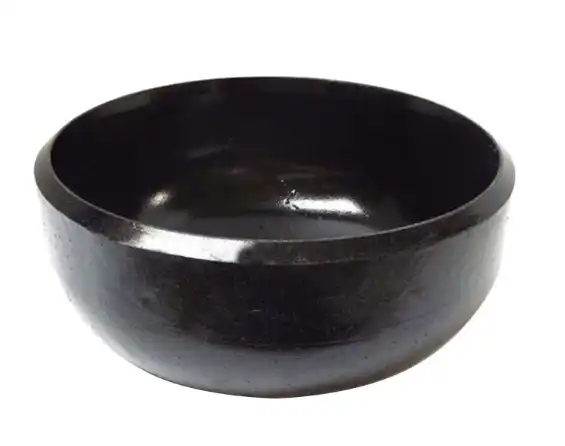
Core Criteria for Verifying ASME B16.9 Pipe Cap Quality
To make sure of quality, a lot of technical factors must be carefully examined. Teams that buy things a lot of the time know that a quick visual inspection isn't enough. They need to check the materials and measurements carefully and back it up with proof.
Dimensional Accuracy and Weld-Fit Compatibility
Accurate measurements using ASME B16.9 size charts show that ASME B16.9 Pipe Caps will fit perfectly with connecting lines when they are installed in the field. Some important measurements are the consistency of the outside diameter, the uniformity of the wall thickness, and the accuracy of the bevel angle. Even small errors create gaps or misalignment that damage weld integrity and introduce stress concentration points. We suggest that you ask for dimensional inspection reports that were made with calibrated measuring tools, like micrometres for wall thickness, vernier callipers for diameters, and protractors for bevel angles. ASME B16.9 Pipe Caps that are out of roundness beyond the limits allowed by the specification will have uneven weld root gaps, which makes them more likely to crack when subjected to cyclic pressure loading. Dimensional accuracy is directly linked to how quickly and reliably joints can be installed and maintained in harsh service environments.
Material Certification and Mill Test Reports
Real mill test reports (MTRs) show in writing what the chemical make-up and mechanical qualities of a material are. These certificates need to have exact heat numbers that can be linked to the sources of the raw materials and test results for carbon content, manganese, phosphorus, sulphur, and alloying elements. X-ray fluorescence (XRF) analysis for Positive Material Identification (PMI) keeps materials from getting mixed up in multi-grade supply chains, which could be very bad. A carbon content of less than 0.30% makes it possible to join without heating first, and controlled amounts of phosphorus and sulphur make it more flexible and resistant to impact. As required by ASTM A234 or A403, MTRs should also list the tensile strength, yield strength, and stretch numbers. Procurement workers must verify that MTR data corresponds exactly to the material grade stated in buy orders, as substitutions compromise corrosion resistance and temperature capabilities important for oil, chemical, and natural gas applications.
Manufacturing Workmanship and Surface Quality
Consistency in the surface finish and the lack of flaws that could spread in service are signs of good manufacturing quality. If you look closely, you should be able to see surface flaws, laps, splits, or tool marks that show poor making techniques. Non-destructive testing (NDT) methods provide more thorough confirmation. Ultrasonic testing (UT) checks the uniformity of wall thickness and finds internal laminations, while magnetic particle inspection (MPI) finds surface-breaking cracks, especially on formed sections. Verification of the heat treatment process shows that the normalising or solution annealing steps that were done according to ASTM standards have removed the forming stresses that would have decreased service life otherwise. The finish on the surface affects both the quality of the weld and its resistance to corrosion. Rough or oxidised surfaces make it harder for the weld to fuse properly and provide starting points for pitting corrosion. Manufacturers demonstrating consistent surface preparation and documented NDT protocols deliver ASME B16.9 Pipe Caps that perform reliably throughout their design service life.
Comparison Analysis: What Sets High-Quality ASME B16.9 Pipe Caps Apart?
To tell the difference between good products, you need to know the structural differences, material performance characteristics, and source trust signs that set standard fittings apart from engineered parts that can be used in critical situations.
Structural Design Distinctions
When it comes to joint strength and how well they work in different situations, ASME B16.9 Pipe Caps are very different from socket weld options. Butt-weld designs make full-penetration welds that evenly spread stress around the whole pipe diameter. This is why they are required for high-pressure applications above 3,000 psi and high-temperature applications above 750°F. Socket-weld ASME B16.9 Pipe Caps have cracks that let corrosive fluids get stuck and lower the pressure ratings, so they can only be used on smaller diameter, lower-pressure auxiliary lines. High-quality ASME B16.9 Pipe Caps don't have any longitudinal gaps, which means they don't have any possible failure surfaces when they're loaded over time. Knowing these differences in design helps procurement teams choose the right ASME B16.9 Pipe Caps for each system pressure class and service severity.
Material Selection: Stainless Steel vs. Carbon Steel
Stainless steel types are very resistant to corrosion and are used in chemical processing, marine settings, and high-purity uses where the risk of contamination needs to be kept to a minimum. Type 316/316L steel is better than 304/304L at resisting stress corrosion cracks caused by chloride, which is why it costs more for offshore and along the coast. Carbon steel ASME B16.9 Pipe Caps are a good choice for non-corrosive applications like water conservation, building, and boiler feedwater systems that work below the temperature limits that cause corrosion. They are also affordable. This is where alloy steel types come in. They offer better creep resistance for power generation uses that are exposed to temperatures that stay close to 1,000°F for a long time. When choosing materials, you have to weigh the initial costs of buying them against the costs of maintenance over their lifetime and the number of times they need to be replaced because of corrosion or temperature degradation.
Supplier Certification and Market Reputation
Independent third parties check that certified suppliers follow quality management systems. This is possible because they have ISO 9001 certification and the special equipment manufacturing licenses needed for pressure vessel parts. These credentials show that manufacturers follow written quality control procedures that include checking the raw materials, inspecting the work in progress, and testing the finished product. A supplier's reputation, built up over decades of working with a wide range of industries, including oil, chemicals, natural gas, shipbuilding, and electricity, shows how technically competent they are and how reliable their supply chain is. Manufacturers who send their goods to more than 40 countries, such as Europe, North America, and the Middle East, have to deal with complicated international standards and make sure their goods meet the needs of each region. Choosing suppliers with a history of success lowers the risks of buying and ensures that you can get expert help while developing specifications and fixing problems after delivery.
Practical Steps to Verify ASME B16.9 Pipe Cap Quality Before Purchase
Systematic verification procedures take quality requirements from vague descriptions into measured steps of proof that protect purchase investments.
Review Technical Documentation Thoroughly
The first step in a thorough documentation review is to look at the product data sheets to make sure that the project's size requirements, material grades, and pressure-temperature ratings are all met. Mill test records must include full chemical makeup analyses and mechanical property test results with numbers that clearly meet or go beyond ASTM standards. Third-party inspection reports from reputable agencies and compliance certificates showing ASME B16.9 compliance back up what the manufacturer says. Inconsistencies between papers, like heat numbers or measurements that don't match, are a sign of poor quality control that needs to be fixed before the buy can be authorised. We stress the importance of asking for documentation before shipping so that there is enough time for review and so that project delays aren't caused by materials that don't meet standards arriving at job sites.
Conduct Physical Inspection and Sample Testing
The steps for a physical review should include using measured tools to check the dimensions, looking at the surface finish and bevel preparation visually, and comparing the weight to ASME B16.9 tables to make sure the walls are the right thickness. Hydrostatic pressure tests on samples confirm that the structure is strong under simulated service conditions. ASME B16.9 Pipe Caps must be able to withstand test pressures equal to or greater than the calculated burst pressures of matching pipes without leaking or deforming. Random samples are put through non-destructive testing to find manufacturing flaws that can't be seen by looking at them. Ultrasonic examination confirms wall thickness consistency within tolerance bands, while magnetic particle or liquid penetrant inspection shows surface discontinuities that could spread during welding or service. Physical validation provides real evidence of quality beyond paperwork promises, especially when buying from new sources lacking established performance histories.
Perform Supplier Audits and Assess Production Capacity
Factory visits enable direct observation of manufacturing processes, quality control procedures, and production equipment capabilities. During audits of suppliers, procurement teams should look at systems for storing and tracking raw materials, checking out equipment for shaping and heating, and going over calibration records for measuring tools. The assessment of production capacity shows that manufacturers keep enough inventory and throughput—an annual capacity of 16,000 tonnes shows that the infrastructure is in place to support regular delivery schedules. Observing finished goods inspection methods and studying nondestructive testing equipment skills validates seller claims regarding quality assurance processes. Lead time talks explain production scheduling flexibility and the ability to handle urgent requirements or custom specs. Before committing to long-term purchasing relationships, these checks give buyers more faith in the abilities of suppliers and help find possible supply chain risks.
Maximizing Procurement Confidence: Choosing the Right ASME B16.9 Pipe Cap Supplier
Supplier selection ultimately determines product quality, delivery reliability, and total cost of ownership throughout the procurement lifecycle.
Verify Comprehensive Certifications and Quality Systems
Checking that the ISO 9001:2000 quality management system is registered with recognised certification groups is the first step in a thorough certification check. Regulatory authorities issue special equipment manufacturing licenses that prove legal permission to make pressure-retaining parts for industrial use. Even though it's not needed everywhere, ASME certification shows that you are committed to the best quality standards in the fabrication of pressure vessels and pipes. By looking over the certification scope, you can be sure that the approved product types include the ASME B16.9 Pipe Cap sizes, materials, and pressure ratings that you need for your uses. We maintain current certifications readily available for customer review, reflecting our commitment to transparency and regulatory compliance across diverse international markets.
Evaluate Technical Capability and Product Range
A wide range of carbon steel, stainless steel, and alloy steel ASME B16.9 Pipe Caps in full size ranges from NPS 1/2 to NPS 48 shows that the company can make a lot of different products and has a good supply chain. Modern production tools, like hydraulic presses for shaping and automated heat treatment furnaces, make sure that the dimensions are always the same and that the metal's properties meet the requirements. In-house testing tools like spectroscopy for chemistry analysis, tensile testing machines, and non-destructive testing gear make it possible to fully check the quality of a product without having to rely on outside labs. Suppliers that offer all types of fittings, such as bends, flanges, tees, reducers, and ASME B16.9 Pipe Caps, make purchasing easier by letting customers place multiple orders with a single source. This cuts down on clerical work and makes it easier to coordinate deliveries for big projects that need a lot of different types of parts.
Assess After-Sales Support and Long-Term Partnership Value
Support after the sale is what sets transactional sellers apart from strategic partners who care about the success of their customers. Quick expert help during the blueprint development process helps choose the best materials and meet all the necessary measurements, which avoids costly design mistakes. Warranty policies that cover flaws in the materials or the way they were made protect buyers financially against products that don't meet standards and show suppliers that they trust quality systems. Established distribution networks that serve more than 300 customers in 40 countries show that the company has the logistical skills to keep deliveries on time, no matter where the project is located. As suppliers get to know your quality standards, delivery preferences, and application-specific needs, you can build long-term partnerships with them. This makes future procurement cycles easier and allows for proactive inventory management that keeps projects from being held up.
Conclusion
Checking the quality of an ASME B16.9 Pipe Cap before buying it keeps businesses from having to deal with expensive failures, project delays, and safety risks that come with using faulty pipe parts. Using a system to check the accuracy of measurements, the certification of materials, the quality of the work being made, and the credentials of suppliers changes buying into strategic sourcing, which makes the system more reliable. Professionals in purchasing who demand detailed paperwork, do physical inspections, and work with certified manufacturers who have a history of success can get parts that work well for decades in tough environments in the oil, chemical, natural gas, and water conservation industries. Investing in quality checks before buying something keeps you from having to pay a lot more for mistakes, system downtime, and replacing ASME B16.9 Pipe Caps too soon, all of which are bad for the project's finances and safety.
FAQ
1. What Documentation Should I Request to Verify Pipe Cap Quality?
Ask for full mill test reports (MTRs) that show the chemical make-up and mechanical properties that can be linked to specific heat numbers, as well as ASME B16.9 compliance certificates, dimensional inspection reports made with calibrated instruments, and non-destructive testing records that include ultrasonic and magnetic particle inspection results. Certification copies that show ISO 9001 registration and licenses to make special tools are another way to be sure of regular quality control. Visual inspection alone isn't enough to confirm the properties of the material inside or find flaws below the surface that could weaken the structure. This is why documented testing evidence is so important for lowering the risk of procurement.
2. How Do Material Grades Affect Pipe Cap Performance and Cost?
Material types have a direct effect on how well they fight corrosion, how hot they can get, and how much they cost to buy. Stainless steel types are more resistant to oxidation and chemical attack at high temperatures, which is why they cost more in corrosive work settings. Carbon steel is a cost-effective material for non-corrosive uses below 750°F. It lowers the cost of initial purchase while still providing a good service life. Alloy steel is in the middle of this range. It has better creep resistance for long-term high-temperature exposure without the high cost of stainless steel. Choosing the right material based on the seriousness of the application lowers the total cost of ownership by stopping early failure and avoiding over-specification, which raises costs for no reason.
Partner with Oudi for Certified ASME B16.9 Pipe Cap Excellence
At Oudi, we know that the ASME B16.9 Pipe Caps you need for your commercial projects have to meet the highest quality standards. We have been making ASME B16.9 Pipe Caps for over 300 customers in 40 countries since 1998. Our customers are in the oil, chemical, natural gas, construction, shipbuilding, electric power, and boiler industries, and we are proud of the quality of our work. With the ability to make 16,000 tonnes of steel a year, our ISO 9001:2000 certification, and special equipment manufacturing license, you can be sure of the accuracy of the dimensions, the stability of the materials, and the quality of the workmanship. You can check this with full mill test results and inspection documentation. Please email our team at oudi-04@oudiguandao.com to talk about your specific needs and see the benefits of working with a reliable ASME B16.9 Pipe Cap supplier that is dedicated to providing quality, timely service that boosts your procurement confidence and project outcomes.
References
1. American Society of Mechanical Engineers. (2018). ASME B16.9: Factory-Made Wrought Buttwelding Fittings. New York: ASME Press.
2. American Society for Testing and Materials. (2019). ASTM A234/A234M: Standard Specification for Piping Fittings of Wrought Carbon Steel and Alloy Steel for Moderate and High Temperature Service. West Conshohocken: ASTM International.
3. Harvey, J. F. (1991). Theory and Design of Pressure Vessels. New York: Van Nostrand Reinhold.
4. Becht, C. (2009). Process Piping: The Complete Guide to ASME B31.3. New York: ASME Press.
5. Mohitpour, M., Golshan, H., & Murray, A. (2007). Pipeline Design & Construction: A Practical Approach. New York: ASME Press.
6. Singh, A. (2015). Piping Materials Guide: Selection, Application, and Installation Practices. Oxford: Butterworth-Heinemann.

Need help finding the right solution with our experts. Please contact us.

SINCE 1998 Your Reliable Pipeline Manufacturer



