How to Verify BW Carbon Steel Cap Quality Before Buying?
Verifying BW carbon steel cap quality before purchase requires a systematic approach combining documentation review, physical inspection, and supplier assessment. Start by confirming compliance with ASTM A234 WPB standards and dimensional specifications per ASME/ANSI B16.9. Check material test certificates for chemical composition and mechanical properties, examine surface finish for defects, and verify that the manufacturer holds ISO 9001 certification alongside special equipment manufacturing licenses. This multiple-layered verification protects your procurement investment and ensures the caps perform reliably in critical piping applications across oil, chemical, and natural gas operations.
Understanding BW Carbon Steel Caps and Quality Requirements
What Are BW Carbon Steel Caps and Their Primary Functions?
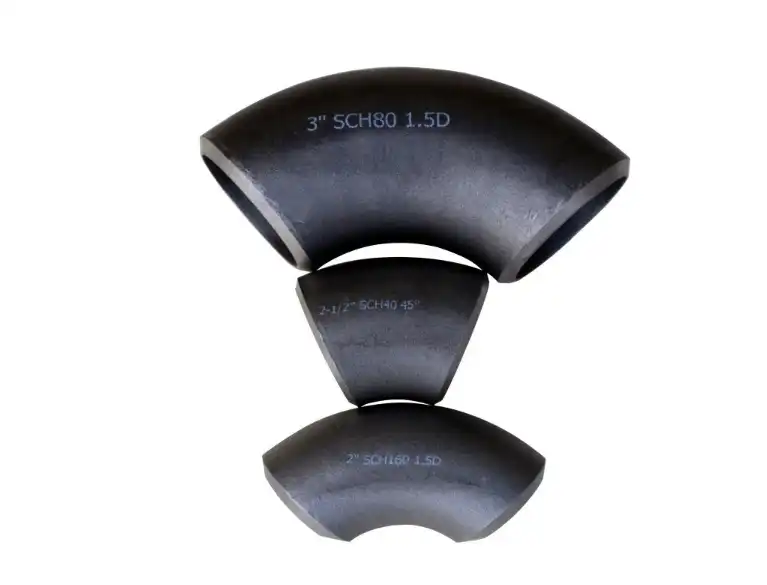
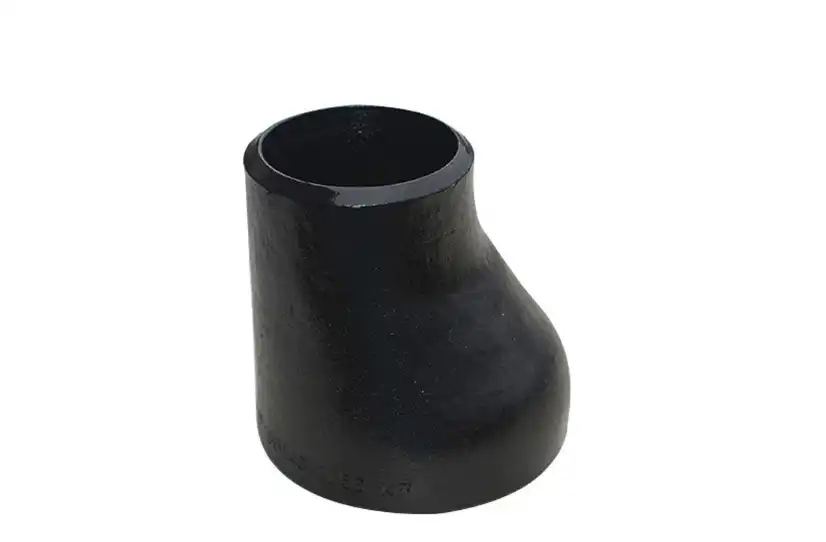
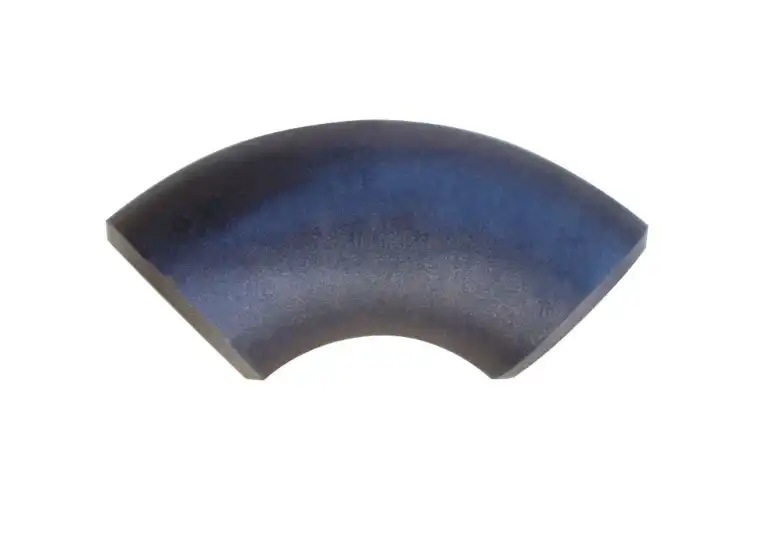
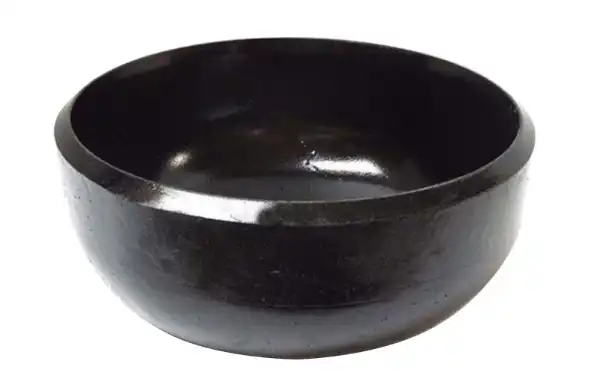
BW Carbon Steel Caps are permanently attached to the ends of pipe systems. They are put in place by butt welding to make a seal that won't leak. These end fittings keep fluids or gases from escaping at the ends of pipes. They are essential in pressure vessels, chemical processing lines, and oil sites at sea. Butt-weld caps are different from threaded caps, which can come free when the pipe moves, or slip-on options, which need extra welding steps. They are welded directly to the pipe structure, so the stress is spread out evenly across the weld joint. Because of this, they are the best choice when the security of the system cannot be compromised.
The functionality goes beyond just closing. BW Carbon Steel Caps in pump discharge lines absorb hydraulic shock when the pump has to shut down suddenly. They can handle temperature cycling in heat transfer systems without breaking down. When I was looking for parts for a refinery growth project, I learned that Schedule 160 thickness caps can handle pressures above 3,000 PSI, which is an important fact that buyers who only care about width matching often miss.
Standard Specifications and Dimensional Requirements
Dimensional accuracy has a direct effect on how well a job goes and how well it works in the long run. Most butt-weld fitting sizes in North America are regulated by ASME/ANSI B16.9. This standard says that outside diameter tolerances must be within ±1% and wall thickness differences must not be greater than 12.5% of stated values. ASME B16.28 talks about fittings with a short radius, and MSS-SP-43 talks about wrought stainless standards that can be used with some grades of BW Carbon Steel Cap.
The sizes range from 1/2″ (15 NB) to 48″ (1200 NB), so they can fit everything from instrument tubing to gearbox tubes with big diameters. Pressure values are based on wall thickness classifications, which are shown in Schedule 5S through XXS. For standard refinery service at 285°C, a Schedule 40S cap works, but a Schedule 160 cap is needed for high-pressure steam lines working at 510°C. Depending on the situation, procurement teams should make sure that thickness plans are in line with either ASME B31.3 process piping rules or B31.1 power piping standards.
Different types of manufacturing are also available. Seamless caps made from solid bar stock are stronger for critical applications, while ERW (electric resistance welded) caps are more cost-effective for moderate pressures. Finally, fabricated types made from plate material can fit larger diameters that can't be made in a seamless way. There are different ways to check the quality of each manufacturing method, which we'll talk about in the next parts.
Industry Standards and Essential Certifications
Quality assurance in the purchase of pipe fittings depends on compliance documents that can be checked. As of now, ASTM A234 is still the basic material standard for BW Carbon Steel Caps. The most common grade is WPB, which is forged carbon steel for moderate to high temperature service. This standard sets limits on the chemical make-up, with carbon ranging from 0.25 to 0.30% and manganese from 0.29 to 1.06%. It also sets minimums for mechanical properties, such as a tensile strength of 60,000 PSI and a yield strength of 35,000 PSI.
When a company gets ISO 9001:2015 certification, it means that its quality management system meets foreign standards. This certification doesn't guarantee the quality of the product by itself, but it does show that everything is controlled in a structured way, from receiving the raw materials to the final inspection. When I do an audit of a provider, I don't just look at the certificate. I also ask to see proof of internal quality checks, records of corrective actions, and calibration logs for testing equipment.
National authorities issue special equipment manufacturing licenses that prove a producer's technical skills. The TS (Te Zhong She Bei) certification in China lets companies make pressure-bearing parts, but only after they pass annual plant checks and set up systems for tracking down materials. European buyers should make sure that caps meant for systems with pressures above Article 4.3 levels are in line with the Pressure Equipment Directive (PED).
Other qualifications, like API 6A for wellhead equipment uses, NACE MR0175 for sour gas service resistance, and CE marks for entry to the European market, make the provider more trustworthy. Each adds another level of proven performance, which lowers the chance of buying in situations where performance is important.
Key Criteria and Methods to Verify BW Carbon Steel Cap Quality
Dimensional Accuracy and Visual Inspection Standards
Precision measuring tools are the first step in physical verification of the BW Carbon Steel Cap. Vernier callipers that are accurate to 0.01 mm check that the outside diameter matches the specs given at the time of purchase. Ultrasonic thickness gauges confirm wall measurements without damaging the material. I've seen cases where caps marked "Schedule 80" didn't measure exactly 0.8mm as they should have—a 9% difference that would lower pressure ratings by about 12%.
Visual inspection shows the quality of the manufacturing process by judging the condition of the surface. BW Carbon Steel Caps that are good enough have either a smooth machined finish or a uniform mill scale finish. Reject any pieces that have laminations (layer separations in the base metal), laps (seams made by folding metal), or deep tool marks that show stress. Weld beads on manufactured caps should show uniform penetration, with neither too much strengthening nor undercutting.
Profilometers are used to measure the surface roughness to make sure it works with coating systems. Surface patterns between 50 and 100 microns Ra are needed for applications that need epoxy coats or linings that are fused. For pharmaceutical-grade systems, electropolishing works best on finishes that are smooth, while rougher textures help paint stick better to structures. Color coding and markings prove traceability; ASME B16.5 says that things must have permanent identification stamps that say who made them, the material grade, the size, and the schedule.
Chemical Composition and Mechanical Property Verification
Material test certificates (MTCs) are written proof that chemistry and engineering requirements are met, but checking doesn't end with a paper review. Ask for certificates that can be linked to specific heat numbers that match the stampings on the BW Carbon Steel Cap. Check the stated values against the ASTM A234 standards. The numbers for carbon, manganese, phosphorus, sulphur, silicon, and trace elements should be within the allowed ranges.
When the stakes are high, testing by a third party adds extra security. On-site chemistry analysis can be done in 30 seconds with portable optical emission spectrometers (OES), which proves the grade's authenticity without having to wait for lab tests. During a pipeline job in Nigeria, OES tests showed that three caps marked "WPB" were actually made of low-carbon steel with only 0.12% carbon, which was not hot enough for the 400°C working temperature.
Standardised procedures are used for mechanical property testing to confirm strength characteristics. The yield strength, final tensile strength, and elongation rate are all measured by ASTM A370 tensile tests. For low-temperature use, impact strength testing is very important. Charpy V-notch tests done at the lowest design temperature show that the material won't break easily while it's being used. Impact testing isn't required by ASTM A234 WPB unless it is specifically asked for, so make sure this is done for uses below -20°C.
Non-Destructive Testing Methods for Weld Integrity
Checking the quality of the weld using NDT stops severe breakdowns in systems under pressure. Radiographic testing (RT) with X-rays or gamma radiation shows cracks inside the BW Carbon Steel Cap that can't be seen from the outside. Good radiographs should show a uniform density with no porosity clusters, slag inclusions, or areas where the fusion isn't complete. In ASME Section V, the acceptance criteria are laid out. For caps 2 inches or larger that are in critical service, most process piping specifications require RT examination.
Ultrasonic testing (UT) is an option that doesn't involve radiation safety issues. Pulse-echo methods find flaws below the surface by measuring how sound waves bounce off of defects. UT is very good at finding flaws on a flat surface, like a lack of fusion, that X-rays might miss if the film is laid flat against the beam. Straight beam longitudinal waves find laminations in the base metal, while angle beam shear waves look at the weld fusion zones.
Liquid penetrant testing (PT) finds flaws that break through the surface with amazing sensitivity. Using a coloured or fluorescent dye, wiping off any extra liquid on the surface, and then using a developer that uses capillary action to pull penetrant from defects is how the process works. Magnetic particle testing (MT) finds irregularities on the surface and close to the surface of ferromagnetic materials. Shipments from reputable companies always come with NDT certifications done by Level II or Level III certified technicians in line with SNT-TC-1A or ISO 9712 standards.
Comparative Analysis: How to Distinguish Quality BW Carbon Steel Caps from Alternatives
BW Caps vs. Threaded and Slip-On Cap Solutions
The connection method is what really sets these closure types apart in terms of strength and suitability for different uses. BW Carbon Steel Caps eliminate the problems of other types by matching the width of the pipe walls and welding straight to the prepared end of the pipe. This makes the joint as strong as the pipe next to it. Threaded caps use helical screw threads that are cut into both the pipe and the fitting. This design lets you take it apart for maintenance, but it also puts stress on the thread roots and creates possible leak paths when the system shakes.
Slip-on caps take the best parts of both methods and slide over the outside of the pipe before being fillet-welded around the base of the cap. This arrangement needs less accuracy during assembly than butt-weld joints, but it leaves a space between the cap and the pipe that harmful fluids can get stuck in. The two fillet welds (inside and outside) take longer to do and create more areas where heat is involved. Slip-on systems are useful in low-stress situations where welders don't need to be very skilled.
Butt-weld caps provide smooth internal contours that stop erosion and make pigging operations easier. Pressure ratings match pipe specs without changing the connection derating. Our business has provided BW Carbon Steel Caps for systems that work at 2,500 PSI and 540°C, which are temperatures and pressures that would cause threaded or slip-on caps to fail.
Carbon Steel vs. Stainless Steel Cap Performance
The choice of material takes into account how resistant it is to rust, its mechanical qualities, and its cost. Carbon steel caps made to ASTM A234 WPB standards are very strong and easy to weld, and they are also very cheap. This is why they are the standard choice for processing hydrocarbons, running steam systems, and sending gases that don't corrode. Standard grades of the material can handle temperatures from -29°C to 400°C. Low-temperature variants (ASTM A420 WPL6) can handle temperatures as low as -46°C.
Stainless steel caps (ASTM A403 WP316/316L) are better at resisting corrosion in chloride environments, acidic environments, and oxidising environments. The chromium forms passive oxide layers that fix themselves when they get scratched. This stops general corrosion and pitting. These benefits come at 4 to 6 times that of BW Carbon Steel Cap and lower strength-to-weight ratios—316L stainless gives at 30 ksi, while carbon steel needs 35 ksi at the very least.
The best material choice depends on the application setting. Offshore platforms that deal with produced water that has 20,000 parts per million of chlorides need to be made of stainless steel so that they don't quickly pit and fail. On the other hand, dry natural gas pipelines made of carbon steel and simple coating systems on the outside can last for 40 years. Think about life-cycle costs; the higher original cost of stainless steel may be balanced out by reduced replacement frequency.
Seamless vs. Welded BW Cap Construction Methods
The manufacturing method has a big effect on performance qualities and the right uses for them. When hot-extruded bar stock or forged billets are used to make seamless caps, there are no longitudinal welds. This means that there are no possible failure planes, and the strength is the same everywhere. Higher pressure ratings are possible because there are no weld seams. Seamless construction is required for ASME Section I power boiler applications and is recommended for high-cycle fatigue service.
Welded caps made from formed plate have horizontal lines that connect the cylinder-shaped part to the end closing. ERW (electric resistance welding) uses resistance heating and forging pressure to make solid-state bonds. When done correctly, these joins are almost as strong as the base metal. Submerged arc welding, or SAW, joins heavier pieces by going deep and depositing a lot of material quickly. When compared to seamless caps, quality-welded BW Carbon Steel Caps are more reliable in static pressure uses like tank seals and low-cycle systems.
In big diameters, a realistic choice is based on the available sizes. Due to limitations in the tools, seamless production can only handle caps up to 24 inches in diameter. Welded construction, on the other hand, can handle caps up to 120 inches. There isn't a cost-effective seamless option for projects that need 36-inch closures for header vessels. Seamless types can handle water hammer and pressure surges without putting the weld line at risk, as seen in port manifolds exposed to 3,200 PSI surge pressures.
Purchasing Guidelines: How to Choose Reliable Suppliers and Verify Product Authenticity
Identifying Certified Manufacturers and Regional Considerations
Verification of certifications through independent databases, not just documents given by the seller, is the first step in qualifying a supplier for a BW Carbon Steel Cap. ISO 9001 certificates should be checked against the registry of the issuing body (SGS, Bureau Veritas, or TÜV) to make sure they cover "butt-weld pipe fittings." Chinese companies that sell pressure parts need to get TS certification from SAMR, which can be checked in their public database. European manufacturers need PED Module H approval or Module B + D/E approval.
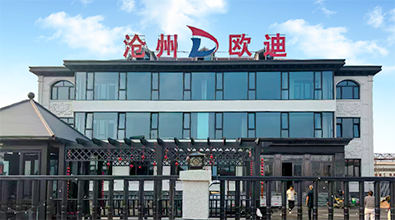
When you source locally, you have to think about cost, logistics, and professional skill. Chinese companies like Cangzhou Oudi Pipe Manufacture Co., Ltd. have reasonable prices and can make up to 16,000 tonnes of pipes every year. Because they are in Mengcun Hui Autonomous County, which is China's pipe fitting manufacturing hub, they have access to a wider supply chain and have built up a lot of specialised technical knowledge over the years. We keep control of our own import and export power, which makes foreign shipping and paperwork easier.
Indian suppliers serve markets in the Middle East and Africa with prices in the middle range and knowledge of the ASME code. European manufacturers charge more, but their products are certified to meet PED and EN standards. American makers provide compliance with the Buy America Act, which is necessary for publicly funded infrastructure.
Expectations for lead times vary a lot. Chinese manufacturers usually give quotes of 25 to 35 days for standard orders, plus another 20 to 30 days for shipping by sea. European and American sources usually need 45 to 60 days to produce something, plus fast air freight for pressing needs. We've put money into inventory programs that hold common sizes in Schedule 40S and 80S, allowing delivery in 7–10 days for urgent project needs.
Critical Questions to Ask Potential Suppliers
When judging a supplier, you have to look deeper into their business and quality processes. To begin, ask for flowcharts of the production process from raw material receipt to testing. Manufacturers with a good reputation give detailed steps, such as:
- billet inspection
- heating
- forging or extruding
- milling
- heat treating
- using NDT
- final inspection
- storing and packaging
Infrastructure for quality control shows a dedication to regular performance. Find out what kinds of testing tools they have on hand, such as spectroscopy for checking BW Carbon Steel Cap material, tensile testing machines, and hardness testers. Find out how often the calibration is done and if it can be linked to national standards. During facility audits, we check that the dates on the calibration stickers match the dates on the certificates.
Material tracking systems stop grade switching and let you look into failures. Ask them to explain how they keep track of their heat numbers from the mill receipt to marking the finished product. Quality providers keep databases that connect the unique number of each cap to its production heat, manufacturing date, NDT results, and records of its dimensions. Ask the manufacturer for contact information for customers who have used similar products before; a confident maker will be happy to give you examples.
Evaluating Pricing, Delivery Terms, and Contract Conditions
To find value versus cheap material replacement, stated costs must be broken down into their parts. Ask for detailed quotes that include the cost of the raw materials, the work that goes into making the product, and testing. When prices seem too cheap to be true, it's usually because the raw materials aren't good enough or testing methods weren't done. In legal manufacturing, volume discounts grow in a way that makes sense, such as 5-8% for orders of 10 tonnes.
Delivery terms under Incoterms spell out who is responsible for what. FOB (Free On Board) prices from Chinese ports mean that buyers are responsible for setting up ocean freight and insurance. Cost, Insurance, and Freight (CIF) to target ports makes things easier for the buyer, but the seller adds a markup. Our company often suggests CFR (Cost and Freight) with insurance set up by the buyer for the best cost-benefit balance.
The way you pay shows financial stability. For first orders, we usually need a 30% deposit and the remaining 70% to be paid with shipping documents. For bigger projects, we can switch to LC (Letter of Credit) terms. Besides price and delivery, contract clauses need careful attention as well. Instead of vague "industry standard" wording, use ASTM standards to define the accepted criteria. Include penalties for late deliveries that reflect the size of the job. Define the ways to settle disagreements, such as international arbitration under ICC rules.
Maintaining Quality Post-Purchase: Best Practices for BW Carbon Steel Cap Handling and Maintenance
Proper Installation Procedures and Common Pitfalls
The first step to a successful installation of a BW Carbon Steel Cap is to store and handle it correctly before welding. Until right before they are used, caps should stay in their original packaging with rust inhibitors. Keeping things stored in closed, well-ventilated areas keeps moisture from building up, which leads to surface rust that contaminates weld zones. I've seen setups that didn't work because rust scale made 15% of the root passes porous, requiring the whole weld to be reworked.
For good butt-welds, fit-up work needs care. ASME B16.25 says that pipe ends must be square-cut within a 1.5° tolerance and bevelled to a 37.5° angle. The gap between the cap and the pipe should be the right size for the welding process, typically 1/16 inch for SMAW root passes. When a fit-up isn't lined up right, it causes eccentric weld reinforcement and areas where the fusion isn't complete.
Installation must follow welding procedure specifications (WPS) approved by PQR. These papers spell out warmup temperatures (95°C for carbon steel over 1 inch thick), filler metal requirements (E7018), and post-weld heat treatment needs. Some common installation mistakes are not preheating enough, weaving too much, and cooling too quickly. Don't use water or compressed air to speed up the cooling process. In thick-wall uses, a post-weld heat treatment at 595–650°C reduces remaining stresses and stops stress corrosion cracking.
Routine Inspection and Preventive Maintenance Strategies
Systematic inspection programs find signs of wear and tear before they break. Use risk-based inspection (RBI) methods to focus efforts on places with potential problems, like dead legs that could rust or vibration points. The number of inspections varies from once a year for low-risk systems to three times a year for corrosive applications using ultrasonic thickness monitoring. Surface corrosion, coating failure, mechanical damage, and leaking can all be seen with the naked eye.
Ultrasonic thickness measurement finds internal corrosion in systems that deal with sour hydrocarbons or wet gases. Set a standard width when the BW Carbon Steel Cap is installed, and then check it at set times based on how fast corrosion is expected to happen. When the thickness loss is more than 25% of the original wall, engineers look at replacement costs. Maintenance on the coating system stops external corrosion that weakens the structure. During normal operations, check for bare spots or mechanical damage.
Vibration analysis finds supports that are becoming loose. When a rotary compressor discharge spike hits a cap on a pipe, it goes through alternating stress cycles that make cracks spread. Put vibration monitors on important systems and look into frequency changes. Finding leaks during pressure testing proves that the integrity is still there. As required by ASME B31.3, every three to five years, hydrostatic testing at 1.5 times the design pressure shows that the pressure limit is reliable. Keep track of test pressures, hold times, and leakage observations to look at trends.
Conclusion
Checking the quality of BW Carbon Steel Caps protects big investments in pipe infrastructure and makes sure that they are safe to use in tough industrial settings. The verification process includes looking over certifications and material test results, checking the size and state of the surface, and figuring out how good the provider is by auditing their facilities and calling references. Comparing different types of connections, materials, and ways of making them lets you make an informed choice that fits your application needs and your budget. Strategic relationships with suppliers based on open communication and a shared commitment to quality deliver long-term benefits that go beyond the initial purchase price. Post-installation maintenance, such as systematic inspection programs and good operating procedures, extends the life of assets and stops costly breakdowns and production interruptions.
FAQ
1. What documentation should accompany quality BW carbon steel caps?
Complete documentation packages include material test certificates (MTCs) showing chemical composition and mechanical properties traceable to specific heat numbers, dimensional inspection reports verifying ASME B16.9 compliance, non-destructive testing records (radiographic or ultrasonic examination results), manufacturer's ISO 9001 certificate, and special equipment manufacturing licenses. Purchase orders should specify documentation requirements explicitly—requesting "certified MTCs per ASTM A234" rather than accepting generic mill certificates. Reputable suppliers provide English-language documents with authorized signatures and company seals. Retain this documentation throughout the component's service life for failure investigation, insurance claims, and regulatory inspections.
2. How do I verify a supplier's certifications are genuine?
Authentic ISO 9001 certificates are verifiable through the issuing certification body's online registry by entering the certificate number or company name. Check that the scope statement specifically covers "butt-weld pipe fittings" or "pressure piping components"—generic manufacturing scopes don't confirm relevant expertise. Special equipment licenses should be verified through government databases: China's SAMR website for TS certificates, European Notified Body databases for PED compliance. Request recent surveillance audit reports showing the certification body's annual assessments. Conduct supplier audits examining actual production facilities and quality records—genuine manufacturers welcome customer visits, while fraudulent operations make excuses to avoid facility access.
Partner with Oudi for Certified BW Carbon Steel Cap Solutions
Cangzhou Oudi Pipe Manufacture Co., Ltd. has been making carbon steel pipe fittings for more than 25 years and has ISO 9001:2000 certification and special equipment production licenses from the People's Republic of China. Our 66,600-square-meter factory in Mengcun, China, which is known as the "pipe fitting manufacturing hub," makes 16,000 tonnes of products every year and has all the testing tools we need, such as spectroscopy, tensile testing, impact testing, and non-destructive examination equipment. We have more than 300 customers in 40 countries in the oil, chemical, natural gas, and water conservation industries. As a company that makes the BW Carbon Steel Cap, we have strict quality control from the time we receive the raw materials until the caps are inspected for the last time. Our product range covers a wide range of sizes, from 1/2″ to 48″, and thicknesses from Schedule 5S to XXS. Email our technical team at oudi-04@oudiguandao.com to talk about your specific needs and get quotes that come with full material certifications and testing records.
References
1. American Society of Mechanical Engineers (2020). ASME B16.9: Factory-Made Wrought Buttwelding Fittings. New York: ASME Press.
2. ASTM International (2021). ASTM A234/A234M Standard Specification for Piping Fittings of Wrought Carbon Steel and Alloy Steel for Moderate and High Temperature Service. West Conshohocken: ASTM International.
3. Becht, C. (2018). Process Piping: The Complete Guide to ASME B31.3 (4th ed.). New York: ASME Press.
4. Mohitpour, M., Golshan, H., & Murray, A. (2007). Pipeline Design & Construction: A Practical Approach (3rd ed.). New York: ASME Press.
5. International Organization for Standardization (2015). ISO 9001:2015 Quality Management Systems — Requirements. Geneva: ISO.
6. Singh, R. (2017). *Applied Welding Engineering: Processes, Codes

Need help finding the right solution with our experts. Please contact us.
SINCE 1998 Your Reliable Pipeline Manufacturer