How to Verify Carbon steel elbow supplier Test Certificates?
Confirm the supplier's test certifications. This is one of the most critical procedures in the procurement process when buying carbon steel elbows for oil, gas, chemical, or water conservancy projects. A professional carbon steel elbow supplier will provide you with full paperwork such as mill test reports (MTRs), chemical composition records, and mechanical property test results to prove each product matches your project’s criteria. If you don’t check the certificate, you may end up with non-compliant components that may threaten the integrity of the system, cause project delays, or even put lives at danger on the building site.
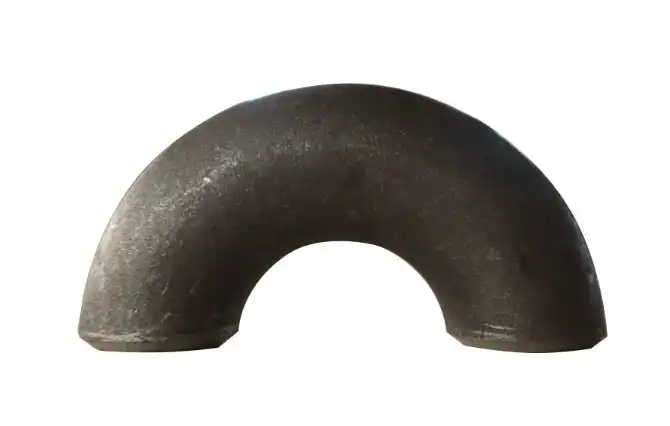
Understanding the Importance of Carbon Steel Elbow Test Certificates
Test certifications are not simply pieces of paper. They are the key to quality assurance in the purchase of industrial plumbing. You should have a number of documents to hand for inspection before the first elbow arrives at your facility.
What Are Mill Test Reports (MTRs)?
The MTRs are supplied by the steel mill or producer and document the actual chemical and mechanical attributes of a particular heat or batch of material. They can track every product back to the source material it came from – a critical need for oil refinery and power plant applications where material traceability is non-negotiable.
Types of Certificates You Should Request
Procurement teams should request at least three kinds of documents: the material test report (to verify chemical composition), the mechanical property test report (including tensile strength, yield strength, and elongation), and a dimensional inspection report. For high-pressure systems, additionally, a non-destructive testing (NDT) report, such as ultrasonic or radiographic testing findings, is anticipated.
Why Traceability Matters in Supply Chain Management
The carbon steel used in a pipeline system is assigned a heat number for each elbow to identify the precise manufacturing lot it came from. This chain of traceability from raw material receipt to final product, when verified, decreases the danger of combining non-conforming materials in a project. All carbon steel elbow suppliers who have an ISO 9001-certified quality management system have written records at every step of manufacturing.
Key Standards and Specifications to Verify on Carbon Steel Elbow Certificates
One part of the struggle is knowing what standards pertain to your order. Carbon steel elbows are made as per several international standards. Each standard has its own set of specifications.
ASTM, ASME, EN, and ISO Standards
The most widely cited standards for American and European projects are ASTM A234 for butt-welding pipe fittings, ASME B16.9 for factory-made wrought fittings, and EN 10253 for European applications. ISO standards are about quality management systems and not directly product requirements; however, it is worth checking this with your supplier.
Material Grade and Chemical Composition Checks
The certificate must indicate the proper grade of material, i.e WPB, WPC, WP11, etc. The exact chemical composition of the material, including the proportion of carbon, manganese, phosphorus, and sulfur. These values should be within the limitations stated in the appropriate standard. Any discrepancy must be questioned and addressed prior to acceptance of shipment.
Mechanical Property Verification
Compare the presented tensile strength, yield strength, and impact resistance figures on the certificate with the values needed for your project. For example, ASTM A234 WPB mandates a minimum tensile strength of 415 MPa. Do not accept the document without additional inspection if you see lower numbers or blank fields on the certificate.
Step-by-Step Process to Verify Carbon Steel Elbow Supplier Test Certificates
A clear, repeatable process protects your procurement team from accepting false or incomplete documentation. Here is a practical framework to follow.
Step 1 — Request Complete Documentation Before Order Confirmation
At the inquiry stage, ask the pipe fittings manufacturer to provide sample certificates from previous shipments. This gives you a preview of their documentation quality. Confirm that certificates include the manufacturer's name, date of issuance, heat number, order reference, and authorized signature or stamp.
Step 2 — Authenticate the Certificate Through Direct Verification
Check the certificate's unique identifiers—heat numbers, lot numbers, and inspection stamps. Contact the issuing third-party inspection body directly when the certificate claims involvement from organizations such as SGS, BV, or TÜV. A reliable carbon steel elbow supplier will support this step willingly and provide inspection body contact details without hesitation.
Step 3 — Compare Multiple Supplier Certificates Side by Side
Once you collect certificates from several potential pipe fitting suppliers, place them side by side for comparison. Look for consistency in formatting, completeness of data fields, and alignment with stated standards. Inconsistencies—such as a certificate referencing a standard edition that was discontinued before the stated production date—are red flags worth investigating before signing any purchase agreement.
Practical Tips to Avoid Common Pitfalls When Verifying Certificates
Even experienced procurement professionals can miss subtle issues in certificate verification. Here are the most common pitfalls and how to address them.
Red Flags That Signal a Problematic Certificate
Watch for these warning signs when reviewing documentation:
- Missing heat numbers or lot numbers — Without these, material traceability breaks down entirely.
- Inconsistent formatting or fonts — A certificate with mixed formatting may indicate it was altered after issuance.
- Unverifiable inspection body stamps — If you cannot confirm the third-party inspection agency's identity, treat the certificate as unverified.
- Mechanical values that appear identical across batches — Real test results vary slightly between production heats; identical values across multiple certificates suggest copied data.
These signs do not always mean fraud, but they warrant a direct conversation with the supplier and, when possible, a request for re-testing.
Combine Document Review With Physical Inspection
Certificate verification should never replace physical product inspection. Arrange for third-party inspection at the factory before shipment, particularly for large orders going into critical applications like natural gas transmission or chemical processing plants. A physical dimensional check confirming wall thickness, bend radius, and end preparation against ASME B16.9 tolerances gives you a layer of assurance that paperwork alone cannot provide.
Understand Regional Standard Variations
Suppliers exporting to multiple markets—Europe, the Middle East, Southeast Asia—may work with DIN, JIS, BS, or ANSI standards simultaneously. Confirm that the certificate references the standard specific to your order, not a general-purpose document recycled from another client's shipment.
Why Oudi Is a Trusted Carbon Steel Elbow Supplier for Global Projects
Oudi has been producing carbon steel pipe fittings since 1998. Oudi is based in Cangzhou, China, known as “China Fitting”, and has a plant of 66,600 square meters with an annual manufacturing capacity of 16,000 tons. We make 45°, 90°, and 180° carbon steel, stainless steel, and alloy steel elbows, flanges, tees, reducers, and caps in accordance with ANSI, JIS, DIN, and BS standards.
Oudi has the People’s Republic of China Special Equipment Manufacturing License and is ISO 9001:2000 quality management system certified. Quality control is applied at all stages from the intake of raw materials, through in-process production control, to inspection of the completed product, employing modern detection technology and a thorough non-destructive testing methodology.
Oudi has over 300 clients in more than 40 countries with proven export experience to Europe, North and South America, Africa, Southeast Asia, and the Middle East, including Iran, Singapore, and Greece. When you seek a certificate, Oudi provides evidence that is traceable, verifiable, and meets the standards of your project.
Conclusion
Checking test certifications from a carbon steel elbow supplier is not a one-off operation – it should be part of the normal purchase cycle. Understanding what to ask for, which standards apply, and how to validate data will help your team to dramatically decrease procurement risk. A physical examination and a thorough analysis of the documentation will offer you the most comprehensive picture of product quality. The suppliers you want to create long-term relationships with are those that are receptive to this process, provide you with full and verifiable paperwork, and have recognized certifications.
FAQ
1. What should I do if a supplier's test certificate is incomplete?
Request a revised certificate with all missing fields completed before accepting the shipment. If the supplier cannot provide a complete document, escalate the issue to your quality assurance team and consider placing the order on hold until the documentation is resolved.
2. How often should I verify certificates during an ongoing procurement relationship?
Even with trusted suppliers, verify certificates on every new order. Material grades, production batches, and subcontractors can change between orders. Spot-check at least one certificate per shipment against the original standard specification to confirm nothing has changed without notification.
3. Do test certificates guarantee that a product is completely defect-free?
No. Test certificates confirm that the tested sample met specified chemical and mechanical requirements at the time of testing. They do not guarantee every individual piece in a batch is defect-free. This is why physical inspection and NDT testing remain necessary for critical applications.
4. What is the difference between a mill test report and a third-party inspection certificate?
A mill test report comes from the manufacturer and records production data for a specific heat. A third-party inspection certificate is issued by an independent body—such as SGS or BV—that physically inspected the products on-site, providing an additional, independent layer of verification.
Partner With Oudi — A Certified Carbon Steel Elbow Supplier and Manufacturer
Oudi provides a fully documented carbon steel elbow supplier backed by ISO 9001 certification, special equipment manufacturing licenses, and traceable mill test reports. Whether you need 90° short-radius elbows for oil refinery applications or 45° long-radius fittings for chemical plant construction, Oudi supports your procurement process from sample request to bulk delivery. Contact our team at oudi-04@oudiguandao.com to request a quote today.
References
1. ASTM International. ASTM A234/A234M: Standard Specification for Piping Fittings of Wrought Carbon Steel and Alloy Steel for Moderate and High Temperature Service. 2023.
2. ASME. ASME B16.9: Factory-Made Wrought Buttwelding Fittings. 2018.
3. ISO. ISO 9001:2015 Quality Management Systems — Requirements. 2015.
4. European Committee for Standardization. EN 10253-2: Butt-Welding Pipe Fittings — Part 2: Non-Alloy and Ferritic Alloy Steels with Specific Inspection Requirements. 2007.
5. Bureau Veritas. Industrial Inspection and Testing Services for Pipe Fittings and Pressure Equipment. 2022.
6. American Petroleum Institute. API 5L: Specification for Line Pipe — Material and Testing Requirements for Carbon Steel Piping Components. 2018.

Need help finding the right solution with our experts. Please contact us.

SINCE 1998 Your Reliable Pipeline Manufacturer



