Lap Joint Flange CS Price Guide for Bulk Orders
When purchasing managers need to find large amounts of carbon steel lap joint flanges, they need to know how prices compare in order to keep project budgets in check. Lap Joint Flange CS parts are a cheap option for industrial pipe systems, especially when choosing parts based on how well they work with other materials and how easily they can be installed. Companies can save money by using cheap carbon steel for the flange body and only corrosion-resistant materials for fluid-contact parts in these two-piece assemblies, which have a backing flange and a stub end. This guide breaks down the important pricing factors, sourcing strategies, and value optimisation methods that help B2B buyers get a measurable return on investment (ROI) on large orders for oil, chemicals, natural gas, and water treatment.
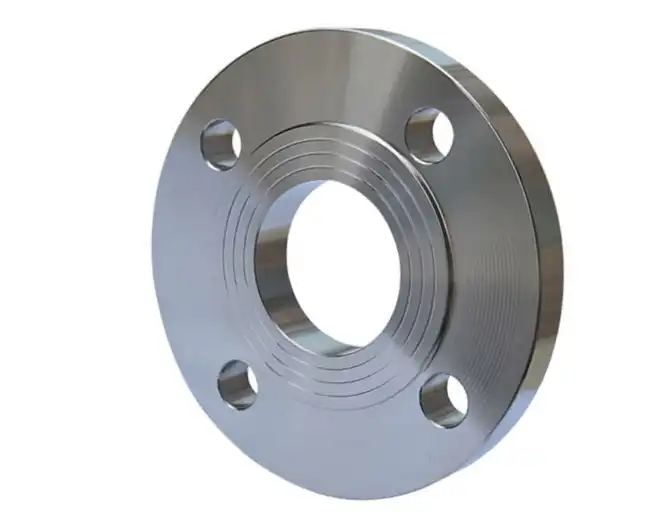
Understanding Lap Joint Flange CS: Specifications and Applications
What Makes Carbon Steel Lap Joint Flanges Unique
A Lap Joint Flange CS assembly has a backing flange that can rotate freely and a stub end that is butt-welded to it. The backing flange is different from rigid weld neck or slip-on flanges because it slides over the pipe without being permanently attached. This lets the pipe rotate freely, which makes it easier to line up the bolt holes during installation. This design solves two operational problems at the same time: it lowers the cost of materials in places where they are likely to rust and gets rid of the need to rotate pipes in crowded industrial areas. At Oudi, we make these units with the backing plate made of ASTM A105 carbon steel, which has a yield strength good for pressure classes from 150# to 2500# while still keeping the prices low for bulk buyers.
Standard Dimensions and Pressure Ratings
Our production follows ASME B16.5 standards for sizes from ½" to 24", and ASME B16.47 standards for sizes up to 60". The bore radius on the inside of the flange accommodates the stub end weld fillet, making sure proper seating and seal integrity. Lap Joint Flange CSs have pressure ratings from 150# to 2500#, making them suitable for uses where temperature and pressure levels stay moderate. The flat-faced flange pairs with the raised sealing surface of the stub end, creating a good seal.
Industrial Applications Driving Bulk Demand
Chemical processing plants use these flanges a lot when their piping systems carry mildly corrosive fluids. Operators can save money by choosing stainless steel stub ends for fluid contact and Lap Joint Flange CS components for structural load transmission—this can cut material costs by 40–60% compared to full stainless assemblies. Water treatment plants like how easy it is to disassemble during routine maintenance—technicians can access valve internals or remove sediment buildup without cutting welds or disturbing adjacent piping.
Key Factors Influencing Lap Joint Flange CS Pricing for Bulk Orders
Material Grade and Carbon Steel Quality
When you buy in bulk, the choice of base material has a direct effect on the unit price. At Oudi, our standard material is ASTM A105 carbon steel, which has good weldability and mechanical properties for general service temperatures up to 650°F. The cost of materials changes based on the global steel market, with raw material costs usually making up 45–55 per cent of the finished Lap Joint Flange CS price. Higher carbon content grades or normalised heat treatments add to the cost, but they provide better grain structure and mechanical consistency, which some specifications need for critical service applications.
Size and Pressure Class Economics
Dimensional requirements cause big price differences between bulk orders. For example, a 2" class 150# flange needs a lot less raw material and machining time than a 24" class 600# unit, so the costs are proportionally higher. Buying in bulk usually leads to economies of scale, where the cost per unit goes down as the number of pieces ordered goes over 500. Oudi's 16,000-ton annual production capacity lets us offer competitive volume pricing while keeping consistent delivery schedules that meet project deadlines without charging extra for rush orders.
Manufacturing Customisation and Lead Time Impact
Standard-dimension flanges from existing inventory have the best prices and fastest delivery times, usually within two to three weeks. Custom specifications, like non-standard bore diameters, special facing finishes, or unique bolt patterns, can add 15 to 30 per cent to base prices because they require more time and money to set up the tools. Procurement teams in charge of big projects can benefit from working with suppliers early on to make sure that production schedules meet both customisation needs and budget constraints.
Surface Treatment and Corrosion Protection
Bare carbon steel is the least expensive option, but it needs to be properly protected against corrosion in most working conditions. Hot-dip galvanising adds about $0.80 to $1.20 per pound to the cost of the flange, but it provides strong zinc coating protection for outdoor installations. Epoxy painting systems are less expensive, but they need to be maintained more often in harsh environments. At Oudi, we do our own surface treatment, which ensures quality control throughout the finishing process and cuts down on delays and costs caused by third-party processing.
When purchasing managers understand how these price factors affect each other, they can set specifications that get the best value without sacrificing performance. Our ISO 9001:2000 quality system makes sure that manufacturing standards are maintained across all runs, which protects buyers from the expensive quality changes that can happen with bulk orders from suppliers who aren't as strict.
Comparing Lap Joint Flange CS with Other Flange Types for Cost Efficiency
Design and Installation Cost Analysis
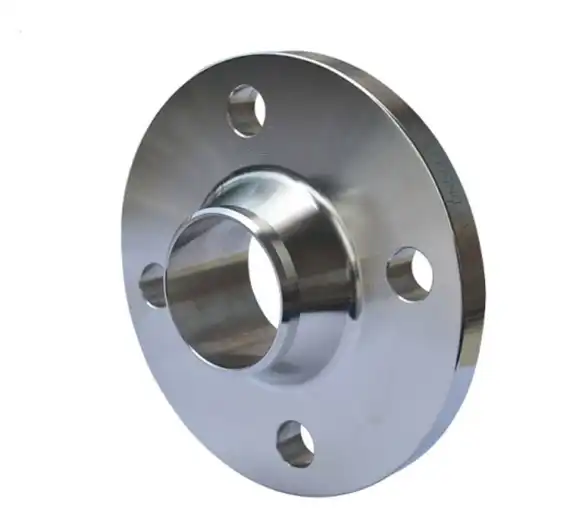
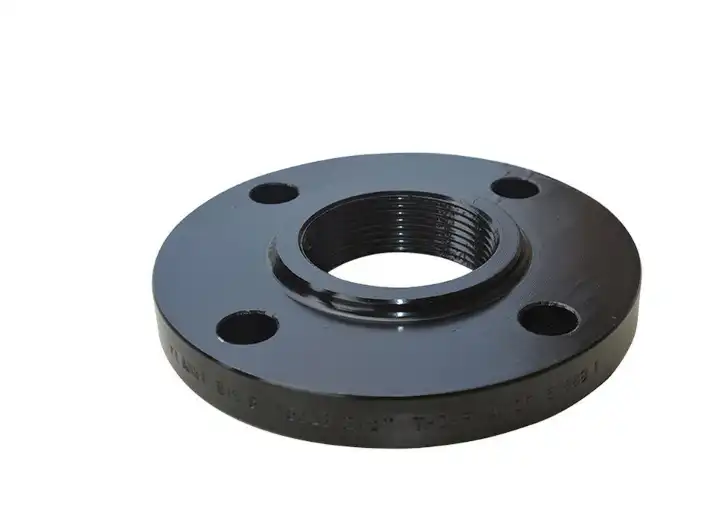
Weld neck flanges are stronger and more resistant to fatigue, but they require skilled welders and time-consuming beveling processes that make them 40% to 70% more expensive to install than Lap Joint Flange CS assemblies. Slip-on flanges are easier to weld, but they don't have the advantage of rotational alignment that lap joint designs do in retrofit or crowded piping situations. The two-piece lap joint construction allows quick bolt pattern alignment without putting torsional stress on the pipe, which saves installation time and lowers total project costs even though the components are a little more expensive than basic slip-on designs.
Material Strategy: Carbon Steel Versus Stainless Alternatives
Stainless steel lap joint flanges are three to five times more expensive than Lap Joint Flange CS equivalents of the same size and pressure class. The cost-effectiveness of the lap joint design is most clear in corrosive environments, where buyers can choose 316L stainless steel stub ends paired with carbon steel backing flanges. This gives chemical resistance where fluid contacts the stub end while using cost-effective carbon steel for the non-wetted flange component. This strategy is especially useful in bulk procurement, where material cost differences multiply across hundreds or thousands of connection points throughout a facility.
Bulk Purchasing Advantages and Supplier Partnerships
Orders over 1,000 pieces usually get discounts of 12–18% off the standard list price, and multi-year supply agreements that make production schedules more predictable can get even bigger discounts. Working with well-known manufacturers like Oudi, who have over 300 customers in 40+ countries, guarantees supply chain reliability that keeps projects from being held up, which saves a lot of money. Our export experience includes full documentation support for international shipments, customs clearance help, and logistics coordination that makes cross-border buying easier for buyers in North America, Europe, and other global markets.
How to Source and Purchase Lap Joint Flange CS Efficiently
Evaluating Supplier Credentials and Capabilities
Our ISO 9001:2000 quality management certification and People's Republic of China special equipment manufacturing license show that we follow international quality standards and government rules. Our advanced production equipment, such as CNC machining centres and automated forging systems, shows that we can keep the same dimensions across large production runs. To make sure that every Lap Joint Flange CS production batch is safe to ship, our in-house testing facilities perform chemical composition analysis, mechanical property testing, hydrostatic pressure testing, and non-destructive examination.
Breaking Down Total Landed Cost Components
45–55 per cent of the base flange price goes to raw materials. Forging or machining adds another 25–30%, quality inspection adds another 5–8 per cent, and surface treatments add another 10–15 per cent. Freight costs vary a lot depending on where the goods are going, how they are shipped, and how many tonnes are being shipped. Containerised ocean freight usually costs $150–$300 per tonne for deliveries from our Cangzhou facility to major U.S. ports, but air freight can cost over $2,000 per tonne for urgent requirements. Import duties, customs brokerage, and domestic transportation add further cost layers that buyers must incorporate into total project budgets.
Negotiation Strategies for Volume Orders
Beyond unit pricing, payment term flexibility is a useful bargaining chip. For example, standard terms of 30% deposit and 70% balance before shipment can often be changed to more favourable structures, such as net 30 or net 60 payment windows, for long-term customers or large orders. Asking for itemised quotes that separate material, fabrication, testing, and finishing costs makes things clear and lets you negotiate on specific cost components. Multi-phase delivery schedules help manage working capital needs while keeping a steady flow of materials to construction sites, avoiding both the costs of keeping inventory and delays caused by shortages.
Custom Manufacturing Versus Stock Products
We keep standard-dimension flanges in stock and can deliver them in two to three weeks at the lowest cost per unit. This makes them perfect for projects where the specifications can be changed easily. Custom manufacturing, on the other hand, can meet specific project needs but takes six to eight weeks and has tooling costs that become affordable only above minimum order quantities, which are usually 100 to 200 pieces, depending on the complexity. At Oudi, we keep stock of common sizes in class 150# and 300# ratings, balancing quick-turn availability against the wide range of custom configurations we can make through our custom fabrication capabilities.
Maintenance, Inspection, and Longevity to Maximise ROI
Routine Maintenance Protocols
Checking Lap Joint Flange CSs for early signs of corrosion is important, especially at the gasket seating surfaces and bolt hole areas, where moisture builds up quickly and speeds up oxidation. Adding protective coatings during planned shutdowns greatly extends service life—touch-up painting every 3–5 years for indoor installations or every 2–3 years for locations that are exposed to the weather stops minor surface rust from turning into structural damage. Bolt torque verification during annual maintenance shutdowns makes sure that gasket compression stays consistent, stopping leak paths that cause fluid loss and faster flange face corrosion.
Strategic Inspection Scheduling
Using risk-based inspection intervals makes the best use of maintenance resources and protects the integrity of assets. Circuits that handle dangerous or flammable hydrocarbons should have visual inspections once a year and ultrasonic thickness measurements every three to five years to keep an eye on corrosion rates. Lower-risk water service applications may have inspections every three to five years for visual assessment and every seven to ten years for a detailed NDT examination. This tiered approach concentrates inspection budgets where failure consequences call for more frequent monitoring, while avoiding spending on connections that don't need it.
Quantifying Total Cost of Ownership
A well-maintained Lap Joint Flange CS assembly in chemical service can last for 15-20 years before it needs to be replaced. On the other hand, installations that aren't taken care of may fail within 5-7 years due to corrosion-induced leakage or bolt hole elongation. The cost difference is huge: replacing parts too soon means buying new ones, shutting down the system, labour for removal, installation time, and hydrostatic testing, which can add up to more than 5–8 times the price of the original flange. Our clients in water treatment facilities say that systematic maintenance programs cut down on unplanned downtime by 60–75% compared to reactive repair approaches, which directly leads to higher reliability and lower operating costs. These maintenance methods protect the initial investment while ensuring safe, legal operations throughout the asset's lifecycle. The rotatable design of lap joint flanges actually makes maintenance easier—technicians can unbolt the assembly, rotate the backing flange to get to the bolt holes, and then reassemble without disturbing the butt weld to the pipe.
Conclusion
To get the best deal on bulk orders of Lap Joint Flange CSs, you need to carefully consider a lot of technical and business factors. These include the type of material used, its dimensions, any surface treatments, and the supplier's abilities. Because of the way lap joint assemblies are designed, you can save a lot of money on materials by choosing corrosion-resistant stub ends and cheap carbon steel backing flanges. It's especially helpful to work with established manufacturers who combine competitive pricing with reliable quality systems and proven export logistics. Proper maintenance protocols extend component service life substantially, protecting procurement investments while ensuring safe, compliant operations across the decades-long lifecycle typical of industrial piping infrastructure.
FAQ
1. What standard sizes are available for carbon steel lap joint flanges?
We can make ASME B16.5 sizes from ½" to 24" in 150#, 300#, 600#, 900#, 1500#, and 2500# pressure classes. We can also make larger sizes up to 60" diameter that meet ASME B16.47 standards in Series A and Series B configurations. For custom sizes that aren't in these ranges, a technical review is needed, and there are usually minimum order amounts to cover the cost of the tools.
2. How long does delivery take for bulk orders?
Standard-size flanges that are already in stock usually ship two to three weeks after the order is confirmed. Custom specifications or large orders that need dedicated production runs usually take 6 to 8 weeks from the time the deposit is received until the goods are ready to be shipped. When you place an order, we send you a detailed production schedule along with updates on progress to help you plan your project.
3. Can carbon steel lap joint flanges handle high-pressure applications?
When installed correctly with the right gasket materials and bolt torque, Lap Joint Flange CSs work reliably in situations that match their pressure class ratings. Many high-pressure services can handle ratings of 600# or higher up to their rated limits. These flanges only have about 10% of the fatigue strength of weld neck designs. This means they are better for situations with static or moderate cycling pressure than for environments with a lot of vibration or temperature cycling.
Partner with Oudi for Your Carbon Steel Lap Joint Flange Requirements
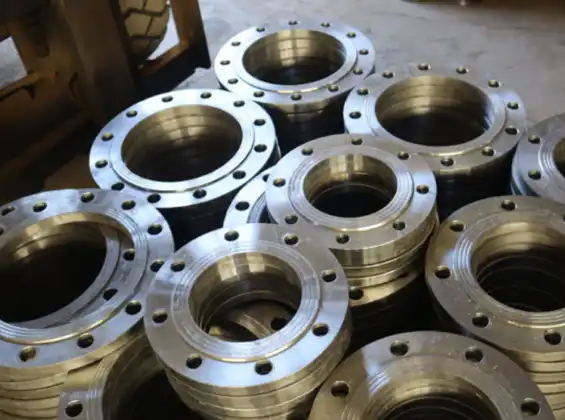
Oudi has been making specialised pipe fittings for 25 years, has quality systems that are ISO 9001:2000 certified, and can produce 16,000 tonnes of products every year. This makes us a reliable Lap Joint Flange CS supplier for tough industrial projects. At our Cangzhou plant, we keep up-to-date CNC machining tools, automatic inspection systems, and a wide range of testing tools to make sure that every output batch meets ASME standards for mechanical traits and accuracy of dimensions. We've helped over 300 customers in over 40 countries with their overseas purchases by providing full paperwork packages, customs support, and transportation coordination. No matter how many units your project needs—100 or 10,000—our technical team works closely with your engineering and purchasing departments to make sure that the specs, shipping schedules, and pricing structures are all in line with the goals of the project. Contact our export specialists at oudi-04@oudiguandao.com to receive detailed quotations, material certifications, and delivery schedules tailored to your specific requirements.
References
1. American Society of Mechanical Engineers. (2020). ASME B16.5: Pipe Flanges and Flanged Fittings NPS 1/2 Through NPS 24 Metric/Inch Standard. New York: ASME Press.
2. Becht, C., & Roberts, W. (2018). Fatigue of Welded Piping Components: Analysis and Design Considerations. Journal of Pressure Vessel Technology, 140(3), 031401-031409.
3. Chuse, R., & Carson, B. (2019). Pressure Vessels: The ASME Code Simplified (9th ed.). New York: McGraw-Hill Professional.
4. Nayyar, M. L. (2017). Piping Handbook (8th ed.). New York: McGraw-Hill Education.
5. Smith, P. R., & Zappe, R. W. (2016). Valve Selection Handbook: Engineering Fundamentals for Selecting the Right Valve Design for Every Industrial Flow Application (6th ed.). Cambridge: Gulf Professional Publishing.
6. Welder, J. M., & Francis, T. A. (2021). Industrial Flange Standards and Material Selection Strategies for Chemical Processing Applications. Chemical Engineering Progress, 117(5), 42-49.

Need help finding the right solution with our experts. Please contact us.

SINCE 1998 Your Reliable Pipeline Manufacturer



