Lap Joint Flange CS Price Guide: What Factors Affect Cost?
When sourcing Lap Joint Flange CS for your industrial projects, understanding the cost drivers behind carbon steel lap joint flanges makes the difference between budget overruns and strategic procurement. These flanges, comprising a freely rotating backing flange paired with a stub end, offer substantial cost advantages in corrosive environments and retrofit situations. Pricing depends on material specification, manufacturing standards, dimensional complexity, supplier capabilities, and order volume—all factors that procurement managers must evaluate to balance expense against long-term system reliability and compliance requirements.
Understanding Lap Joint Flange CS: Key Features and Uses
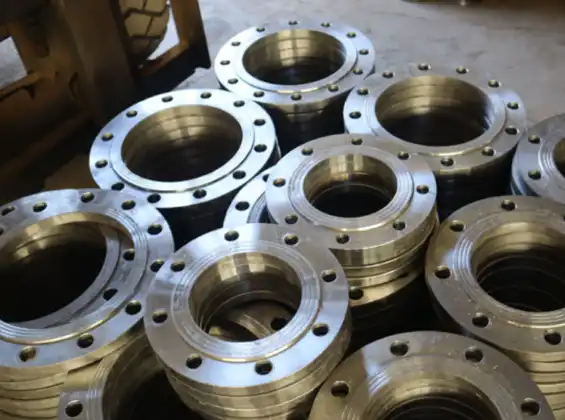
Lap joint flanges represent a specialized two-component piping assembly that addresses specific engineering challenges in industrial systems. The design separates the structural load-bearing element from the wetted component, creating operational and economic advantages across multiple industries.
What Makes Lap Joint Flange CS Unique
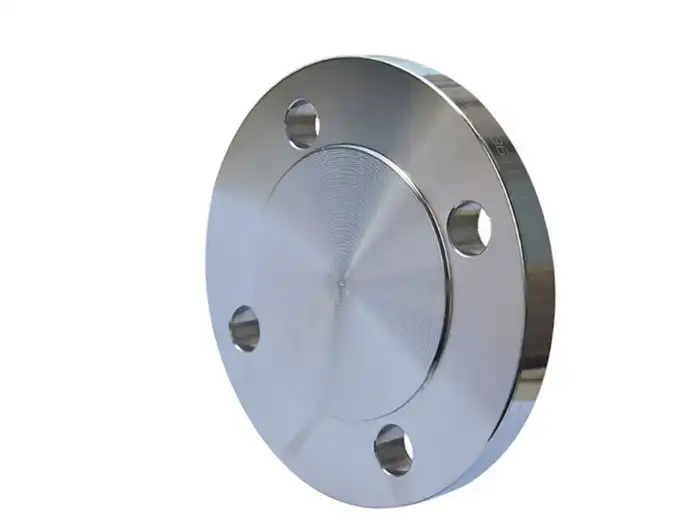
The lap joint flange design consists of a metallic backing ring that slides freely over the pipe and seats against a stub end, which is butt-welded directly to the piping system. This configuration allows the flange to rotate independently, solving alignment challenges that rigid flanges cannot address. When working with Lap Joint Flange CS manufactured from carbon steel like ASTM A105, the backing flange provides mechanical strength while the stub end handles medium contact. This separation enables cost optimization in corrosive applications—you can specify expensive exotic alloys solely for the stub end while using economical carbon steel for the flange body, reducing material expenses by 40-60% compared to full exotic metal construction.
Primary Industrial Applications
For maintenance, affordability, and alignment flexibility, heavy industries employ carbon steel lap joint flanges. Chemical processing equipment that handles sulphuric acid employs duplicate metal to prevent corrosion and save money. Water treatment facilities can disassemble quickly for maintenance because of the loose flange design, which permits bolt removal without breaking welds or realigning heavy pipe. Freely rotating flanges fit bolt patterns at unexpected angles without torsional stressing packed pipe rack architecture, making them ideal for refinery retrofits. Due to inspection cycles or space limits, oil and gas collection systems, power plants, and ships employ these flanges.
The components meet ASME B16.5 for ½" to 24" and ASME B16.47 for 60" diameters, with pressure classes from 150# to 2500#. The flange bore's inner diameter's curved radius clears the mating stub end's weld fillet, and the flat face increases the sealing surface when joined. Carbon steel flanges transfer bolt stresses but have 10% the fatigue strength of weld neck designs, making them appropriate for low-to-moderate pressure applications rather than harsh cycles.
Factors Influencing Lap Joint Flange CS Prices
The ultimate price matrix of Lap Joint Flange CS is a mixture of many interrelated factors. Procurement experts who know these cost factors are in a better position to bargain successfully and find true value offers during supplier assessment.
Material Grade and Raw Material Quality
Price variance is based on the specification of carbon steel grade. Carbon steel ASTM A105 is the most prevalent material used for ambient and increased temperature service, and is priced at a baseline level that varies with the global steel market. The high price of specifications requiring ASTM A350 low-temperature carbon steel for cryogenic use is due to specialised production procedures that assure impact toughness at subzero temperatures. The quality of raw materials directly affects mechanical qualities and lifespan. Oudi, like other respectable manufacturers, sources confirmed mill-certified steel and complete material traceability from ingot to final product. Chemical composition tests, grain structure analysis, and mechanical property verification. All of these incur extra expense but avoid field failures that greatly outweigh the initial savings from unverified materials.
Manufacturing Standards and Certification Requirements
Meeting international standards has noticeable cost variances depending on the level of quality assurance. Flanges made to the dimensional tolerances of ASME B16.5 need precise machining that is tighter than the more relaxed market requirements. ISO 9001 accreditation is a methodical way of managing quality, although it is administratively heavy. The unit price will reflect the expenses of extra inspection procedures, documentation systems, and third-party audits, which suppliers will have to engage in case a project requires specific manufacturing equipment licenses or API certifications. The dimensional correctness directly influences the installation labour costs and the sealing reliability. Advanced forging equipment and CNC machining centers enable manufacturers to generate tighter tolerances that may be justified with premium pricing by reducing field rework and improving long-term sealing performance.
Dimensional Specifications and Pressure Ratings
Size and pressure class parameters have a large impact on material volume and manufacturing complexity. A 2" class 150 flange takes a lot less raw material and machining time than a 24" class 600 flange. So the cost goes up exponentially as you increase size and pressure rating. The larger pressure classes need thicker cross-sections to counteract the bolt loadings and internal pressure and, thus, increase the material consumption and machining time accordingly. The size of the flange scales with bore diameter machining, bolt hole drilling pattern precision, and facing procedures. Any custom sizes that are not within the ASME standards will need special tooling and longer lead times, which will increase the cost per unit. Also, if you purchase in small quantities, there is no way to spread the setup costs across a big manufacturing run.
Order Volume and Customization Requirements
And cost economics is a big part of quantity economics for Lap Joint Flange CS. When a business produces more than 100 pieces, it may optimise its material procurement, devote a manufacturing line, and lower the per-unit setup cost. Suppliers with a large capacity for production, such as a facility producing 16,000 tonnes a year, might offer volume savings that smaller companies cannot match owing to economies of scale in the purchase of raw materials and scheduling of production. If you want non-standard dimensions, particular facing finishes or unique marking needs, you’re talking about customisation requests that involve engineering review time, specialised equipment and manufacturing workflow interruptions that attract premium prices. Standard catalogue items are subject to well-defined production processes, pre-qualified tooling and predictable quality control methods, reducing cost.
Geographic Factors and Supply Chain Logistics
Supplier location drives regional cost differences driven by differences in labour rates, energy prices, and regulatory compliance costs. Manufacturing centers in China, where Oudi and others are active, provide competitive labour and manufacturing prices and have sophisticated equipment and quality procedures in place. The cost of transportation between manufacturing plants and project sites varies by location. Ocean freight prices vary based on availability of global shipping, while inland transportation varies based on infrastructure and distance. Lead time requirements affect price when hurried manufacturing requires extra labour or airfreight transportation. Other factors affecting total landed cost include import tariffs, processes for customs clearance, and currency exchange rates. Experienced exporters with well-established logistical networks and customs experience reduce these uncertainties by consolidating shipping and paperwork efficiently.
Comparing Lap Joint Flange CS with Other Flange Types in Cost and Functionality
The selection of the material and flange configuration is a compromise between the initial investment and the operating needs and life-cycle economics. There are several types of flanges, each with a different cost-performance ratio for a given purpose.
Carbon Steel vs. Stainless Steel Material Economics
Lap Joint Flange CS (ASTM A105): The price of a Carbon Steel Lap Joint Flange is generally 40-60% lower than a comparable stainless steel flange in 304 or 316 grades. Carbon steel provides good mechanical strength and weldability in noncorrosive or slightly corrosive applications when oxidation is controlled by protective coatings or cathodic protection devices. Its premium comes from intrinsic corrosion resistance that removes the need for coating maintenance and improves service life in severe chemical conditions. The hybrid solution employing carbon steel backing flanges with stainless steel stub ends optimises cost by restricting the use of costly alloys to wetted components, while yet retaining a structural economy. Selection of materials should be based on the properties of the medium, the temperature range, the accessibility for maintenance and the estimated life of the service rather than the initial cost of purchase alone.
Installation and Maintenance Cost Considerations
Lap joint flange assemblies decrease installation labour over weld neck flanges as the free backing flange enables alignment of the pipe before welding the stub end, which eliminates the precise fit-up problems. This rotational flexibility allows you to coordinate the bolt pattern in tight locations where it could be inconvenient or impossible to manually rotate heavy pipes. Maintenance is made much easier – systems needing regular inspection or cleaning may be dismantled by removing bolts instead of breaking welds, shortening downtime and protecting pipe integrity. However, the two-piece design needs stub end inventory and adds an extra sealing interface that requires precise gasket selection and bolt tightening processes. Weld neck flanges are used for cyclic pressure service and high vibration applications where structural integrity is more important than ease of installation.
Performance Trade-offs and Application Suitability
The trade-offs to be made in procurement selections are mechanical performance vs installation flexibility. Carbon steel lap joint flanges are suitable for corrosive environments, regular maintenance access, retrofit installations, and bolt hole alignment problems. Allows for thermal expansion and contraction without causing torsional stress in pipe systems. However, weld neck or slip-on flanges are preferred for essential high-pressure services, harsh cyclic loading conditions, and applications where maximum joint stiffness is required, even though the installation cost is greater. Threaded flanges are suitable for low-pressure, small-diameter applications but are not competitive with lap joint designs for ease of disassembly or material optimisation schemes. Understanding these performance characteristics enables engineers to define the most suitable flange types for today’s project budgets and future operations costs.
How to Procure Lap Joint Flange CS: Best Practices and Tips
Strategic carbon steel lap joint flange procurement needs supplier assessment, specification communication, and quality verification for cost-effectiveness without system compromise.
Supplier Evaluation and Certification Verification
Choosing certified manufacturers is key to procurement for Lap Joint Flange CS. Choose ISO 9001-certified and equipment manufacturing licensees with systematic quality control. Since 1998, Oudi has supplied over 300 clients in 40 countries in Europe, the Americas, Africa, Southeast Asia, and the Middle East from China's Mengcun Hui Autonomous County industrial zone. It's thoroughly certified. Check suppliers' production capacity—16,000-ton-per-year plants like Oudi can handle huge projects and supply partnerships. Check product conformance before delivery using material testing, dimensional inspection, and nondestructive evaluation.
Supplier traceability and raw material provenance imply operational maturity. Mill chemical and mechanical property test data should be provided by steel heat makers. Manual processes are less accurate and polished than CNC forging presses and machining centers. Check the supplier's export and logistics skills, especially their knowledge of your target market's documents, packing, and shipping limitations.
Technical Specification and Quotation Analysis
Accurate specification communication minimises expensive misunderstandings and ensures project quotes satisfy needs. Use industry jargon to define ASME B16.5, DIN, JIS, or BS, nominal pipe size, pressure class, face type, and material grade. Beyond coding, customise labels, coating, testing, and measurements. Submit essential dimension drawings and approval requirements for unique combinations outside catalogue norms.
Examine quotes, not unit pricing. Compare prices—some include packing, inspection documents, and shipment preparation, while others are ex-works and need extra logistics. Check payment conditions and lead times for cash flow and project timeframe. Question low costs that may imply non-compliant merchandise, poor quality control, or uncertified merchants. Major order samples or factory inspections assess production competence before purchase.
Quality Assurance and Pre-Shipment Verification
Project delays and costs are avoided via verification. In procurement, standardise measurements, material certification, and surface condition checks. Authentic vendors like Oudi test raw materials and completed items according to ISO 9001. Please request measurements, material certificates, and visual inspections before delivery. Third-party review may benefit delicate orders or applications.
Before manufacturing, set dimensional tolerance, surface polish, and paperwork approval. In overseas shipping, hardwood boxes or steel frames with moisture barriers protect flange faces and bolt holes. Request status updates for critical orders throughout manufacturing to spot delays and fix them.
Building Long-Term Supply Relationships
Qualified supplier relationships go beyond transaction savings. Suppliers that understand your quality standards, demands, and procurement processes may prioritise orders and give proactive technical help amid capacity restrictions. Annual and framework contracts guarantee pricing and supply with buying power. Suppliers learn about your applications and provide cost-saving or inventory-simplifying solutions via long-term collaborations.
After two decades servicing worldwide industrial customers, Oudi has learned that productive relationships need equivalent quality, consistent communication, and shared goals. The technical team optimises client demands, production planning handles prototypes to big projects, and export optimises documentation and logistics for on-time delivery across six continents. Connection benefits offer supply chain resilience against market shocks and continual growth.
Conclusion
Achieving cost-effective procurement of Lap Joint Flange CS demands understanding the interplay between material specifications, manufacturing standards, dimensional requirements, and supplier capabilities. Carbon steel lap joint flanges offer compelling economics through material optimization strategies, installation flexibility, and maintenance efficiency across petroleum, chemical, power generation, and water infrastructure applications. Strategic buyers balance initial purchase price against lifecycle considerations including installation labor, maintenance accessibility, and long-term reliability. Supplier selection based on verified certifications, production capacity, quality systems, and export experience proves more valuable than chasing lowest-cost quotes that risk non-compliance and field failures. Building relationships with established manufacturers creates supply chain stability and access to technical expertise that enhances project outcomes beyond individual component procurement.
FAQ
1. What standards should lap joint flange CS comply with?
Carbon steel lap joint flanges manufactured for industrial piping systems must conform to internationally recognized dimensional and material standards. ASME B16.5 governs flanges from ½" through 24" nominal pipe size, while ASME B16.47 covers larger diameters from 26" to 60". Material specifications follow ASTM standards, with A105 carbon steel for standard temperature service and A350 for low-temperature applications. Depending on industry sector and geographic location, projects may require compliance with DIN standards common in European markets, JIS standards for Japanese specifications, or BS standards in British Commonwealth regions. ISO 9001 certification demonstrates systematic quality management, while special equipment manufacturing licenses validate regulatory compliance in specific markets.
2. How does pressure rating affect lap joint flange CS pricing?
Pressure class designation directly impacts material consumption and manufacturing complexity. Class 150 flanges suitable for lower pressure services use thinner cross-sections and require less raw material than Class 600 or higher-rated flanges engineered for elevated pressures. Higher pressure ratings demand increased flange thickness to withstand bolt loads and internal pressure without deformation, substantially increasing both material costs and machining time. The bolt hole patterns, facing dimensions, and structural reinforcement all scale with pressure class, creating exponential rather than linear cost increases. A Class 2500 flange may cost eight to ten times more than an equivalent size Class 150 flange due to these combined factors.
3. Can custom-sized lap joint flange CS be ordered, and how does it impact cost?
Manufacturers can produce custom lap joint flanges outside standard ASME dimensions to accommodate unique piping configurations or specialized equipment connections. Customization requires engineering review to ensure structural adequacy, potentially involving finite element analysis for critical applications. Special tooling, dedicated production setups, and extended quality verification procedures increase per-unit costs significantly compared to catalog items. Lead times extend because production cannot begin until engineering approval and tooling preparation are complete. Custom orders below minimum economic quantities may carry setup charges or premium pricing to offset the fixed costs distributed across fewer units. When possible, designing systems around standard flange dimensions minimizes procurement costs and delivery timelines.
Partner with Oudi: Your Trusted Lap Joint Flange CS Manufacturer
Oudi has delivered reliable carbon steel pipe fittings and flanges to global industrial clients since 1998, combining advanced manufacturing capabilities with rigorous quality systems that meet the demanding requirements of petroleum, chemical, power generation, and infrastructure projects worldwide. Our 66,600-square-meter production facility in Mengcun Hui Autonomous County operates modern forging and machining equipment, producing 16,000 tons annually, ensuring consistent availability for both large-scale installations and ongoing maintenance requirements. We maintain ISO 9001:2000 certification and hold special equipment manufacturing licenses, demonstrating our commitment to systematic quality control from raw material verification through final inspection and nondestructive testing.
Our comprehensive product range encompasses American, Japanese, German, and British standard specifications in carbon steel, stainless steel, and alloy steel materials, providing procurement professionals with single-source convenience that simplifies vendor management and ensures specification consistency. Geographic advantages near major transportation infrastructure enable competitive logistics to Europe, the Americas, Africa, Southeast Asia, and the Middle East, where we have successfully served over 300 customers across more than 40 countries. Whether you need standard catalog items delivered on accelerated schedules or custom-engineered solutions for unique applications, our technical team collaborates with your engineering staff to optimize specifications and pricing.
Connect with our experienced export team at oudi-04@oudiguandao.com to discuss your Lap Joint Flange CS requirements. As an established supplier with proven capabilities and transparent quality documentation, we provide the reliability and technical support that procurement managers value when selecting long-term manufacturing partners. Request a detailed quotation today and discover how our combination of competitive pricing, certified quality, and responsive service supports your project success.
References
1. American Society of Mechanical Engineers. ASME B16.5: Pipe Flanges and Flanged Fittings NPS 1/2 Through NPS 24 Metric/Inch Standard. New York: ASME Press, 2020.
2. ASTM International. ASTM A105/A105M Standard Specification for Carbon Steel Forgings for Piping Applications. West Conshohocken: ASTM International, 2019.
3. Becht, Charles IV. "Flange Joint Assembly and Bolt Tightening Procedures." Journal of Pressure Vessel Technology 139.4 (2017): 041101-1 to 041101-8.
4. Nayyar, Mohinder L. Piping Handbook, 8th Edition. New York: McGraw-Hill Education, 2017.
5. Singh, Karan and R.K. Singal. "Material Selection and Cost Optimization in Piping Systems for Chemical Processing Plants." International Journal of Pressure Vessels and Piping 168 (2018): 112-123.
6. Townley, Philip G. and Raymond J. Roark. "Economic Analysis of Flange Type Selection for Industrial Piping Applications." Chemical Engineering Progress 115.3 (2019): 44-52.

Need help finding the right solution with our experts. Please contact us.

SINCE 1998 Your Reliable Pipeline Manufacturer



