Lap Joint Flange CS Supplier Guide: Grades, Sizes and Pricing
Sourcing Lap Joint Flange CS for crucial industrial pipe systems is a procurement success when there is a clear grasp of the material grades, size criteria, and transparent price structures. Lap Joint Flange CS: Mechanical strength of carbon steel combined with a unique two-piece design. The backing flange simply glides smoothly over the pipe. The stub end is butt-welded to the pipeline. This arrangement provides cost savings in corrosive conditions and overcomes complicated alignment problems in retrofit applications, making it important to oil refineries, chemical plants, and water treatment facilities throughout North America.
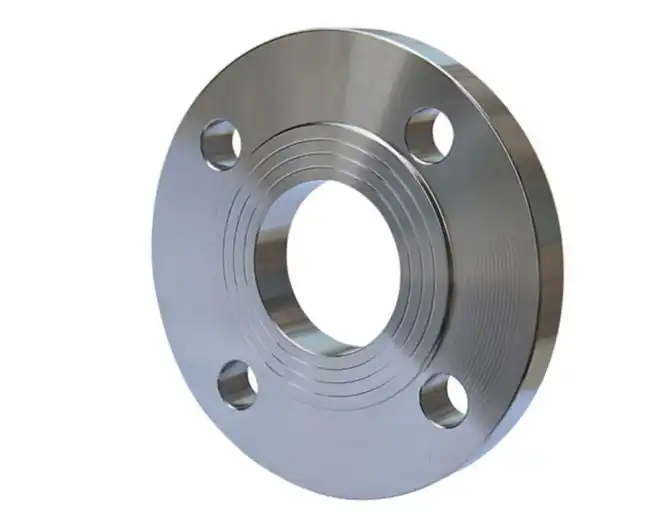
Comparing Lap Joint Flange CS with Other Flange Types
Structural Differences and Mechanical Performance
Lap joint flange CS are not integral and only have about 10% of the fatigue strength of weld neck flanges. They are better mechanically suited for low- to moderate-pressure applications rather than severe cyclic services. The bolt load is transferred to the stub end by bearing contact rather than metallurgical bonding, thus creating a potential stress concentration point. Weld neck flanges are stronger because the change in thickness is gradual and the pipe is butt-welded directly to the flange, making them perfect for high-pressure steam systems in power plants. Slip-on flanges are easier to align than weld necks but require double welding — inside and outside — which increases fabrication time. The design of the lap joint flange also avoids the need for pipe rotation during installation, solving the problem of alignment in dense refinery pipe racks where physical space constraints preclude traditional methods.
Material Flexibility and Cost Implications
The two-piece design provides material mixing options that are not available with traditional flanges. For slurry or wastewater lines that require frequent disassembly to remove sediment, operators can specify a Hastelloy C276 stub end for medium contact with a standard carbon steel backing flange. This “duplicate metal” approach maintains corrosion resistance at the wetted surfaces while keeping the project’s overall costs in check. Carbon steel lap joint flanges are generally 30-40% less expensive than stainless steel equivalents of similar size and pressure class. This price advantage is considerable in large-diameter applications, where a 24-inch 300# carbon steel lap joint flange might retail for $180-250, versus more than $800 for a 316 stainless steel version. Budget-minded projects in the construction and shipbuilding industries can realize substantial savings from this differential.
Maintenance and Replacement Considerations
The loose flange design allows for quick bolt removal and reassembly without cutting welds or realigning heavy pipe, reducing downtime for scheduled maintenance. Water treatment plants report 60% faster turnaround times for replacing gaskets or inspecting pipe internals compared to welded flange connections. The operational benefit outweighs the initial cost of lap joint systems despite their lower fatigue ratings.
Sizing and Ordering Lap Joint Flange CS: How to Match Your Needs
Essential Dimensional Parameters
To ensure accurate specification, five critical measurements must be understood: Nominal Pipe Size (NPS), pressure class, outside diameter, bolt circle diameter, and flange thickness. Any mismatch in these parameters can result in installation delays and potential safety hazards. Procurement managers must ensure that stub-end facing dimensions correspond with the lap joint flange radius—Type A (short pattern) and Type B (long pattern) stub ends differ in length, affecting weld accessibility. Weight considerations are important for shipping costs and handling requirements. A 12-inch 600# lap joint flange weighs approximately 95 pounds, necessitating mechanical lifting equipment during installation. Accurately specifying weights in purchase orders will avoid unexpected logistics complications.
Custom Sizing and Minimum Order Quantities
Standard inventory is available for common configurations, but specialized industrial projects frequently demand non-standard dimensions. Custom lap joint flanges have longer lead times, typically 6-8 weeks, compared to 2-3 weeks for stock items. Manufacturers with in-house forging capabilities can accommodate special bore diameters, bolt patterns, or thickness requirements without the delays associated with subcontracting. Minimum order quantities (MOQs) vary by supplier and size range. Standard sizes under 12 inches often have MOQs of 10-20 pieces, but larger diameters may require 5-piece minimums due to higher per-unit production costs. Consolidating orders across multiple project phases or partnering with distributors can help smaller operations meet MOQ thresholds and obtain volume pricing.
Pricing Factors and Negotiation Strategies
The price of lap joint flanges is influenced by four major factors: material grade, size/weight, pressure rating, and certification requirements. For example, a 4” 150# A105 flange may cost $25-35 each if purchased in large quantities, whereas a 24” 600# equivalent could be $450-650. Additional tests such as positive material identification, ultrasonic examination, or third-party inspection may add 15-25% to the base price, but are often required for critical services where high quality assurance is necessary. Requesting a breakdown of raw material cost, manufacturing costs, and certification fees helps identify potential areas for negotiation. Annual supply agreements with volume commitments typically offer 8-12% discounts over spot buys. Suppliers who are open and willing to share their cost structure build trust and enable long-term partnerships.
Common Ordering Pitfalls to Avoid
We’ve helped many clients recover from specification errors that have caused project delays. Three mistakes are made time and again: mismatching stub end and flange facing types, specifying wrong bolt dimensions for the pressure class, and omitting required mill test report (MTR) formats. Ensuring that purchase orders clearly state “lap joint flange with Type A stub end” or “Type B stub end” prevents receiving incompatible components. Compliance with ASME standards requires proper documentation trails. Requesting certified MTRs, heat treatment charts, and dimensional inspection reports at the time of order and not after delivery ensures traceability and simplifies quality audits. Reputable suppliers provide these documents as standard practice.
Procurement and Supplier Selection: Finding Trusted Lap Joint Flange CS Manufacturers
Critical Certification and Quality Indicators
ISO 9001:2015 certification indicates that a supplier meets quality management system requirements for design, manufacturing, and delivery processes. The special equipment manufacturing license of the People's Republic of China signifies compliance with pressure vessel regulations, which are crucial to components used in boilers and high-pressure systems. Suppliers with both certifications have implemented rigorous quality control measures from raw material intake to final inspection. Advanced detection equipment distinguishes professional manufacturers from resellers. Spectroscopic analyzers confirm chemical composition, hydraulic test benches validate pressure ratings, and ultrasonic flaw detection identifies internal defects invisible to visual inspection. Manufacturers investing in such equipment, with capital expenditures often exceeding $500,000, demonstrate a long-term commitment to quality excellence when producing Lap Joint Flange CS.
Evaluating Production Capacity and Technical Capability
Annual production capacity is an indicator of a supplier’s ability to accommodate large or repeat orders. Manufacturers with production capabilities of 16,000 tons or more per year generally have established raw material supply chains and can absorb volume variations without impacting delivery schedules. At this scale, they enjoy economies that smaller operations cannot match, and this translates into competitive pricing for bulk buyers. Technical capability is more than just equipment; it includes engineering support. Suppliers who offer custom design assistance, material selection guidance, and application troubleshooting add significant value throughout the procurement journey. Access to metallurgical engineers and piping specialists helps avoid costly specification errors, especially when sourcing components such as Lap Joint Flange CS.
Why Oudi Stands Out as a Carbon Steel Lap Joint Flange Supplier
Since 1998, Oudi has served over 300 customers across 40+ countries, establishing a proven track record in oil, chemical, natural gas, and water conservancy sectors throughout North America, Europe, and the Middle East. Our 66,600-square-meter facility in Cangzhou combines strategic location advantages—120 kilometers from Tianjin Port with direct highway access—and comprehensive manufacturing capabilities covering the complete carbon steel pipe fitting range. Our ISO 9001:2000 certification and special equipment manufacturing license validate our quality management rigor. We maintain full in-house inspection capabilities, including spectrographic analysis, mechanical testing, and nondestructive examination, ensuring every lap joint flange meets ANSI, JIS, DIN, and BS standards. The strict full-inspection system from raw material receipt to finished goods delivery has earned trust from EPC contractors managing multi-million-dollar industrial projects. What distinguishes our approach is the combination of competitive pricing, customization flexibility, and reliable supply chain performance. We stock common sizes for rapid deployment while accommodating special dimensional requirements within reasonable lead times. Our technical team assists with material selection and pressure class determination, helping procurement managers optimize specifications for their specific operating conditions. Transparent communication and documented quality records simplify compliance verification for international transactions.
Sourcing Channels and Verification Best Practices
When you deal directly with manufacturers, you can expect better prices and communication than through multi-tiered distribution channels. Online B2B platforms are useful for initial supplier identification, but certification verification should be done through independent third parties to ensure authenticity and avoid fraudulent claims. To reduce risk, request photos of the production facilities, customer references, and sample orders before placing large-volume orders. Trade shows such as the Offshore Technology Conference and ASME exhibitions provide opportunities for in-person evaluation of supplier capabilities. Examining product samples, engaging in technical discussions with engineering personnel, and gauging responsiveness foster confidence that cannot be achieved through purely digital means.
Installation Best Practices and Benefits of Using Lap Joint Flange CS
Step-by-Step Installation Guidelines
Proper installation begins with an inspection of the gasket seating surfaces for scratches, corrosion, or warp that might impair the integrity of the seal. The stub end is butt-welded to the pipe using qualified welding procedures, and post-weld heat treatment is performed if the material specifications require stress relief. After it cools, the backing flange is slipped over the welded stub end, and the bolt holes line up with the mating flange without turning the pipe - a distinct advantage in retrofit situations where access is limited. Gasket selection affects long-term leak protection. Spiral-wound gaskets with graphite filler are appropriate for high-temperature applications, while compressed fiber gaskets are used for general-purpose water systems. Torquing bolts in a star pattern to manufacturer-recommended values ensures even load distribution across the gasket face. Under-torquing causes leakage; over-torquing crushes gaskets and distorts flanges.
Operational Advantages Across Industries
Lap joint flanges are ideal for applications requiring frequent disassembly. Pharmaceutical piping systems that require regular sanitization, food processing lines with seasonal product changeovers, and municipal water mains that require valve maintenance all benefit from the quick bolt-on access that this design provides. The ability to rotate the backing flange independently of the pipe allows installers to align bolt patterns at difficult angles without creating pre-stress or torsion in the existing pipeline. In chemical processing with high corrosion conditions and aggressive acids such as sulfuric acid, the duplicate metal approach allows operators to specify corrosion-resistant alloys only where necessary. This approach reduces material costs by 40-60% over exotic alloys throughout the entire flange assembly, allowing projects to be economically viable that would otherwise be over budget. Lap Joint Flange CS options provide a practical solution for applications where cost efficiency, corrosion resistance, and frequent maintenance are key considerations.
Real-World Application Examples
Petrochemical refineries use carbon steel lap joint flanges in cooling water circuits and hydrocarbon transfer lines below 600 degrees Fahrenheit. Convenience of maintenance coincides with scheduled turnaround demands when crews replace hundreds of gaskets throughout the plant in compressed time frames. Pipeline construction projects prefer lap joint designs for above-ground sections that will require future modifications or extensions. OEM manufacturers supplying boiler feedwater systems specify lap joint flanges at pump connections and heat exchanger interfaces where the degree of precision in alignment matters. Shipbuilding operations capitalize on the freedom of rotation at vessel construction when welding access shifts during the fabrication sequence.
Conclusion
Selecting the right lap joint flange CS involves balancing material grades, dimensional accuracy, and supplier reliability to meet your specific industrial requirements. Carbon steel grades like ASTM A105 provide robust mechanical properties suitable for petroleum, chemical, and water applications when properly protected against corrosion. Understanding the structural trade-offs compared to weld neck flanges helps optimize specifications—lap joint designs excel in cost-sensitive projects requiring installation flexibility and frequent maintenance access, though they suit moderate rather than severe cyclic pressure services. Accurate sizing based on NPS, pressure class, and bolt pattern prevents costly ordering errors, while partnering with certified manufacturers ensures compliance with international standards. Transparent pricing negotiations and verification of quality management certifications build procurement confidence. Proper installation techniques and recognition of the flange's operational advantages in rapid disassembly scenarios maximize return on investment across diverse industrial sectors.
FAQ
What distinguishes lap joint flanges from other flange types?
Lap joint flanges feature a two-piece assembly where the backing flange rotates independently of the pipe, unlike weld neck or slip-on flanges that attach rigidly. This design enables alignment without pipe rotation and allows mixing materials—using expensive alloys for the stub end while keeping carbon steel for the flange body.
How do I select the appropriate pressure rating?
Match the pressure class to your system's maximum operating pressure with a safety factor. ASME B16.5 defines ratings from 150# to 2500#. A system operating at 285 psi requires a 300# flange minimum. Consider temperature derating—carbon steel loses pressure capacity above 500°F per ASME tables.
Can I order custom sizes and grades with special lead times?
Custom dimensions typically require 6-8 weeks versus 2-3 weeks for standard stock items. Manufacturers with in-house forging can accommodate special bore diameters or thickness requirements. Providing detailed drawings and material specifications upfront accelerates the quotation and production process.
Partner with Oudi for Reliable Lap Joint Flange CS Supply Solutions
Oudi delivers certified carbon steel lap joint flanges backed by over two decades of manufacturing excellence and ISO 9001 quality assurance. Our comprehensive product range covers ASME B16.5 and B16.47 standards across all pressure classes, supported by in-house testing capabilities that verify every specification before shipment. We understand the critical nature of your oil, chemical, and water infrastructure projects, which is why we maintain robust inventory levels and flexible production scheduling to meet your delivery deadlines. Connect with our technical team at oudi-04@oudiguandao.com to receive customized quotations, material selection guidance, and detailed product documentation. As a trusted lap joint flange CS manufacturer serving North America for years, we're committed to partnership-driven solutions that optimize your procurement efficiency and project success.
References
1. American Society of Mechanical Engineers. (2020). ASME B16.5: Pipe Flanges and Flanged Fittings NPS 1/2 Through NPS 24 Metric/Inch Standard. ASME Press.
2. ASTM International. (2019). ASTM A105/A105M-19: Standard Specification for Carbon Steel Forgings for Piping Applications. West Conshohocken, PA: ASTM International.
3. Becht, C. (2018). Process Piping: The Complete Guide to ASME B31.3 (4th ed.). New York: ASME Press.
4. Lohse, R. (2017). Piping Components Selection Guide: Flanges, Fittings, and Gaskets for Industrial Applications. Houston: Gulf Professional Publishing.
5. Nayyar, M. L. (2019). Piping Handbook (8th ed.). New York: McGraw-Hill Education.
6. Singh, R. K. (2021). Corrosion Control in the Chemical Process Industries: Materials Selection and Design Practices (2nd ed.). London: Springer Publishing.

Need help finding the right solution with our experts. Please contact us.

SINCE 1998 Your Reliable Pipeline Manufacturer



