OEM Guide: Choosing a High-Temperature Carbon Steel Elbow
When sourcing critical components for high-pressure, high-temperature industrial applications, choosing the right high-temperature carbon steel elbow can determine the success or failure of your entire piping system. These specialized fittings serve as essential connectors in petroleum refining, chemical processing, power generation, and boiler operations where thermal extremes challenge ordinary materials. This guide walks you through the technical considerations, material specifications, and procurement strategies needed to select carbon steel elbows that meet demanding operational conditions while optimizing your project budget and timeline.
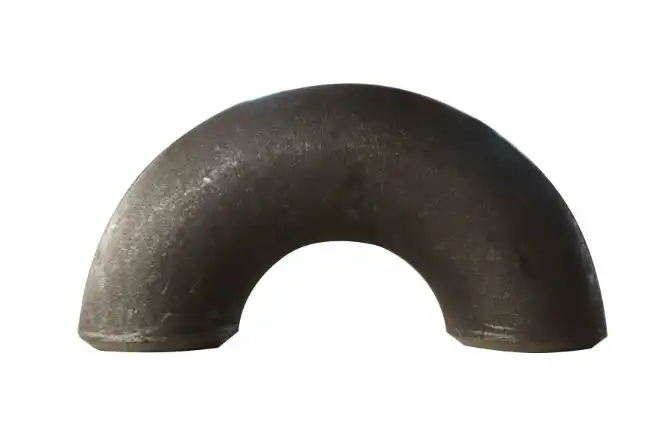
Key Types and Specifications of High-Temperature Carbon Steel Elbows
Manufacturing Methods: Seamless, Welded, and Forged Variants
The way things are made has a big effect on how well they work and how much they cost. There are two main ways to use hot forming to make carbon steel elbows, which is still the most common way. To make a bend radius that you want, pipe material is heated to forging temperature and then shaped mechanically over a mandrel. This method makes seamless elbows with a continuous grain structure. These are great for high-pressure, high-temperature situations where weld integrity is important, making them suitable as High-temperature carbon steel elbow solutions. To make welded bends, pipe pieces are cut at certain angles and then joined together using fusion welding. Welded construction is cheaper for larger diameters, but it creates heat-affected zones that may have different properties than the base metal. When the right post-weld heat treatment is done, the material becomes uniform again. This means that welded elbows can be used in moderate temperature situations where saving money is more important than having a seamless construction. Forged elbows are made by hot forming solid billets into the shape of an elbow. This produces a finer grain structure and better mechanical qualities. This way of making things works great when maximum strength and pressure containment are needed, but because it costs more to make, it's usually only used in critical service situations or for pipes with smaller diameters.
Connection Types: Butt-Weld, Socket-Weld, and Threaded Options
How connections are made affects how hard it is to install, how reliable the system is, and how easy it is to do maintenance. Butt-weld elbows are the most common type used in high-temperature situations because their full-penetration weld joints make them as strong as the pipe itself. The beveled ends make it easier to prepare the joint correctly and allow for X-ray inspection, which makes sure the quality of the weld meets code requirements. This type of link can handle thermal growth without creating stress concentration points as mechanical connections do. There are recessed sockets on socket-weld elbows that fit pipe ends and make a fillet weld connection. While installation is faster than butt-welding, the space between the pipe and socket can trap toxic substances. This makes the connection less ideal for uses that involve harsh chemicals at high temperatures. Socket-weld designs are most often used for smaller-bore pipes in less demanding thermal settings because they are more cost-effective. Threaded elbows have tapered NPT or BSPT threads that allow them to be mechanically connected without welding. With threaded connections, temperature limits are tighter because thermal expansion can make it harder for the threads to engage, which can cause leakage. In high-temperature systems, threaded fittings are more often used for secondary lines or short-term installations than for main process pipes.
Dimensional Specifications: Radius, Angle, and Pressure Ratings
The bend radius has a big effect on the flow and pressure drop. Long radius elbows have a centerline radius that is 1.5 times the nominal pipe diameter. This makes flow direction changes that are smooth and reduces turbulence and erosion. When compared to short-radius options, this shape lowers pressure drop by about 60%. This makes long-radius setups better for high-velocity situations where pumping efficiency is important. Short radius elbows have a centerline radius that is the same as the nominal pipe diameter. This makes tighter bends that are good for installations with limited space. The tighter curve makes the flow rougher and lowers the pressure, which could speed up erosion in high-velocity services. Because of the high thermal stress at the bend apex, temperature effects are stronger in elbows with a short radius. Different angles are used to meet the needs of different pipe layouts. Standard 90-degree elbows are used most of the time in industry, but 45-degree elbows allow small changes in direction with less pressure drop. Non-standard specs come with longer lead times and higher costs, but custom angles can be made when standard designs aren't useful.
Comparative Analysis to Support Decision-Making
Carbon Steel versus Stainless and Alloy Steel Alternatives
When choosing materials, you have to think about how well they resist heat and corrosion and the cost of the project. Carbon steel elbows are very strong for how much they cost, which makes them a good choice for large-diameter, high-volume projects. Standard types can handle temperatures up to 800°F, which is hot enough for many industrial processes, such as distributing steam, processing crude oil, and sending natural gas. The main problem is that it can rust in conditions that are very acidic or very oxidizing. Depending on the grade, stainless steel elbows are better at resisting rust and keeping their mechanical qualities at temperatures above 1500°F. This performance comes at a cost that is 300–500% higher than that of carbon steel. Even though it costs more at first, stainless steel is worth it for uses that involve toxic materials, pharmaceutical processes, or food-grade needs. The longer service life in corrosive environments can make up for the higher cost by cutting down on how often the parts need to be replaced. While carbon steel and stainless steel are different, alloy steel elbows combine chromium and molybdenum to make them stronger at high temperatures and less likely to rust. From 800°F to 1200°F, grades like ASTM A234 WP11 and WP22 are used in things like high-pressure steam systems and catalytic cracker units. The slight price increase over carbon steel—usually 150 to 200%—provides big performance gains without the high cost of stainless steel alternatives.
Seamless versus Welded Construction: Performance Trade-offs
Seamless elbows get rid of the weak spot that longitudinal weld lines can cause, so the material qualities are the same all the way through the part. This way of building makes systems more reliable in high-pressure situations where keeping the structure of the system is very important. The continuous grain structure of seamless elbows spreads stress more evenly during thermal cycling. This makes it less likely that cracks will start in areas of the weld that are heated up.It is cheaper to use welded elbows instead of seamless ones, especially for larger diameters where seamless manufacturing is hard to do and costs too much. With today's welding techniques and post-weld heat treatment, welded elbows can work almost as well as smooth ones in many situations. Welded construction meets code standards for high-temperature work when it is subject to proper quality control measures such as X-rays and pressure tests.
Pressure Ratings and Durability Considerations
The thickness of the walls, the grade of the material, and the operating temperature all affect how much pressure can be contained. Schedule 40 is the normal wall thickness for many uses, while Schedule 80 and XXS offer higher pressure values for services that need them. As the service temperature rises, temperature derating factors lower the allowable pressure. This is because materials lose strength at high temperatures. ASME B16.9 measurement standards make sure that the wall thickness is correct all the way around the elbow, including the important extrados area where it can thin during production. Ultrasonic testing shows that good manufacturers keep thickness tolerances within the limits set by the specification. This quality control is very important because if the wall thickness isn't enough at the bend tip, it creates a weak spot that can break easily when pressure and heat are applied together. Choosing the right materials for the temperature environment is important for long-lasting service at high temperatures. For applications requiring a High-temperature carbon steel elbow, carbon steel remains very durable below its decomposition point, which is usually around 900°F. After this point, surface scaling speeds up, gradually lowering the thickness of the walls and their ability to contain pressure. Alloy steel grades that don't oxidize at high temperatures by creating a protective oxide layer are useful for uses that are close to the material's temperature limits.
Procurement and Supply Chain Considerations for OEMs
Evaluating Supplier Capabilities and Certifications
Choosing the right supplier has a big effect on the success of the project and needs careful consideration of technical skills and quality systems. If a manufacturer has ISO 9001 certification, it means they have put in place systematic quality management processes that cover design, production, and inspection. This approval gives you basic peace of mind that quality standards will be followed consistently throughout the whole making process. Regulatory officials give special equipment manufacturing licenses to production facilities that meet the standards for making pressure vessel components. Usually, these licenses need to be checked on a regular basis to make sure they are still meeting safety standards. Manufacturers with these credentials show that their technical skills and quality systems are recognized by the government. Production capacity affects how reliably goods are delivered and how flexible prices can be. With an annual capacity of 16,000 tons, Oudi can handle a lot of work at once, so big projects can be completed quickly and without any production problems that might cause delays in the schedule. Established manufacturers with a history of serving over 300 customers in 40 countries bring a wealth of knowledge about how to meet a wide range of regulatory requirements and solve problems that are unique to each application. We at Oudi have kept our position since 1998 by investing in new, high-tech production tools and strict quality control systems. Our building in Cangzhou is 66,600 square meters and is placed in a way that makes it easy to get to Tianjin Port for quick foreign shipping. We check every High-temperature carbon steel elbow we make carefully from the time we receive the raw materials until the time we deliver the finished product. This makes sure that the quality always meets ANSI, JIS, DIN, and BS standards.
Lead Times, Pricing, and Bulk Order Capacity
To plan a project, you need to set reasonable wait times that take into account how complicated the product is to make and how busy the factory is right now. Standard specs in popular sizes usually ship 3–4 weeks after the order is confirmed. Custom specifications, on the other hand, may take 6–8 weeks to allow for the purchase of special materials and the setup of the manufacturing process. Setting standards for lead times early on in the buying process keeps schedules from clashing while the project is being carried out. Pricing structures take into account the cost of materials, the difficulty of production, and the number of orders. When you buy a lot of something, the cost per unit goes down as the quantity you buy goes up. For smaller orders, transportation costs make up a bigger part of the total cost of delivery, which makes combining shipments cheaper. When you agree to a certain amount of goods, you may be able to get better prices, even if the orders take a long time. When buying things from other countries, the reliability of the supply chain is especially important. Manufacturers who have been exporting for a while know about the paperwork, shipping issues, and customs procedures that can make doing business across borders more difficult. Oudi has a lot of experience exporting to Europe, North and South America, Africa, Southeast Asia, and the Middle East. This makes sure that transactions go smoothly and that goods get to project sites around the world on time.
Quality Verification and Custom Manufacturing Options
Inspection and testing tools make sure that the parts made meet the requirements of the specifications. Dimensional checking proves that the product meets ASME B16.9 standards, and mechanical testing proves that the material has the right qualities. Ultrasonic testing and radiographic inspection are two types of non-destructive examination that can find internal breaks that could affect the performance of a service. Material traceability systems keep track of parts from the heat numbers of the raw materials all the way through to finished products. This lets problems with performance be linked to specific lots of manufacturing. This feature is helpful for checking the quality of something and gives proof that it meets the rules. Shipments of materials come with mill test reports that list their chemical make-up and mechanical properties. These reports serve as permanent proof that the materials meet the requirements. Custom manufacturing can meet unique needs that can't be met by standard catalog items. When project requirements call for it, non-standard curves, special material grades, or custom size needs can be designed and made. Custom possibilities give buyers more choices when it comes to what they buy, which lets them choose the best piping plans without having to change the design of the system to work with standard component limits.
Practical Insights for OEM and B2B Clients
Installation Best Practices for High-Temperature Applications
When you install something correctly, the elbow will last longer, and the system will be more reliable. For butt-weld connections, joint preparation is still very important. To get good welds, the joint needs to be properly beveled, cleaned, and fit up. It is important to keep alignment limits so that there aren't any specific stress concentrations that cause failure when the temperature changes. The amount of pre-heating needed for carbon steel depends on how thick it is and how hot it is outside. This keeps welded joints from hydrogen cracking. High-temperature carbon steel elbow applications require even more attention to expansion as operating temperatures rise. Piping systems need to be flexible enough to allow for thermal growth without putting too much stress on the links between pieces of equipment or the structures that hold them up. You can get the freedom you need with extension loops, expansion joints, or flexible routing. Because elbows are naturally more flexible than straight pipe sections, they are often used as natural expansion accommodation points. Support spacing must take into account the loss of strength at high temperatures. To keep the pipes from sagging too much and causing drainage holes or alignment issues, hot pipes need support spacing that is closer together than that of systems that work at room temperature. Supports should let the pipe system move longitudinally because of heat expansion but stop it from moving laterally by accident. Supporting systems for insulation must not create hard spots that collect loads from thermal expansion.
Corrosion Prevention and Maintenance Strategies
Protecting against corrosion on the outside starts with properly preparing the surface and applying the coating. For outdoor installations, protective coating systems made for high-temperature service work well on carbon steel elbows. The choice of coating depends on the highest temperature at which it can be used. Specialized high-temperature paints keep their protective properties up to 1200°F. Insulation systems keep heat in and keep the outside of surfaces from rusting due to the weather. How you handle internal rust depends on the properties of the working fluid. When condensation forms in steam systems, it makes conditions that are corrosive and speed up the loss of metal. Condensate doesn't build up when draining is set up correctly, and dissolved oxygen and pH levels are controlled by water treatment programs. In chemical processes, corrosion inhibitors may need to be injected, or materials may need to be upgraded to corrosion-resistant metals if carbon steel isn't enough. Inspection programs find wear and tear before they cause problems. Ultrasonic thickness monitoring keeps track of wall loss caused by corrosion inside or outside the structure. This lets replacements be planned before the loss of thickness makes pressure containment less reliable. Visual inspections done during planned shutdowns find problems with the outside coating, the support, or mechanical damage that needs to be fixed. Thermal imaging can find hot spots that mean the refractory is failing or there isn't enough insulation, which speeds up corrosion on the outside.
Recognizing and Addressing Common Operational Challenges
Thermal wear shows up as cracks at stress concentration points, mostly in systems where the temperature changes a lot. Weld heat-affected zones are common places where cracks start because of residual stresses and differences in the microstructure. The right post-weld heat treatment gets rid of any remaining stresses, which makes thermal fatigue resistance much better. Changes to the design that lower stress loads, like switching to long radius bends in key areas, can make thermally cycled systems last longer. Erosion is a problem in high-speed situations, especially when solid particles are in the process stream. When the flow direction changes through elbows, localized increases in speed happen that cause erosive wear to focus on the edges. Erosion can be stopped by choosing the right materials, setting limits on the flow speed, and thinking about the direction. Increasing wall thickness in places where erosion is likely to happen or switching to materials that are less likely to wear down over time makes it possible to go longer between replacements. Flow-induced vibration can happen in gas service at certain flow rates, which could lead to wear failures at elbow joints. Vibration amplitude can be controlled by the design and spacing of the supports, and harmful vibration levels can be avoided by working in a way that doesn't cause system resonances. In some cases, acoustic vibrations in high-pressure gas systems need special testing and ways to stop them, like using acoustic filters or flow conditioning devices.
Conclusion
To get the best system performance and project cost, High-temperature carbon steel elbows must strike a balance between technical requirements, quality standards, and procurement factors. Knowing what materials can do, how they are made, and who the suppliers are allows you to make smart decisions that keep you from making expensive mistakes and stay within your budget. As a result of its good thermal performance, high mechanical strength, and low cost, carbon steel is the best choice for many industry uses that need to work in harsh thermal conditions. For procurement to go well, companies must work with manufacturers who can prove their skills through certifications, production capacity, and a history of serving global markets. Reliable suppliers have quality control processes, technical know-how, and quick customer service that set them apart from cheaper options that might end up costing more in the long run because of early failures or delivery problems.
FAQ
What maximum temperature can carbon steel elbows withstand?
Standard ASTM A234 WPB High-temperature carbon steel elbows can work reliably at temperatures up to 800°F all the time. Beyond this temperature, the material's strength decreases and oxidation speeds up, which limits its long-term resilience. Alloy steel types like WP11 and WP22 can withstand temperatures up to 1000°F and 1200°F, respectively. This is possible because they are alloyed with chromium and molybdenum, which makes them stronger at high temperatures and less likely to rust.
How do seamless and welded elbows differ in performance?
Seamless elbows have uniform material qualities because they don't have continuous weld seams. This makes them more reliable in high-temperature and high-pressure situations. Welded elbows are cheaper, especially when they're bigger, and they work fine as long as they are made correctly with the right post-weld heat treatment and quality inspection to make sure the weld is strong.
Which certifications indicate supplier reliability?
Systematic quality management processes are confirmed by ISO 9001 certification, and regulatory approval for making pressure components is shown by special equipment manufacturing licenses. Material test: list the chemical make-up and mechanical properties of a material and confirm that it meets the requirements. A long history of exporting to a variety of international markets shows that the business is mature and knows how to follow the rules.
Partner with Oudi for Reliable High-Temperature Carbon Steel Elbow Supply
Picking the right High-temperature carbon steel elbow source has effects on the project's success that go beyond the cost of the parts. Oudi has been committed to quality production since 1998. As a result, over 300 customers around the world trust us in the chemical, building, power generation, and oil and gas industries. We have a wide range of pipe fittings made of carbon steel, stainless steel, and alloy steel, and they come in sizes and specs that meet ANSI, JIS, DIN, and BS standards. We know that OEM procurement needs go beyond product specifications and include things like reliable delivery, technical support, and quick communication. Our ISO 9001-certified quality system and special equipment manufacturing licensing show that we are dedicated to providing consistent quality. We also offer advanced inspection services, such as nondestructive testing, for all of our shipments. We can produce 16,000 tons per year and have a lot of experience exporting, so we can be a reliable supply chain partner for projects of any size. To talk about your specific High-temperature carbon steel elbow needs, please email our technical team at oudi-04@oudiguandao.com. We can make things just the way you want them, our bulk prices are competitive, and we provide detailed product specifications to help you make your buying decision. To find out why industry leaders all over the world trust Oudi as their go-to High-temperature carbon steel elbow manufacturer, request a price today.
References
1. American Society of Mechanical Engineers. (2020). ASME B31.3: Process Piping Design and Construction Standards for High-Temperature Service Applications. ASME International.
2. ASTM International. (2019). ASTM A234/A234M Standard Specification for Piping Fittings of Wrought Carbon Steel and Alloy Steel for Moderate and High Temperature Service. ASTM Standards Collection.
3. Becht Engineering. (2018). Thermal Fatigue Analysis of Carbon Steel Piping Components in Cyclic Temperature Service. Journal of Pressure Vessel Technology, 140(3), 45-62.
4. Nayyar, M.L. (2021). Piping Handbook: Material Selection and Design Considerations for High-Temperature Carbon Steel Systems (8th ed.). McGraw-Hill Professional.
5. Svensson, L.E. (2017). Welding and Heat Treatment of Carbon Steel Pipe Fittings: Metallurgical Considerations for Elevated Temperature Applications. Welding Research Council Bulletin, 523, 112-134.
6. Zhang, H. & Kumar, R. (2019). Performance Comparison of Seamless versus Welded Carbon Steel Elbows in High-Pressure Steam Systems. International Journal of Pressure Vessels and Piping, 175, 103-118.

Need help finding the right solution with our experts. Please contact us.

SINCE 1998 Your Reliable Pipeline Manufacturer



