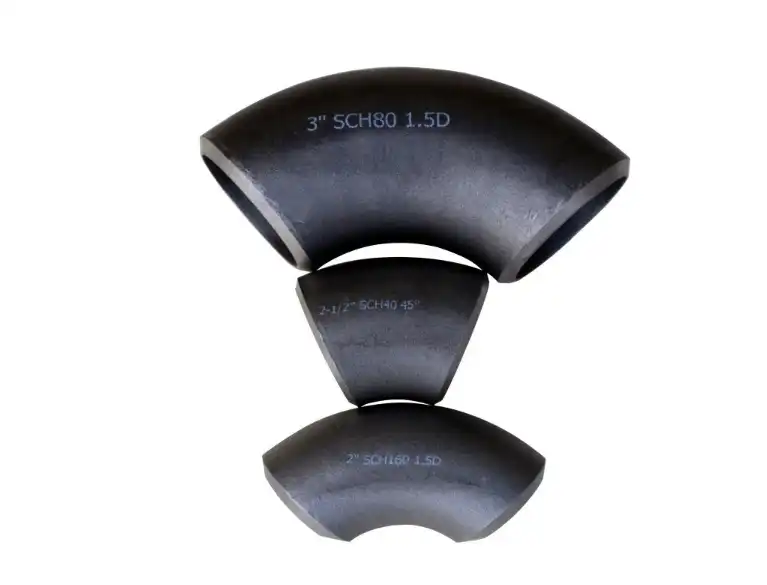
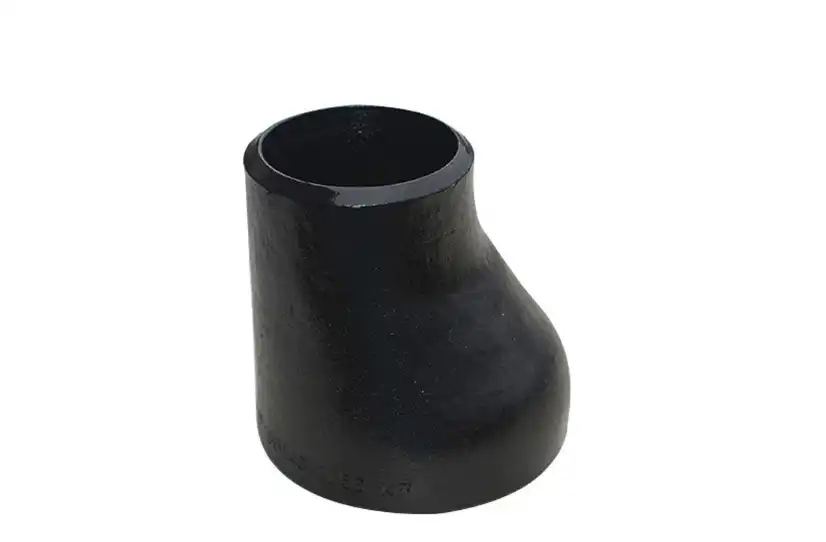
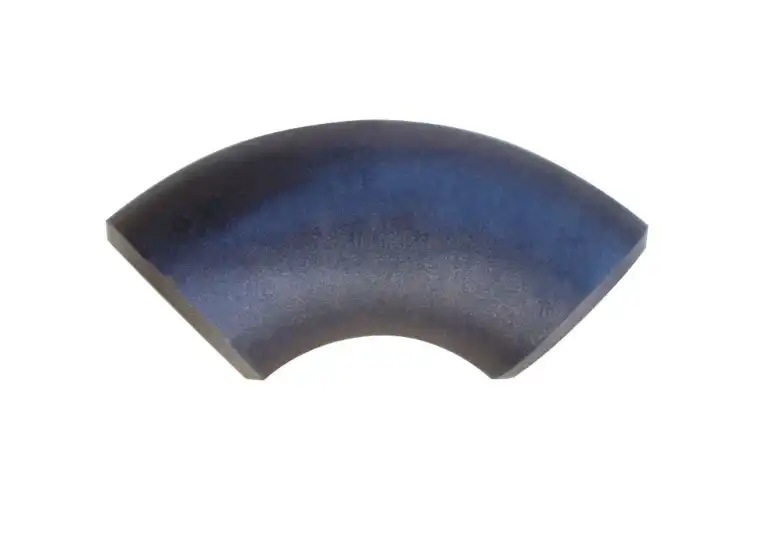
Where to Buy Cost-Effective Carbon Steel Elbows for Import
Finding a reliable supplier for cost-effective carbon steel elbows can transform your procurement strategy. We understand the challenges importers face—balancing quality with budget, managing international logistics, and verifying supplier credentials. After serving over 300 customers across 40+ countries since 1998, we've learned that sourcing these critical pipe fittings requires more than just comparing prices. It demands a partnership with manufacturers who understand international standards, maintain consistent quality, and deliver value that extends beyond the initial purchase order.
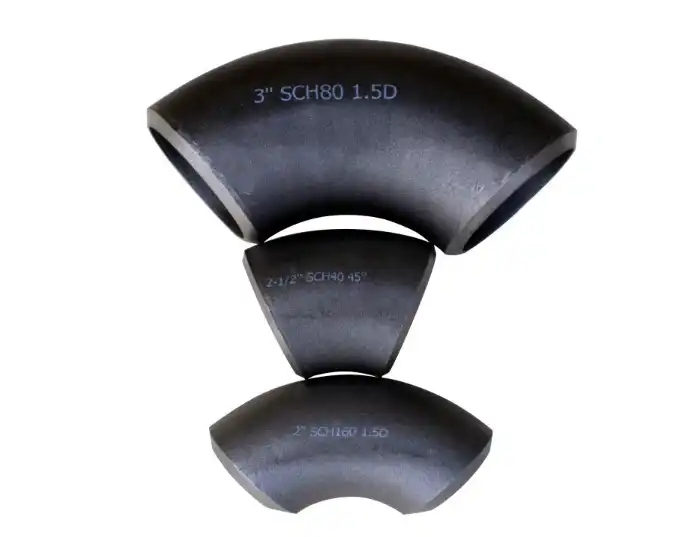
Criteria for Selecting Cost-Effective Carbon Steel Elbow Suppliers
Manufacturing Capabilities and Quality Control Systems
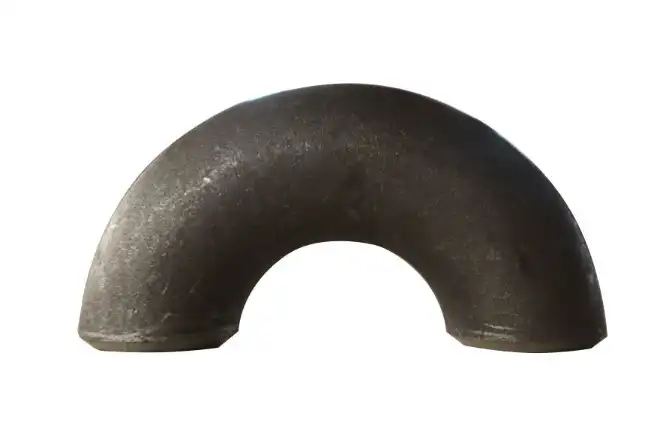
Production technology has a direct effect on how reliable a product is and how much it costs to source Cost-effective carbon steel elbows. To make seamless elbows from single pipe sections, we use advanced hot forming equipment. This gets rid of weld seams that could become weak spots. Our yearly capacity of 16,000 tons guarantees a steady supply for big projects without lowering the quality of each unit through rushed production cycles. Verification of the raw materials is the first step in quality assurance. Before materials go into production lines, we test their mechanical properties and analyze their chemical makeup. Dimensional checks are done during production to make sure that the parts are made within the allowed ranges. Ultrasound, x-rays, and magnetic particle testing are all types of non-destructive testing that can find problems inside things that can't be seen with the naked eye. This keeps the integrity standards needed for high-pressure uses.
Certification Requirements and Compliance Verification
Manufacturers that are trustworthy have many certifications that show they follow rules about quality and safety. Our ISO 9001:2000 certification shows that we follow well-thought-out quality control procedures at all stages of production. The special equipment manufacturing license from the People's Republic of China lets us make pressure-bearing parts for important applications. This license is subject to regular government audits.Inspection services by a third party add another level of verification. Buyers can ask outside groups to watch production, test materials, and confirm that shipments are in compliance before they leave. This way of doing things keeps buyers from getting low-quality goods that could slow down projects and make them less safe.
Evaluating Price-Quality Balance and Service Capabilities
Competitive prices come from running a business efficiently, not by lowering standards. Manufacturers who have facilities that handle all stages of production—from processing raw materials to inspecting the finished product—avoid middlemen and keep quality under control at all times. Our location in Mengcun Hui Autonomous County, which is known as the "China fitting" manufacturing hub, puts us close to skilled labor pools and specialized sources that help us cut costs without losing quality. These operational advantages translate into value propositions that help importers at all stages of the buying process:
- Comprehensive Product Range: We make all kinds of bends, flanges, tees, and reducers out of alloy steel, carbon steel, and stainless steel. When coordinating multiple types of fittings, single-source procurement makes logistics easier and sets clear lines of responsibility.
- Flexible Order Quantities: We can handle both large-volume contracts and smaller, one-of-a-kind orders. This adaptability allows for a wide range of project sizes, from large-scale infrastructure improvements to focused equipment changes.
- Technical Support: Buyers can get help from engineers to choose the right elbow types, materials, and sizes for their needs. Specification that is correct stops over-engineering, which raises costs, and under-specification, which increases the chance of failures happening too soon.
- Transparent Communication: Exporters with a history of doing business internationally know what paperwork is needed, how to ship goods, and the most common problems that come up when importing goods from other regions. Over many years of serving markets in Europe, the United States, Africa, Southeast Asia, and the Middle East, we've made these methods and efficient delivery choices cut down on lead times and delivery costs. Our facilities are only 120 kilometers from Tianjin Port, which makes shipping goods by sea to places around the world cheap. Knowing Incoterms and how to go through customs makes crossing borders faster and easier, which cuts down on delays that cause problems with building plans and cost money in fines.
How to Buy Cost-Effective Carbon Steel Elbows for Import: Step-By-Step Guide
Defining Your Procurement Requirements
Successful sourcing begins with clear requirements. Identify required elbow angles (45-degree, 90-degree, or custom configurations), radius types (short or long), and connection methods. Determine material grades based on operating temperatures, pressure ratings, and corrosion exposure in your application environment. Volume estimates influence pricing structures and production scheduling. Larger orders get better unit prices from suppliers, while setup fees may apply to smaller orders. Giving manufacturers correct forecasts helps them use their production capacity more efficiently, which could lead to better prices through advance promises.
Crafting Effective RFQs and Comparing Quotations
Request for Quotations should include specifications detailed enough for accurate pricing for Cost-effective carbon steel elbows. Important factors include the type of material, its size (outside diameter and wall thickness), the standards that apply (ASME, ASTM), the amount that is needed, the delivery schedule, and the port of destination. Asking for certifications and test reports in the RFQ makes sure that suppliers know right away what quality standards are expected. To compare quotes, you need to look at more than just unit prices. Check each quote to see what it includes in terms of shipping terms, payment terms, inspection certificates, guarantee provisions, and packaging specs. Sometimes, lower prices mean that certain things aren't included, which can lead to unexpected costs during transport or installation.
Quality Assurance Before Shipment
Pre-shipment inspection keeps you from getting products that don't meet your standards. Look over the mill test certificates that prove the material's make-up and mechanical properties. Inspection records for dimensions make sure that the numbers are correct and meet the requirements. Non-destructive testing certificates show that the inside is sound, which is very important for pressure applications. Setting up a review by a third party who is not involved in the project gives objective proof. Before goods leave the plant, inspectors go to the places where they are made, watch the testing, and sign off on the conformity of the products. This investment keeps quality problems from being found after an international shipment, when fixing them is much harder and costs a lot more.
Cost-Effective Supplier Recommendations and Sourcing Platforms
Why Oudi Stands Out Among Carbon Steel Elbow Manufacturers
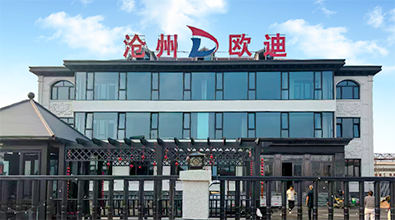
We've built our reputation since we started doing business in 1998 by consistently providing quality that meets international standards without charging high prices. Our building in Cangzhou is 66,600 square meters and has combined production lines that keep quality in check from the time we receive raw materials until the time we package our finished products. This vertical integration gets rid of the quality problems that come with supply chains that are broken up and have different parties handle different stages of production. Imports of Cost-effective carbon steel elbows can be successful even if the products are made very well. Our self-managed import-export authority makes international trade easier by getting rid of the problems that come up when you buy from trading companies that aren't involved in production. Direct relationships with manufacturers make it clear about production schedules, quality control measures, and how to solve problems when they come up. We've gotten better at exporting by working with clients in the Middle East, Africa, North and South America, and Southeast Asia. Because we were in so many different areas, we had to deal with different rules, paperwork standards, and transportation problems in each one. The knowledge gained from these experiences helps new customers deal with problems that are unique to their import jurisdictions.
Strategic Partnership Benefits
By building long-term ties with suppliers, you can get benefits that you can't get from transactional buying. When we have limited capacity, we work with regular customers to plan ahead for their needs, keep a collection of frequently bought specs, and put their production schedules at the top of the list. Customized solutions, like changing the sizes, using different grades of materials, or making a new package, are possible through long-term partnerships that aren't possible with standard catalogs. We can offer better prices to regular customers because we commit to a lot of work on multiple tasks at once. When you have a relationship with someone, you don't have to start from scratch every time you get an order. Instead, you can build on an understanding of each other's expectations, quality standards, and payment terms that makes future transactions easier.
Evaluating Online B2B Marketplaces
Importers can connect with global suppliers through digital platforms, but these platforms need to be carefully reviewed. Verified supplier credentials on trustworthy marketplaces are a good way to check for legitimacy, but they shouldn't be used instead of full due diligence. Buyer protection programs offer ways to get your money back if there are problems. These are especially helpful for first-time purchases from sellers you don't know. We keep our online presence open and honest because we know that customers who are well-informed make better buying choices. Blog.odpipefitting.com has technical tools, application guides, and product specs that buyers can use to figure out if our Cost-effective carbon steel elbows will work for their projects. This way of teaching shows that we're sure of the quality of our products and want to help customers after the order is delivered.
Best Practices to Ensure Smooth Import and Integration of Carbon Steel Elbow Fittings
Navigating Customs and Compliance Documentation
For international packages to go through customs quickly, they need the right paperwork. Commercial receipts list the names of the goods, how much they cost, and the terms of the sale. Packing lists list what's inside each box or container. Certificates of origin prove where goods were made, which can sometimes change tax rates under trade deals. Material certificates and test reports show that the Cost-effective carbon steel elbow meets the standards of the country that is importing it. Before goods can be used, they need to be certified or tested by a third party in some places. If you know about these requirements before you buy something, you can avoid costly delays while your goods wait for customs clearance or regulatory approval.
Logistics Management and Shipment Tracking
Coordinating international freight means choosing the right modes of transportation, grouping shipments together to save money, and managing the handoffs between carriers. Ocean freight is a cheap way to move large amounts of goods, but it takes longer to get there. Air freight speeds up arrival for urgent needs, but it costs more. Which container you choose affects how much it costs to ship and how safe your Cost-effective carbon steel elbows are. Full container loads (FCL) give one person the sole use of a container, which lowers the risk of damage and handling. Less than container loads (LCL) share space with other packages, which lowers costs for smaller amounts but requires more touches with people.
Installation Guidelines and Maintenance Practices
If you install a Cost-effective carbon steel elbow correctly, it will last as long as possible. When welding, you should use the right filler metals and follow the right heat treatment protocols. Joint preparation, such as beveling, cleaning, and fit-up, affects the quality of the weld and the integrity of the system. Installations will meet design specifications if you follow the manufacturer's instructions. Corrosion prevention makes things last longer. Coatings on the outside protect against corrosion from the air, and linings on the inside protect against damage from fluids. Regular checking programs find problems like wall thinning, cracks appearing, or covering wear and tear before they become major problems. Setting up repair plans based on how things are working stops unexpected downtime and safety incidents.
Building Feedback Mechanisms for Continuous Improvement
Importers and sellers can talk to each other, which helps improve quality all the time. Reporting field performance, including both good results and ways to make things better, helps manufacturers figure out how their Cost-effective carbon steel elbows work in a variety of settings. We value customer feedback as important information that helps us make better products and improve our quality system. Writing down comments makes people accountable and lets you keep track of their progress. When customers tell us about specific problems, we look into the causes and take steps to fix them. This method of working together strengthens ties with suppliers and leads to better products, which benefits all customers.
Conclusion
Material requirements, supplier capabilities, logistics coordination, and quality assurance must all be balanced in order to source Cost-effective carbon steel elbows in a cost-effective manner. Importers do well when they work with producers that have a wide range of products, quality systems that are recognized, and a history of exporting. We've been serving customers around the world for 26 years in the construction, chemical, water conservation, and oil and gas industries. This shows that we're committed to providing value that goes beyond competitive pricing. We've made connections that last by providing consistent quality, helping customers with difficult buying issues, and improving our goods and services all the time based on what we learn in the field.
FAQ
What factors primarily influence carbon steel elbow pricing?
Prices change depending on the type of material, how it is made, the exact dimensions, and the number of items ordered. The normal grade of ASTM A234 WPB usually costs less than other grades of stainless steel or unique alloys for a Cost-effective carbon steel elbow. This is because seamless joints are more difficult to make and cost more than soldered ones. More material is used, and the cost of production goes up when the widths and wall thicknesses get bigger. Volume discounts are given when there are enough units to support special production runs. This lowers the cost per unit by making production more efficient. Certification and inspection levels add costs that are related to the amount of paperwork and testing that need to be done.
How can importers verify overseas supplier quality and product authenticity?
Ask for copies of quality system certifications like ISO 9001 and licenses to make special tools, and then check with the organizations that issued them to make sure they are still valid. Find recommendations for Cost-effective carbon steel elbows from people in the same line of work and get in touch with them to find out about their experiences. Hire outside inspection services to check out your sites and watch the output. Need mill test certificates with unique numbers that can be used to track down specific batches of material. Before committing to big contracts, start with smaller trial orders to see how well the product meets your needs. Go to factories when you can to see how they work and how they check the quality of their products.
What typical lead times should buyers expect for bulk carbon steel elbow shipments?
When an order is confirmed, standard specs for Cost-effective carbon steel elbows that can be shipped from stock will be sent out within two weeks. Custom sizes or materials need to be planned for production, which usually adds four to six weeks to the lead time, depending on how complicated the order is and how much space the factory has. For sales with a lot of items, the production and quality control processes could take eight to ten weeks. Depending on the destination and mode of transport, international shipping can add two to six weeks. Ocean freight takes longer to get from one place to another than air freight. Communication during the quote phase sets realistic deadlines that take into account the unique needs of each order's production and shipping operations.
Secure Your Reliable Carbon Steel Elbow Supply with Oudi
Your search for a dependable Cost-effective carbon steel elbow supplier ends here. Oudi combines high-quality manufacturing with customer-focused service. We offer ISO-certified quality, a wide range of products, and competitive prices, all backed by our 16,000-ton annual capacity. We help buyers by giving them expert advice, setting up third-party inspections, and streamlining export paperwork, which makes buying things from other countries easier. Email our team at oudi-04@oudiguandao.com to talk about your unique needs and get a thorough quote. We can help you find high-quality carbon steel elbows that fit your project's needs and your budget, whether you need standard specifications or custom solutions.
References
1. American Society of Mechanical Engineers. (2020). ASME B16.9: Factory-Made Wrought Butt-Welding Fittings. New York: ASME International.
2. ASTM International. (2019). ASTM A234/A234M: Standard Specification for Piping Fittings of Wrought Carbon Steel and Alloy Steel for Moderate and High Temperature Service. West Conshohocken: ASTM International.
3. British Standards Institution. (2018). BS 1560: Circular Flanges for Pipes, Valves and Fittings. London: BSI Group.
4. Deutsches Institut für Normung. (2017). DIN 2605: Pipe Bends and Bends for Welding. Berlin: DIN Standards.
5. Japanese Standards Association. (2021). JIS B2313: Steel Butt-welding Pipe Fittings. Tokyo: Japanese Standards Association.
6. Mohitpour, M., Golshan, H., & Murray, A. (2007). Pipeline Design and Construction: A Practical Approach. New York: American Society of Civil Engineers Press.

Need help finding the right solution with our experts. Please contact us.
SINCE 1998 Your Reliable Pipeline Manufacturer