OEM Steel Concentric Pipe Reducer Guide for Global Buyers
When sourcing industrial pipe fittings for critical infrastructure projects, understanding the nuances of Steel Concentric Pipe Reducers becomes essential for procurement success. A steel concentric pipe reducer is a conical fitting designed to connect two pipes of different diameters with perfectly aligned centerlines, ensuring smooth fluid transition and minimized turbulence in vertical piping systems. This guide addresses the technical specifications, quality standards, and procurement strategies that matter most to global buyers in the oil, chemical, natural gas, water conservancy, construction, and power generation industries. At Oudi, we've served over 300 customers across 40 countries since 1998, providing ISO 9001-certified pipe fittings that meet ASME, DIN, JIS, and BS standards.
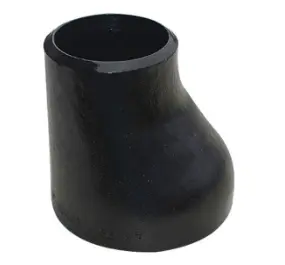
How Steel Concentric Pipe Reducers Work and Their Advantages
Operational Principles and Flow Dynamics
The concentric Steel Concentric Pipe Reducer works by slowly decreasing the cross-sectional area while keeping the vertical alignment. When fluid comes in through the bigger hole, the cone-shaped walls push it evenly toward the smaller hole. This shape keeps low-velocity areas from forming where particles or air pockets could settle or build up. In vertical installations, gravity helps the fluid move through the reducer, so there are no worries about vapor trapping like there are in horizontal eccentric installations.
The cone angle of the reducer is usually between 10 and 30 degrees. This is chosen to balance pressure recovery with the limitations of manufacturing. Steeper slopes save money on materials and installation room, but they can make the flow more turbulent at faster speeds. Engineers choose the shape of the reducer based on calculations of the Reynolds number and the pressure drop tolerances for each system.
Key Performance Benefits
Steel circular reducers have clear benefits in many manufacturing settings. The uniform design keeps the structure balanced, which makes it easier to figure out how to support things and puts less stress on the pipe hangers in vertical runs. Welders don't have to orient the fitting to avoid air trapping, which makes installation easier. This saves a lot of time, which is very important during construction phases with tight schedules.
When plants are crowded, making the best use of space is important. Concentric reducers take up much less space than other transfer methods, such as multiple reducing connections. The single-piece design gets rid of possible leak points that can happen in assemblies with multiple parts. This cuts down on upkeep needs and makes the system more reliable over many years of use.
Industry Applications Demonstrating Versatility
In oil and gas plants, where vertical pipes are common and pressure integrity is essential, concentric reducers connect different steps of distillation columns. In chemical processing plants, they are used in reactor feed lines to keep the flow even and stop reaction hot spots. In water treatment plants, these fittings are put in vertical clarifier lines that move sludge. The self-cleaning geometry of the fittings keeps solids from building up.
Power plants use concentric reducers in superheater systems, which are used when steam temperatures are higher than 1000°F, and keeping the centerlines aligned stops problems with thermal expansion. In commercial buildings, HVAC systems use them in vertical supply risers where limited space calls for small transitions. Oudi has made custom reducers for a petrochemical complex in Singapore that works with corrosive hydrocarbons and for a port in Greece that needed marine-grade stainless steel parts that could handle being exposed to saltwater. The reducer's efficiency in harsh settings is proven by these real-world uses.
Choosing the Right Steel Concentric Pipe Reducer: Decision-Making Guide
Concentric vs. Eccentric: Application-Specific Selection
Knowing when to use circular or eccentric reducers will help you avoid mistakes that will cost a lot of money during installation. Concentric reducers work well with vertical lines, pump discharge pipes, and other situations where keeping the pipe centerline is important for thermal or structural reasons. The even layout helps with even thermal expansion in high-temperature uses.
When horizontal pump pressure lines need to keep one side flat (top or bottom), air pockets that cause cavitation damage can't form. This is why eccentric reducers are needed. When you use a concentric reducer in horizontal suction, it creates a high point where vapor builds up, which hurts the pump's performance and causes it to break down. This difference is one of the most important specification choices procurement teams have to make.
Material Comparison: Performance vs. Cost Analysis
Carbon steel reducers are the most durable and cost-effective option for non-corrosive applications in natural gas and oil pipes. The ASTM A234 WPB grade can handle temperatures from -20°F to 650°F and, with the right coats, is resistant to rust well enough. When the environment doesn't call for expensive materials, projects that want to stay within their budgets choose carbon steel.
Stainless steel reducers cost more at first, but they save money over time in places that are prone to corrosion. Type 316 stainless steel doesn't react with chloride, so it can be used in coastal installations and chemical plants that work with acids or caustics. The material is naturally resistant to corrosion, so there is no need to maintain the coating. In harsh conditions, this means that the service life can last longer than 25 years.
Alloy steel types are used in high-temperature situations where carbon steel would soften, and stainless steel would cost too much. In steam systems, ASTM A234 WP11 (1.25Cr-0.5Mo) can handle temperatures up to 1100°F, and WP22 (2.25Cr-1Mo) can handle temperatures up to 1200°F. When choosing grades, procurement teams weigh the cost of materials against how often they need to be replaced and the costs of downtime.
Seamless vs. Welded: Structural Integrity Considerations
When it comes to cyclic pressure applications and cryogenic services, seamless reducers are better because they have a uniform grain structure and no weld heat-affected zones. Since there is no weld seam to check, they are easier to meet strict NDT requirements. Even though it costs more, smooth building is usually required for important uses in LNG plants and high-pressure hydrogen systems.
Welded reducers work well for static pressure applications and work well in mild temperature ranges. Longitudinal welds made with modern production methods are of high quality and can pass X-ray inspection. They are reliable and cost 30–40% less than seamless versions. When you buy welded Steel Concentric Pipe Reducer in bulk, you can save money on big building jobs like expanding water treatment plants.
Budget Optimization Strategies
Professionals in procurement get the best deals by buying full pipe sets from companies that make a wide range of products. Getting all of your reducers, flanges, elbows, and tees from one company, like Oudi, cuts down on shipping costs and makes quality control easier. Our annual capacity of 16,000 tons lets us offer volume discounts for big infrastructure projects.
When you specify standard measurements instead of custom sizes, industrial economies of scale work in your favor. When projects need specific requirements, talking about options with experienced suppliers can help you find standard products that work well and are less expensive. Comparing coated carbon steel to stainless steel as part of a material substitution analysis shows ways to save money without sacrificing performance in certain service conditions.
Procurement Insights: How to Source and Buy OEM Steel Concentric Pipe Reducers
Evaluating Supplier Credentials and Certifications
Checking the manufacturer's certifications is the first step in reliable sourcing. Certification as an ISO 9001:2015 quality management system means that processes are written down to make sure they are always followed. The People's Republic of China Special Equipment Manufacturing License shows that the rules for pressure vessels are being followed. Oudi has both licenses and API 6A qualification, which shows that we can handle the toughest uses in global markets.
Ask for certified material test reports (MTRs) that list the chemical makeup and mechanical properties of each production lot. Positive Material Identification (PMI) testing with handheld XRF analyzers makes sure that the grades of materials match the requirements. This stops galvanic corrosion failures from happening. Third-party inspection certificates from companies like TÜV, Bureau Veritas, or SGS offer independent confirmation for buying strategies that want to avoid taking risks.
Understanding MOQ, Customization, and Bulk Advantages
Minimum order numbers depend on the maker and the complexity of the product. Standard carbon steel reducers in standard sizes usually have minimum order quantities (MOQs) of 50 to 100 pieces. However, for rare alloys or big diameters, minimum tonnage agreements may be needed. When you order in bulk, you can get discounts of 15–25% and get first pick of the production slots during busy building seasons.
Customization choices include wall thicknesses that aren't standard, bevel angles that aren't standard for automatic welding, and material certifications that go beyond standard mill test reports. For projects that need Charpy impact tests at cryogenic temperatures or NACE MR0175 approval for sour gas service, suppliers need to be involved early on. During the design phase, Oudi's engineering team works with clients to find the best specifications, balancing custom needs with cost and delivery times.
Pricing Factors and Budget Planning
Material costs change with the price of commodities, which account for 60–70% of the price of reducers. The prices of alloy and stainless steel types that contain nickel change more quickly than the prices of carbon steel. For the same size, welded construction costs 30 to 40 percent less than seamless construction. Prices per piece go up by a huge amount above 24" standard sizes because bigger widths need more raw materials and more time to be machined.
Tight dimensional tolerances, special NDT requirements, and exotic material certifications all add to the cost of manufacturing. International freight is a big part of the cost of heavy fittings; optimizing containers and combining shipments lowers the cost of logistics per piece. Oudi gives clear quotes that break down the material, manufacturing, testing, and shipping parts, which let you make accurate project budgets.
Logistics, Lead Times, and After-Sales Support
Standard lead times for products range from 3 to 5 weeks for stock-sized carbon steel reducers to 8 to 12 weeks for custom alloy steel fabrications. Lead times are affected by when raw materials are bought, how long they need to be heated, and when NDT tests need to be done. It usually takes 25 to 30 days for containers to travel from China to ports on the US Gulf Coast and 35 to 40 days for containers to arrive in Europe via the Mediterranean.
Good packaging keeps things from getting damaged during shipping. For example, wooden crates protected with moisture barriers keep metals from rusting during sea freight. Skilled manufacturers provide detailed packing lists and origin certificates that speed up customs clearance. After-sales support, such as technical advice for installation questions and a warranty against manufacturing defects, helps build long-term relationships.
Installation and Maintenance Best Practices for Steel Concentric Pipe Reducers
Step-by-Step Installation Guidelines
Before starting the installation process, make sure that the reducer and the pipes next to it are compatible in terms of size. Check the outside diameters of the pipes and make sure that the wall thickness schedules match to avoid problems during welding. Next, clean all surfaces well, getting rid of mill scale, rust, and other things that could affect the quality of the weld.
To make sure everything is lined up correctly, use external clamps or tack welds to keep things straight while you check with levels and alignment tools. For reducers in vertical lines, make sure the smaller-diameter end faces the direction of flow that the system was designed to go in. Beveled ends should have angles of 37.5° ±2.5° with smooth transitions for the weld to go through properly.
When welding, you have to follow ASME Section IX-approved steps that are specific to the grade of the base material. For example, carbon steel usually needs a 200–400°F preheat for wall thicknesses greater than 1.5 inches, while stainless steel may need controlled interpass temperatures to keep it from becoming too sensitive. For some alloy steels and high-pressure applications, you have to do a post-weld heat treatment to get rid of any residual stresses.
Visual inspection for cracks, holes, and incomplete fusion should be done after welding. Non-destructive testing using radiography or ultrasonic methods should be done to make sure the weld meets code requirements for internal integrity. Before commissioning, hydrostatic testing at 1.5 times the design pressure should be done to make sure the assembly holds without leaks.
Maintenance Strategies and Corrosion Management
During planned plant shutdowns, external surfaces should be checked for corrosion, coating degradation, and mechanical damage. Carbon steel reducers that are used in corrosive environments should have their coatings touched up on a regular basis to stop rust from spreading. In coastal installations, stainless steel parts need to be checked for stress corrosion cracking caused by chlorides.
Using borescopes or taking apart pipes to look inside shows erosion patterns, scale buildup, or pitting. Checking the thickness of walls at several locations with ultrasonic gauges shows how much metal is being lost, which helps figure out when to replace things before they break. For buried pipes, cathodic protection systems should cover underground reducers to stop galvanic corrosion.
Troubleshooting Common Issues
When pressure drops are higher than expected, it's usually because of an internal blockage caused by welding slag, misalignment that causes turbulence, or the wrong direction of the reducer. Comparing flow measurements to design expectations shows trouble spots that need to be looked into.
If there are leaks at welded joints, it could be because the welding wasn't done correctly, there are holes or cracks in the metal, or the penetration wasn't complete. Dye penetrant testing can find surface flaws, and repair welding done according to qualified procedures can restore integrity. If the leaks keep happening, the reducer may need to be replaced if base metal corrosion has worn down the walls below the minimum requirements.
Using concentric reducers when eccentric designs would have been better can lead to flow inefficiencies, especially in horizontal suction lines. Cavitation noise and poor pump performance are signs of this mistake, and the only way to fix it is to replace the fitting with an eccentric one. Avoiding such costly mistakes by consulting with experienced suppliers like Oudi during the design phase is recommended.
Conclusion
Finding the right Steel Concentric Pipe Reducer means balancing technical specs, material properties, supplier capabilities, and project budgets and timelines. Knowing the basic differences between concentric and eccentric designs helps you avoid application mistakes that hurt system performance. Material choice—whether it's carbon steel, stainless steel, or alloy grades—must match service conditions like pressure, temperature, and exposure to corrosive media. To be successful with procurement, you need to work with certified manufacturers who keep quality control strict from verifying raw materials to final inspection. At Oudi, our 26 years of manufacturing experience and ISO 9001 certification help us deliver reliable pipe fittings that meet international standards across the oil, chemical, water conservation, and power generation industries around the world.
FAQ
1. What distinguishes a concentric reducer from an eccentric reducer?
The main difference is how the centerlines are aligned. Concentric reducers keep the centerlines perfectly aligned between the inlet and outlet, making a symmetrical cone shape that's great for vertical piping where air trapping isn't a problem. Eccentric reducers, on the other hand, move the centerlines apart and keep one edge flat (either the top or bottom) to avoid vapor pockets in horizontal pump suction lines. Using a concentric reducer on horizontal suction lines creates high points where air builds up, causing damage called cavitation. This difference determines the right application—vertical discharge lines should use concentric designs, while horizontal suction lines need eccentric configurations with the flat side placed correctly to avoid air-trapping risks.
2. How do I determine the correct reducer size for my piping system?
To size, you need to know the nominal diameters of both the inlet and outlet pipes as well as the wall thickness schedules. ASME B16.9 sets face-to-face lengths based on the larger diameter, which makes sure that products from different manufacturers can be used interchangeably. Match the reducer schedule to your pipe schedule—Schedule 40 pipe connects to Schedule 40 reducers. For pressure reasons, make sure that the reducer's rated pressure is higher than your system design pressure at operating temperature. Dimensional drawings from suppliers like Oudi give you exact measurements. Our technical team helps with sizing verification when specifications include non-standard dimensions or special needs for specialized industrial applications.
3. Are custom-manufactured reducers available for unique project specifications?
Custom fabrication can handle non-standard sizes, special material grades, unusual alloy compositions, and more stringent testing requirements than standard products. For example, projects that need cryogenic Charpy impact testing, NACE compliance for sour service, or dimensional tolerances tighter than ASME standards can benefit from customization. Lead times are longer than for standard products, and minimum order quantities are usually required to cover the costs of getting materials and setting up tools. Talking about requirements with manufacturers early on can help engineers work together to find standard alternatives that meet functional needs at lower costs and with faster delivery.
Partner with Oudi for Reliable Steel Concentric Pipe Reducer Supply
Global procurement teams seeking a dependable Steel Concentric Pipe Reducer manufacturer will find Oudi's combination of technical expertise and production capacity uniquely valuable. Our 66,600-square-meter facility in Cangzhou produces 16,000 tons annually of carbon steel, stainless steel, and alloy steel pipe fittings meeting ASME, DIN, JIS, and BS standards. We've served over 300 customers across Europe, the Americas, Africa, Southeast Asia, and the Middle East since 1998, building a reputation through ISO 9001-certified quality management and special equipment manufacturing licensure. Whether your project requires standard seamless reducers for a refinery expansion or custom alloy fittings for a power plant retrofit, our engineering team provides technical consultation, ensuring optimal specifications. Contact us at oudi-04@oudiguandao.com for detailed quotations, material certifications, and delivery timelines that support your project schedules. We welcome the opportunity to demonstrate why procurement professionals worldwide trust Oudi as their Steel Concentric Pipe Reducer supplier for critical infrastructure applications.
References
1. American Society of Mechanical Engineers. (2020). ASME B16.9: Factory-Made Wrought Butt-Welding Fittings. New York: ASME Press.
2. Steel Founders' Society of America. (2019). Steel Castings Handbook: Supplement 10 - High Alloy Data Sheets, Corrosion Series. Des Plaines: SFSA.
3. Nayyar, M.L. (2018). Piping Handbook, Eighth Edition. New York: McGraw-Hill Education.
4. American Petroleum Institute. (2021). API Specification 5L: Specification for Line Pipe, Forty-Sixth Edition. Washington: API Publishing Services.
5. Chuse, R. & Eber, S.M. (2017). Pressure Vessels: The ASME Code Simplified, Ninth Edition. New York: McGraw-Hill Education.
6. European Committee for Standardization. (2016). EN 10253-2: Butt-welding Pipe Fittings - Part 2: Non-alloy and Ferritic Alloy Steels with Specific Inspection Requirements. Brussels: CEN Publications.

Need help finding the right solution with our experts. Please contact us.

SINCE 1998 Your Reliable Pipeline Manufacturer



