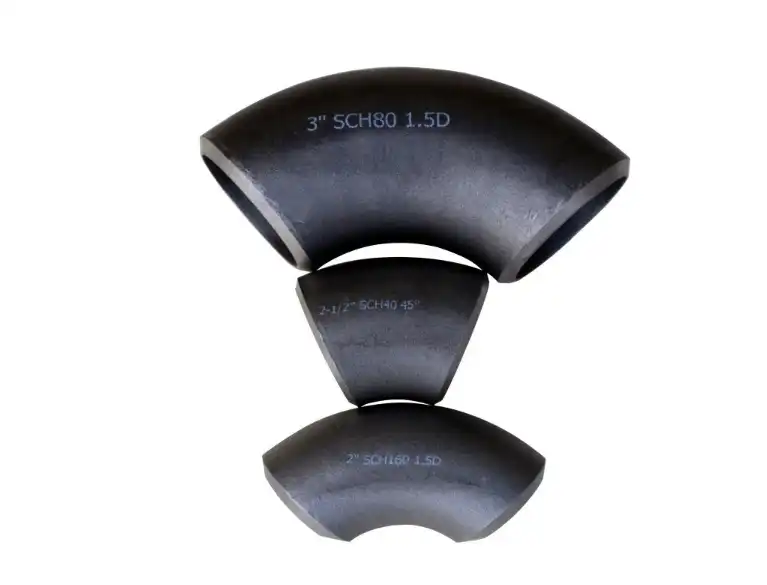
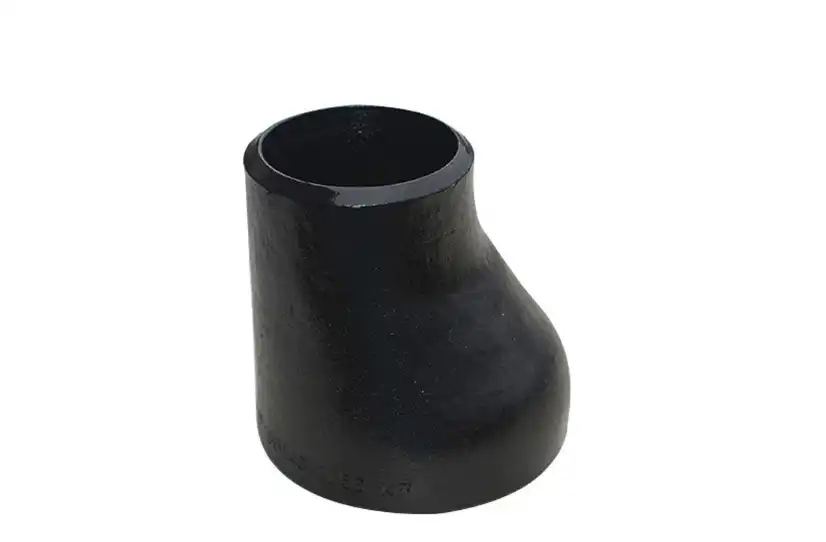
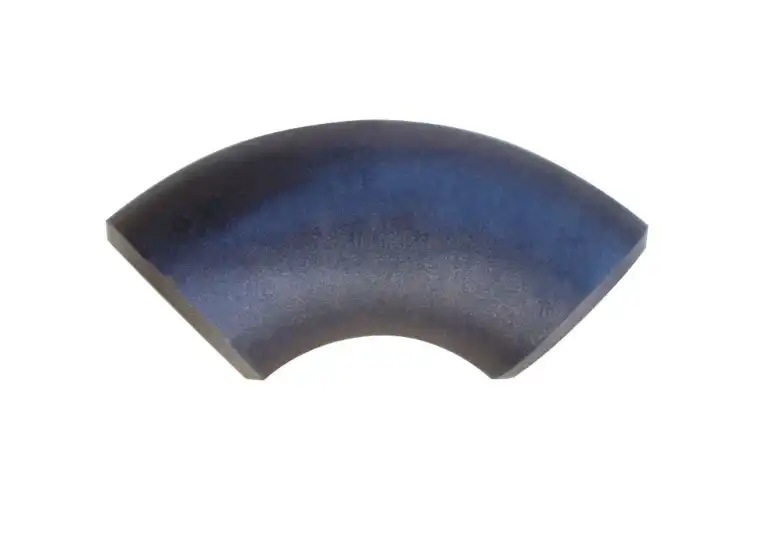
Top 5 High Temperature Pipe Tee Materials for Industry
When selecting materials for high-temperature industrial applications, the five most reliable options for pipe tees include Chrome-Molybdenum alloy steel (ASTM A234 WP91, WP22), high-grade stainless steels (310S, 347H), Nickel-based alloys (Inconel 625), advanced carbon steel variants, and specialized forged steel. Each of these materials demonstrates exceptional creep-rupture strength and oxidation resistance at elevated temperatures, making them indispensable for critical industrial piping systems. Understanding their distinct properties helps procurement professionals match the right High Temperature Pipe Tee to specific operational demands, ensuring long-term safety and minimal downtime.
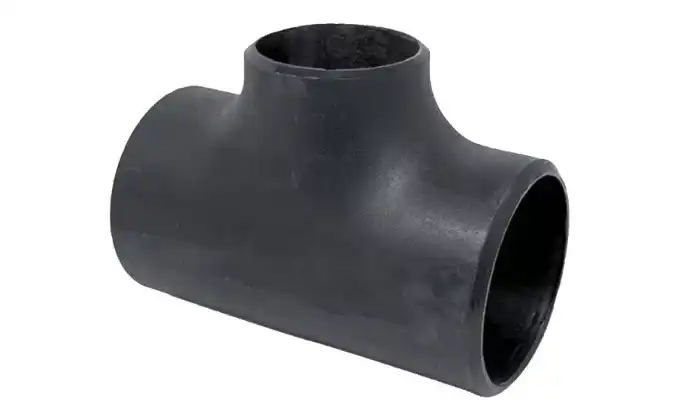
Top 5 Materials for High-Temperature Pipe Tees
Chrome-Molybdenum Alloy Steel
Chrome-Moly alloys are the most reliable material for high-temperature tasks that need to keep working at temperatures between 450°C and 600°C. ASTM A234 WP91 has about 9% chromium and 1% molybdenum, which gives it high creep-rupture strength and keeps its load-bearing capacity over long service periods. The WP22 grade, which has less metal, works well at relatively high temperatures and is cheaper.
When fossil fuels are used to make electricity, the boiler headers and main steam lines are constantly under thermal stress, which is where these materials really shine. The alloy's make-up creates a stable oxide layer that stops scaling, the high-temperature oxidation process that wears down pipe walls over time and shortens their usefulness. Chrome-Moly systems must go through Post-Weld Heat Treatment (PWHT) to get rid of any remaining stresses and stop Stress Corrosion Cracking (SCC), which can cause weak fractures if not fixed.
At Oudi, we make Chrome-Moly high-temperature pipe tees by following strict heat treatment methods and using X-ray fluorescence analysis to make sure that all of the materials are the right ones. This check makes sure that the exact chemistry of the alloy meets the requirements. This gets rid of the risk of material substitution, which has been a problem in some international supply chains.
High-Grade Stainless Steel
High-temperature pipe tee types that are made to withstand high temperatures are very resistant to rust and stay stable at high temperatures. Type 310S has 25% chromium and 20% nickel, which makes it very resistant to rusting up to 1100°C in sporadic service. The 347H version has niobium stabilization that stops carbide precipitation during welding and long-term high-temperature exposure. This keeps the grain boundaries resistant to corrosion.
Stainless steel tees are especially useful in chemical processing plants that work with acidic or alkaline fluids at high temperatures. The substance doesn't rust or pit and keeps its mechanical properties over a wide range of temperatures. Unlike carbon steel alternatives that need protective coatings, stainless grades don't rust naturally, so they don't need as much maintenance and can last longer between services.
The austenitic structure of these stainless steels makes them very tough and flexible, even after being heated for a long time. This trait is useful in systems that are going through thermal shock or fast temperature changes, since being weak could cause cracks. As part of our quality control process, we test the whole fitting for hardness to make sure it was properly heated and that the metal's structure meets the requirements for long-term performance.
Nickel-Based Alloys
When conditions are too harsh for steel-based materials, nickel-based superalloys perform better than anything else in ultra-high-temperature settings. Inconel 625 stays strong at temperatures up to 980°C and is very resistant to oxidation, carburization, and corrosive attacks from sulfur-containing gases and chloride environments.
Nickel alloys are expensive, but they are used in aerospace exhaust systems, advanced supercritical boilers, and specialized petrochemical uses that need to be resistant to both high heat and harsh chemical environments. The material doesn't change shape much when it's loaded for a long time at high temperatures, so it can be used in dangerous situations where maintaining its shape is important for safety.
Different types of Hastelloy give it more protection against reducing environments and certain corrosive media that would normally damage even the best stainless steels. Nickel-based metals can be used in many different situations, such as nuclear power plants, chemical processing of halogenated compounds, and marine settings where saltwater corrosion and thermal stress come together. To keep the base metal's mechanical qualities and ability to fight rust, welding these materials needs special techniques and trained workers.
Advanced Carbon Steel Variants
Modern carbon steels with controlled chemistry and specialized heat treatment can reliably work up to 450°C in some situations, even though they aren't usually thought of for high-temperature use. When compared to alloys, these materials are much cheaper and can still meet performance standards in less demanding thermal conditions.
Better carbon steel tees that balance thermal capability with economic efficiency are useful for water conservation projects, district heating systems, and moderate-temperature industrial processes. The important thing is to choose the right material based on how it will be used, not on its possible highest temperature. Premium alloys aren't needed in many systems because they work for long periods of time at temperatures well below their design temperatures.
When we make our carbon steel tees, we use a normalized heat treatment that smooths out the grain structure. This makes the material stronger and tougher than as-rolled material. When these fittings are put together with careful measurements and Non-Destructive Testing (NDT) using Ultrasonic Testing (UT), they work well as long as the operating conditions are right for the material. The big difference in prices lets the budget go to other important parts of the system or to bigger review programs.
Forged Steel for Critical High-Pressure Applications
When it comes to mechanical properties, forged steel t-shirts made through hot working processes are better than cast or fabricated ones. During the casting process, the grain structure is fine-tuned, which gets rid of any holes and improves the linear strength properties that make the material better at holding pressure and resisting impacts.
Forged fittings are required on high-pressure steam headers used in power plants and other important industrial uses to lower the risk of catastrophic failure. The better yield strength-to-weight ratio of the material lets the wall thickness be optimized, which lowers the overall system weight without sacrificing safety. Forged parts are also better at resisting wear under cyclic loading, which means they last longer in situations where they are started up and shut down a lot.
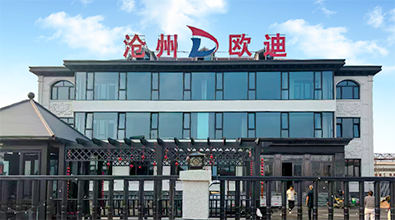
As part of quality control for forged tees, magnetic particle inspection is used to find flaws on the surface, and full dimensional verification is done to make sure that the branch intersection geometry matches the engineering calculations for stress distribution. At our factory in Cangzhou, advanced forging equipment and skilled metallurgists consistently make fittings that go above and beyond the minimum requirements. This gives critical installations an extra safety margin.
Comparing High-Temperature Pipe Tee Materials – Which One to Choose?
Heat Resistance vs. Cost Efficiency Balance
When choosing materials, it's important to find a balance between the need for good thermal performance and the budget and lifecycle costs of the materials. Chrome-Moly alloys are often 40–60% less expensive than Nickel-based options and can work effectively at temperatures up to 600°C. This makes them the best choice for traditional power generation and many petrochemical uses.
Stainless steel types are in the middle. They don't rust, so they don't need to be coated and don't need to be maintained as often. Most of the time, the extra cost over carbon steel pays for itself in longer service life and less downtime. To find the true economic value, a detailed lifecycle cost analysis should look at things like installation costs, maintenance schedules, expected service life, and replacement costs.
Advanced types of carbon high-temperature pipe tees are good for uses where the temperature stays below 450°C, and there aren't many corrosive conditions. Choosing materials that are too specific wastes money that could be used to improve other parts of the system or pay for full inspection programs. On the other hand, not defining enough materials to save money at first often leads to early failures that cost a lot more than the money saved during buying.
Mechanical Strength Under Thermal Cycling
When temperatures rise and fall, they create mechanical stresses that build up over thousands of cycles. If materials aren't flexible and tough enough, these stresses can finally cause fatigue cracks. Austenitic stainless steels are great for cyclic service because they have a face-centered cubic crystal structure that stops cracks from starting and spreading, even after being exposed to heat for a long time.
To keep their toughness, chrome-moly metals need to be heat-treated and welded with great care. Bad PWHT or welding with filler metals that don't work well together can leave weak spots that can crack during sudden changes in temperature. As part of our production process, we test representative samples for toughness by impacting them to make sure they meet the standards across the expected service temperature range.
Forged steel parts are more resistant to wear than welded ones because the grains run continuously and there are no fusion zones that can become stress concentrations. Systems that start up and shut down a lot benefit from the extra durability that forged fittings offer. This lowers the chance that something will go wrong during critical operating periods.
Procurement Considerations for High Temperature Pipe Tees
Certification and Supplier Qualification
When looking for high-temperature pipe fittings, you need to make sure that the supplier has quality management systems and manufacturing certifications that show they can consistently make products that meet standards. ISO 9001:2000 certification is a basic guarantee of documented quality procedures, and special equipment manufacturing licenses from regulatory authorities prove that the parts can be made technically to hold pressure.
When working at high temperatures, where mixing grades or heats can hurt performance, being able to track materials becomes very important. Material Test Reports (MTRs) from reputable suppliers show the chemical make-up, mechanical properties, and heat treatment settings for each production lot. PMI testing as soon as the material is received makes sure that it fits the paperwork. This prevents substitutions that are made on purpose or by accident.
At Oudi, we keep full records of everything from buying raw materials to delivering finished goods. Our quality paperwork package includes photographic records, NDT results, reports on dimensional inspections, and data from hardness tests. This gives you full access to the quality of the manufacturing process. This openness builds trust and meets the needs of stricter and stricter project quality assurance standards.
Standard vs. Custom Specifications
Fittings with standard dimensions that are made to ASME B16.9 are cheaper because they are made in large quantities and are always in stock. Standard goods can be used for many common tasks, which cuts down on the time it takes to buy things and makes managing new parts easier. Our warehouse keeps a wide range of standard T-shirts in common sizes and materials ready to ship right away.
Standard goods can't be used because of limited room, odd pressure ratings, or certain connection arrangements. In these cases, custom specs are needed. Our tech team works directly with clients to create one-of-a-kind solutions that meet the specific needs of each application while still being cost-effective. Modern manufacturing equipment makes it cheap to make even small amounts, which helps with specialized projects without charging too much.
When choosing between standard and custom, you need to look at the total cost of installation, the time it takes to buy the parts, and the deadlines for delivery. Custom fittings may make it possible to simplify piping layouts that lower overall material and labor costs, even if the prices of the individual parts are higher. Including input from experienced suppliers in detailed project planning helps find ways to improve things.
Global Logistics and Technical Support
Shipping times, customs paperwork, and coordinating across time zones and languages are some of the practical issues that come up when you buy something internationally. Because we've exported goods to customers in Europe, the Americas, Africa, Southeast Asia, and the Middle East, we've been able to fine-tune processes that keep projects on track and avoid delays.
Comprehensive technical support during the purchasing and installation stages is what sets reliable suppliers apart from those who just sell products. Our expert team helps you choose the right materials, gives you advice on how to weld, and helps you fix problems during installation. This way of working together helps clients avoid mistakes that cost a lot of money and get the best system performance.
Key Advantages of Choosing the Right High Temperature Pipe Tee Material
Enhanced System Reliability and Safety Compliance
Choosing the right materials directly lowers the chance that something will fail, which protects workers' safety and stops environmental problems that can lead to fines and damage to a company's reputation. Specially designed fittings for high temperatures keep their structural integrity in situations where regular parts would break. This gives dangerous fluid systems the safety margins they need.
Utilizing certified products from reputable sources makes it easy to follow safety rules in the workplace, such as the ASME Boiler and Pressure Vessel Code. Our goods are compliant with international standards like ANSI, JIS, DIN, and BS. This helps meet the needs of global projects and makes it easier for regulators to approve them in many places.
Improved Heat Management and Energy Efficiency
Materials that are better at handling high temperatures keep their shape better when they are under a lot of thermal stress. This cuts down on leak paths that waste energy and pose safety risks. Premium metals have better resistance to oxidation, which keeps the flow area the same over long periods of service. This stops the loss of efficiency that happens when scaling lowers the effective pipe width.
When you choose materials that don't break down easily in certain operating environments, you can make equipment last longer. This longer service life spreads out the initial investment over more working years, which improves the project's economics and lessens the damage to the environment caused by replacing and getting rid of parts too soon.
Conclusion
To choose the right materials for high-temperature pipe High Temperature Pipe Tees, you have to weigh thermal performance, mechanical properties, corrosion resistance, and cost, all while keeping the needs of the operation in mind. Chrome-molybdenum alloys, high-grade stainless steels, nickel-based superalloys, advanced carbon steels, and forged steel are all different types of steel that are good for different uses. Knowing these things about the materials and working with reliable sources will help you make decisions that improve system stability while lowering costs over their entire life. Because of the safety issues and technical difficulties, it is very helpful to get advice from experts during the whole process of specifying and buying.
FAQ
1. What is the maximum temperature limit for ASTM A234 WP91 pipe tees?
Most of the time, ASTM A234 WP91 Chrome-Moly alloy steel can handle constant service up to 1112°F (600°C). After this point, the creep strength drops a lot, and the material could permanently change shape when it is loaded for a long time. Decades of experience in power generation have provided a lot of information about the material's long-term stress-rupture properties, which set reliable design parameters. For uses above 600°C, nickel-based alloys or high-temperature stainless steels that can keep their mechanical properties at high temperatures are needed.
2. Why is Post-Weld Heat Treatment mandatory for Chrome-Moly tees?
Stress Corrosion Cracking and brittle fracture can happen after welding, but PWHT can relieve these stresses. The heat treatment also cools down the weld heat-affected zone, which restores the toughness and ductility that were lost during the rapid heating and cooling cycles of welding. Chrome-Moly materials are especially prone to hydrogen-induced cracking if they don't get the right PWHT. This process step is therefore very important for making sure long-term stability and code compliance.
3. Can high-temperature pipe tees be used for cryogenic applications?
Materials that are designed to work at high temperatures often break easily at temperatures below zero, so they can't be used in cold situations. For cold service, you need low-temperature carbon steels, austenitic stainless steels like 304L, or special alloys like aluminum 5083. The metallurgical properties that provide creep resistance at high temperatures are very different from those that are needed to keep toughness at cryogenic temperatures. This means that the right material must be chosen for the right temperature range.
Partner with Oudi for Certified High Temperature Pipe Tee Solutions
The process of choosing the right parts for high-temperature pipes is complicated and takes more than just looking at a catalog. Oudi has been making things for 25 years and has helped over 300 users in over 40 countries. This has given us a deep knowledge of the problems that real-world applications face. Our Cangzhou factory is ISO 9001:2000 approved and makes 16,000 tons of carbon steel, stainless steel, and alloy steel pipe fittings every year that meet foreign standards like ANSI, JIS, DIN, and BS.
Our technical team can help you choose the right materials, buy them, and install them, whether you need standard ASME B16.9 tees to ship right away or custom-engineered solutions for unique uses. Every shipment comes with full quality documentation, such as Material Test Reports, dimensional inspection records, and NDT results, to meet the quality assurance needs of your project. Get in touch with us at oudi-04@oudiguandao.com to talk about your high-temperature pipe needs with a dependable High Temperature Pipe Tee provider that is dedicated to providing approved quality, reasonable pricing, and quick technical support.
References
1. American Society of Mechanical Engineers. (2020). ASME B16.9: Factory-Made Wrought Butt-Welding Fittings. New York: ASME Press.
2. ASTM International. (2019). ASTM A234: Standard Specification for Piping Fittings of Wrought Carbon Steel and Alloy Steel for Moderate and High Temperature Service. West Conshohocken: ASTM International.
3. Davis, J.R. (2006). Corrosion of Weldments. Materials Park: ASM International.
4. Viswanathan, R. (1989). Damage Mechanisms and Life Assessment of High-Temperature Components. Materials Park: ASM International.
5. Bhadeshia, H.K.D.H. (2015). Theory of Transformations in Steels. London: Maney Publishing.
6. Boyer, H.E. (1987). Atlas of Creep and Stress-Rupture Curves. Materials Park: ASM International.

Need help finding the right solution with our experts. Please contact us.
SINCE 1998 Your Reliable Pipeline Manufacturer