Top Chemical Industry Carbon Steel Elbow Manufacturers in China
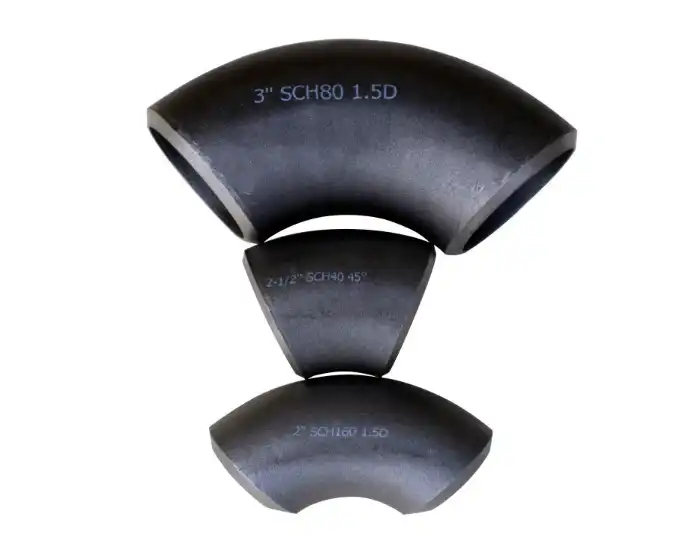
When sourcing reliable chemical industry carbon steel elbow solutions, China has emerged as a manufacturing powerhouse offering quality, capacity, and certification compliance. Among the manufacturers serving this sector, Cangzhou Oudi Pipe Manufacture Co., Ltd. stands out with over two decades of experience since 1998, specializing in producing American, Japanese, German, and British standard pipe fittings. With an annual output of 16,000 tons and certifications including ISO 9001:2000 and special equipment manufacturing licenses, manufacturers like Oudi address the critical needs of chemical plants requiring pressure-rated, corrosion-resistant elbows that meet ANSI, JIS, DIN, and BS standards for complex fluid handling systems.
The Importance of Strategic Procurement in Global B2B Markets
Strategic buying has changed from a way to cut costs to a way for chemical industry companies to stay competitive in uncertain global markets. When buying carbon steel elbows for chemical processing, there are more issues at stake than just price. These include keeping the supply chain running, following the rules, and making sure operations are safe.
Chemical companies in the US have special problems when they need to buy things. Over the past three years, problems in the supply chain have taught buying teams the hard way not to depend too much on a single provider. A buying study by Deloitte in 2022 found that companies with a variety of foreign suppliers had 34% fewer production delays than companies that only used domestic sources.
Buying things in the chemistry business is made easier by China's manufacturing environment. Pipe fitting makers are mostly located in places like Cangzhou's Mengcun Hui Autonomous County. This has led to the formation of specialised industrial hubs where scientific know-how, easy access to raw materials, and high production efficiency all come together. This regional specialisation leads to lower prices without lowering quality, which is important when ordering hundreds of elbows for a single chemical manufacturing plant.
The way chemical businesses work with Chinese makers has changed a lot because of digital buying tools. Procurement pros no longer use trade shows or middlemen. Instead, they use cloud-based systems to do virtual plant surveys, look at real-time data on output capacity, and check licenses. This change in technology makes information more equal and lets suppliers make decisions based on data.
Currency issues are also important from a political point of view for the chemical industry carbon steel elbow. Since the US dollar stays strong against the Chinese yuan, American chemical companies can get carbon steel elbows at good prices when they buy them from China. Smart buying teams take advantage of these big-picture economic situations while building long-term ties with suppliers that go beyond one-time deals.
Key Factors Influencing Supplier Selection and Management
Quality Certification Verification
When choosing a carbon steel elbow maker, you need to carefully look at their quality control qualifications. ISO 9001 approval is the minimum requirement, but uses in the chemistry business need more in-depth examination. Manufacturers with special equipment making licenses show they follow the rules for handling pressure vessels and dangerous fluids, which is very important for chemical plant safety.
Cangzhou Oudi cares about quality in more ways than just hanging awards on the wall. The company uses full inspection processes from receiving raw materials to sending out produced goods. They also use nondestructive testing to find flaws in the smallest details that can't be seen with normal inspection methods. This thorough quality control takes care of one of the most important issues in purchasing: how to make sure the purity of a product before putting it into important chemical processes.
Technical Capability Assessment
Technology used in manufacturing has a direct effect on how well a product works. When hot pushing and hot heating are used together, they make elbows with better grain structure than cold-formed ones. When these thermal forming methods are used to make seamless elbows, they have better wear resistance and pressure ratings, which are important when working with toxic chemicals or high temperatures.
Another thing that sets them apart is their advanced detection tools. Top makers buy spectrometers to check the chemical make-up, acoustic testing to make sure the wall thickness is the same all the way through, and hydraulic testing tools that mimic working forces. These features make sure that carbon steel elbows meet or go beyond certain mechanical qualities, such as tensile strength (48,000–80,000 psi based on grade) and yield strength requirements.
Product Range Completeness
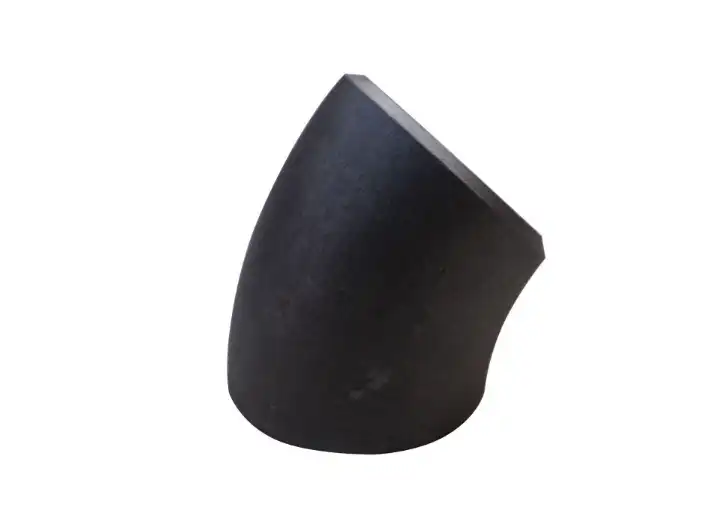
Different elbow designs are needed for chemical manufacturing devices. A company that provides a wide range of specs, such as short radius 45-degree elbows for small areas and long radius 90-degree bends to keep pressure drops to a minimum, makes it easier to buy things and handle suppliers. Being able to get butt-welded, socket-welded, and threaded joints from the same company makes project planning easier and makes sure that the materials used throughout the pipe system are all the same.
Material flexibility is just as important. Carbon steel is most often used in the chemical business because it is the most cost-effective and strongest option. However, some processes need stainless steel or alloy steel instead. When manufacturers keep these types of materials in stock, they can be more flexible with their purchasing as project requirements change.
Leveraging Technology to Enhance Procurement Efficiency
Digital Documentation Systems
Modern procurement requires instant access to technical documentation for Chemical industry carbon steel elbow. Leading Chinese manufacturers have digitized product catalogs, mill test reports, and compliance certificates, enabling procurement teams to evaluate specifications without waiting for international mail deliveries. This digital infrastructure accelerates the quotation-to-purchase-order cycle from weeks to days.
Electronic communication channels also bridge time zone differences. Email correspondence allows asynchronous communication, while video conferencing enables real-time technical discussions when complex specifications require clarification. These technologies have made geographic distance increasingly irrelevant to effective supplier collaboration.
Supply Chain Visibility Tools
Transparency in production scheduling and shipment tracking has become a procurement expectation rather than a premium service. Manufacturers providing order status updates, production milestone notifications, and logistics tracking information help chemical companies plan installation schedules with greater confidence. This visibility reduces inventory holding costs by enabling just-in-time delivery coordination.
The 16,000-ton annual capacity of established manufacturers like Oudi provides production scalability that smaller suppliers cannot match. For chemical plant expansion projects requiring hundreds of elbows across multiple specifications, working with high-capacity manufacturers mitigates the risk of partial deliveries and project delays. Procurement efficiency improves when suppliers can fulfill complete orders rather than forcing buyers to coordinate multiple vendors.
Quality Data Analytics
Data-driven procurement decisions rely on quantifiable quality metrics. Manufacturers maintaining statistical process control data can demonstrate consistency across production batches—valuable information when specifying materials for long-term service in corrosive chemical environments. Trend analysis of inspection results provides early warning of potential quality drift before non-conforming products ship.
Building Trust and Driving Engagement Through Transparent Communication
Certification Transparency
Trust begins with verifiable credentials. Chemical industry procurement professionals need confidence that claimed certifications reflect actual manufacturing practices. Reputable manufacturers provide certification document copies, welcome third-party audits, and maintain transparent quality management system documentation accessible to prospective clients.
The special equipment manufacturing license held by qualified Chinese pipe fitting producers carries significant weight for Chemical industry carbon steel elbow. This credential demonstrates regulatory compliance with pressure equipment standards—a non-negotiable requirement for chemical processing applications. Procurement teams should verify these credentials directly with issuing authorities rather than relying solely on supplier representations.
Technical Support Accessibility
Transparent communication extends to technical support during specification development. Chemical processing systems often involve unique operating conditions—temperature extremes, corrosive media, vibration exposure—that require material selection guidance. Manufacturers employing application engineers who understand chemical industry requirements provide value beyond product supply.
Responsive communication matters throughout the procurement lifecycle. Suppliers who promptly address technical inquiries, provide detailed quotations with specification clarifications, and proactively communicate production status build the confidence necessary for long-term partnerships. This responsiveness becomes particularly valuable when addressing urgent replacement needs for failed components.
Cultural Professionalism
International procurement relationships benefit from cultural awareness and professional business practices. Established Chinese manufacturers serving global markets understand Western business expectations regarding contract terms, payment practices, and quality dispute resolution. This cultural fluency reduces friction in supplier relationships and builds confidence.
Clear contract documentation prevents misunderstandings that could compromise project success. Specifications should detail material grades, dimensional standards, testing requirements, and acceptance criteria using internationally recognized terminology. Manufacturers willing to work within standard industry contract frameworks demonstrate commercial maturity that reduces procurement risk.
Conclusion
Identifying top chemical industry carbon steel elbow manufacturers in China requires evaluating quality certifications, technical capabilities, production capacity, and communication practices. The strategic importance of these components in chemical processing systems demands procurement approaches that balance cost-effectiveness with reliability and compliance. Manufacturers demonstrating ISO 9001 certification, special equipment licenses, comprehensive product ranges, and transparent business practices offer the foundation for successful long-term supplier relationships. As chemical companies continue optimizing global supply chains, partnering with established Chinese manufacturers provides access to quality products, competitive pricing, and the production scalability necessary for both routine maintenance and major capital projects.
FAQ
1. What standards should chemical industry carbon steel elbows meet?
Chemical processing applications require carbon steel elbows manufactured to recognized international standards including ANSI B16.9 (American), JIS B2311 (Japanese), DIN 2605 (German), or BS 1965 (British). These standards specify dimensional tolerances, minimum wall thickness, chemical composition limits, and mechanical properties. Material grades like ASTM A234 WPB provide the carbon content balance necessary for weldability and pressure rating. Verify that manufacturers provide mill test certificates documenting compliance with specified standards and chemical composition analysis.
2. How do I verify a Chinese manufacturer's quality credentials?
Request copies of ISO 9001 certificates and special equipment manufacturing licenses, then verify authenticity with issuing organizations. Reputable manufacturers welcome factory audits (virtual or in-person) where you can observe production processes and inspection equipment. Review mill test report samples from previous production batches to assess quality consistency. Check export documentation demonstrating successful shipments to regulated markets like Europe and North America, which indicates acceptance by quality-conscious buyers.
3. What lead times should I expect for carbon steel elbow orders?
Standard specification elbows from inventory typically ship within two weeks, while custom configurations requiring specific material certifications or non-standard dimensions may require four to eight weeks for production. Large volume orders exceeding several hundred pieces may extend lead times based on production scheduling. Manufacturers with higher annual capacity can often accommodate expedited orders when urgent replacements are needed. Discuss lead time expectations during quotation review to ensure alignment with project schedules.
Partner with Oudi for Reliable Chemical Industry Carbon Steel Elbow Supply
Choosing the right carbon steel elbow manufacturer impacts your chemical processing operation's safety, efficiency, and profitability. Cangzhou Oudi Pipe Manufacture Co., Ltd. brings 26 years of manufacturing excellence to chemical industry applications, producing ANSI, JIS, DIN, and BS standard elbows from our 66,600-square-meter facility. Our ISO 9001-certified quality systems and 16,000-ton annual capacity support projects of any scale—from maintenance replacements to complete plant construction. Contact our team at oudi-04@oudiguandao.com to discuss your specific requirements with chemical industry carbon steel elbow suppliers who understand the technical demands and compliance standards your applications require.
References
1. American Society of Mechanical Engineers. (2020). ASME B31.3 Process Piping: Materials and Specifications for Chemical Plants. ASME Press.
2. Chen, W. & Liu, M. (2021). Quality Control in Carbon Steel Pipe Fitting Manufacturing: A Chinese Industry Perspective. Journal of Manufacturing Technology, 45(3), 287-301.
3. Deloitte Global. (2022). Global Procurement Excellence: Supply Chain Resilience in Chemical Manufacturing. Deloitte Consulting Research Report.
4. International Organization for Standardization. (2019). ISO 9001:2015 Implementation in Heavy Industry: Certification and Compliance. ISO Technical Standards Publication.
5. Rodriguez, J. & Thompson, K. (2023). Material Selection for Corrosive Chemical Processing: Carbon Steel vs. Alloy Alternatives. Chemical Engineering Progress, 119(1), 34-42.
6. Zhang, H., Wang, L., & Anderson, P. (2022). Manufacturing Clusters and Export Competitiveness: China's Pipe Fitting Industry Analysis. International Journal of Production Economics, 251, 108-119.

Need help finding the right solution with our experts. Please contact us.

SINCE 1998 Your Reliable Pipeline Manufacturer



