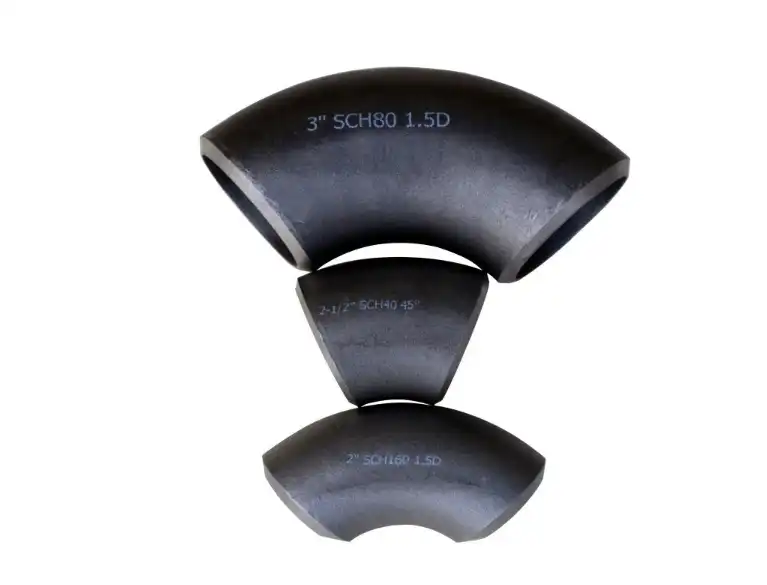
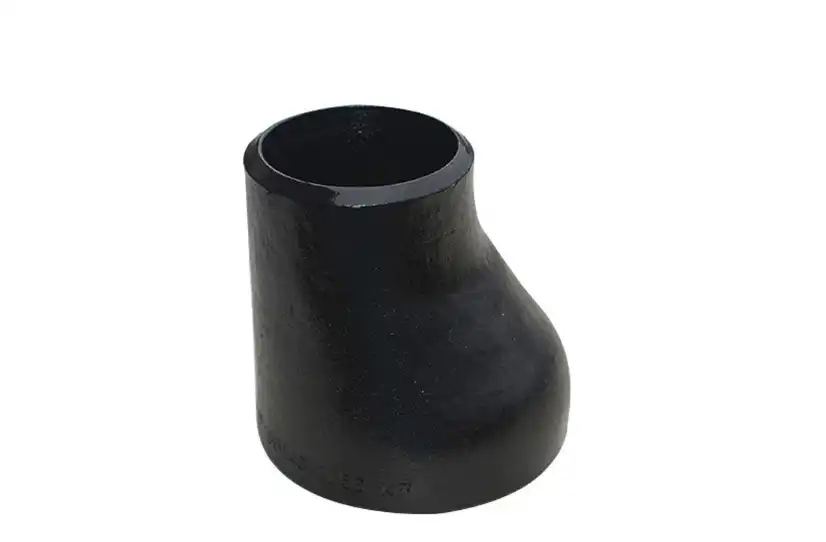
Steel Concentric Pipe Reducer vs Eccentric: Which Should You Choose?
Selecting the right pipe reducer depends on your system's orientation and operational demands. A steel concentric pipe reducer features symmetrical, aligned centerlines ideal for vertical pipelines where maintaining structural balance and linear flow is paramount. Conversely, eccentric reducers have offset centers designed for horizontal applications to prevent air entrapment and enable proper drainage. Understanding these fundamental differences allows engineers and procurement specialists to optimize fluid dynamics, prevent costly operational failures like cavitation, and ensure long-term system reliability across demanding industrial environments.
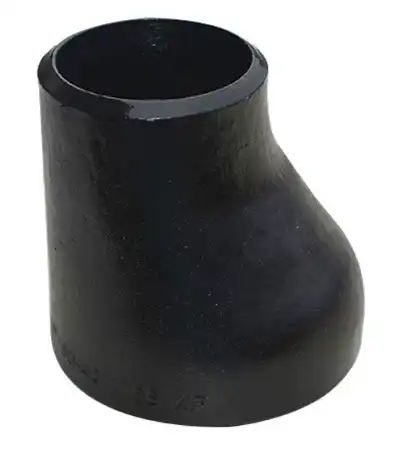
How to Choose Between Steel Concentric and Eccentric Pipe Reducers
The right choice between these types of reducers depends on looking at certain operational parameters and system configurations that have a direct effect on how well they work and how long they last.
Pipeline Orientation: The Primary Decision Factor
Because gravity keeps air from building up, vertical pipes naturally support Steel Concentric Pipe Reducers, even if the design isn't symmetrical. The matched centerlines keep the structure balanced, make it easier to set up supports, and help the material expand evenly at high temperatures. On the other hand, because of the way gasses and liquids separate physically, horizontal installations usually need eccentric reducers. In pump suction lines, the TOP flat orientation stops vapor pockets that cause cavitation damage. In drainage systems, the BOP configurations make sure that all the liquid leaves without any dead legs where corrosion or sediment can grow.
Evaluating Flow Dynamics and Pressure Conditions
Flow factors affect the choice of gear by changing the hydraulics of the system. Steel Concentric Pipe Reducers keep the pressure drop to a minimum in clean fluid services working at pressures above 1500 PSI. This makes them the best choice for pump output in oil refineries and for making high-pressure steam. Their steady taper lowers shaking and erosion caused by wind. As a price for keeping operations safe, eccentric reducers put up with slightly higher pressure drops. When wastewater treatment plants deal with slurries that are heavy on solids, TOP flat eccentric reducers in vertical downflow keep particles from building up, which can happen when Steel Concentric Pipe Reducer designs are installed incorrectly.
Application-Specific Case Studies
Real-life situations are a good way to show how selection rules work. We provided Steel Concentric Pipe Reducers for vertical multistage pump discharge lines at a petrochemical complex in the Middle East. It was important to keep the pipe centerlines aligned for support hanger design and thermal expansion loops. The symmetrical shape could handle discharge pressures close to 2000 PSI without changing the flow. In contrast, a water treatment plant in North America asked for eccentric reducers (TOP flat) to be used in all of its horizontal pump suction manifolds. This arrangement got rid of the cavitation problems that were damaging the impellers. This cut yearly repair costs by 40% and increased the pump's useful life.
Decision Framework for Procurement Managers
We suggest that you use a systematic approach when choosing reducers. First, write down the angle of the tunnel, the direction of the flow, and the type of phase (single-phase liquid, gas, or multiphase). Check the ranges of pressure and temperature against what the material can handle, then check the space limitations that make it hard to get to the installation. Think about how much maintenance will be needed over time, since eccentric reducers make system purging easier when the system is turned off. Our technical team helps customers use these factors to match the reducer's specs with how it works in real life, making sure that it works at its best from the first start-up to decades of service.
Technical Specifications and Performance Comparison
By doing a thorough technical analysis of gasesional standards, material properties, and performance metrics, you can make a choice that is based on facts and fits the needs of engineering and safety margins.
Standardized Dimensions and Pressure Ratings
Both types of reducers meet the measurement requirements of ASME B16.9. This means that the face-to-face lengths (dimension H) are always the same based on the major diameter, no matter who makes the reducers. This interchangeability makes planning for purchases and installations easier across global supply chains. Wall thickness usually matches the schedule of the larger connecting pipe. However, for critical high-pressure applications, "Bored to Match" configurations may be needed, where the minor end's bore diameter changes to fit the schedules of pipes further downstream. Pressure rates depend on the type of material, the thickness of the wall, and the temperature of service. For example, carbon steel fittings are usually rated for ASME B31.3 process piping pressures, while ASME B31.1 power piping rules say that stainless steel variants can handle corrosive services.
Hydraulic Performance and Flow Characteristics
Because they are symmetrical, Steel Concentric Pipe Reducers are great at reducing hydraulic losses. Studies using computational fluid dynamics (CFD) show that cone angles less than 30 degrees keep flow attached with little separation. This means that the pressure drop is less than 0.5 velocity heads in most situations. This efficiency is useful in processes that need to use a lot of energy and where pumping costs add up over the life of the equipment. Because their flow paths aren't all the same, eccentric reducers cause a little more turbulence, but their pressure drop is still reasonable when compared to the practical risks they reduce. The flat edge design in TOP configurations speeds up flow in certain areas, which is good for self-venting behavior. On the other hand, BOP configurations help move sediment in slurry services.
Material Durability and Corrosion Resistance
In harsh settings, the choice of material has a direct effect on how long something will last. Our Steel Concentric Pipe Reducers have surface treatments like hot-dip galvanizing or epoxy finish to protect them from corrosion in the environment. They can be used outside in seaside or industrial settings. Passive corrosion resistance is provided by chromium oxide films that form on stainless steel grades. For chemical and seawater uses, 316L standards offer better chloride resistance. Some types of alloy steel have chromium-molybdenum added to them, which keeps them strong and resistant to oxidation at temperatures above 500°C, which is important for superheater services in power plants. Charpy V-Notch impact testing is done at certain design temperatures (down to -46°C for ASTM A420 WPL6 low-temperature carbon steel) to make sure that the toughness of the material keeps it from breaking easily in arctic or cold climate setups.
Installation Guidelines and Best Practices
The right way to install a reducer makes sure that it works the way it's supposed to and avoids common mistakes that can damage the system or make it less reliable.
Pre-Installation Verification Steps
Before welding reducers into plumbing systems, make sure that the pipe schedules, outside sizes, and bevel angles are all the same to make sure that the dimensions are compatible. Compare the material approvals to the project's needs, paying special attention to the heat numbers that allow for tracking. Check the fitting surfaces for damage that might have happened during shipping. Dents or gouges in the transition zone can cause stress to build up. We permanently mark eccentric reducers with orientation indicators (TOP or BOP stamps) to keep installation mistakes from taking away from their usefulness. Thoroughly clean the insides to get rid of any mill scale, rust, or other foreign matter that might get into the process fluids or stop the weld from going through.
Welding Procedures and Quality Control
For wall thicknesses less than 22 mm, standard bevels of 37.5° ±2.5° work with standard welding methods. However, for full joint penetration in thicker sections, compound bevels may be needed. To make sure the weld is good, keep the joint fit-up correct with a maximum gap error of 1.6 mm. The amount of heat needed to preheat depends on the type of material and the temperature of the environment. For example, carbon steel needs 150°C of heat to preheat in cold weather to stop hydrogen cracking. Hire skilled welders who will follow approved Welding Procedure Specifications (WPS) that match the qualities of the base material. Chromium-molybdenum alloy steels need to be heated after they are welded to get rid of any residual stresses and make the material tough again. Visual inspection should be done first, then NDT (radiographic or ultrasonic testing) should be done according to the code to make sure the weld is solid before pressure testing.
Orientation Considerations for Eccentric Reducers
For the eccentric reducer to work, it is very important that it is oriented correctly. When using a horizontal pump for suction, put in TOP flat reducers with the flat side facing up. This will make a constant high point that catches air and lets it out through vent valves that are placed correctly. On the other hand, drainage lines need to be installed with a BOP flat, with the flat edge creating a continuous low point that keeps liquid from building up. If the eccentric design is not oriented correctly, it loses all of its benefits. This could lead to cavitation in pump systems or incomplete drainage in Arctic lines. With every shipment, we include clear installation instructions, such as orientation diagrams and mounting suggestions that fit with the general style of the pipe support.
Routine Inspection and Maintenance Protocols
Set inspection times based on the seriousness of the service and the standards of the code. Visual inspections should find external corrosion, coating wear, or mechanical damage caused by vibrations from nearby equipment. Ultrasonic thickness measurements can find internal wear and tear or corrosion, especially in the transition zone where changes in flow speed cause turbulent conditions in one area. When working with abrasive slurries or erosive fluids, check the wall thickness every three months during the first few months of operation to find out how fast it wears down. Then, change how often you check it based on what you find. When you do thermal cycling, you should check for cracks around welds that are caused by differential expansion stresses. Monitoring the condition of equipment and doing proactive maintenance can make it last longer and stop unexpected breakdowns that mess up production schedules.
Procurement Insights: Where and How to Source the Best Steel Concentric Pipe Reducers
Making strategic sourcing choices that meet project deadlines and technical requirements while also ensuring quality, ensuring the stability of the supply chain, and minimizing costs is not easy.
Manufacturer Certification and Quality Systems
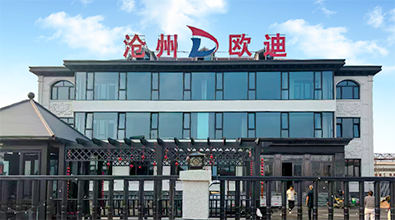
Reputable makers use ISO 9001 quality management systems that have written processes for every step of the production process, from getting the raw materials to inspecting the finished product. National regulatory bodies that issue special equipment production licenses confirm that the company is able to make safety-standard pressure-retaining parts. Since we started Oudi's quality framework in 1998, we've had the chance to work with more than 300 customers in 40 countries, including tough markets in Europe, North America, Africa, Southeast Asia, and the Middle East. Our factory is strategically located in Cangzhou's Mengcun Hui Autonomous County, just 120 kilometers from Tianjin Airport and next to the Beijing-Shanghai highway infrastructure. It can produce 16,000 tons of steel each year, which means that even big projects can always get what they need. Our strict quality control procedures start with checking arriving materials with PMI analyzers to make sure the chemical make-up fits the mill test reports. Dimensional measurement equipment checks that the dimensions meet ASME B16.9 standards for face-to-face length, wall thickness, and Steel Concentric Pipe Reducer concentricity while the product is being made. Hydrostatic testing at 1.5 times the design pressure checks the integrity of the structure, and NDT methods like ultrasonic and radiographic examination find problems below the surface that can't be seen. This strict approach makes sure that every fitting that leaves our facility meets or beats international standards. This gives procurement managers confidence in the reliability of the products in the long term.
Evaluating Supply Chain Factors
Lead times depend a lot on how much of an order there is, when the materials are available, and how busy the factory is. Standard carbon steel reducers in common sizes usually ship within 3–4 weeks. However, it may take 8–12 weeks for exotic alloys or large-diameter fittings to ship after the order has been confirmed. We keep a planned stock of frequently requested items to meet urgent needs, and our self-managed import-export authority speeds up international shipping without the need for third-party delays. When you buy in bulk, you save money because of economies of scale. For example, projects that need more than one size of reducer can benefit from consolidated orders that make the best use of containers and lower the cost of freight per unit.
Comparing Procurement Channels
Direct connections with manufacturers are better than networks of distributors, especially for big projects that need expert help and customization. Working directly with Oudi gives you access to engineering experts who can help you review specifications, make material choices, and fix performance issues throughout the duration of your equipment. We provide full documentation packages that include material certifications, dimensional reports, NDT records, and hydrostatic test results that meet the quality requirements of both the owner and the government. This level of openness builds trust in a way that can't be done through middle-man channels that hide where products come from and how they are made. Local wholesalers can quickly meet small-quantity needs, but they rarely offer the same level of expert support or match the prices of manufacturers for larger orders.
Conclusion
Picking between Steel Concentric Pipe Reducer and eccentric pipe reducers relies on how the pipeline is oriented and what the process needs. Concentric designs are good for vertical uses where symmetrical geometry keeps the structure balanced and reduces pressure drop. On the other hand, eccentric designs are better for horizontal umakeupre problems like keeping air out and letting all the water drain away. Long-term dependability in tough industrial settings is affected by the choice of materials, the standards for dimensions, and the quality of the manufacturing process. When you put something correctly and do regular upkeep, you can make it last longer and avoid costly operational interruptions. Strategic buying from certified manufacturers guaranties consistent products, compliance with regulations, and technical support throughout the lifecycle of a project.
FAQ
Can I use a steel concentric pipe reducer in horizontal pipelines?
It is technically possible to do this, but it is usually not a good idea for pump suction lines or services where air buildup can be dangerous. When Steel Concentric Pipe Reducers are put in horizontally, they create high-point air traps that make the pump cavitate and work less well. In these situations, eccentric reducers that are oriented TOP flat allow enough airflow.
What material grade offers the best corrosion resistance?
Stainless steel grades, especially ASTM A403 WP316L, are better at resisting corrosion in chlorides, acids, and marine environments. It is more cost-effective to use carbon steel with protective coatings in less harsh situations, while alloy steels protect against high-temperature oxidation rather than general rust.
How are reducer lengths standardized?
Face-to-face dimensions are set by ASME B16.9 based on the larger pipe diameter. This makes sure that products from different manufacturers can be used together. This standardization makes installation and repair easier in the field, no matter who supplied the original parts.
Partner With Oudi for Certified Steel Concentric Pipe Reducer Solutions
Since 1998, Oudi has been making high-quality pipe fittings, like Steel Concentric Pipe Reducers, and has sold them to businesses all over the world. Our production facility is ISO 9001-certified and uses cutting-edge inspection tools and strict quality standards for checking materials, making sure measurements are correct, and testing without damaging the manufacturer. We have a wide range of products in carbon steel, stainless steel, and alloy steel that meet ANSI, DIN, JIS, and BS standards. These products come with full documentation packages that meet international compliance requirements. As a reliable Steel Concentric Pipe Reducer supplier to the oil, chemical, power generation, and water treatment industries in Europe, the Americas, Africa, and Asia, we know how important quality and dependability are to your business. You can email our technical team at oudi-04@oudiguandao.com to talk about your specific project needs, get detailed specifications, or get quotes that are tailored to your procurement goals.
References
1. American Society of Mechanical Engineers. (2018). ASME B16.9: Factory-Made Wrought Butt-Welding Fittings. New York: ASME Press.
2. Branan, C. R. (2005). Rules of Thumb for Chemical Engineers: A Manual of Quick, Accurate Solutions to Everyday Process Engineering Problems (4th ed.). Burlington: Gulf Professional Publishing.
3. Nayyar, M. Guarantees Piping Handbook (7th ed.). New York: McGraw-Hill Professional.
4. Perry, R. H., & Green, D. W. (2008). Perry's Chemical Engineers' Handbook (8th ed.). New York: McGraw-Hill.
5. Singh, R. P. (2017). Pipeline Integrity Handbook: Risk Management and Evaluation. Houston: Gulf Publishing Company.
6. Towler, G., & Sinnott, R. (2013). Chemical Engineering Design: Principles, Practice and Economics of Plant and Process Design (2nd ed.). Oxford: Butterworth-Heinemann.

Need help finding the right solution with our experts. Please contact us.
SINCE 1998 Your Reliable Pipeline Manufacturer