Which Corrosion-resistant carbon steel elbow Fits Your Project?
Selecting the right corrosion-resistant carbon steel elbow depends on your project's operating environment, fluid characteristics, and budget constraints. For most industrial applications involving moderately corrosive conditions—such as natural gas transmission, water treatment facilities, and oil refineries—ASTM A234 WPB carbon steel elbows with protective coatings deliver optimal performance. These fittings balance mechanical strength with cost-effectiveness while resisting oxidation and chemical degradation when properly treated with epoxy, galvanization, or specialized anti-corrosion layers that extend service life significantly beyond untreated alternatives.
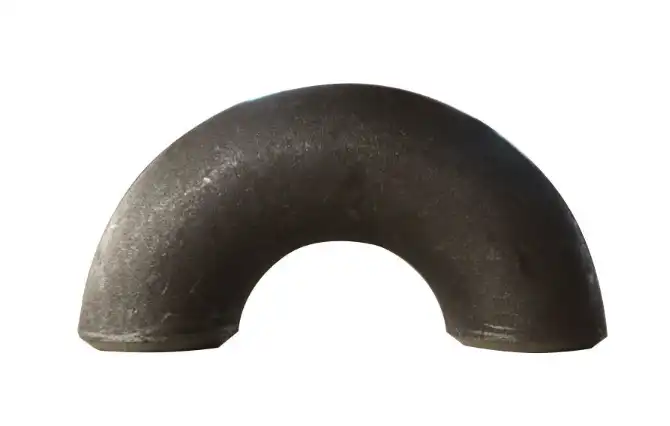
Comparing Corrosion-Resistant Carbon Steel Elbows with Alternative Materials
Material choice has a big impact on how much a project costs and how long it lasts. By knowing how Corrosion-resistant carbon steel elbow performs differently from other options, procurement teams can find the best overall cost savings over the lifetime of the product instead of just focusing on lowering the initial purchase price.
Performance Analysis Across Material Categories
Because they contain chromium, which makes inactive oxide layers, stainless steel elbows are naturally more resistant to corrosion. Grades 304 and 316 work really well in places where acids, chlorides, and high temperatures are very bad for steel. However, the price of stainless steel is three to five times that of treated carbon steel equivalents. This means that many industry projects can't afford to add large amounts of stainless steel. As a middle level of protection, galvanized carbon steel elbows have zinc covering layers that rust more slowly than the base metal to protect it. This method works well when exposed to air and mildly corrosive conditions, but it breaks down quickly when exposed to acidic process fluids or high temperatures above 200°C. Galvanization adds a small cost boost of 20–40% compared to regular carbon steel, but the performance is much better than that of materials that aren't protected. Chromium, molybdenum, and nickel are some of the elements that are added to alloy steel elbows to make them better at certain things. These special materials can handle harsh service conditions that are too much for carbon steel, like cold temperatures, highly erosive slurries, or concentrated chemical exposure. Cost increases can reach 150–300% based on the alloy, so they should only be used when operating needs require them.
Cost-Effectiveness and Lifecycle Value
For most industrial pipe needs, carbon steel that has been properly protected against rust is the best choice. When we look at the total cost of ownership, properly treated carbon steel elbows often do better than premium materials. This is because they have lower starting costs when compared to the amount of care they need and how often they need to be replaced. Protective coatings raise the useful life of carbon steel from the usual 8–12 years when not protected to 20–25 years with good epoxy or fusion-bonded epoxy (FBE) systems. This durability is similar to stainless steel's, but it costs a lot less. This is especially helpful for water conservation and natural gas distribution networks, where single projects include thousands of fittings. Through strict inspection procedures, our quality control processes make sure that the coating sticks well and covers the whole area evenly. From making sure the raw materials are correct to checking the final sizes, we keep track of everything. This allows us to offer long-term performance warranties, which are becoming more and more important to EPC contractors and infrastructure developers.
Criteria for Choosing the Right Corrosion-Resistant Carbon Steel Elbow for Your Pipeline
The strategic selection methodology takes into account both technical needs and business limitations. Professionals in procurement have to look at a lot of different factors at once to find the best fitting standards that meet operating needs without spending too much on extras.
Material Compatibility and Operating Conditions
More than any other factor, fluid chemistry determines which materials are best. Standard carbon steel doesn't need much protection in water systems with a neutral pH, but boiler systems with acidic condensate need better materials or better coating systems. When used in shipbuilding, salt water exposure needs to be protected with galvanization or special epoxy mixtures that stop chloride from causing pitting. Temperature ranges set the limits of a material's grade. ASTM A234 WPB works well from -29°C to 400°C, which is hot enough for most chemical and oil processing needs. Impact-tested low-temperature types like A420 WPL6 are needed for cryogenic natural gas uses below -46°C because they keep their flexibility when normal carbon steel gets hard. Pressure ratings affect the choice of wall thickness and the way the product is made. Schedule 40, 80, and XXS (double extra strong) classes have walls that are increasingly thicker to handle higher internal pressures. Our hot-forming methods keep the wall thickness the same around elbow curves, so there are no problems with thinning that happen when welded fittings are loaded and unloaded repeatedly.
Supplier Evaluation and Certification Verification
Differentiating between OEMs, approved wholesalers, and wholesale sellers has a direct effect on the trustworthiness of the product and the dependability of the supply chain. Original equipment makers (OEMs) like Oudi have full control over the production process, where the raw materials come from, and the quality control systems that make sure every batch of products meets the specifications. This is especially important when sourcing specialized components such as a Corrosion-resistant carbon steel elbow, where material quality and manufacturing consistency directly affect long-term performance. Verification of certification should look at more than one credential. ISO 9001 quality control systems show that a company is dedicated to using regular methods. Regulatory authorities issue special equipment manufacturing licenses to show that people are technically qualified and legally allowed to make pressure-containing parts. Both certifications are held by our building, which is regularly checked to make sure it meets changing foreign standards. The technical capability assessment looks at how advanced the production and inspection equipment is. Advanced ultrasonic testing, radiographic inspection, and spectroscopic material verification are what separate qualified manufacturers from those who just put things together. We have a 66,600-square-meter facility in Cangzhou where we do all kinds of testing to meet the detection needs of demanding applications in the chemical, power generation, and oil and gas industries.
Customization Options for Specialized Applications
About 80% of industrial piping needs can be met by standard catalog items, but more specialized projects need custom solutions. Different sizes outside of standard ranges, non-standard angles between 45 and 90 degrees, and reducing setups that go from different pipe sizes all help with fitting issues that are specific to those situations. Choosing the right protective coating lets you get the best performance in certain environments. Epoxy coatings are great for chemical handling and undebest-fittings because they are resistant to chemicals and stick to surfaces very well. Galvanization works well in building and structural uses where it will be exposed to air. Fusion-bonded epoxy works better in high-temperature situations where regular coats wear off too quickly. Customizing the connection method lets you meet the needs of both the operation and the system. Butt welding makes the strongest joints for high-pressure services and lets you check the work with an X-ray. Socket welding makes installation easier for systems with smaller diameters while still providing enough strength. Threaded connections let you put things together in the field without using welding tools, which is helpful for maintenance access points and short-term installations.
Procurement Insights: Where and How to Source Quality Fittings
Strategic sourcing is more than just comparing prices. It also looks at the reliability of the supply chain, the availability of technical support, and the value of a long-term partnership. Instead of chasing small cost savings that hurt performance, procurement teams that do their jobs well build relationships with manufacturers who consistently deliver high quality across multiple projects.
Identifying Reputable Global Manufacturers
The site of a factory affects both the cost structure and the uniformity of the quality. Our Cangzhou facility, which is near Tianjin Port and has easy access to international shipping routes, has helped over 300 customers in over 40 countries. Because of its location, this business can send goods faster to markets in Europe, North and South America, Africa, Southeast Asia, and the Middle East. It can also keep prices low by using efficient transportation.
Commercial Terms and Cost Optimization Strategies
Minimum order quantities are based on how much it costs to make something and how fast it can be shipped. Because of lower handling costs and better production timing, buying by the container load usually saves you 15 to 25 percent on the price compared to buying in smaller quantities. But having too much inventory ties up working capital and makes storage difficult, so there needs to be a balance between lowering unit costs and the costs of keeping inventory. Managing lead times starts with communicating clearly about the production schedule. Standard product configurations ship two to four weeks after the order is confirmed. Customized specs that need special materials or coatings take six to eight weeks longer. During production, we keep in touch with our customers clearly and give them information on important milestones that help them plan and make sure that other project activities run smoothly. Bulk buying plans should be in line with how the job is scheduled and how much space is available. Splitting up big orders into scheduled deliveries spreads out the impact on cash flow and makes sure that materials are available when they're needed. Our flexible production schedule allows for partial delivery plans that work with building schedules that last more than one year, and we don't require full payment or storage when the order is placed.
After-Sales Support and Technical Assistance
Technical consulting services set makers apart from providers of goods. Our engineering team helps you choose the right material, specify the coating, and install it in a way that gets the best performance in the right operating conditions. This knowledge is especially helpful for customers who are trying out new applications or designing systems that go beyond what standard materials can do. Help with documentation makes it easier to get project approvals and check the quality of the work. We offer test reports on materials, certificates for measuring dimensions, measurements of coating thickness, and compliance paperwork that is needed for project specifications and regulatory submissions. Full traceability from heat numbers to final review makes sure that everyone in the supply chain is responsible. When problems arise, good dispute resolution procedures look out for the interests of the customer. Even with strict quality systems, there are still times when things don't meet standards in manufacturing. We respond quickly to customer concerns by doing things like expedited replacement shipments and root cause analysis. This shows that we care about customer satisfaction beyond just making sales.
Solutions and Protection: Enhancing Corrosion Resistance in Your Projects
Active management of corrosion increases the useful life of fittings, including Corrosion-resistant carbon steel elbow products, and lowers the costs of unplanned repairs that stop activities. Integrated strategies that include choosing the right materials, applying protection coatings, and managing operations ensure the best long-term performance in a wide range of workplace settings.
Prevention Techniques and Environmental Controls
The definition of a material sets the stage for corrosion protection. When used with high-temperature steam, switching from normal carbon steel to ASTM A234 WPB with more silicon makes it more resistant to rust. In cryogenic applications where normal materials lose their flexibility, specifying impact-tested low-temperature grades stops brittle fracture. Taking care of the environment lowers the strength of corrosive attacks. Controlling the amount of wetness that gets into the storage and installation steps stops corrosion from starting before the protective coatings have had a chance to fully dry. Keeping the right fluid chemistry by checking the pH and adding inhibitors in closed-loop systems lowers the rate of rust that happens while the system is in use. Long-term longevity is affected by installation methods just as much as it is by material qualities. Getting rid of mill scale, rust, and other contaminants from the surface properly before applying a coating ensures adhesion that keeps the coating from failing too soon. Careful handling during transport and installation keeps the coating from getting damaged, which would otherwise create places where corrosion can start in use.
Advanced Protective Coating Systems
When used in a variety of service conditions, epoxy coating systems offer flexible protection. Two-part epoxy mixtures harden through a chemical reaction, creating tough walls that keep corrosive substances away from steel surfaces. A typical coating layer of 300 to 500 microns protects well in areas like chemical processing, water treatment, and underground pipelines where atmospheric coatings don't work well enough. Hot-dip galvanization makes zinc layers that are mechanically bonded and protect through barrier action and sacrificial corrosion. The zinc coating rusts more slowly than steel, so the base metal lasts longer even if some parts of the covering become visible. This safety feature works well in situations like air exposure and dirt burial that are common in building and infrastructure projects. Fusion-bonded epoxy (FBE) is the best way to protect things in tough situations. FBE is a dry powder that melts and fuses on steel surfaces that have already been heated. It makes even coatings that stick well and don't react with chemicals. This technology works well in places with high temperatures, cathodic protection systems, and a lot of chemical exposure, where regular liquid coatings break down quickly. When these safety measures are combined with good manufacturing, the end result is solid performance. Our processes for applying coatings keep environments under control so that the right conditions are met for curing and that the coating covers all elbow shapes and sizes evenly. This gives consistent protection that is confirmed by lab tests before shipping.
Real-World Application Examples
Our ASTM A234 WPB elbows with FBE coating were recently used by a Southeast Asian petrochemical complex to replace old pipes. The 600-fitting installation replaced parts that had broken down because they were corroded after 12 years of use. Our improved corrosion protection method promises a service life of 25 years or more, which means it will cost 40% less over its lifetime than fittings that aren't secured. Africa's water conservation projects have to deal with tough situations like high temperatures, changing water chemistry, and limited access for upkeep. By choosing galvanized Corrosion-resistant carbon steel elbows with an extra layer of epoxy covering, you get two layers of protection against corrosion from the air during building and from treated water that still has chlorine in it during use. After three years of use, inspection records show that there have been no problems with prevention in the delivery network. A North American natural gas transmission operator switched to our coated carbon steel fittings because other brands were breaking down too soon. Coatings' adhesion, impact resistance, and cathodic disbondment qualities were tested thoroughly and found to be better than what was required for the job. After successful performance in more than 200 installations, they chose Oudi as their preferred supplier for ongoing projects to expand their network.
Conclusion
Corrosion-resistant carbon steel elbows must be chosen by striking a balance between technical performance and practical considerations. When protective coatings are applied correctly to ASTM A234 WPB material, it provides the best value for most industrial applications, lasting decades of reliable service at a much lower cost than premium alloy alternatives. Knowing the specifics of your operating environment, such as the chemistry of the fluid, the temperature range, and the pressure conditions, helps you make accurate specifications that keep you from failing too soon because of not enough protection or spending too much on specifications that waste project budgets. Working with well-known manufacturers who have strong quality control systems, advanced production tools, and a history of exporting makes the supply chain reliable during the planning, execution, and running phases of a project.
FAQ
How do I verify corrosion resistance before purchasing?
Ask for test reports on the material that confirm its chemical make-up meets standards like ASTM A234. The coating's instructions should include how to apply it, how thick it is, and the results of a binding test. Suppliers you can trust will give you proof from independent labs that both the qualities of the base material and the performance characteristics of the protective coating can be used to predict how long the product will last in the setting you want it to be used in.
What lifespan should I expect from treated carbon steel elbows?
Fittings that are properly chosen, installed, and protected with good coatings should last 20 to 25 years in moderately corrosive environments. Under the same conditions, unprotected carbon steel breaks down in 8 to 12 years. Temperature extremes, changes in fluid chemistry, and maintenance methods all have a big effect on how long something lasts in the real world, beyond what can be predicted in the lab.
Can specifications be customized for unique industrial environments?
Of course. We often make changes to standard goods to meet unique needs, such as non-standard sizes, better finishing systems, and stronger materials for tough service conditions. The engineers at our company work with customers to come up with solutions that meet their performance needs and their budgets while also meeting all safety and industry standards.
Partner with Oudi for Your Corrosion-Resistant Carbon Steel Elbow Needs
With Corrosion-resistant carbon steel elbows that meet the strictest standards, Oudi brings 26 years of manufacturing excellence to your industrial pipe projects. As a licensed producer with ISO 9001 quality management systems and special equipment manufacturing licenses, we are in charge of every step of the production process, from checking the raw materials to doing the final review. This way, we can be sure that the quality of our 16,000-ton annual output is always the same. Our wide range of products includes those that meet ASTM, JIS, DIN, and BS standards. They come in 45-degree, 90-degree, long radius, and short radius shapes, and can be connected in a number of ways, including butt welding, socket welding, and threading. We are only 120 kilometers from Tianjin Port and have established logistics networks that serve more than 40 countries. Our prices are competitive without sacrificing quality or dependability. Our advanced production tools and skilled technical staff allow EPC contractors, international distributors, and end users to make the changes that they need for use in oil and gas, chemicals, natural gas, water conservation, and power generation. Get in touch with our team at oudi-04@oudiguandao.com to talk about your project needs with a reliable Corrosion-resistant carbon steel elbow seller who wants you to succeed.
References
1. Anderson, P. R. (2021). "Corrosion Prevention Strategies in Industrial Piping Systems." Journal of Materials Engineering and Performance, 30(8), 5847-5863.
2. Chen, W., & Martinez, J. (2020). "Comparative Analysis of Protective Coatings for Carbon Steel Pipeline Components." International Journal of Pressure Vessels and Piping, 187, 104-118.
3. Johnson, R. K. (2022). "ASTM Standards for Carbon Steel Pipe Fittings: Selection and Application Guidelines." American Society for Testing and Materials Technical Publication.
4. Liu, Y., Thompson, G., & Davies, H. (2019). "Long-Term Performance of Corrosion-Resistant Carbon Steel in Process Industries." Corrosion Science, 156, 234-247.
5. Reynolds, M. T. (2023). "Material Selection Criteria for Piping Systems in Aggressive Environments." Chemical Engineering Progress, 119(3), 45-52.
6. Williams, S. D., & Brown, K. L. (2020). "Hot Forming Processes and Their Impact on Carbon Steel Elbow Properties." Metallurgical Transactions A, 51(6), 2789-2803.

Need help finding the right solution with our experts. Please contact us.

SINCE 1998 Your Reliable Pipeline Manufacturer



