Top 10 High-temperature carbon steel elbow Factories to Trust
Buyers looking for reputable high-temperature carbon steel elbow suppliers should look for manufacturers that combine modern production capabilities with recognized quality processes. Some of the manufacturers are among the best factories for the worldwide industrial markets. These manufacturers are known for their specific competence in heat-resistant pipe fittings for rigorous operating situations. High-Temperature Carbon Steel Elbows: These elbows are thoroughly tested and certified to international standards, and performance integrity is guaranteed for demanding applications in petrochemical, power generating, and heavy industrial applications. Choosing from reputable factories with established export experience and complete certificate packages reduces procurement risks and guarantees long-term system stability.
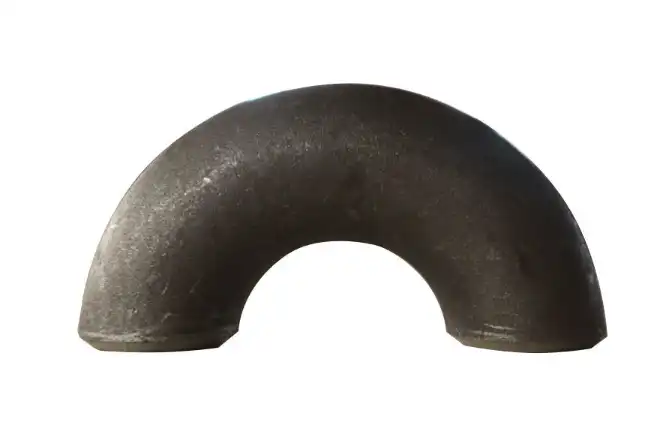
Understanding High-Temperature Carbon Steel Elbows: Key Properties and Specifications
Defining Heat-Resistant Piping Components
High-temperature carbon steel elbows are one of the types of specialist pipe fittings, which are made of carbon steel grades designed to maintain mechanical qualities while subjected to continuous heat. These components divert fluid flows in piping systems and withstand temperatures often beyond 400°C (752°F) in typical applications, and above 540°C (1004°F) in unusual installations. The composition of the material is generally controlled carbon content balanced with manganese, silicon, and trace elements to promote thermal stability and creep resistance.
Critical Performance Characteristics
Temperature tolerance is still the key characteristic of these fittings. ASTM A234 WPB carbon steel grades perform reliably in moderate heat conditions, and alloy-enhanced grades such as ASTM A234 WP11 and WP22 expand operating capabilities to higher temperatures. When things heat up, they expand. When things cool down, they contract. Engineers need to take this into mind when designing installations. Corrosion resistance is dependent on the environmental circumstances. At high temperatures, oxidation rates increase, and hence materials must be chosen according to the application.
Standards and Certifications Ensuring Quality
International requirements control tolerances for production, chemical composition, and mechanical qualities of High-temperature carbon steel elbows. ASTM standards dominate the North American industry, whereas DIN, JIS and BS specifications dominate the European and Asian markets. ISO 9001 accreditation confirms a manufacturer’s dedication to quality management systems, and specialist licenses for pressure equipment manufacturing prove technical expertise. The certifications give procurement teams objective criteria for evaluating suppliers, helping to ensure items fulfill safety regulations and performance objectives for a wide range of industrial applications.
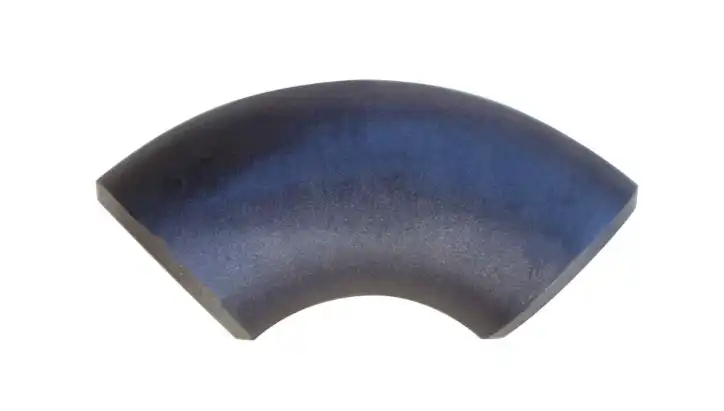
Top 10 Trusted High-Temperature Carbon Steel Elbow Factories: Profiles & Strengths
It takes a little more than just looking at the product line to find manufacturers of quality heat-resistant fittings. The following factories have been recognized for their consistent quality performance, technical innovation, and thorough customer service.
Cangzhou Oudi Pipe Manufacture Co., Ltd.
Oudi is a leading supplier founded in 1998 in Mengcun – a specialist fitting production area in China. The 66,600m2 facility features innovative production equipment capable of hot forming procedures, including hot pressing and thermal bending techniques, to produce seamless and welded forms. Oudi has a full line of products that meet American, Japanese, German, and British requirements with an annual production capacity of 16,000 tons.
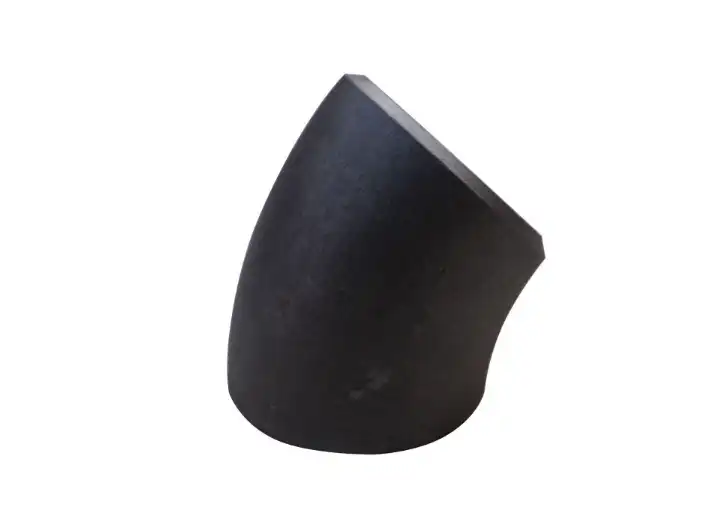
The factory is ISO 9001:2000 certified and has the special equipment production license of the People’s Republic of China, which demonstrates its adherence to strict quality standards. Oudi’s quality control system has extensive inspection procedures from receiving the raw materials to the finished goods and is supported by advanced nondestructive testing equipment. We have more than 300 customers in over 40 countries with distribution networks across Europe, North and South America, Africa, Southeast Asia and the Middle East. The product line comprises carbon steel, stainless steel and alloy steel options in a variety of angle combinations such as 45-degree and 90-degree bends, in both short radius and long radius specifications.
Specialized Heat-Resistant Fitting Manufacturers
Some factories are exclusively dedicated to high-temperature applications and have proprietary alloy compositions and unique heat treatment techniques. These manufacturers often give customization options to fulfill specific thermal expansion needs, quick turnaround times for time-sensitive project requirements, and technical support staff to help with installation requirements. This knowledge becomes important in power generation plants, petrochemical plants, and industrial boiler systems where operating temperatures routinely reach the limits of material capabilities.
Export-Focused Production Facilities
Especially strong are the documentation management, the coordination of export logistics, and the compliance with certain standards of manufacturers dedicated to international markets. These factories are certified under various jurisdictional frameworks, which guarantee the smooth acceptance of their products in a wide range of regulatory contexts. High-volume production generates economies of scale, which result in competitive pricing structures, and the buyer’s investment is protected by comprehensive warranty plans. They work with tried and trusted shipping partners, who can deliver worldwide. Products are packed so they arrive in perfect condition, and customs clearance is straightforward.
Regional Specialty Producers
Some manufacturers have built a reputation in certain geographic markets or industry sectors for High-temperature carbon steel elbow. Often these businesses have close ties with engineering companies and EPC contractors, allowing them to jointly develop products that may handle new technical issues. They are responsive to technical changes, happy to work with non-standard specs; thus, they are a good partner for complex infrastructure projects where you need to personalize the solution.
The variety among prominent factories enables procurement specialists to align supplier capabilities with individual project goals, considering elements like the level of customization, the need for speedy delivery, certification requirements, and budget limits. Developing relationships with several competent suppliers enhances supply chain resilience and supports competitive bidding processes that optimize value realization.
Comparing High-Temperature Carbon Steel Elbows: Making the Right Choice
Material Selection Considerations
Carbon steel, stainless steel, and alloy steel each have their own advantages for use in high-temperature conditions. Carbon steel elbows offer a cost-effective solution, providing sufficient performance for moderate heat applications, generally running reliably up to 450°C depending on grade selection and operating pressure. The alternatives in the stainless steel family have better corrosion resistance and greater temperature capabilities, and the higher initial cost is justifiable in chemically hostile situations. Different types of alloy steel add chromium, molybdenum, or vanadium, which improve resistance to creep and help the steel retain tensile strength at very high temperatures, above 550 °C.
Performance Under Thermal Stress
Mechanical stresses are generated by temperature cycling due to repetitive expansion and contraction, which can cause the formation of fatigue cracks at stress concentration locations. Hot forming procedures for seamless elbows eliminate the longitudinal weld seams that are possible failure areas and distribute thermal stress more evenly across the component shape. The internal surface profile of seamless fittings is also smooth, therefore reducing turbulence and pressure drop, enhancing flow characteristics and reducing erosion in high velocity applications.
Lifecycle Cost Analysis
The upfront purchase price you pay is simply one piece of the entire cost of ownership. Long-term economics are strongly affected by maintenance requirements, estimated service life, and replacement frequency. Good manufacturers of heat-resistant carbon steel elbows usually provide 15-25 years of dependable performance in well-designed systems compared to 8-12 years for poorer grade alternatives. Less downtime costs, longer maintenance intervals. Longer time between system overhauls and reduced failure rates. This frequently justifies the higher price for certified items from reputable companies.
Procurement Insights: How to Buy High-Temperature Carbon Steel Elbows with Confidence
Sourcing Channels and Verification
Direct factory sourcing eliminates intermediary markups while establishing communication channels with technical personnel capable of addressing specification questions. Verified B2B platforms provide additional assurance through supplier authentication processes and transaction protection mechanisms. Procurement teams should request copies of quality management certifications, special equipment manufacturing licenses, and material test reports documenting chemical composition and mechanical properties for specific production lots.
Understanding Cost Drivers
Material grade selection significantly influences pricing for High-temperature carbon steel elbows, with alloy-enhanced steels commanding premiums over standard carbon steel compositions. Customization requirements, including non-standard dimensions, special welding preparations, or unique packaging specifications, add incremental costs. Certification documentation fees for material traceability and third-party inspection services represent additional line items. Volume commitments often unlock preferential pricing, while rush delivery schedules may incur expediting charges. Comparing itemized quotations from multiple suppliers reveals pricing structure differences and identifies potential hidden costs.
Customization and Technical Support
Leading manufacturers accommodate specific installation requirements through customized welding end preparations, special radius configurations, and application-specific heat treatment processes. Packaging options range from standard wooden cases to specialized crating for sensitive applications requiring contamination prevention. Technical support capabilities, including engineering consultation, installation guidance, and post-delivery troubleshooting assistance, add value beyond the physical product, particularly for complex projects involving unusual operating conditions or stringent performance specifications.
Why Choosing a Reputable Factory Matters: Benefits Beyond the Product
Supply Chain Reliability
The established manufacturers have large production capacities, which means they can guarantee constant availability, important for project schedules and maintenance inventory planning. Good quality control systems in factories provide predictable product performance with fewer field failures that interrupt production and require costly emergency repairs. Long-term supplier relationships also allow for strategic inventory management. Manufacturers generally accommodate just-in-time delivery schedules, reducing working capital requirements while maintaining the availability of components.
Durability in Demanding Environments
Heat-resistant elbows from accredited factories have a significant performance advantage over commodity elbows when the performance data is based on real-world use in refineries, chemical plants, and power stations. Reputable manufacturers have had installations working constantly at 480°C running for 20 years with no visible degradation, compared to premature breakdowns in 5-7 years with lesser products. This longevity is achieved through controlled production procedures, validated material chemistry, and rigorous quality testing that ensures inferior components don’t ship.
After-Sales Support and Warranties
Good manufacturers will back their products with good warranty coverage and fast technical assistance. Having qualified engineering experts available is a great resource for problem resolution when installation questions occur, or operating conditions become unforeseen. Warranty schemes for material defects and manufacturing faults provide financial protection, and a manufacturer’s willingness to investigate field issues displays a commitment to customer satisfaction and continual development.
Conclusion
The selection of high-temperature carbon steel elbow suppliers needs to be made after a thorough study of their manufacturing strengths, quality certifications, technical know-how and customer service setup. The factories in this directory are established producers with proven track records of servicing worldwide industrial markets. Their investment in state-of-the-art production equipment, dedication to quality assurance and compliance with international standards make them reliable partners for demanding applications.
Getting procurement right means aligning supplier capabilities to specific project needs and running competitive bidding processes that drive best value. Partnerships with reputed manufacturers are forged to provide strategic benefits; consistent product quality, reliable delivery performance and quick technical support all serve to lower total cost of ownership and improve operational reliability.
FAQ
1. What maximum temperature can carbon steel elbows withstand?
Standard carbon steel grades like ASTM A234 WPB reliably operate up to 400°C (752°F), while alloy-enhanced variants such as WP11 and WP22 extend service capabilities to 540°C (1004°F) and beyond. Actual temperature limits depend on operating pressure, environmental conditions, and expected service life. Consulting with manufacturers regarding specific application parameters ensures appropriate material selection.
2. How can I verify factory compliance with international standards?
Request copies of ISO 9001 certificates, special equipment manufacturing licenses, and product certifications documenting conformance to ASTM, DIN, JIS, or BS specifications. Third-party audits and material test reports provide additional verification. Established factories readily provide documentation and accommodate customer facility inspections when requested.
3. Do manufacturers offer customization for specialized applications?
Reputable factories accommodate non-standard dimensions, special welding preparations, unique radius configurations, and application-specific heat treatments. Customization capabilities vary by manufacturer, with some specializing in tailored solutions while others focus on standard product ranges. Discussing specific requirements early in the procurement process clarifies feasibility and pricing implications.
Partner with Oudi for Premium Heat-Resistant Piping Solutions
Oudi's quarter-century of manufacturing excellence positions us as your trusted high-temperature carbon steel elbow supplier for mission-critical industrial applications. Our ISO 9001-certified facility produces comprehensive fitting ranges conforming to ANSI, DIN, JIS, and BS standards, backed by special equipment manufacturing licenses and rigorous quality control protocols. With 16,000-ton annual capacity and proven export experience serving 300+ customers across 40+ countries, we deliver the reliability your projects demand.
Contact our technical team at oudi-04@oudiguandao.com to discuss your specific requirements and receive factory-direct quotations. We offer competitive bulk pricing, customized fabrication services, and expedited delivery schedules that align with your project timelines. Our engineering support staff provides installation guidance and material selection consultation, ensuring optimal performance in your unique operating environment. Experience the Oudi advantage—where certified quality, responsive service, and competitive pricing converge to support your industrial success.
References
1. American Society for Testing and Materials. (2021). ASTM A234 Standard Specification for Piping Fittings of Wrought Carbon Steel and Alloy Steel for Moderate and High Temperature Service. ASTM International, West Conshohocken, PA.
2. British Standards Institution. (2019). BS 1640: Specification for Steel Butt-Welding Pipe Fittings for the Petroleum Industry. BSI Standards Publication, London, UK.
3. Deutsches Institut für Normung. (2020). DIN 2605 Standard for Steel Butt-Welding Pipe Fittings: Part 1 and Part 2. DIN Standards Committee, Berlin, Germany.
4. International Organization for Standardization. (2018). ISO 9001:2015 Quality Management Systems—Requirements. ISO Central Secretariat, Geneva, Switzerland.
5. Japanese Industrial Standards Committee. (2022). JIS B2311: Steel Butt-Welding Pipe Fittings. Japanese Standards Association, Tokyo, Japan.
6. Process Industry Practices. (2020). Material Selection Guidelines for High-Temperature Piping Systems in Petrochemical Applications. PIP Consortium Technical Report, Austin, TX.

Need help finding the right solution with our experts. Please contact us.

SINCE 1998 Your Reliable Pipeline Manufacturer



