Top Concentric Reducer Carbon Steel Suppliers in China for UAE EPCs
Concentric Reducer is one of the must-have components when UAE Engineering, Procurement and Construction (EPC) contractors look for durable carbon steel pipe fittings. There are many suppliers of China Concentric Reducer Carbon Steel worldwide. To choose the best China Concentric Reducer Carbon Steel supplier, you need to assess their certifications, production skills, and export history. With decades of experience on EPC projects in the Middle East, we know success depends on working with manufacturers that understand the exacting demands of oil, gas, petrochemical, and water treatment infrastructure. In this tutorial, we’ll take you through the key aspects that distinguish great suppliers from average ones.
Understanding Concentric Reducer Carbon Steel and Its Importance in UAE EPC Projects
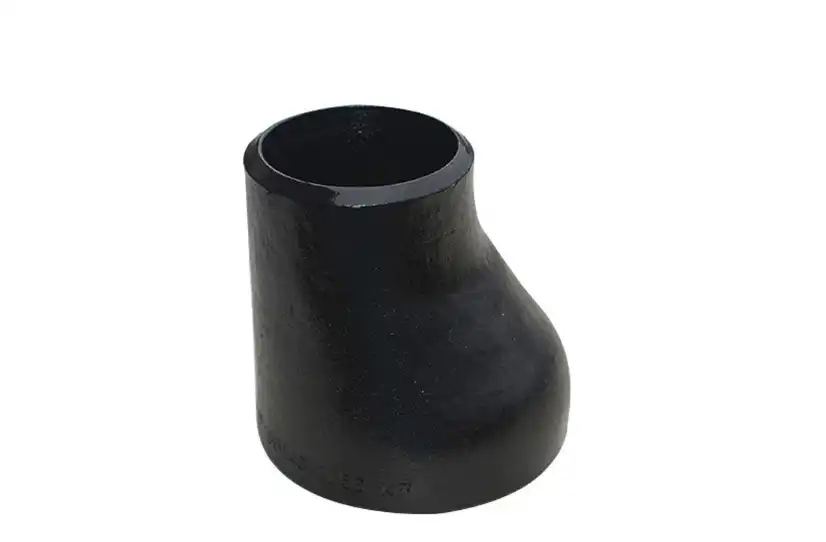
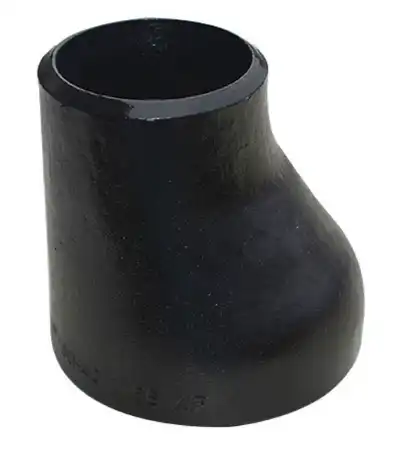
A concentric reducer is a necessary butt-weld pipe fitting used to join two pipes of different sizes with the same centerline. This component is cone-shaped, unlike its eccentric cousin, and both ends are aligned along the same axis, providing a symmetrical transition that allows fluid to flow easily from larger to smaller bore diameters.
Core Functionality in Industrial Pipeline Systems
These reducers are designed to solve certain operating problems seen in vertical pipe arrangements. They reduce turbulence and friction losses due to sudden diameter changes by providing a homogeneous decrease across the circle. This symmetrical transition is an important means for controlling velocity variations and pressure stabilisation in high-stress pipeline systems, which are prevalent in the industrial landscape of the UAE.
Material Grades and Industry Specifications
Carbon steel reducers are made to ASTM A234 WPB/WPC standards, providing the strength and durability for UAE EPC projects. These criteria guarantee the fittings can handle the harsh working conditions of oil refineries, chemical processing plants, and natural gas facilities. Its natural features, such as outstanding weldability, mechanical strength, and economy, make it the material of choice for contractors who are required to watch the budget but not compromise quality.
Applications Across UAE's Key Industrial Sectors
UAE EPC contractors utilize carbon steel concentric reducers extensively in:
- Oil & Gas Infrastructure: Vertical pump discharge lines where centerline alignment prevents structural stress and vibration issues
- Petrochemical Plants: Process piping systems requiring smooth flow transitions to protect equipment integrity
- Water Treatment Facilities: Distribution networks where consistent pressure management ensures operational efficiency
- Power Generation: Steam and condensate lines where thermal expansion demands reliable, leak-free connections
The choice of carbon steel over alternatives becomes clear when evaluating the harsh environmental conditions these fittings must endure. Unlike stainless steel, which commands premium pricing, or plastic alternatives lacking temperature tolerance, carbon steel reducers strike the optimal balance between performance and practicality for most industrial applications.
Top Certified and Trusted Chinese Suppliers for Carbon Steel Concentric Reducers
Identifying reputable manufacturers in China's vast industrial landscape requires understanding the benchmarks that distinguish quality suppliers. UAE EPC contractors benefit significantly when they partner with manufacturers who demonstrate verifiable credentials and consistent output capabilities.
Essential Evaluation Criteria for Supplier Selection
Quality certificates are the basis of supplier credibility. ISO 9001:2000 accreditation means that a firm has strict quality control procedures in place at all stages of production. Chinese regulatory bodies give special equipment production permits as confirmation of legal conformity and technical competence. More than paperwork, what matters are the manufacturing capabilities—annual throughput, ownership of innovative equipment, and inspection infrastructure—that differentiate market leaders from lesser operators.
Oudi: A Premier Manufacturer Since 1998
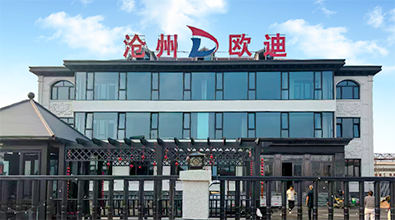
Cangzhou Oudi Pipe Manufacture Co., Ltd has been a top supplier for UAE EPC contractors seeking reliable carbonConcentric Reducer Carbon Steel concentric reducers. Our factory is located in the industrial zone of Mengcun Hui Autonomous County, which is famous for being the “pipe fitting capital” of China. The factory covers a total area of 66,600 square meters to produce American, Japanese, German, and British standard fittings.
Our manufacturing credentials speak directly to procurement EPC needs. Besides the People’s Republic of China Special Equipment Manufacturing License, we are ISO 9001:2000 certified, which shows that our quality processes meet international standards. We produce 16,000 tonnes per year, so we can meet the demands of huge projects without stretching lead times.
What makes our operation different is the integrated approach to quality control. We do complete inspections and non-destructive testing at every level, from raw material verification through to final product inspection. Our facility has modern detection technology capable of satisfying even the most exacting user needs and is an important consideration when EPC contractors seek evidence for regulatory compliance.
Our position offers a geographical advantage that improves service delivery. We have logistical infrastructure 120 km away from Tianjin Airport with direct access to Tianjin Port and the Beijing-Shanghai Highway to help export operations efficiently. We have over 300 clients in 40 countries, including the key markets in the Middle East, and know the standards UAE contractors need for paperwork, packaging, and shipping.
We provide comprehensive categories of fittings such as bends, flanges, tees, and reducers in carbon steel, stainless steel, and alloy steel. This complete inventory helps EPC contractors to streamline their supplier base, making procurement easier and assuring compatibility across pipeline components.
Key Verification Methods for Supplier Credibility
UAE EPC contractors must do certain validation activities before contracting suppliers:
- First and foremost, the verification of certifications. Request actual ISO certifications and production licenses and verify their validity with the granting authorities. If you want to measure manufacturing capacity, you need to ask specific questions regarding production volumes, lead times during peak season, and how orders are prioritised.
- A further detailed review of material testing capabilities is needed. The Supplier should provide the capability to perform spectrographic analysis, mechanical testing, and ultrasonic inspection. Ask for test certifications from recent batches that fit your specs to check out real performance and not marketing promises.
- Where possible, factory audits give unique knowledge. Acceptable alternatives include virtual tours, providing live views of factory floors, equipment conditions, and quality control methods. During these inspections, check personnel training levels and maintenance practices, which are markers of long-term dependability.
- References from past clients in the UAE projects provide practical views. Established suppliers are happy to put prospective customers in touch with previous customers who are eager to talk about delivery dependability, product uniformity, and after-sales response.
Technical Specifications and Selection Guide for Carbon Steel Concentric Reducers
Selecting appropriate concentric reducers requires understanding the technical parameters governing performance and compatibility. UAE EPC engineers face critical decisions that impact pipeline integrity, operational efficiency, and long-term maintenance costs.
Standard Dimensions and Size Chart Interpretation
ASME B16.9 face-to-face dimensions are standardised according to the larger pipe diameter (major OD) to allow interchangeability between manufacturers. This standardisation makes it easier to buy since reducers of various manufacturers have the same length for the same size combinations. When defining reducers, engineers must define the nominal inlet (bigger) and exit (smaller) pipe diameters and their schedules.
Material Grades and Pressure Classifications
ASTM A234 WPB is the most common material standard for carbon steel reducers in UAE applications. This grade has a yield strength of around 240 MPa and is appropriate for moderate pressure applications up to about 2,500 psi, depending on temperature. WPC grade gives better characteristics for greater pressure ratings.
The wall thickness is a vital element for pressure containment and is determined by the schedule designation. Common schedules include STD (Standard), XS (Extra Strong), and XXS (Double Extra Strong). When connecting pipes of various pressure ratings, reducers may have distinct schedules at either end, although a uniform schedule is the normal practice.
Operational Temperature Considerations
Under typical situations, carbon steel reducers are reliable in the temperature range of -29°C to 400°C. Fittings that have been cold or hot produced need heat treatment. ASTM A234 specifies a stress-relief or normalising treatment over 1100°F to restore the microstructure and ductility lost during the forming procedures.
Installation Best Practices for Leak-Free Connections
Bevel Preparation is the first step to proper installation. For wall thicknesses < 22 mm, use a bevel angle of 37.5° ±2.5°. Compound bevels may be required for deep penetration welding on thicker walls. Cleanliness is key – clean mill scale, rust, and pollutants from the reducer and mating pipe surfaces before assembly.
Verification of alignment eliminates expensive reworking. In vertical installations, where the best choice is the Concentric Reducer Carbon Steel, check centerline alignment using levels and alignment tools prior to tack welding. Select the suitable electrode and welding settings according to the appropriate welding procedure standard (WPS). The joint integrity is verified by post-weld inspection by visual examination, dye penetrant, or radiographic testing.
Comparing Carbon Steel Concentric Reducers with Alternatives: Making an Informed Decision
Material selection significantly impacts project economics, maintenance requirements, and operational longevity. UAE EPC contractors benefit from understanding how carbon steel compares with alternative materials and configurations.
Carbon Steel versus Stainless Steel Reducers
Cost differential represents the most immediate distinction. Carbon steel reducers typically cost 40-60% less than stainless steel equivalents, creating substantial savings on large projects requiring hundreds of fittings. However, corrosion resistance tells a different story. Stainless steel excels in environments with high chloride content, acidic conditions, or where contamination prevention matters critically—such as pharmaceutical or food processing applications.
For typical UAE industrial environments involving hydrocarbons, process chemicals, and water, carbon steel with appropriate corrosion allowance and protective coatings delivers satisfactory service life at superior value. The decision shifts toward stainless when operating fluids contain corrosive elements that would rapidly degrade carbon steel, or when maintenance access limitations make longevity paramount.
Concentric versus Eccentric Reducer Applications
Understanding when to specify concentric rather than eccentric reducers prevents operational problems. Concentric reducers maintain centerline alignment, making them ideal for vertical piping where gravity-driven drainage isn't a concern. Their symmetrical design supports structural loads uniformly, simplifying pipe support calculations.
Eccentric reducers feature offset centerlines with one side flat (either top or bottom). Horizontal pump suction lines demand eccentric reducers with the flat side positioned upward to prevent air pocket formation—a leading cause of cavitation and impeller damage. Similarly, horizontal drainage applications use eccentric reducers with flat sides down to prevent liquid accumulation.
The distinction matters significantly: installing a concentric reducer on a horizontal pump suction line creates an air trap that leads to pump cavitation and premature failure. This technical detail alone justifies careful specification review during engineering phases.
Procurement Insights: How UAE EPCs Can Efficiently Source Carbon Steel Concentric Reducers from China
Strategic procurement techniques affect project timetables, costs, and quality results substantially. Knowledge of Chinese sourcing dynamics may provide UAE EPC contractors a competitive edge in terms of cost savings and supply chain stability.
Sourcing Channel Options and Their Trade-offs
The best prices and quality control come from direct involvement with the manufacturer. EPC contractors save 15-25% vs. distributor channels by cutting out middleman markups. Direct partnerships also allow for customisation, factory checks,s and better communication on requirements and delivery timetables.
Online B2B marketplaces make it simple to identify and compare suppliers. Platforms enable procurement teams to send RFQs to several suppliers at the same time, bringing together a large number of manufacturers. But they are routes that provide verification issues, since supplier assertions need to be verified by independent parties. Transaction costs and platform charges might eat up any apparent price benefits.
Distributor networks help initiatives that need modest quantities, immediate delivery, or local technical assistance. Stock is kept by UAE-based distributors of Chinese fittings to make sure they are readily available, but they are sold at premium prices to cover their storage and servicing expenses. This route makes sense for MRO purchases, not the big EPC project quantities.
Pricing Influencers and Cost Optimization
Reduced price is 50-60% of the raw material cost; hence, it is volatile and connected to global steel markets. Procurement timing relative to market cycles might lead to cost differentials of 10-20%. Customisation needs, such as particular sizes, materials, or testing beyond conventional standards, raise unit costs due to tooling expenditures and manufacturing line modifications.
The larger the order, the more you may distribute the cost among several units. The manufacturers give increasing reductions as the quantities rise, with large breaks at 10, 50, and 100 tonnes. Higher volume commitments throughout project stages might lead to tangible savings via consolidated needs.
Lead Time Expectations and MOQ Management
Standard carbon steel concentric reducers in popular sizes normally need 30 to 45 days from order confirmation to departure from the dock. For custom specs, lead times increase to 60-75 days for preparation of tooling and arranging production. MOQ selections are also influenced by container optimisation. A 20-foot container can carry around 20-25 tonnes, and a 40-foot container can carry 25-27 tonnes of pipe fittings.
Good procurement is aligned with project deadlines so you don’t pay expediting premiums, but you also don’t pay inventory carrying expenses. Deliveries timed to building milestones maximise working capital and site storage needs.
Logistics and Import Considerations
The transit time from Chinese ports to UAE ports is usually 18 to 25 days via sea. The documents required include commercial invoices, packing lists, certificates of origin, material test results, and dimension inspection reports. Pressure equipment must be labelled and certified in accordance with UAE customs rules. Suppliers with prior experience exporting to the Middle East will be given preference.
Part of freight optimisation includes tactics such as container consolidation and the choice of carriers based on dependability, not just cost. Insurance coverage will protect you against damage in transit, but careful packing, such as using hardwood boxes with moisture barriers for carbon steel items, will minimise most damage in transit.
Conclusion
Concentric Reducer Carbon Steel concentric reducers from China may provide UAE EPC contractors with major benefits in terms of cost, quality, and supply dependability. The crucial factor is to work with qualified manufacturers with credentials that can be checked, with production capacity that is sufficient, and with expertise in export. The technical parameters must be exactly as per the pipeline standards in terms of material grades, pressure ratings, and installation conditions. With a grasp of the differences between concentric and eccentric configurations, the ability to compare material choices in an objective manner, and the implementation of rigorous supplier verification, procurement teams may make educated selections that increase project results. “China’s manufacturing capabilities combined with the UAE’s industrial growth provide opportunities for win-win partnerships based on quality, reliability, and professionalism.
FAQ
1. What material grade should I specify for high-pressure pipeline applications in UAE petrochemical projects?
ASTM A234 WPB serves most applications up to 2,500 psi at moderate temperatures. Higher pressure systems benefit from WPB with increased schedule (wall thickness) or upgrading to WPC grade. Verify pressure-temperature ratings against ASME B31.3 or applicable project codes. Reducers must match or exceed the pressure class of connected piping.
2. How can I verify product quality when sourcing from Chinese suppliers?
Request certified material test reports (CMTRs) documenting chemical composition and mechanical properties for each production batch. Specify third-party inspection by agencies like SGS or Bureau Veritas before shipment. Review mill test certificates, dimensional inspection reports, and nondestructive testing documentation. Established manufacturers maintain quality management systems validated through ISO certification and willingly accommodate verification requests.
3. Can suppliers provide custom reducer sizes for unique pipeline configurations?
Reputable manufacturers offer customization within technical feasibility limits. Non-standard size combinations, special materials, and enhanced testing protocols accommodate unique project requirements. Custom orders require detailed specifications, typically involve tooling costs, and extend lead times by 15-30 days. Minimum order quantities for custom reducers generally start at 5-10 tons, depending on size and complexity.
Partner with Oudi for Reliable Concentric Reducer Carbon Steel Supply
Oudi stands ready to support your UAE EPC projects with high-quality carbon steel concentric reducers manufactured to international standards. Our ISO-certified facility, 16,000-ton annual capacity, and comprehensive quality control systems ensure you receive consistent, reliable products that meet demanding specifications. We understand the critical role pipe fittings play in project timelines and operational success. Our experienced export team provides complete documentation, flexible MOQ options, and technical support throughout the procurement process. Request a customized quote today by contacting our team at oudi-04@oudiguandao.com, and discover how partnering with an established Concentric Reducer Carbon Steel supplier enhances your project efficiency and reduces procurement risks.
References
1. American Society of Mechanical Engineers. (2020). ASME B16.9: Factory-Made Wrought Buttwelding Fittings. New York: ASME Press.
2. ASTM International. (2021). ASTM A234/A234M: Standard Specification for Piping Fittings of Wrought Carbon Steel and Alloy Steel for Moderate and High Temperature Service. West Conshohocken: ASTM International.
3. Nayyar, M.L. (2019). Piping Handbook (8th ed.). New York: McGraw-Hill Education.
4. Peters, M.S., Timmerhaus, K.D., & West, R.E. (2018). Plant Design and Economics for Chemical Engineers (6th ed.). New York: McGraw-Hill Education.
5. Singh, R. (2017). Pipeline Integrity Handbook: Risk Management and Evaluation. Houston: Gulf Professional Publishing.
6. Wang, J. & Chen, H. (2022). "Quality Assessment Framework for Chinese Pipe Fitting Manufacturers Serving International EPC Markets." International Journal of Industrial Engineering and Management, 13(2), 87-102.

Need help finding the right solution with our experts. Please contact us.
SINCE 1998 Your Reliable Pipeline Manufacturer