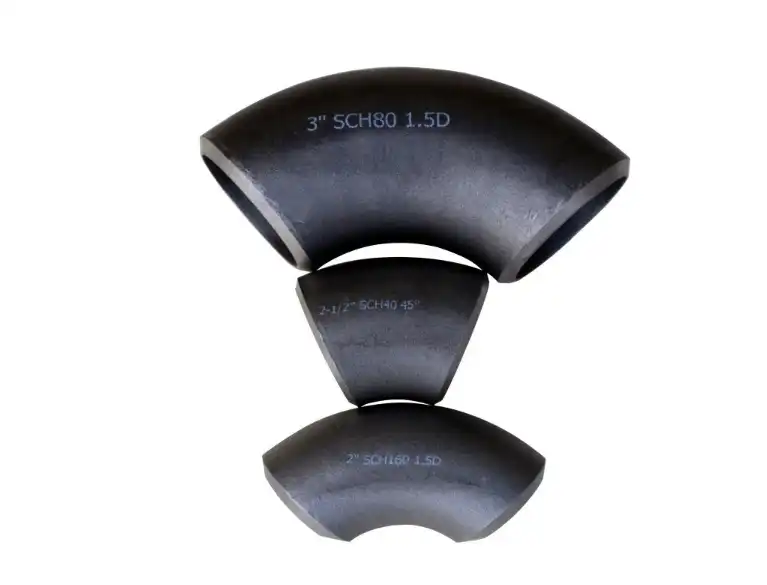
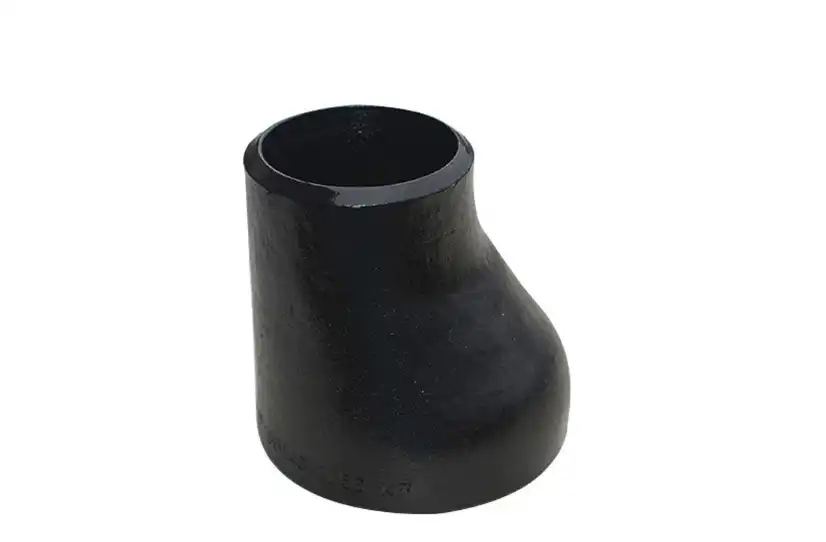
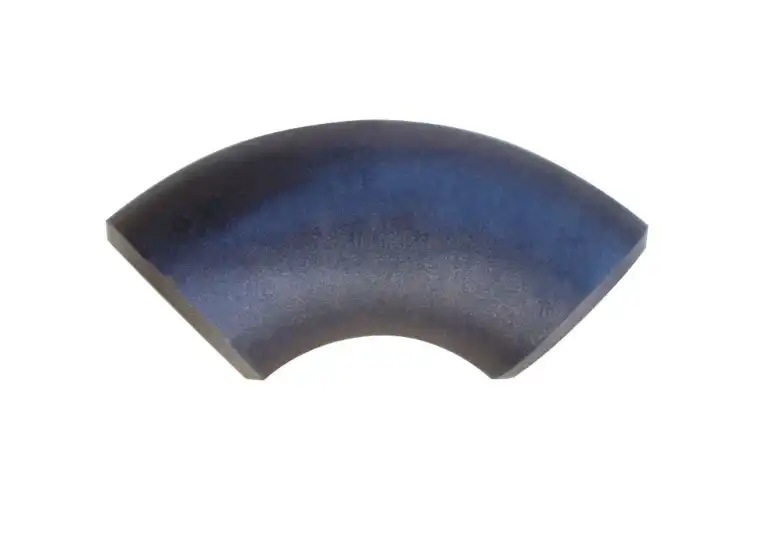
Top Uses of Chemical Industry Carbon Steel Elbows
They seldom make headlines, but when engineers and procurement managers spec out a new chemical plant or renovate an outdated one, carbon steel elbows silently decide whether a pipe system holds up under strain or breaks at the worst conceivable time. A Chemical industry carbon steel elbow in the chemical industry is a directional fitting, commonly bent at 45°, 90°, or 180°, that changes the direction of flow of a fluid or gas in a pipeline while retaining structural integrity under high pressure, high temperatures, and chemically hostile media. Whether you are sourcing for an oil refinery in Texas, a petrochemical complex on the Gulf Coast, or a water treatment plant in the Midwest, the proper elbow selection influences safety, uptime, and total cost of ownership.
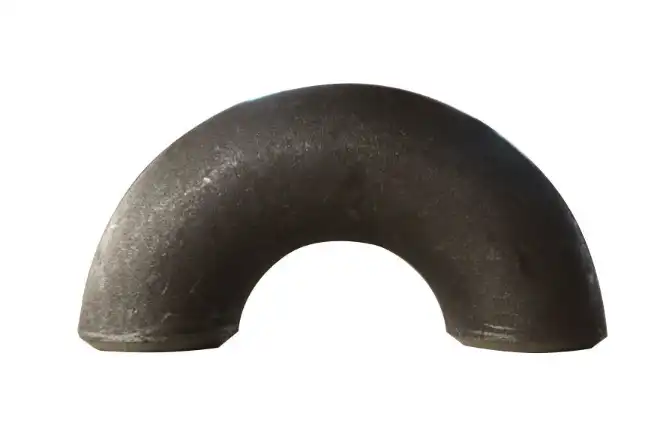
What Makes Carbon Steel Elbows Essential in Chemical Industry Piping?
Chemical factories work under circumstances that would kill any normal gear. Pressures commonly surpass 1,500 psi, process temperatures may range from cryogenic to 600°F, and the media running through those pipes may comprise corrosive acids, hydrocarbons, or abrasive slurries. Carbon steel elbows (made from materials such as ASTM A234 WPB) have a tensile strength of about 60,000 psi, which easily handles these loads at a fraction of the cost of exotic alloys.
Not every grade of carbon steel behaves identically. A234 WPB is suitable for general duty chemical service. A420 WPL6 is suitable for low-temperature use down to -50°F. Choosing an incorrect grade may lead to brittle fracture or rapid wall thinning. Review the process datasheet with the appropriate ASME B16.9 dimensional standard prior to release of a purchase order.
How Manufacturing Method Influences Service Life
Hot-push formed elbows have a uniform thickness of the wall across the bend – a crucial benefit in erosive duty. There is also hot-bending and butt-welded construction, but seamless hot-formed elbows are still the industry standard for high-pressure chemical lines. This eliminates the weld seam as a possible failure site.
Top 5 Uses of Carbon Steel Elbows in Chemical Industry Pipelines
Carbon steel pipe elbows are useful chemical process components. In these five applications, procurement teams claim the greatest value-per-dollar.
High-pressure headers. Petrochemical plant reactor feed and product lines exceed 900 psi. The 1.5D long-radius Chemical industry carbon steel elbows prevent turbulence and pressure drop at every directional shift, saving 15% pump energy.
Route corrosion-resistant for severe chemicals. Carbon steel with an appropriate internal coating or cathodic protection system is cost-effective for process fluids with pH below 4 or moderate chloride ions. Since the pipe specification's corrosion tolerance predicts wall loss, Gulf Coast chemical corridor businesses have delayed the stainless steel premium for decades.
Reaction system thermal expansion control. Steam crackers, polymerization reactors, and fired heaters change temperatures daily. Replace permanent supports with strategically placed 45° and 90° elbows to spread heat load across pipe segments.
Custom retrofit/brownfield. Chemical industries from the past had various equipment. Custom elbows with ASME B16.9 or DIN 2605 center-to-face measurements enable installers to correctly align a new heat exchanger or pump skid with the header without field-fabricated miters, which generate stress concentrations and inspection concerns.
Engineering, procurement, and construction businesses must trace every fitting for ASME, ANSI, and DIN compliance. Accredited producers may provide carbon steel elbows with material test results, heat figures, and ISO 9001 quality dossiers to third-party inspection agencies and project auditors without adding lead time.
Five application scenarios need dimension accuracy, material traceability, and batch-wide mechanical qualities.
Comparing Carbon Steel Elbows to Alternatives for Chemical Plants
Understanding where carbon steel outperforms — and where it does not — saves procurement teams from costly specification errors.
| Criterion | Carbon Steel (A234 WPB) | Stainless Steel (A403 WP316) |
|---|---|---|
| Tensile Strength | ~60,000 psi | ~75,000 psi |
| Temperature Range | -20°F to 800°F | -325°F to 1,500°F |
| Corrosion Resistance | Moderate (coating required) | Excellent (inherent) |
| Material Cost | Low–Medium | High |
| Typical Application | Hydrocarbon, water, gas | Acid, hygienic, high-temp |
| Standard Compliance | ASME B16.9 / ANSI / DIN | ASME B16.9 / ANSI / DIN |
| Design Type | Long Radius (1.5D) | Short Radius (1.0D) |
| --- | --- | --- |
| Flow Efficiency | Higher (lower pressure drop) | Lower |
| Space Requirement | More | Less |
| Best For | Pump discharge, main headers | Tight equipment skids |
For most U.S.-based chemical and oil & gas projects, carbon steel remains the default choice where the corrosion allowance is sufficient, because it delivers the best balance of mechanical capability and procurement economy.
How to Select and Procure the Best Carbon Steel Elbows for Chemical Industry
Four things affect procurement in this category. Sequencing avoids most specification mistakes.
Set service terms. Before assessing a product, get its operating pressure, design temperature, fluid composition, and flow velocity. Schedule (wall thickness), bend radius, and material quality are affected. Undersized schedule class fittings may fail early in high-cycle heat duty.
Check credentials, get a quotation. For ASME or PED projects, ISO 9001 and special equipment manufacturing licenses are no-go. Check applicable category certificate numbers, validity dates, and scope coverage. Oudi has ISO 9001 and the People's Republic of China Special Equipment Manufacturing License with a documented full-inspection and nondestructive testing process from raw material receipt to product release.
Project dimensions and specs should match. Most North American projects follow ANSI/ASME B16.9; Europe and the Middle East use DIN 2605. Through Chemical industry carbon steel elbows to ANSI, JIS, DIN, and BS, Oudi meets all worldwide EPC standards.
Pre-plan time and logistics. Oudi sells to approximately 40 nations in Europe, North and South America, Africa, Southeast Asia, and the Middle East from its 16,000-ton manufacturing location near Tianjin Port. Contact the provider six to eight weeks before delivery for large orders. Tooling may take longer for custom measurements.
Enhancing Pipeline Performance with Carbon Steel Elbows
Selecting the right elbow is step one; ensuring it delivers its rated service life is step two. Internal surfaces should be inspected for mill scale, and epoxy or fusion-bonded coatings applied where the corrosion allowance is thin. Ultrasonic thickness measurements at the extrados of each elbow — the highest-wear zone — taken during scheduled shutdowns give maintenance teams early warning of accelerated erosion before it approaches the minimum wall threshold.
Proper installation practice matters equally. Elbows must be aligned to within the tolerance specified in ASME B31.3 to avoid bending moment transfer into adjacent flange faces. Misalignment of even 1° across a long run of pipe generates cumulative stress that shortens gasket life at every joint downstream.
Plants that have transitioned from field-mitered bends to certified hot-formed elbows consistently report measurable reductions in unplanned maintenance events during turnaround inspections — a direct reflection of the dimensional consistency and wall-thickness uniformity that certified manufacturing delivers.
Conclusion
A chemical industry carbon steel elbow may appear to be a commodity item, but its material grade, manufacturing method, dimensional standard, and supply-chain traceability collectively determine the safety and economics of the entire piping system it serves. Matching the correct elbow specification to the service condition, verifying supplier certifications, and planning procurement timelines around realistic lead times are the three practices that consistently separate high-performing projects from costly ones. Oudi has supported chemical, petroleum, and power-generation clients across more than 40 countries since 1998, and the breadth of our certified product range means procurement teams can consolidate their fitting sourcing without sacrificing specification compliance.
FAQ
1. What are the main benefits of using carbon steel elbows in chemical plants?
Carbon steel elbows offer a compelling combination of mechanical strength, pressure rating, and cost efficiency. In chemical service where the corrosion allowance accommodates predictable wall loss, they outperform stainless steel on a total-installed-cost basis. They are fully compatible with ASME B31.3 piping codes and are available in a wide range of schedules and bend angles.
2. When should I choose a long-radius elbow over a short-radius elbow?
Long-radius (1.5D) elbows are preferred on pump discharge lines and main process headers where minimizing pressure drop is a priority. Short-radius (1.0D) elbows suit confined equipment skids where space governs layout decisions. The trade-off is flow efficiency versus physical footprint.
3. Can carbon steel elbows handle aggressive chemical media?
They can, with proper corrosion management. For mild acids and hydrocarbons, an appropriate internal coating or cathodic protection system extends service life reliably. For strongly oxidizing acids or concentrated chlorides, stainless steel or alloy-steel fittings are the more appropriate specification.
4. What certifications should a carbon steel elbow supplier hold?
At minimum, ISO 9001 quality management certification, a special equipment manufacturing license, and the ability to supply full material test reports with heat traceability. ASME, DIN, or BS certification scope coverage should align with the governing standard of your project.
Partner With Oudi for Certified Carbon Steel Elbow Supply
Oudi has manufactured and exported carbon steel pipe fittings since 1998, serving clients across petroleum, chemical, water conservancy, and power generation industries worldwide. Our product range covers carbon steel, stainless steel, and alloy steel elbows in ANSI, DIN, JIS, and BS standards — all backed by ISO 9001 certification and a 16,000-ton annual capacity. Reach out to our team for specifications, lead times, or bulk order pricing: oudi-04@oudiguandao.com. Let us be your reliable chemical industry carbon steel elbow supplier.
References
1. American Society of Mechanical Engineers. ASME B16.9: Factory-Made Wrought Buttwelding Fittings. ASME, 2018.
2. American Society of Mechanical Engineers. ASME B31.3: Process Piping. ASME, 2022.
3. Nayyar, Mohinder L. Piping Handbook, 7th ed. McGraw-Hill, 2000.
4. Smith, Peter. The Fundamentals of Piping Design. Gulf Publishing Company, 2007.
5. Schweitzer, Philip A. Corrosion Engineering Handbook: Corrosion of Linings and Coatings. CRC Press, 2006.
6. International Organization for Standardization. ISO 9001:2015 Quality Management Systems — Requirements. ISO, 2015.

Need help finding the right solution with our experts. Please contact us.
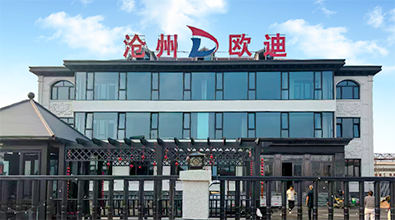
SINCE 1998 Your Reliable Pipeline Manufacturer