Trusted CS Elbow Supplier for Industrial Projects
When you're responsible for big industrial projects in areas like oil, chemical processing, or natural gas infrastructure, choosing a trusted carbon steel elbow supplier has a direct effect on how quickly the project is finished, how safe it is, and how well it runs in the long run. Carbon steel elbows are essential for changing the direction of pipes, so you can't settle for a shady provider. People who work in procurement need to work with companies that can make exceptional products and have strict quality control, low prices, and a wide range of certifications. In this guide, you'll learn to find reliable sources and get parts that meet your current project needs and future hopes.
Understanding Carbon Steel Elbows: Types, Specifications, and Benefits
Elbows made of carbon steel bow supplier control the flow of fluids or gases in industrial pipe systems. They are crucial in many different situations. These parts can be assembled in various ways to meet different operating needs.
Common Elbow Types and Their Applications
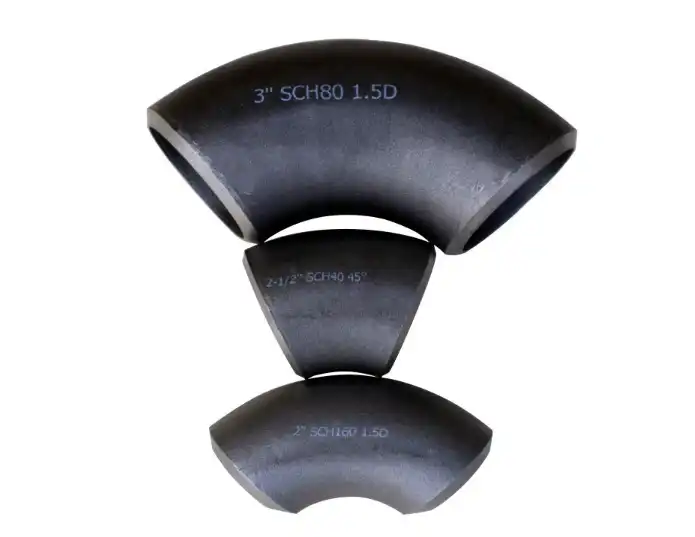
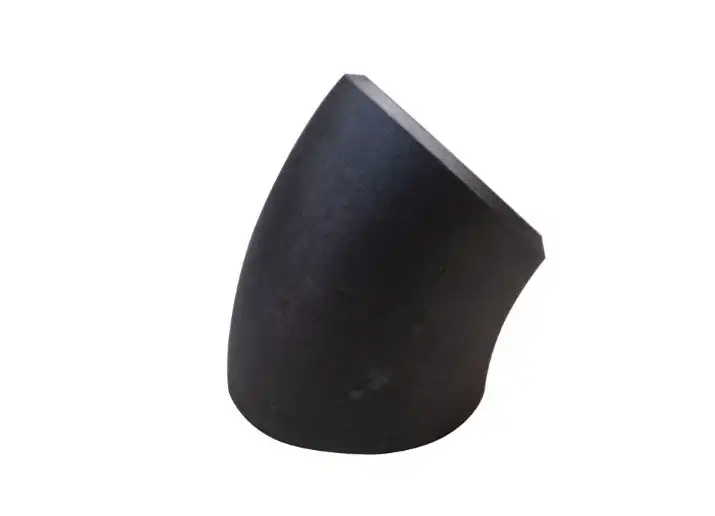
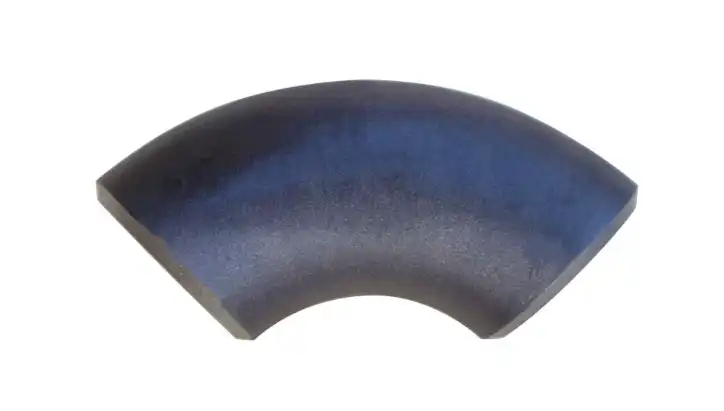
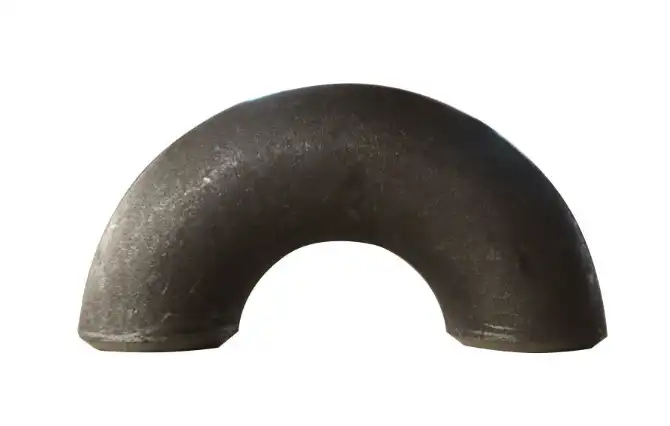
The curves that are most often given are bends at 90 degrees and 45 degrees. A 90-degree elbow changes directions perpendicularly, which is particularly advantageous for factories or power plants with small plans. The 45-degree version has smoother flow changes, which improves it for chemical production settings that need to avoid turbulence and pressure drops. Besides differences in angle, differences in radius are also crucial. Long-radius bends keep fluid dynamics smoother, which reduces erosion in fast systems. Short-radius choices save installation space in places where it's limited, like shipbuilding or making offshore platforms. Different goods are also made using different methods. Seamless elbows are best for high-pressure uses above 3,000 psi, while soldered versions are more cost-effective for normal pressure ranges below 1,500 psi.
Industry Standards and Specifications
To choose the right specs, you need to know about the worldwide standards that control the size and performance of pipe fittings. The ASME B16.9 standard sets the size ranges for butt-welding fittings, with wall thickness ranges from SCH10 to XXS. ASTM A234 covers different types of materials. For temperatures up to 400°F, WPB is the most popular type of carbon steel makeup. For work in Europe, the standards used are usually DIN 2605 or EN 10253-2, while in Japan they are JIS B2311 or JIS B2313. The choice of wall thickness is directly related to the working pressure. For example, SCH40 is enough for city water systems that run at about 150 psi, but SCH160 is needed for steam lines that run at over 2,000 psi and high temperatures.
Durability and Performance Advantages
Carbon steel elbows are forceful mechanically, and they can handle the shock loads and vibrations that are typical in hydraulic or boiler feed systems. Their thermal expansion qualities are very similar to those of carbon steel pipes, so stress doesn't build up at connection places when temperatures change. The makeup of the material usually has between 0.25% and 0.30% carbon, which makes it weldable while still maintaining its structural integrity. Unlike other materials, carbon steel performs well in temperatures ranging from -20°F to 650°F, which covers most industrial situations. Carbon steel is always chosen for projects in oil extraction, wastewater treatment, and thermal power production because it is reliable under cyclical loads and exposure to corrosive media when coated properly.
Carbon Steel Elbow vs Alternatives: Making the Right Choice
When choosing materials for your pipe system, you must balance performance needs with budget and service conditions.
Material Property Comparisons
Carbon steel elbows are ideal for structural uses that need a high tensile strength. For ASTM A234 WPB grade, the yield strength is usually between 60,000 and 70,000 psi. Stainless steel alternatives are better at resisting corrosion in acidic or chloride-rich environments. This is why they are needed in pharmaceutical manufacturing and seaside sites that get saltwater spray. Alloy steel types like WP11 and WP22 add chromium and molybdenum, which raise the temperature range to 1,100°F for use in power plants with superheated steam. But the prices of these special materials are 150% to 400% higher than the prices of regular carbon steel. The people in charge of buying things have to decide if the operating needs really do call for high-end materials or if carbon steel with protective coats will do the job for a lot less money.
Understanding Material Grades and Their Impact
ASTM A234 WPB is still the standard grade for mild temperature and pressure applications because it is easy to weld and machine. This standard works for industrial plants, water systems for cities, and networks that distribute natural gas. ASTM A420 WPL6 has a controlled nickel percentage that makes it more resistant to impact in low-temperature settings down to -50°F, such as LNG plants or cold storage. For systems that are under more pressure, ASTM A105 forged carbon steel is better because it has better mechanical qualities and a finer grain structure than cast versions. Different grades have different chemical makeup limits that affect how fast they rust, how well they bond, and what temperatures they need to be heated to before they can be installed.
Cost Considerations and Authenticity Verification
When you buy more than 100 tons of carbon steel elbows at once, you can usually get 15% to 25% off the price compared to smaller amounts. Spot market prices change based on the cost of raw materials, but carbon steel prices tend to stay fixed compared to stainless steel or alloy options. When buying important services, it's still important to make sure that the mill test certificates match the product markings, get inspection reports from a third party, and use spectroscopic analysis to prove the material's makeup. Sometimes fake fittings get into supply lines, especially through unauthorized distributors. This is why having direct contact with the maker is important for ensuring that the quality is consistent across multiple orders and that the fittings can be tracked.
How to Choose a Trusted Carbon Steel Elbow Supplier?
Supplier evaluation is what decides whether your project gets parts that meet the requirements or faces delays and quality issues that cost a lot of money during the building stages. Pick a trusted supplier of carbon steel elbows to ensure project success.
Essential Certifications and Quality Systems
ISO 9001 approval shows that we have met quality management standards for the planning, production, testing, and record-keeping processes. In addition to basic quality systems, make sure that providers have special equipment production licenses from national regulatory authorities. This certification proves that they can make parts that are under a lot of pressure for dangerous services. When buying materials for pipeline projects that need to be able to track them back to specific heat lots, API 5L approval becomes important. Pressure Equipment Directive 2014/68/EU says that parts that exceed certain pressure-volume limits must go through conformity evaluations. This means that PED compliance is important for European projects. Suppliers who work with the nuclear or aircraft industries often have extra licenses, such as ASME Section III or Nadcap approval, which indicate that they have stricter quality control standards for normal industrial projects.
Production Capacity and Delivery Reliability
The annual output ability of a supplier shows if they can handle big orders without affecting wait times. Facilities that make 16,000 tons of goods every year are big enough to handle multi-phase projects that need supplies spaced out to match building plans. Check how advanced the production equipment is. For example, CNC-controlled pipe-bending tools make sure that the dimensions are always correct across production runs, and automatic ultrasonic testing systems find problems inside the product that can't be seen. Track records of on-time deliveries are crucial when working with building schedules. Please request references from past clients in similar businesses and verify their performance with comparable order numbers. Suppliers who keep enough raw materials on hand to cover 30 days of production are more likely to be able to respond quickly to urgent orders or changes in project specifications.
Technical Support and Customization Capabilities
Suppliers who offer technical support during specification creation and installation troubleshooting are helpful for projects that are more complicated. If a technical team knows how to do finite element analysis, they can find the best elbow designs for unusual stress situations or limited room. Customization options go beyond what's in the book; non-standard angles, diameters bigger than 48 inches, or special metal mixes for specific work situations can all be made. The distance between two places affects logistics costs and contact speed. However, modern suppliers make up for distances with regional warehouses and expert staff who speak multiple languages. The length of the warranty shows how confident the maker is in the product. For example, 18 to 24 months of full coverage for both material flaws and workmanship problems shows that quality assurance goes beyond the minimum contractual duties.
Procuring Carbon Steel Elbows: Practical Guide for B2B Clients
For buying to work well, there needs to be a clear understanding of how logistics affect the overall cost of the project and a method for checking information.
Verification Steps and Supplier Credibility
To start evaluating a supplier, ask for copies of their quality management certifications and licenses to make special tools. Then, use databases maintained by the issuing body to make sure the licenses are still valid. Review test results from recent batches to ensure their chemical composition and mechanical properties are within acceptable ranges. Third-party inspection companies like SGS, TUV, or Bureau Veritas offer independent checking services that are very helpful for first orders or important uses. Compare prices from several approved sources, but be wary of quotes that are significantly lower than the going rate—big discounts could mean that the materials aren't up to par or that the quality control isn't excellent. Direct partnerships with manufacturers get rid of markups that are added by middlemen and hold manufacturers accountable for quality and delivery performance over the course of multi-year project relationships.
Logistics and Regulatory Compliance
Standard wait times for carbon steel elbows are 30 to 45 days for stock sizes. These times can go up to 60 to 90 days for custom sizes that require special tools or materials. Shipping choices depend on how quickly you need the goods. Sea freight is still the cheapest way to send large amounts of goods, but it takes 4 to 6 weeks to get there. Air freight, on the other hand, can meet your needs quickly but costs more. You need customs paperwork like business invoices, packing lists, certificates of origin, and material test results for international purchases. The source country determines tariffs and duties through its rules and deals. Under most-favored-nation status, carbon steel fittings for pipes usually have duty rates between 0% and 8%. However, anti-dumping measures are sometimes put in place for certain countries of origin. Make sure that providers offer certified goods that meet the country codes for the location, such as ASME B31.3 for process piping or ASME B31.1 for power piping. This will help you avoid expensive installation delays that are caused by parts that don't meet the standards.
Top Carbon Steel Elbow Manufacturers and Suppliers Worldwide
Knowing the different types of suppliers helps buying teams find partners who can meet the needs of the project and the quality standards.
Regional Manufacturing Hubs and Capabilities
About 60% of the world's carbon steel elbows are made in Hebei Province, especially in Cangzhou's Mengcun County, which is home to many specialized pipe fitting makers. These facilities use advanced hot forming and CNC cutting technologies. This enables them to offer reasonable prices through economies of scale while still meeting international quality standards. Over 300 buyers in 40 countries buy from factories in this area, and goods are exported to markets in Europe, North and South America, Africa, Southeast Asia, and the Middle East. American factories are mostly located in Texas and Louisiana, which are close to oil and gas infrastructure and offer quick delivery benefits for local projects. European suppliers in Germany and Italy put a lot of emphasis on precision engineering and top-notch service. They can charge more because they can meet your needs faster and offer full expert help for complicated uses.
Distinguishing Characteristics of Leading Suppliers
Top makers are always buying inspection tools like spectroscopic analyzers, ultrasonic flaw detectors, and hydraulic pressure testing systems that can check performance up to 1.5 times the design pressure. Customer-centered service models give you detailed information about the products you buy, reports of any problems with their dimensions, and pictures of the finished goods before they are sent out. Clear RFQ specs that include the material grade, standard dimensions, quantity needs, shipping timeline, and inspection criteria are the first step to a successful collaboration. Leading providers reply within 24 to 48 hours with detailed quotes that answer technical questions and suggest ways to save money based on their knowledge of the manufacturing process and the availability of the market.
Oudi was founded in 1998 in Cangzhou's industrial zone. It has these qualities because it is ISO 9001 certified, has licenses to make special equipment, and can make 16,000 tons of American, Japanese, German, and British standard fittings every year. Our thorough quality control includes inspecting raw materials and checking final products. As a premier carbon steel elbow supplier, our three decades of experience and exports to 40 countries have helped projects in the oil, chemical, natural gas transport, water conservation, construction, shipbuilding, and electric power industries.
Conclusion
When looking for a reliable carbon steel elbow supplier, you need to look at more than just price. You need to look at certifications, production skills, quality systems, and service commitment. Which material to use—carbon steel or an alternative—depends on the specifics of the job. For most commercial uses, carbon steel is the best mix of cost and performance. Effective procurement includes processes that prove the trustworthiness of suppliers and make sure that all parts of foreign supply chains obey the rules. When you work with well-known manufacturers with track records, strict quality control, and quick expert help, you can be sure that your projects will be finished on time, on budget, and to the highest safety and performance standards.
FAQ
What certifications should I look for in a supplier of carbon steel elbows?
Some important certifications, such as ISO 9001:2015 quality management systems, show that organizations control their work processes in a written way. National officials issue special equipment manufacturing licenses that prove legal permission for a supplier of carbon steel elbows to make pressure-bearing parts for industrial uses. Material-specific certifications, such as ASTM compliance and mill test certificates, make sure that the chemical make-up and mechanical qualities meet the standards of the specification. In regulated industries, projects benefit from providers who have API, PED, or ASME certifications that are relevant to the end uses.
How can I determine the type and size of elbow required for my task?
Before choosing a specification, it's important to know the working factors, such as the type of fluid, the pressure rating, the temperature range, and the flow speed. Compare these conditions to what the material can handle. For example, ASTM A234 WPB works well at temperatures below 400°F, but higher values need metal upgrades. You can choose the elbow radius based on the available room and the flow characteristics. Long-radius options reduce pressure drops in high-velocity systems, while short-radius options are better for small installs. Refer to relevant pipe rules, such as ASME B31.3 or B31.1, to find out what the minimum wall thickness needs to be for the design pressure and temperature.
Can providers make elbows to special measurements that aren't standard?
Reliable makers can meet unusual needs like angles that aren't in their list, diameters that are too big, special metal compositions, and different ways of preparing the ends. For customization, you usually need to place a minimum order quantity to justify the cost of tools and wait for longer lead times, which can be anywhere from 60 to 120 days based on how complicated the job is. Early on in the purchase planning process, communicate thorough specs by including engineering drawings, material choices, and inspection needs. Suppliers who are qualified offer design advice that makes setups easier to make while still meeting performance goals.
Partner with Oudi for Reliable Industrial Piping Solutions
Oudi offers approved carbon steel elbows that are made to meet ANSI, JIS, DIN, and BS standards. They have been doing this for over 25 years and have worked on infrastructure, chemical, natural gas, and oil projects all over the world. Our ISO 9001-certified factory in Cangzhou uses high-tech production and checking tools to make sure that the 16,000 tons of goods we make every year are accurate in size and made of good materials. As a carbon steel elbow supplier and manufacturer, we offer a wide range of products made from carbon, stainless, and alloy steels. Our prices are competitive because we make a lot of them, and we provide responsive technical support throughout the lifecycle of a project. Contact our team at oudi-04@oudiguandao.com to discuss your needs, get full quotes, and learn more about how our quality-driven approach helps achieve successful projects in tough industrial settings around the world.
References
1. American Society of Mechanical Engineers. (2020). ASME B16.9: Factory-Made Wrought Buttwelding Fittings. New York: ASME International.
2. ASTM International. (2021). ASTM A234 / A234M: Standard Specification for Piping Fittings of Wrought Carbon Steel and Alloy Steel for Moderate and High-Temperature Service. West Conshohocken: ASTM International.
3. European Committee for Standardization. (2019). EN 10253-2: Butt-welding pipe fittings – Part 2: Non-alloy and ferritic alloy steels with specific inspection requirements. Brussels: CEN.
4. Nayyar, M. L. (2019). Piping Handbook, Eighth Edition. New York: McGraw-Hill Education.
5. Singh, R. K., & Kumar, S. (2018). Material Selection for Corrosive Environments in Chemical Process Industries. Journal of Materials Engineering and Performance, 27(6), 2755-2769.
6. World Steel Association. (2022). Steel Markets and Applications: Carbon Steel Pipe Fittings Global Trade Analysis. Brussels: Worldsteel Committee on Economic Studies.

Need help finding the right solution with our experts. Please contact us.

SINCE 1998 Your Reliable Pipeline Manufacturer



