What Are Lap Joint Flange CS Used for in Industry?
Lap Joint Flange CS is an important part of industrial pipe systems that need to be able to be aligned easily and cheaply. This two-part assembly has a carbon steel backing flange and a stub end. The stub end lets the flange move easily on the pipe without damaging the welded connection. This design is especially useful for industries that work with toxic fluids because it lets them use expensive metal materials only for the stub end while keeping the body of the flange made of carbon steel. This can save up to 60% on material costs in chemical processing applications.
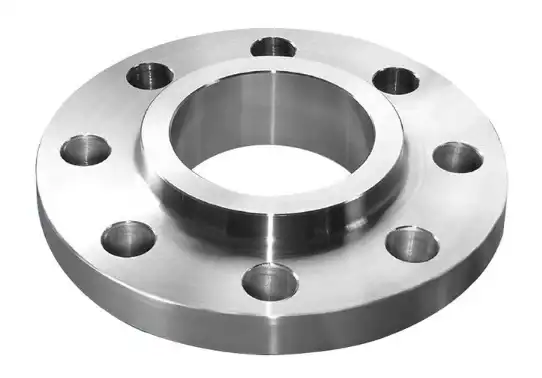
Understanding Lap Joint Flange CS: Specifications and Material Properties
What Defines Lap Joint Flange CS Construction
The carbon steel Lap Joint Flange CS works in a different way than regular welded flanges. This part is made as a loose ring that fits over the pipe and rests on the shoulder of a stub end. The seal is made by butt-welding the stub end directly to the pipe, and the bolt loading is sent to the joint by the carbon steel flange. Because of this separation of functions, many engineers call these assemblies "loose flanges" or "backing ring flanges." At Oudi, we follow ASME B16.5 standards for sizes from half-inch to 24 inches, and we can offer pressure classes from 150# to 2500#, depending on the needs of the application.
Material Properties and Standards Compliance
ASTM A105 carbon steel Lap Joint Flange CSs have a yield strength of more than 36,000 psi, which means they are strong enough for moderate-pressure applications. The chemical make-up usually has no more than 0.35% carbon, 0.60% to 1.05% manganese, and small amounts of phosphorus and sulphur, which makes it easy to weld and machine. Following the standards set by ISO 9001:2000 certification, we keep a close eye on quality from the time we check the raw materials until the final inspection. Our carbon steel flanges have a bore radius that fits the weld fillet radius of matching stub ends. This keeps them from interfering with each other during assembly. Dimensional checks, hardness tests, and visual inspections are all part of the testing process to make sure the surface finish meets the requirements before shipping.
Dimensional Standards Across International Markets
How well a flange works in tough situations depends on how precisely it was manufactured. Our factory makes carbon steel Lap Joint Flange CSs that meet ANSI, JIS, DIN, and BS size standards, so they can be used for a wide range of global projects. Different pressure classes have different bolt hole shapes, flange thickness, and raised face sizes. A 6-inch diameter Class 150 flange has a different bolt circle diameter and thickness than a Class 300 flange of the same nominal size. We keep a stock of standard sizes and can also make custom sizes for unique projects. Lead times are changed based on the complexity of the order and the amount needed.
Industrial Applications of Lap Joint Flange CS
Oil and Gas Pipeline Systems
Carbon steel Lap Joint Flange CSs are used in petroleum infrastructure to solve certain operational problems that fixed flanges can't do well. Offshore platforms often use these assemblies when they can't turn the pipes while they're being installed because of a lack of space. The rotatable flange design lets engineers line up bolt holes with existing connections without putting stress on welded joints when they are turned. In the 20 years we've been in this business, we've supplied parts for crude oil gearbox lines that need to be able to be quickly taken apart for inspections. The cost advantage is big for long-distance pipelines with hundreds of flange connections, which add up to a lot of material costs.
Chemical Processing and Corrosive Environments
The material freedom that Lap Joint Flange CS systems offer is very helpful for chemical plants that work with aggressive media. Engineers use carbon steel backing flanges and high-nickel alloy stub ends for fluid contact when working with sulphuric acid or chlorinated compounds. This mixed method keeps the covering surface resistant to rust while lowering the cost of the whole part. Maintenance teams like being able to quickly disconnect during cleaning processes of equipment. This is especially useful in slurry handling systems, where line flushing is often needed because sediment builds up and needs to be removed. Our production capabilities allow us to make both standard and custom setups for speciality chemical uses that need specific combinations of materials.
Water Treatment and Municipal Infrastructure
Carbon steel Lap Joint Flange CSs are used a lot in large-diameter pipes by municipal water systems and treatment plants, where precise alignment during construction is hard to achieve. The swivel feature makes it easier to connect prefabricated sections in tight excavations while they are still being built. Wastewater treatment plants that deal with abrasive slurries make it easy to access maintenance parts through these flanges during yearly equipment overhauls. We've sent parts to water conservation projects on several continents, helping to build infrastructure with goods that balance the need for performance with the usual price constraints that come with public works projects.
The benefits are useful in more ways than one after the initial installation. With a rotating flange, maintenance crews can loosen bolts, rotate the flange for easy wrench access, and finish repairs faster than with a fixed flange design. Lap Joint Flange CSs are a good choice for managers of water infrastructure because they save time, which leads to less downtime and lower running costs over the life of the facility.
Power Generation and Boiler Systems
In industrial boilers and electric power plants, these flange units are used in extra systems that handle cooling loops, feedwater, and condensate return. Weld neck flanges are needed for high-temperature main steam lines, but Lap Joint Flange CSs work properly for systems that work below 400°F. The freedom to rotate helps installers work around other equipment in crowded boiler rooms where moving heavy pipe sections around isn't practical. Our parts meet the requirements for the special equipment manufacturing licence that power generation suppliers need. This makes sure that they meet the rules for connecting pressure vessels.
Construction and Shipbuilding Applications
Shipyards that build commercial ships and structures for use at sea depend on carbon steel Lap Joint Flange CSs for the pipe fabrication process. It speeds up the building process to be able to weld stub ends to pipe sections ahead of time and then add the backing flange later on during the assembly steps. The alignment tolerance these assemblies offer when connecting pipes to equipment with pre-drilled flange faces is appreciated by building contractors who work on industrial facilities. We've helped build everything from industrial buildings to desalination plants by providing a wide range of products that these different uses need.
Comparing Lap Joint Flange CS with Other Flange Types for Intelligent Procurement
Structural Differences and Performance Characteristics
When looking at different flange choices, it helps to know the technical differences so that you can make the right choice. Weld neck flanges are great for high-cycle uses and high pressures because they offer better fatigue protection due to a gradual change in thickness from the pipe to the flange. Slip-on flanges are easy to install, but they need to be welded twice to keep the pressure in. Socket weld flanges work well with high-pressure lines that are smaller in diameter, but they need to be installed with very little gap between them. When compared to weld neck designs, carbon steel Lap Joint Flange CSs are not as strong structurally and usually only have about 10% of their fatigue life. Because of this, they can only be used in low- to moderate-pressure services with little cyclic loading. The actual benefit is not the highest pressure that it can handle, but the freedom of the alignment and ease of upkeep.
Material Cost Analysis and Value Optimisation
When looking at many links, the choice of materials has a big effect on the project's costs. Most of the time, carbon steel Lap Joint Flange CSs are 15–25% cheaper than stainless steel models of the same size. This can save a lot of money on big jobs. The total cost of the joint is much lower than with solid stainless steel or alloy steel flanges when exotic alloy stub ends are used only where fluid contact occurs. Because of these benefits, our pricing structure reflects them. We offer competitive prices for standard ASTM A105 carbon steel flanges while keeping the ability to track materials and provide certification paperwork. Bulk purchase agreements lower the cost per unit even more for builders who are handling multi-phase building plans or facility upgrades that need a steady supply of parts.
Pressure Rating and Service Limitations
Knowing the limits of a pressure class keeps you from making specification mistakes that damage the integrity of the system. Carbon steel Lap Joint Flange CSs can handle up to 600 psi of working pressure in a Class 300 configuration. Heavier classes offer higher ratings. Temperature limits for carbon steel materials are usually between -20°F and 650°F, which means they can handle most water, oil, and moderate chemical services. When you compare this to weld neck flanges that are rated for harsh cyclic conditions and higher design pressures, it becomes clear why Lap Joint Flange CS designs aren't good for everything. Professionals in charge of buying things should compare the working parameters of a system to the capabilities of a flange. They should choose Lap Joint Flange CS assemblies when their benefits are greater than their structural limits.
How Lap Joint Flange CS Works in Pipeline Systems: Technical Insights
Assembly Mechanics and Stress Distribution
Load transfer from the fastener through the support flange to the bearing surface on the stub end is what makes Lap Joint Flange CS assemblies work. As the bolts are tightened, compression force moves through the carbon steel flange ring and presses against the collar on the short end. The gasket between the two opposing stub end faces is compressed by this force, making a seal that doesn't let any pressure in. The radius or taper shape of the stub end spreads stress evenly around the circumference, which stops localised yielding that could weaken the joint. The backing flange can still move on the pipe's outside diameter even after the bolts are tightened. This allows for thermal expansion and fitting errors to be taken into account without putting stress on the welded connection.
Pressure Ratings and Temperature Performance
When made to ASME B16.5 standards, carbon steel Lap Joint Flange CSs have specific pressure-temperature ratings that depend on the type of steel used and the pressure class name. According to published rating tables, Class 150 parts made of ASTM A105 material can handle up to 285 psi of pressure at 100°F. As the temperature rises, the allowable pressure drops. Class 300 models can handle 740 psi at room temperature, which is enough for a lot of commercial uses. Temperature limits are put in place because carbon steel's mechanical properties change at high temperatures. Usually, 650°F is the highest temperature that it can be used continuously. In our technical documentation, we include full rating charts to help engineers make the right choices based on real-world operating conditions, not just nominal pipe size.
Installation Best Practices and Quality Assurance
Lap Joint Flange CS systems will work as planned for as long as they are installed correctly. Technicians should make sure that the finish on the stub end face meets the required roughness level, which is usually between 125 and 250 microinches RMS for raised face applications. The type of gasket chosen must match the flange face and the working conditions. The pressure class determines whether spiral wound or ring joint gaskets are used. Tightening bolts is done in a star pattern, and the torque values are figured out by looking at the material of the bolts, how well they are oiled, and the target gasket stress. When we ship our goods, we include installation instructions and technical specs to help field workers do their jobs without having to guess.
Procurement Guide: Sourcing Lap Joint Flange CS for Your Projects
Identifying Qualified Manufacturers and Suppliers
Checking a lot of different qualifications is needed to find a trustworthy carbon steel Lap Joint Flange CS supplier. ISO 9001 certification shows that quality management systems have been in place for a long time and cover things like controlling the design, tracking materials, and inspecting procedures. Regulatory authorities issue special equipment manufacturing licenses that prove permission to make pressure-bearing parts for industrial use. Our factory in Cangzhou has these important certifications and has been making things for the oil, chemical, and power industries around the world for 25 years. When project schedules call for regular delivery of large amounts, production capacity is important. Our yearly output of 16,000 tonnes can handle both one-time orders for urgent needs and planned releases for long-term building projects.
Evaluating Technical Capabilities and Equipment
The sophistication of the production equipment and the ability to inspect it directly affect the quality of the goods that are made. Modern forging presses make sure that flange bodies have the right grain structure and are the right size. When it comes to bolt hole spacing and face finish, CNC machine centres keep very close standards. Ultrasonic testers, hardness testers, and dimensional inspection tools in our facility make sure that products are in good shape before they are shipped. When looking at possible suppliers, asking for facility certifications and inspection reports gives real proof of technical ability that goes beyond what the company says on its marketing materials. We keep full records of all materials used, from buying the raw steel to making the finished product. These records include test results that meet the standard third-party inspection requirements in EPC contractor specs.
Price Structure and Cost Optimisation Strategies
The cost of a carbon steel Lap Joint Flange CS relies on its size, pressure class, number, and delivery date. Custom configurations that need special tools or longer production runs usually cost more than standard sizes in common pressure classes. By making production more efficient and shipping more at once, bulk purchasing agreements lower the price per unit. Our pricing plan strikes a mix between reasonable prices and consistent quality. This way, you don't have to worry about the risks that come with getting quotes that are too low, which are often a sign of lower-quality materials or poor inspection. Giving full specifications, such as material standards, dimensional requirements, and acceptance criteria, when asking for quotes ensures accurate pricing and avoids costly change orders during production.
Lead Times and Supply Chain Reliability
Delivery dates have a big effect on project timelines and the amount of operating capital that is needed. Standard carbon steel Lap Joint Flange CSs in common sizes can be shipped within 15 to 20 days if they are in stock. Depending on the production line and the time it takes to get materials, it could take 30 to 45 days for custom specifications or large quantities. We keep a strategic inventory of raw materials to keep lead times as stable as possible during times of high market demand. Because we've exported to more than 40 countries, we have built up transportation connections that make clearing customs and moving goods between countries faster. When planning timelines for procurement, including enough "buffer" time to account for unexpected delays keeps critical path construction activities safe.
After-Sales Support and Technical Assistance
Full supplier support includes more than just delivering products; it also includes technical advice and fixing problems. For questions about the right specifications, installation steps, or troubleshooting problems in the field, you need to be able to reach an engineer. We offer expert help through direct contact channels, answering questions about whether materials are compatible, checking pressure ratings, or finding other answers when project conditions change. Shipments come with paperwork like material certifications, test reports, and dimensional inspection records. This meets the quality assurance needs of contractor submittals and proves regulatory compliance. This long-term relationship method sets dedicated sellers apart from transactional vendors whose only goal is to complete orders.
Conclusion
When alignment flexibility, easy maintenance, and cost savings are more important than maximum pressure capability, carbon steel Lap Joint Flange CSs are the best choice for industrial piping applications. Their two-part design splits the functions of structural stress and sealing. This lets you use different materials in ways that lower the cost of each component while still protecting against corrosion at key junctions. Industries like oil and gas, chemical processing, water treatment, power generation, and heavy construction depend on these assemblies to work well in moderate-pressure situations. Understanding technical specs, material properties, and the right way to use something makes sure that procurement workers pick the right parts that meet performance needs and price limits, which helps projects run smoothly in a wide range of industries.
FAQ
1. Can high-pressure steam be used with carbon steel lap joint flanges?
Carbon steel Lap Joint Flange CSs can handle mild pressures up to their rated pressure class. However, weld neck flanges are usually needed for high-pressure steam services because they are more resistant to fatigue and maintain their structural integrity better. Class 300 carbon steel Lap Joint Flange CSs can handle up to 740 psi at room temperature, but their ratings drop when the steam temperature goes up. For specific service conditions, look at the ASME B16.5 pressure-temperature rating tables.
2. How does material cost compare between carbon steel and stainless steel lap joint flanges?
Carbon steel versions usually cost 15 to 25 per cent less than stainless steel versions of the same type of Lap Joint Flange CSs. Using carbon steel backing flanges with stainless or alloy stub ends lowers the cost of assembly by 40 to 60 per cent compared to solid stainless flanges. The sealing surface still stays resistant to corrosion.
3. What factors influence lap joint flange selection over weld neck designs?
If alignment flexibility during installation, easy maintenance access, or lowering the cost of materials are more important than the need for maximum structural strength, choose Lap Joint Flange CS assemblies. Choose weld neck flanges for uses that need high pressure, heavy cyclic loads, or the best fatigue protection with the least amount of stress concentration.
Partner with Oudi for Reliable Lap Joint Flange CS Solutions
Since 1998, Oudi has been making precise carbon steel pipe fittings for over 300 users in 40 countries. They are experts at making Lap Joint Flange CS. Our Cangzhou factory is ISO 9001-certified and sends out 16,000 tonnes of ASME-compliant flanges, bends, and fittings that meet ANSI, JIS, DIN, and BS standards every year. Our technical team can help you with your specifications and offer competitive bulk pricing, whether you need standard Class 150 flanges for water systems or custom Class 600 configurations for chemical plants. Contact our export specialists at oudi-04@oudiguandao.com to talk about your project needs with an experienced Lap Joint Flange CS manufacturer that is dedicated to quality, on-time delivery, and full after-sales support that makes the buying process easier.
References
1. American Society of Mechanical Engineers. (2020). ASME B16.5: Pipe Flanges and Flanged Fittings NPS 1/2 Through NPS 24 Metric/Inch Standard. New York: ASME Press.
2. Davis, J.R. (2006). Carbon and Alloy Steels: Properties, Production, and Applications. Materials Park, OH: ASM International.
3. Ellenberger, J.P., & Chuse, R. (2018). Pressure Vessel Design Manual (5th ed.). Boston: Butterworth-Heinemann.
4. Mohitpour, M., Golshan, H., & Murray, A. (2007). Pipeline Design and Construction: A Practical Approach (3rd ed.). New York: ASME Press.
5. Nayyar, M.L. (2019). Piping Handbook (8th ed.). New York: McGraw-Hill Education.
6. Singh, R.K. (2017). Industrial Piping and Equipment Estimation Manual. Oxford: Gulf Professional Publishing.

Need help finding the right solution with our experts. Please contact us.

SINCE 1998 Your Reliable Pipeline Manufacturer



