What Is a Custom carbon steel elbow for Industrial Piping?
A custom carbon steel elbow is a kind of pipe fitting used to change the direction of flow of fluid or gas in industrial piping systems at certain angles, usually 45°, 90°, or 180°. A bespoke carbon steel elbow is fabricated to the precise needs of a project, including wall thickness, bend radius, end connections, and material quality, unlike off-the-shelf solutions. These components are often utilized in the oil and gas, chemical processing, power generation, and water treatment sectors where dimensional accuracy and pressure integrity are critical.
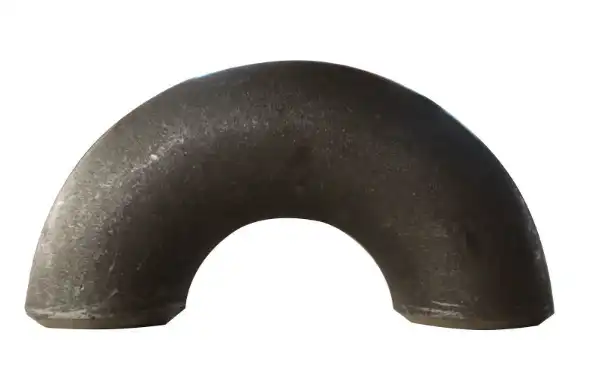
Understanding Custom Carbon Steel Elbows in Industrial Piping
Types: Seamless vs. Welded
There are two main ways to make carbon steel elbows. Seamless elbows are made from a single piece of steel, and there is no weld junction, and they are suitable for high-pressure and high-temperature use. Welded elbows (including straight-seam types) are suited for lower-pressure applications where cost management is important. At Oudi, we create both seamless and straight-seam industrial elbows, allowing customers the freedom to match the best product to their individual working environment.
Angle Configurations and Specialty Designs
Normal angles are 45°, 90°, and 180°. Long radius (LR) elbows (bend radius equivalent to 1.5 times pipe diameter) provide the least resistance to flow and are prevalent in oil and gas pipelines. Short radius (SR) elbows are utilized when space is at a premium, such as oil refineries or water treatment facilities with severe layout limitations. Flanged elbows and decreasing elbows provide for customized connections when the pipe size changes or where access is necessary for maintenance.
Material Specifications and Standards
Carbon steel elbows, produced to ASME B16.9, ANSI, and ASTM standards, provide dimensional compatibility and safety for worldwide projects. Common materials designated for moderate temperature and pressure operation are ASTM A234 WPB. Wall thickness, carbon content, and heat treatment are closely related to the long term performance of the component. Oudi manufactures elbows to ANSI (American), JIS (Japanese), DIN (German), and BS (British) standards, catering for procurement teams operating under a variety of regulatory contexts.
Benefits and Industrial Uses of Custom Carbon Steel Elbows
Why Carbon Steel Holds a Cost Advantage
Carbon steel costs significantly less than stainless steel or alloy steel while still delivering solid mechanical strength and pressure resistance. For large-scale projects in construction, shipbuilding, or boiler manufacturing, this cost difference becomes substantial over thousands of fittings. The material also responds well to welding and forming processes, which keeps fabrication costs predictable. For procurement managers balancing budget constraints without compromising safety margins, custom carbon steel elbows remain the practical first choice.
Industry Applications Across Heavy Sectors
Some of the major application categories where carbon steel elbows are routinely specified include:
- Oil & Gas: Applied for upstream and downstream pipelines with high pressure and different temperatures requiring reliable directional fittings.
- Chemical Processing: Carbon steel elbows are used in chemical plants because of their resistance to mildly corrosive environments and compatibility with process fluids.
- Power Generation & Boiler Systems: Power generation facilities include steam and feedwater lines that need fittings able to endure thermal cycling without dimensional distortion.
- Water Conservancy & Infrastructure: Large diameter carbon steel elbows are utilized in water diversion projects, treatment plants, and irrigation systems.
These industries make up the core of Oudi’s customer base in more than 40 countries, including the United States, Europe, Southeast Asia, and the Middle East.
Performance Under Pressure
Carbon steel elbows maintain structural integrity across a broad pressure and temperature range. According to ASME B16.9 specifications, butt-welding elbows are rated for use in pressure classes from 150 to over 2500, depending on wall thickness and material grade. This range covers most heavy industrial applications without requiring exotic alloys.
How to Choose the Right Custom Carbon Steel Elbow for Your Project
Matching Pressure Ratings and Temperature Limits
Every pipe system has prescribed operating conditions. Prior to specifying an elbow, the procurement and engineering teams should verify the maximum permitted operating pressure, design temperature range, and pipe schedule. The most frequent reason for premature component failure is the mismatch of the elbow pressure class with the system operating conditions. Having a source that can provide comprehensive material certification and traceability paperwork eliminates that ambiguity.
Seamless vs. Welded: Making the Right Call
Seamless carbon steel elbows are the standard recommendation for high-pressure lines, steam service, and corrosive conditions. Welded elbows, particularly butt-welded types, are suitable for moderate-service lines and larger diameter applications where fabrication of seamless elbows is less viable. The decision should be made on the basis of service conditions and not price alone.
Evaluating Supplier Certifications and Capacity
A reputable custom carbon steel elbow supplier should have ISO 9001 certification and a special equipment production license if necessary. Oudi has acquired the ISO 9001:2000 Quality Management System Certification and the special equipment manufacturing license of the People's Republic of China. With an annual manufacturing capacity of 16,000 tons, Oudi has a full product line including carbon steel, stainless steel, and alloy steel fittings, and delivers the supply consistency that EPC contractors and industrial distributors rely on.
Manufacturing Process and Quality Assurance of Custom Carbon Steel Elbows
From Raw Material to Finished Elbow
Oudi’s manufacturing process starts with verification of incoming raw material before any steel hits the shop floor. Hot forming (hot pushing or hot bending) is used to create the shape of elbows. It maintains the mechanical properties of steel. After forming, heat treatment is used to release residual stress and recover the material toughness. At every stage of this procedure, documented quality controls are implemented – as per ISO 9001 requirements.
Non-Destructive Testing and Welding Standards
All welded connections are governed by welding process standards (WPS) and are subjected to non-destructive testing (NDT) such as ultrasonic testing and radiographic inspection to reveal subsurface problems. Oudi’s inspection team is equipped with modern detection equipment that can fulfill all kinds of user testing needs. This means that any structural defects are discovered before the product leaves the factory.
Pressure Testing and Compliance Verification
Finished elbows are pressure class tested before shipping by hydrostatic and pneumatic pressure testing. Oudi has a complete inspection system from raw materials to completed items, and conducts non-destructive fault identification in all stages of manufacturing. Buyers will get paperwork showing conformity with ANSI, JIS, DIN, or BS standards as required by their project requirements.
Procurement Guide: Sourcing Custom Carbon Steel Elbows Efficiently
Global Sourcing Considerations
International procurement of carbon steel pipe fittings involves evaluating total landed cost — not just unit price. Lead time, shipping logistics, customs documentation, and supplier responsiveness all affect final project economics. Oudi has been exporting to clients in the United States, South America, Africa, and the Middle East since 1998 and maintains a diversified sales and service system across more than 40 countries, which gives procurement managers a reliable track record to reference.
OEM Collaboration and Order Flexibility
Custom specifications — including non-standard angles, special wall thicknesses, or unique end connections — are handled through OEM collaboration. Oudi works directly with engineering teams to confirm dimensional drawings and material requirements before production begins. This process reduces rework risk and ensures that custom orders meet project specifications on the first delivery.
Balancing Price and Quality
Oudi's stated commitment to first-class products at reasonable prices reflects the balance most B2B buyers seek. With 16,000 tons of annual output capacity and complete product categories covering bends, flanges, tees, reducers, and caps, consolidating orders with a single qualified supplier reduces administrative overhead and shipping costs for procurement departments.
Conclusion
Properly designed custom carbon steel elbows keep industrial pipe systems operating safely and effectively in challenging environments. Choosing the correct kind, angle, and grade of material and thickness of the wall, and buying from a provider with confirmed certificates and proven export capability saves your project from expensive failures. Oudi has been building its name on quality, certification compliance, and supply dependability throughout worldwide markets since 1998. Please inquire here for your next project if you need carbon steel pipe fittings to ANSI, JIS, DIN, or BS standards.
FAQ
1. What factors most affect the service life of a carbon steel elbow?
Service life depends on operating pressure, temperature cycles, fluid corrosiveness, and installation quality. Proper material grade selection, correct wall thickness, and post-weld heat treatment all extend working life. In clean water or low-corrosion service, a well-manufactured carbon steel elbow can last 20 years or more.
2. How does carbon steel compare to stainless steel for corrosion resistance?
Stainless steel offers superior resistance to oxidation and chemical corrosion, which makes it the choice for aggressive media. Carbon steel performs well in dry, low-corrosion environments and is commonly protected with coatings or linings when used in mildly corrosive service. For most oil, gas, and water applications, carbon steel provides adequate resistance at a lower cost.
3. Are custom carbon steel elbows suitable for extreme pressure environments?
Yes. Seamless carbon steel elbows manufactured to ASME B16.9 in heavy wall schedules — such as Sch 80 or Sch 160 — are rated for high-pressure service across multiple pressure classes. The specific pressure rating depends on material grade, pipe schedule, and design temperature. Oudi's team can confirm applicable pressure ratings based on your project parameters.
4. What certifications should I verify before purchasing?
At minimum, confirm ISO 9001 certification, applicable special equipment manufacturing licenses, and material test reports (MTRs) traceable to the heat of steel used. Oudi provides full certification documentation with each order.
Get a Quote from Oudi — Trusted Custom Carbon Steel Elbow Manufacturer
Oudi has delivered certified pipe fittings to industrial buyers across 40+ countries since 1998. Whether you need standard stock or a custom carbon steel elbow built to your exact drawing, our team is ready to provide a detailed quote with full technical support. Contact us today at oudi-04@oudiguandao.com to discuss your project requirements and receive a competitive offer.
References
1. ASME International. ASME B16.9: Factory-Made Wrought Buttwelding Fittings. 2018.
2. American Society for Testing and Materials. ASTM A234: Standard Specification for Piping Fittings of Wrought Carbon Steel and Alloy Steel for Moderate and High Temperature Service. 2021.
3. American Petroleum Institute. API 570: Piping Inspection Code — In-Service Inspection, Rating, Repair, and Alteration of Piping Systems. 2016.
4. Nayyar, M. L. Piping Handbook. McGraw-Hill, 2000.
5. British Standards Institution. BS EN 10253-2: Butt-Welding Pipe Fittings — Wrought Austenitic and Ferritic/Austenitic Stainless Steels. 2007.
6. International Organization for Standardization. ISO 9001:2015 Quality Management Systems — Requirements. 2015.

Need help finding the right solution with our experts. Please contact us.

SINCE 1998 Your Reliable Pipeline Manufacturer



