What is the Purpose of a Reducer in Piping Systems?
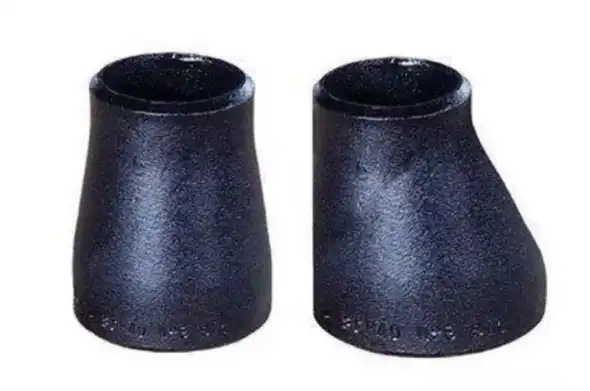
A serves as a crucial transition component in industrial piping systems, designed to connect pipes of different diameters while maintaining optimal flow characteristics and system integrity. This essential fitting allows engineers to adapt piping configurations to meet varying flow requirements, pressure conditions, and spatial constraints across diverse industrial applications. By facilitating smooth diameter transitions, pipe reducer components help minimize turbulence, prevent pressure losses, and ensure reliable fluid transport throughout complex pipeline networks in chemical plants, oil refineries, and power generation facilities.
Understanding the Purpose of a Reducer in Piping Systems
When it comes to industrial buildings, pipeline systems need flexible options that can adapt to changing flow needs and limited space. Reducing valves connect pipes of different sizes so that they fit together smoothly and keep the hydraulic efficiency. These parts are very important for making flow dynamics work better and keeping expensive system breakdowns from happening.
Types of Pipe Reducers and Their Applications
Modern pipe systems use two main types of reducing components, each made for a different set of operating situations and fitting needs. Because they are symmetrical, cone-shaped, and centered, concentrator reducers are perfect for vertical pipe runs and pump output uses. The even decrease keeps the flow patterns constant and stops the flow from separating, which is very important in high-velocity situations. These reducers work great in systems where keeping the baseline straight is important for keeping things running smoothly. Eccentric reducers have an offset form and one flat side, which makes them very useful for setups that are horizontal. The flat side can be turned down to help gravity drain and keep liquid from pooling, or up to stop air pockets from forming. This design works really well in pump flow lines and horizontal pipe rack setups that need to drain and get rid of air properly.
Material Selection and Standards Compliance
The pipe reducer used for the reducers has a direct effect on how long the system lasts and how well it works in different settings. Reducers made of carbon steel are strong and affordable for most uses, while those made of stainless steel are more resistant to rust in harsh environments and at high temperatures. To make sure that everything works together and is safe, material specifications must match industry standards like ANSI, JIS, DIN, and BS. The reducer's pressure number and usefulness for certain uses are affected by whether it is made with seamless construction or welded manufacturing. Quality licenses, like ISO 9001, show that strict manufacturing standards and quality control methods are being followed.
Technical Analysis: How Reducers Optimize Piping System Performance?
The hydraulic performance of lowering valves has a big effect on how well the whole system works and how much it costs to run. Procurement and engineering teams can make better decisions when they understand these technical factors.
Pressure Drop and Flow Velocity Control
Controlled pressure drops are caused by reducing parts that need to be carefully estimated when the system is being designed. The slow change in width reduces noise more than sudden changes, which stops energy loss and damage from erosion and rust. Choosing the right reducer helps keep the flow speeds at their best throughout the system, which stops both too many pressure drops and not enough mixing. Engineering estimates show that properly designed reducer systems can cut pressure losses by 15 to 30 percent compared to transitions that aren't built properly. This improvement makes pumping systems use a lot less energy and makes equipment last longer by lowering stress concentrations and flow-induced tremors.
Real-World Performance Benefits
Facilities that process chemicals have seen big changes after putting in place effective reducers. After optimizing the reducer designs in their heat exchanger circuits, a petrochemical company in Texas said that their pumps used 20% less energy. The better flow distribution also cut down on the number of repair visits and increased the life of the heat exchanger tubes. Similarly, power plants can gain from choosing the right reducers for their boiler feedwater systems. Optimized flow changes lower the risk of cavitation and increase the efficiency of heat transfer, which makes the plant more reliable as a whole. These measured benefits make the investment in parts that are of lower quality and proper engineering analysis worth it.
Common Selection Pitfalls and Their Consequences
If you choose the wrong damper, the system will break down faster and cost more to run. When reducers are too big, they cause pressure drops that aren't needed, and when they're too small, they cause high speeds that cause noise and degradation. If you don't choose the right materials for the job, they could break down early or require unexpected repair. When chemicals are used, where aggressive media can quickly break down unsuitable materials, material compatibility problems become even more important. It's also important to think about the effects of changing temperatures, since differences in thermal expansion can cause stress to build up at reducer links.
Choosing the Right Pipe Reducer for Your Project
To choose the best lowering components, you need to look at a lot of technical factors, quality standards, and the supplier's skills. This organized method makes sure that performance is reliable and buying is cost-effective.
Technical Specification Criteria
Pressure and pipe reducers that are higher than the maximum working conditions by the right amount are important selection criteria. The measurements must match the pipes that are already in place and the relevant codes, like ASME B16.9 for welded joints or ASME B16.5 for flanged connections. When working with acidic or highly pure media, it is important to check the suitability of the fluids. Data on chemical protection and material approvals help people choose materials that are right for them. The required wall thickness is based on the pressure number, and for high-pressure uses, the schedule may need to be upgraded.
Concentric vs. Eccentric Reducer Selection
The choice between circular and eccentric setups is based on how the system will be installed and how it will be used. Concentric reducers work best in uphill situations and on pump discharge lines where even flow distribution is desired. Their regular shape lets you predict how well they will work with water and makes stress analysis easier. When straight systems need to drain or get rid of air, eccentric reducers are needed. In pump flow situations, eccentric reducers with the flat side facing upward are usually needed to stop air pockets from forming, which could lead to pump cavitation. Process lines have flat sides that are angled downwards to make it easier for water to drain away during upkeep.
Supplier Quality and Certification Requirements
When evaluating a supplier, you should look at their manufacturing skills, safety licenses, and how reliable their delivery is. ISO 9001 certification shows that quality management is done in a planned way, and special equipment-making licenses show that pressure vessel rules are followed. Advanced production tools and checking tools make sure that the quality and dimensions of every product are always the same. Exporting to foreign markets shows that a seller can be trusted and knows how to meet global standards. Material certifications, test records, and compliance badges can all be documented to meet the quality assurance needs of a project. Reliability in the supply chain is very important for big projects with tight plans.
Integration and Installation Best Practices
The efficiency and service life of a reducer are maximized by following the right installation steps and routine repair plans. These techniques are necessary to get good design performance and keep lifetime costs as low as possible.
Installation Guidelines and Alignment Procedures
To get the best performance from a reducer fitting, you need to pay close attention to how it is oriented and aligned. Eccentric reducers need to be positioned correctly based on the application, with flat sides in the right place to allow drainage or air removal as planned. Installations that aren't lined up right can cause flow patterns and stress concentrations that aren't expected. For welding to work, the processes must be done according to approved standards that are right for the materials being used and the conditions of use. High-carbon steels or uses with a lot of pressure may need preheating and heat treatment after the weld. If you prepare the joint correctly and fit it up correctly, you will get full penetration welds that meet code standards. For bigger reducers, support design is very important because weight distribution and heat growth need to be taken into account. Not enough support can cause stress concentrations that cause cracks to form too soon, especially in high-temperature situations where thermal cycling happens.
Maintenance Strategies and Performance Monitoring
Areas that are likely to wear out and places where stress builds up should be the focus of regular inspections. By looking for cracks, rust, or erosion damage, you can find problems before they happen. Testing for ultrasonic thickness is a good way to keep an eye on material loss in places where it is eroding or corroding. Monitoring flow patterns can show that performance is getting worse before a major failure happens. When you compare measures of pressure drop to design values, you can see if there is fouling, erosion, or flow blockage. Keeping an eye on the temperature helps find hot spots that could mean that the flow has broken or there is damage inside. To keep operations running as smoothly as possible, preventive maintenance should be scheduled at the same time as overall plant maintenance windows. Planned replacements based on inspection results allow for proactive repair that stops power blackouts that happen without warning. Keeping records of inspection results helps with figuring out how reliable something is and how to make repair times work best.
Oudi: Your Trusted Partner for Premium Pipe Reducer Solutions
Cangzhou Oudi Pipe Manufacture Co., Ltd. has been making high-quality pipe reducers and other plumbing parts for commercial markets around the world since 1998. Our wide range of products includes reducers made from carbon steel, stainless steel, and alloy steel that meet American, Japanese, German, and British standards. This makes sure that they can be used on a wide range of foreign projects.
Comprehensive Product Range and Manufacturing Capabilities
The modern industrial plant we have here is 66,600 square meters and has high-tech tools that can make 16,000 tons of high-quality piping parts every year. This large capacity guarantees a steady supply for big industry projects while keeping quality standards high throughout production. Manufacturing processes include both smooth and welded building methods, as well as hot and cold forming methods, such as the "Outer Die Method" for forged parts. Modern welding methods can be used with different types of materials and wall thicknesses, and precise cutting makes sure that the dimensions are accurate enough to meet international error standards. Every step of the production process, from checking the raw materials to the final inspection, is controlled by quality control systems that are approved to ISO 9001:2000 standards. Non-destructive testing methods, such as ultrasound and radiographic examination, make sure that the quality inside meets the needs of the pressure tank. Material tracking paperwork helps with making sure the project meets quality standards and legal requirements.
Technical Expertise and Global Service Network
Our engineering team offers full technical help for choosing the right gear and making the best use of it. Customers can use design analysis to check material compatibility, stress analysis, and pressure drop estimates for different working circumstances. This scientific knowledge is especially useful for making electricity and handling chemicals that are hard to understand. Over 40 countries can use our global service skills, helping markets in Europe, North America, South America, Africa, Southeast Asia, and the Middle East, among others. This foreign knowledge gives a deep understanding of regional standards and buying habits, which makes it easier to carry out projects anywhere. Custom packaging for overseas shipments, faster delivery for important projects, and full paperwork packages that meet foreign quality standards are all services that add value. Technical consultation services help project engineering teams by giving them advice on how to improve performance and giving them application-specific advice.
Conclusion
Pipe reducers are important parts of modern industrial piping systems because they allow for efficient flow control and system stability in a wide range of situations. Knowing the basic differences between concentric and eccentric setups, along with the right way to choose materials and install them, will ensure that the system works well and lasts a long time. Careful assessment of a supplier's skills, such as quality of production, certification compliance, and expert help, has a direct effect on the success of a project and its long-term dependability. When you buy quality-reducing parts from experienced makers, you get measurable benefits like lower upkeep costs, better energy efficiency, and more reliable systems for the whole life of the building.
FAQ
What is the difference between concentric and eccentric pipe reducers?
Concentric reducers have a perfect cone shape and are centered, which makes them good for vertical pipe runs and situations where the flow needs to be spread out evenly. Eccentric reducers have an uneven shape and one flat side, which makes them perfect for horizontal setups that need to drain or get rid of air.
How do pipe reducers affect system pressure drop?
Pipe reducers make controlled changes in pressure that depend on the width ratio, flow speed, and the shape of the inside. When you choose the right reducers, you can cut down on pressure losses by making changes slowly, which lowers noise compared to sudden changes in width. This can save you 15 to 30 percent of your energy.
What materials are commonly used for industrial pipe reducers?
Carbon steel is a common material for everyday uses, stainless steel is used in acidic settings, and different alloy steels are used for high-temperature or specialized chemical services. The choice of material is based on the working pressure, temperature, and the need for fluid interaction.
Which industry standards apply to pipe reducer manufacturing?
Some important standards are ANSI B16.9 for welding reducers, ASME B16.5 for flanged joints, and many others from around the world, like JIS, DIN, and BS. Pressure tank codes are followed by companies that have ISO 9001 quality management certification and special equipment making licenses.
How should eccentric reducers be oriented during installation?
Depending on the job, the eccentric reducer should be oriented in one of two ways: with the flat side up, so that air pockets don't form in pump pressure lines, or with the flat side down, so that process pipes can drain more easily. The right direction is very important for getting the hydraulic performance that was planned and for preventing operating problems from happening.
Partner with Oudi for Superior Pipe Reducer Solutions
Precision-engineered pipe reducers from Oudi will help your plumbing system work better. They are made to the highest international standards and come with over 25 years of industry experience. As a top maker of pipe reducers, we offer complete solutions with parts made of carbon steel, stainless steel, and alloy steel that are meant for tough industrial uses. Our ISO 9001-certified center guarantees consistent quality and on-time delivery for projects all over the world, and our scientific team is available to help you get the best results for your needs. Email our experts at oudi-04@oudiguandao.com to talk about your pipe reducer needs and find out how Oudi's proven production skills can help your project succeed. See for yourself what a difference good engineering and committed service can make in achieving business success.
References
1. American Society of Mechanical Engineers. "Process Piping Design Guidelines for Pipe Reducers and Flow Transitions." ASME B31.3 Process Piping Code, 2021.
2. Crane Technical Paper No. 410. "Flow of Fluids Through Valves, Fittings, and Pipe: Pressure Drop Analysis for Reducing Components." Crane Engineering, 2020.
3. International Organization for Standardization. "Industrial Piping Components: Material Selection and Quality Requirements for Pipe Reducers." ISO Technical Committee 5, 2019.
4. Peterson, James R., and Susan M. Williams. "Hydraulic Performance Optimization in Industrial Piping Systems." Journal of Process Engineering, Vol. 45, No. 3, 2022.
5. Thompson, Michael D. "Corrosion Resistance and Material Selection for Chemical Processing Pipe Fittings." Chemical Engineering Progress, Vol. 118, No. 8, 2021.
6. Wang, Li Chen, and Robert K. Anderson. "Manufacturing Standards and Quality Control in Pipe Fitting Production." International Journal of Industrial Manufacturing, Vol. 29, No. 12, 2023.

Need help finding the right solution with our experts. Please contact us.

SINCE 1998 Your Reliable Pipeline Manufacturer



