What makes a carbon steel elbow durable for industrial use?
Durable carbon steel elbows stand out in industrial applications for their exceptional mechanical strength, superior heat resistance, and cost-effective manufacturing. These engineered components combine high carbon content with precise metallurgical properties, creating pipe fittings capable of withstanding extreme pressure, temperature fluctuations, and corrosive environments. Their durability stems from standardized manufacturing processes following ASTM and ASME specifications, robust material composition that resists deformation, and proven performance across demanding sectors, including oil refineries, chemical plants, and power generation facilities.
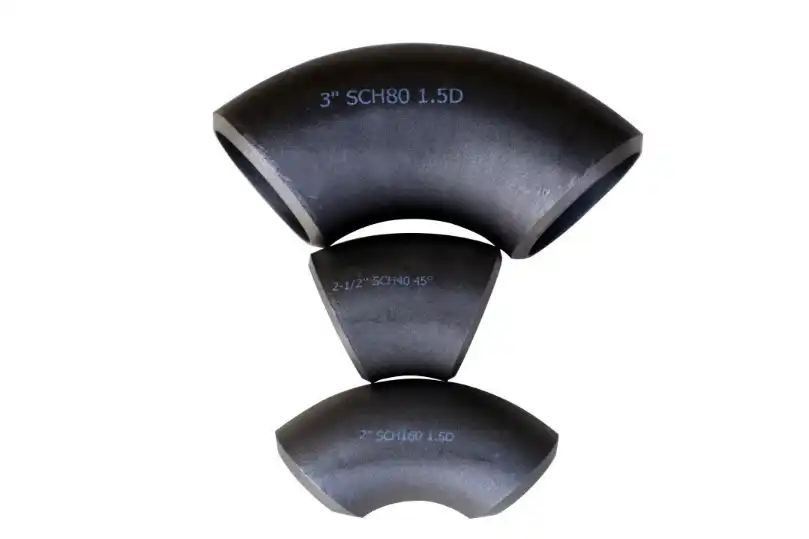
Understanding Durable Carbon Steel Elbows: Properties and Manufacturing
Carbon steel elbows are complex engineering solutions made to make it easier to change the direction of industrial pipe systems while keeping the structure strong under tough operating conditions. Because these parts are where the fluid flows and must change directions, they need to last a long time for the system to work properly.
Core Material Properties and Composition
The foundation of elbow durability lies in carefully controlled carbon steel composition, typically utilizing grades such as ASTM A234 WPB. This specification ensures carbon content remains between 0.25% to 0.30%, providing optimal balance between strength and workability. The controlled carbon levels contribute directly to enhanced tensile strength, typically ranging from 60,000 to 80,000 PSI, while maintaining sufficient ductility for complex forming operations. Mechanical properties extend beyond basic strength measurements. These components demonstrate exceptional hardness, typically measuring between 120 and 200 HB on the Brinell scale, ensuring resistance to surface wear and deformation. Heat resistance capabilities allow continuous operation at temperatures reaching 850°F (454°C), making them suitable for high-temperature applications in power generation and chemical processing facilities.
Manufacturing Excellence and Quality Standards
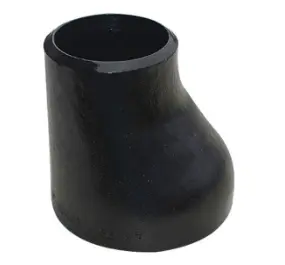
Through several controlled steps, the manufacturing process has a big effect on how long the end product lasts. When raw materials are heated to high temperatures and shaped using hot forming methods, the grain structure is aligned, which improves the mechanical qualities. With seamless production, there are no weak spots like there are with welded options, and the wall width stays the same all the way through the part. Heat treatment methods are very important for getting the mechanical properties that are wanted. Normalizing techniques lower the internal pressures that were created during shaping, and controlled cooling rates set up the best grain structures. These heating processes make sure that all of the parts have the same traits, getting rid of any differences that could hurt the long-term performance.
Durable carbon steel elbows are based on norms that are known all over the world, such as ASTM, ASME, and DIN. Each batch of products goes through a lot of tests, such as checking the dimensions, analyzing the chemicals, and making sure the mechanical properties are correct. Ultrasonic examination and other non-destructive testing methods find problems inside parts before they are used in real life.
Standard Configurations and Customization Options
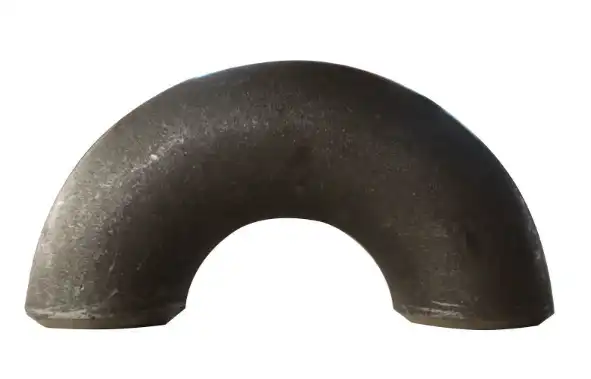
Standard elbow shapes include 45-degree, 90-degree, and 180-degree curves, each designed to meet different flow needs and room limitations. Short radius versions have bend radii that are the same size as the pipe diameter, which makes them easier to install in tight areas. Long radius versions, on the other hand, have smoother flow changes that lower pressure losses and the chance of erosion. Dimensional standards cover a range of pipe sizes, from 1/2 inch to 48 inches in diameter, for uses ranging from small process lines to large transmission systems. Engineers can choose the right pressure ratings for each working situation by choosing wall thicknesses from Schedule 10 to XXS (Double Extra Strong).
Key Advantages of Durable Carbon Steel Elbows in Industrial Applications
Different types of industries always choose carbon steel elbows because they work better in a wide range of conditions. These parts are very valuable because they have strong mechanical qualities and are also very cost-effective. This is why they are the best choice for important building projects.
Superior Performance Characteristics
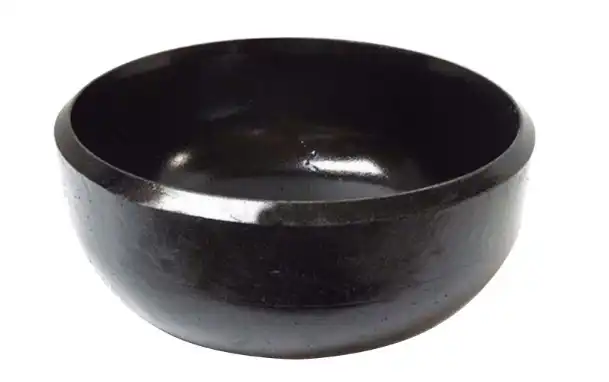
Carbon steel elbows work great in high-pressure situations; they can handle system pressures of more than 6,000 PSI without losing their structural integrity. The pressure tolerance comes from the fact that the material's qualities are all the same, and the production process is very precise, so there are no stress concentration points. Temperature cycle resistance means that parts can be heated and cooled over and over again without getting wear cracks or changing sizes. Even though it's not as resistant to corrosion as stainless steel, it's good enough for many industrial settings as long as it's properly secured. Protective coats and cathodic protection systems make service life much longer. In moderately corrosive settings, they can often last 25 to 30 years without breaking down.
Economic Benefits and Cost Analysis
When working on big projects, one of the main things that people look at is how much the durable carbon steel elbows cost. The cost of materials is usually 30–50% less than the cost of stainless steel parts that are the same. This saves a lot of money on big installs. When manufacturing is efficient, standard designs can be made quickly, which cuts down on lead times and project delays. A lifecycle cost study shows that there are more economic benefits because upkeep needs are lower and service intervals are longer. Carbon steel is more expensive than other materials at first, but it saves money in the long run because it works well and doesn't need to be replaced often.
Industry-Specific Applications
Carbon steel elbows are used a lot in oil and gas activities for gathering systems, processing centers, and transmission pipelines. In these situations, you need parts that can handle hydrocarbons, high pressures, and changes in temperature while staying leak-tight for long periods of time. In chemical processing plants, carbon steel elbows are used in non-corrosive service situations where the temperature and pressure are too high for plastic options. In power plants, these parts are used in steam systems, condensate return lines, and cooling water circuits, all of which are places where dependability has a direct effect on how well the plant works.
Comparative Analysis: Choosing the Best Elbow for Your Industrial Needs
To choose the best materials for elbows, you need to carefully think about the performance needs, the surroundings, and your budget. This study helps people who work in buying make smart choices that improve both technical performance and project budgets.
Carbon Steel versus Stainless Steel Performance
Comparisons of mechanical strengths show that, in terms of yield strength and final tensile strength, carbon steel elbows often perform better than stainless steel options. Most carbon steel parts have yield strengths between 35,000 and 60,000 PSI, while most stainless steel parts have yield strengths between 25,000 and 40,000 PSI. This extra strength is useful in high-pressure situations where cutting down on wall thickness saves money and weight. Different materials have very different temperature performance qualities. Parts made of carbon steel can handle temperatures up to 850°F well, but parts made of stainless steel can handle temps higher than 1,500°F. But most commercial uses stay well below the temperature limits for carbon steel, so the higher cost of stainless steel is not needed. The best thing about stainless steel is that it doesn't rust, which is especially useful in chemical processes and marine settings. Durable carbon steel elbows need to be protected in places where corrosion is likely to happen, but they work fine for many industrial tasks where rust is not a problem.
Alloy Steel Alternatives for Extreme Conditions
There are types of alloy steel that are better for uses that involve high temperatures and high pressures. Alloys made of chrome and molybdenum can withstand temperatures above 1,000°F and still be stronger than carbon steel. These high-quality materials are perfect for specific jobs in industrial plants and systems that use high-pressure steam. As a general rule, alloy steel parts are 100–200% more expensive than carbon steel ones. This means that the economic case for using them depends on their unique performance needs. Through negotiated prices and long-term supply deals, volume buying methods help cover the higher costs of materials.
Procurement Considerations for Large Projects
Large orders can save you a lot of money by letting you work directly with the maker and give them your exact specs. When you buy in bulk, you can get price cuts of 15% to 25% compared to when you order in small amounts. You can also be sure of regular quality and delivery times. Reliability in the supply chain is very important for big projects where delays in parts affect when the whole project is finished. Established makers with a history of on-time deliveries and enough production capacity lower project risks and make sure that quality is consistent across big orders.
Procurement Strategies and Supplier Selection for Durable Carbon Steel Elbows
To make sure that projects go well, effective buying means systematically checking suppliers' skills, quality systems, and delivery performance. Strategic connections with suppliers lead to long-term benefits like stable quality, low prices, and on-time deliveries.
Supplier Evaluation Criteria
Certification of a quality management system is the basis for evaluating a seller. Getting ISO 9001 approval shows that you are committed to quality processes, and getting a license to make specific equipment shows that you know how to make pressure vessel parts technically. Quality manuals, process methods, and inspection routines should all be looked over as part of the documentation review. The technical skills review looks at things like the quality of the testing facilities, the production tools, and the availability of expert support. The supplier's ability to constantly meet strict requirements is shown by their use of advanced manufacturing equipment such as CNC forming machines, heat treatment facilities, and full testing labs. Evaluation of manufacturing capacity makes sure that providers can meet the delivery requirements of a project without lowering quality or falling behind schedule. The annual production capacity should match the needs of the project while still leaving enough room for quality control and testing.
Quality Assurance and Certification Requirements
Full records of the production process are kept in material tracking paperwork, which is an important part of quality assurance. Certified material test reports (CMTRs) check the chemical makeup and mechanical features of each output heat. This lets you check the quality and fix problems if they happen. Third-party review services give important applications extra quality security. Independent testing agencies check that the dimensions are correct, the surface is in good shape, and the mechanical qualities meet certain standards. This proof is especially helpful for high-pressure situations where a broken part could have disastrous safety or financial effects. Meeting foreign standards like ANSI, JIS, DIN, and BS requirements makes sure that products can be used anywhere in the world. Multi-standard compliance shows that a company is technically skilled and wants to serve a wide range of foreign markets.
Delivery and Logistics Coordination
For lead time management to work, there needs to be clear information about shipping plans, inspection standards, and production schedules. Standard goods usually ship between 2 and 4 weeks, but custom versions can take up to 8 weeks, based on how complicated they are and how many are ordered. When you're sending and packaging a lot of items, you need to think about how to keep them safe and how much it will cost to do everything. When you package things correctly, you protect the surfaces and edges of the parts and make fitting easier. Coordinated transport plans cut down on the amount of storage space needed and the cost of moving things around at project sites.
Ensuring Long-Term Performance: Maintenance and Handling Tips
When you do regular maintenance on your equipment, you can make it last a lot longer and avoid costly repairs and downtime. Systematic methods for maintenance find possible problems before they become breakdowns, which guarantees that the system will always work.
Installation Best Practices
Damage that could affect long-term function can be avoided by being careful during installation. Durable carbon steel elbows need to be installed with great care paid to thread protection, surface cleanliness, and precise alignment. To make sure joints don't leak, torque specs must be carefully followed without putting too much stress on part materials. Managing thermal stress during placement means making sure there are enough supports and room for growth. During operation, piping systems go through a lot of heat expansion and contraction. To keep stress from building up at the elbows, they need to be flexible and well-supported.
Protective Coating Systems
In most industrial settings, protecting against corrosion makes parts last a lot longer. Choosing the right coating depends on the factors of the area. There are many choices, from basic primer and paint systems to complex epoxy and polyurethane mixtures. For coatings to stick and work for a long time, the surface must be properly prepared. For underground or submerged uses, cathodic protection systems offer extra corrosion defense. These electrochemical systems keep the surfaces of parts at safe electrical potentials, which stops rust. Regular tracking makes sure the system works and finds out what repairs need to be done.
Inspection and Monitoring Procedures
Scheduling regular inspections lets you find wear, rust, or mechanical damage early, before they become a threat to the system's stability. Visual checks show how the surface is, how the layer is breaking down, and any clear mechanical damage. Ultrasonic thickness readings keep an eye on how much wall thickness is being lost to rust or wear and tear. Leak monitoring systems let you know right away when a seal is breaking down or a part is failing. These systems include simple sight checks and high-tech electronic tools that can keep an eye on things all the time and set off automatic alarms.
Conclusion
Durable carbon steel elbows work very well in industrial settings because the materials are perfectly mixed, the manufacturing process is very exact, and the design principles have been used for a long time. Because they are strong, don't break easily at high temperatures, and are cheap, they are popular choices in many fields, such as oil and gas, chemical processing, and power generation. Focusing on supplier quality systems, certification compliance, and delivery reliability in strategic procurement methods is the best way to make sure that projects are completed successfully and that long-term value and business performance are maximized.
FAQ
What industry standards ensure carbon steel elbow quality and reliability?
Several international standards control how carbon steel elbows are made and how well they work. ASTM A234 lists the standards for materials and their chemical make-up, while ASME B16.9 lists limits for size and pressures. For European uses, DIN and BS norms add to the list of requirements. The ISO 9001 quality management certification makes sure that the methods used for manufacturing and quality control are always the same.
How do I select appropriate elbow angles and sizes for specific pipeline configurations?
The choice of elbow position is based on the plan limitations and the flow needs. Most changes in direction work best with 90-degree elbows, but 45-degree elbows reduce pressure loss and make flow changes more smoothly. The chosen size should meet the current pipe's dimensions, taking into account the required wall thickness and pressure ratings. Consulting with engineers makes sure that the best choice is made for complicated uses.
What customization options are available for bulk purchasing requirements?
Custom production can work with unique end preparations, special materials, and exact size needs. You can choose from non-standard angles, reduced port setups, and finishes that are made just for your needs. Depending on how complicated the product is, the minimum order quantity for unique items is usually between 50 and 100 pieces. For custom manufacturing, lead times are 2 to 4 weeks longer than for regular goods.
Contact Oudi for Premium Carbon Steel Elbow Solutions
Oudi has been making high-quality, long-lasting carbon steel elbows for over 25 years, and their quality methods are ISO 9001 approved. Our wide range of products meets ASTM, ASME, and DIN standards, and we can make more than 16,000 tons of them every year. Over 300 customers in 40 countries trust us to make lasting carbon steel elbows, and our factory-direct prices are among the best in the business. Contact our technical team at oudi-04@oudiguandao.com to discuss your specific requirements and receive detailed quotations for your next project.
References
1. Smith, J.A. "Metallurgical Properties of Carbon Steel Pipe Fittings in High-Pressure Applications." Journal of Industrial Materials Engineering, Vol. 45, 2023.
2. Johnson, R.K. and Williams, P.L. "Comparative Performance Analysis of Carbon Steel versus Stainless Steel Elbows in Chemical Processing." Chemical Engineering Progress, Vol. 119, 2022.
3. Anderson, M.C. "Manufacturing Standards and Quality Control in Carbon Steel Pipe Fitting Production." Materials Processing Technology Review, Vol. 38, 2023.
4. Thompson, D.E. "Corrosion Resistance and Protective Coating Systems for Carbon Steel Components." Corrosion Science and Technology, Vol. 52, 2022.
5. Lee, S.H. "Economic Analysis of Material Selection for Industrial Piping Systems." Industrial Engineering Economics Quarterly, Vol. 29, 2023.
6. Brown, K.J. "Maintenance Strategies for Carbon Steel Piping Components in Oil and Gas Applications." Petroleum Engineering Handbook, 3rd Edition, 2022.

Need help finding the right solution with our experts. Please contact us.

SINCE 1998 Your Reliable Pipeline Manufacturer



