What Makes China a Leading Carbon Steel Elbow Supplier Worldwide?
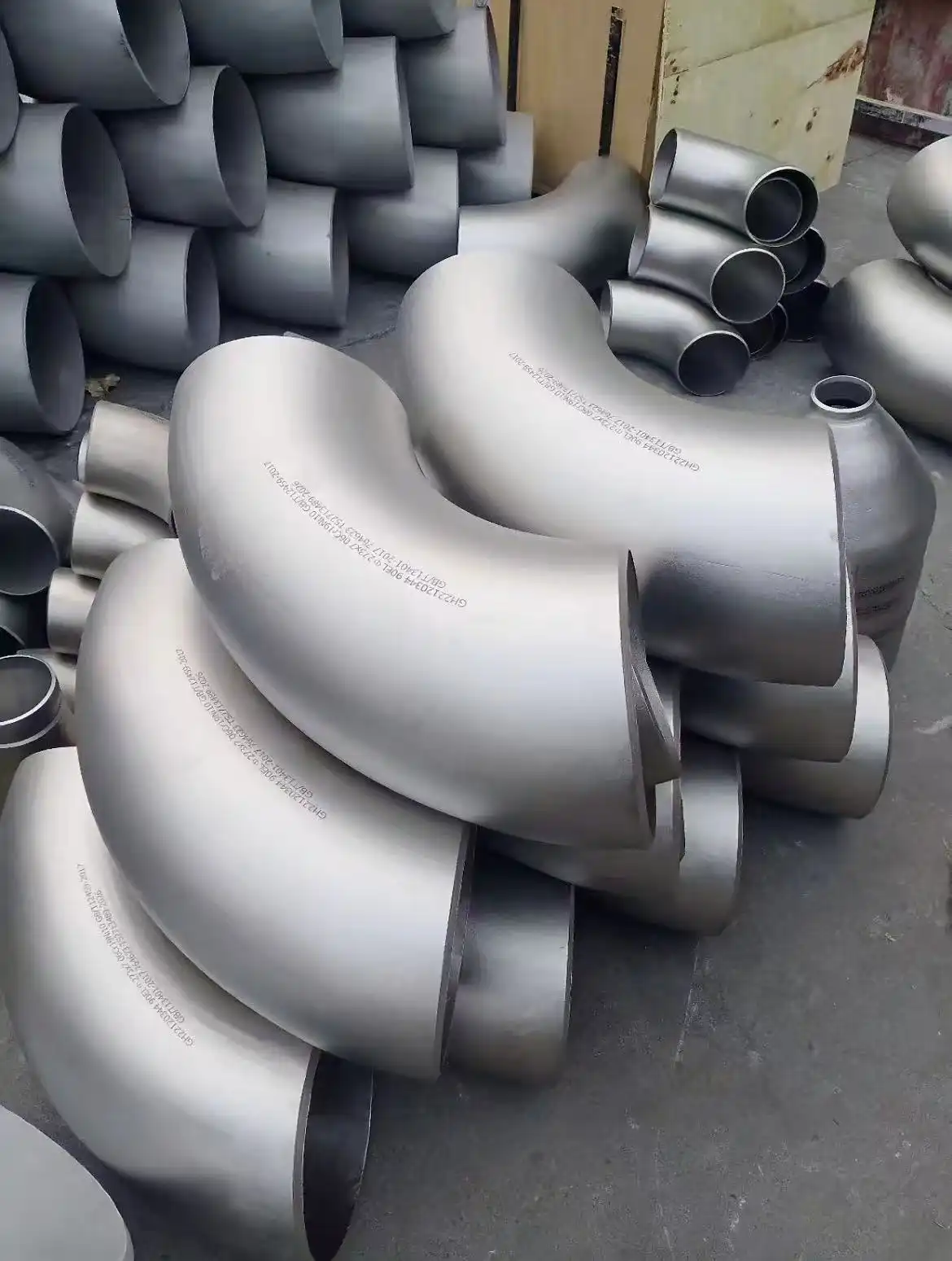
China has become an important sourcing market for industrial piping components, and carbon steel elbows are a good example of this development. These fittings are frequently utilized in oil and gas pipelines, petrochemical plants, power plants, water treatment systems, building projects, and general industrial pipes. It may seem easy, since an elbow just alters the direction of a pipe, but the manufacturing requirements for a good fitting can be difficult. Material grade, wall thickness, dimensional tolerances, forming process, heat treatment, end preparation, testing, and relevant standards all affect whether an elbow is acceptable for a specific pipe system. China’s prominence in this market is not due to one cause only. The solid supply base for pipe fittings is underpinned by a substantial local steel industry, proven metalworking skills, broad industrial infrastructure, low production prices, and access to international logistics. Meanwhile, many manufacturers have expertise in working with foreign clients and project requirements. For purchasers, however, the main consideration isn't whether a fitting is produced in China. The most pertinent consideration is the reliability of a certain Chinese supplier to supply the necessary material, dimensions, paperwork, quality control, and delivery performance.
Why Chinese Manufacturers Have Built a Strong Carbon Steel Elbow Industry?
A Mature Steel and Metalworking Supply Base
Its largest advantage: the richness of China’s industrial ecosystem. Carbon steel elbows are more than the facility that makes the fitting. At the end of the day the supply chain is made up of steel producers, forging shops, forming equipment makers, machining firms, heat-treating companies, testing labs, packaging companies, and shipping suppliers.
With supporting industries clustered together, procurement may be more efficient. A good manufacturer can get the right raw materials and manufacturing services without having to develop the whole supply chain themselves. This may also help overseas purchasers with recurrent purchases if the same material quality, dimensions, and production requirements are required over a longer project duration.
The availability of numerous steel grades and manufacturing resources is very advantageous for the industrial projects. Buyers may choose carbon steel materials such as ASTM A234 WPB for wrought fittings according to the application and specification; however, the ultimate material selection is governed by the appropriate product standard, pressure requirements, temperature conditions, and project specifications.
Experience With International Piping Standards
Another reason why Chinese suppliers are competitive in worldwide markets is that they are conversant with international standards. Export-focused producers usually work to standards such as ASME B16.9 for wrought factory-made butt-welding fittings, appropriate ASTM material specifications, and project requirements.
This expertise counts since overseas buying is seldom based on product name alone. The buyer may stipulate nominal pipe size, schedule, elbow angle, radius, material grade, standard, and end preparation and may need inspection papers and traceability. It’s not as simple as a provider making an elbow that looks right; the supplier has to know how these criteria interact.
For example, a 90-degree elbow built for a process pipe project may need to meet the dimensional criteria of the specified standard and the material specifications indicated in the purchase order. This information is verified by the supplier before manufacture, which reduces the dimensional discrepancy and avoids difficulties during installation.
Large-Scale Production Without Losing Specification Control
Thanks to China’s production capabilities, suppliers can manage regular orders and at the same time cater to quite substantial project needs. This may be particularly beneficial for EPC contractors, wholesalers, and industrial purchasers requiring hundreds or thousands of fittings in many pipe diameters.
However, large-scale manufacturing is not always a sign of quality. A trustworthy producer requires proper process control at each step, from incoming material inspection to forming, heat treatment, dimensional inspection, surface examination, marking, and final packing.
Buyers of carbon steel elbows need to be aware of this difference. A big-volume plant with loose inspection practices could entail greater buying risk than a smaller producer with tight quality standards. The actual benefit of China’s size is when you combine its manufacturing capability with consistent process control and traceability.
What Makes Carbon Steel Elbow Quality More Consistent?
Controlled Forming and Heat Treatment
The manufacturing method has a direct impact on the geometry and the mechanical performance of the elbow. Elbows may be made by hot forming, cold forming, forging, or other permitted ways of manufacturing depending on the design and production path of the product. The proper method relies on such criteria as material quality, size, wall thickness, manufacturing needs, and governing norms.
Heat treatment may be a significant step in the production process for certain carbon steel fittings. It may contribute to getting the desired material qualities and also lessen the issues that arise during the forming process. A good provider should be able to explain the production process for a given product and not describe every elbow as if it was made in precisely the same manner.
Procurement teams find it important to know the manufacturing technique while comparing bids. Two vendors may provide elbows with the same nominal dimensions but differing manufacturing routes, inspection methods, or material controls. Such discrepancies might impair consistency, documentation, and acceptability for demanding applications.
Dimensional Inspection Before Shipment
Dimensional correctness is one of the most practical issues when buying pipe elbows. Even if the material is appropriate, an elbow that is not the required outer diameter, center-to-end size, wall thickness, or end preparation might cause installation problems.
Dimensional inspection is a popular quality-control process used by Chinese firms supplying worldwide markets. Depending on specifications, inspections may include essential measurements, thickness of walls, angle, surface quality, and marking.
It is important for project purchasers to seek inspection records or quality documentation matching the real order. This is more significant proof than the blanket assertion that a plant has “strict quality control.
Material Traceability and Inspection Documentation
An experienced provider may also make a difference in the documentation field. Industrial purchasers may require material certifications, inspection reports, heat figures, dimensional records, or other quality documentation, depending on the project.
Material traceability is vital for fittings installed on systems for which engineering teams need to confirm the material grade after delivery. Raw material, manufacturing batch, inspection records, and final fittings should be clearly related to each other by the provider.
Some projects may also need third-party review. Buyers may invoke the services of an independent inspection business to check dimensions, material, marking, quantity, packing, or any other requirements prior to shipping depending upon the terms of the contract. A manufacturer that used to export projects should be able to deal with these inspection procedures, not see them as odd demands.
Why Pricing Is Only One Part of China's Competitive Advantage?
Production Scale Helps Control Manufacturing Costs
Price is certainly important when purchasing carbon steel elbows, but low quotation prices alone do not explain China's competitiveness. Production scale can help manufacturers spread equipment, labor, quality-control, and facility costs across larger output volumes. A developed domestic supply chain can also reduce the need to source every supporting service from distant markets.
For distributors and contractors, these factors can make Chinese products commercially attractive, particularly when a project requires a large quantity of standardized fittings.
At the same time, buyers should compare quotations on an equivalent basis. Material grade, wall thickness, manufacturing standard, elbow radius, testing requirements, packaging, documentation, and delivery terms can all affect the final price. A lower initial quotation may not represent a lower total procurement cost if additional testing, replacement, or documentation is required later.
Flexible Production for Different Project Requirements
Not every project needs the same elbow. One customer may require standard 90-degree long-radius fittings, while another may need 45-degree elbows, short-radius configurations, larger sizes, special wall thicknesses, or project-specific requirements.
The size and diversity of China's manufacturing sector allow many suppliers to serve these different requirements. Some manufacturers focus on standard production, while others have greater experience with customized dimensions and project orders.
This flexibility is valuable for international buyers because it can reduce the number of separate suppliers involved in a project. When one qualified manufacturer can provide multiple fitting types and sizes under a coordinated quality system, procurement and inspection can become easier to manage.
How China's Supply Chain Supports International Buyers?
Reliable Access to Raw Materials and Components
A strong supply chain is one of the less visible reasons Chinese suppliers remain competitive. Carbon steel elbow production depends on reliable access to suitable steel materials, forming equipment, machining services, heat treatment, inspection resources, packaging materials, and transportation.
Having these resources within a large industrial manufacturing network can help suppliers respond to changing order requirements. It may also reduce delays caused by shortages of supporting services.
For buyers, this does not mean every Chinese factory has the same supply-chain strength. Supplier evaluation is still necessary. Asking where the material comes from, how material identification is maintained, and which production and inspection processes are handled internally can provide a clearer picture of manufacturing capability.
Established Export and Logistics Infrastructure
China's extensive transportation infrastructure also supports its role as a major industrial exporter. Manufacturers can use established domestic transportation networks to move fittings from factories to ports, while international freight services provide access to customers in different regions.
For overseas buyers, logistics performance becomes particularly important when carbon steel elbows are needed for a construction schedule or shutdown project. A supplier may offer an attractive product price, but the commercial value decreases if production or shipping delays affect installation.
This is why experienced procurement teams normally evaluate lead time, packaging, shipping arrangements, and communication together with the product quotation. Properly protected fittings, clear markings, accurate packing lists, and complete shipping documents can all contribute to a smoother delivery process.
What Should Buyers Check Before Choosing a Chinese Supplier?
Confirm the Applicable Standard and Material Grade
The first step should be to define exactly what the project requires. Buyers should confirm the applicable product standard, material specification, nominal size, wall thickness or schedule, elbow angle, radius, end preparation, and any additional inspection requirements before comparing suppliers.
For example, specifying “carbon steel elbow” is not enough for a technical purchase order. A manufacturer needs sufficient information to understand which product should actually be produced. Clear specifications also make supplier quotations easier to compare because each company is pricing the same technical requirement.
Evaluate Manufacturing and Quality-Control Capability
A supplier's factory capability should be evaluated alongside its product catalog. Buyers can ask about manufacturing equipment, production processes, inspection equipment, testing capabilities, material traceability, and quality documentation.
Factory experience with similar products is also valuable. A supplier that regularly manufactures fittings for oil and gas, petrochemical, power, or other demanding industrial applications may already understand the documentation and inspection expectations associated with these projects.
Where necessary, buyers can request samples, inspection reports, or material certificates or arrange third-party inspections. These steps provide stronger evidence of capability than marketing statements alone.
Consider Communication and After-Sales Support
International procurement involves more than manufacturing. Technical clarification, drawing confirmation, order updates, inspection coordination, packaging instructions, and shipping documents all require communication between the supplier and buyer.
A responsive supplier can identify specification conflicts before production instead of waiting until the goods are ready for shipment. This can be especially important when a project has unusual dimensions or strict documentation requirements.
Long-term cooperation also depends on how a supplier handles problems. If a dimensional issue or documentation discrepancy occurs, the manufacturer's willingness and ability to investigate the cause and provide a practical solution can have a significant impact on the buyer's overall experience.
Conclusion
China has become a leading source of carbon steel elbows because its competitiveness comes from a combination of manufacturing scale, steel-industry depth, technical experience, supply-chain efficiency, and international logistics. These advantages allow qualified Chinese manufacturers to serve both standard fitting requirements and more demanding industrial projects.
For international buyers, however, the value of sourcing from China should not be measured by price alone. The right supplier should be able to demonstrate control over material selection, forming and heat-treatment processes, dimensional accuracy, inspection, traceability, documentation, and delivery. International standards and project specifications should also be confirmed before production rather than treated as general marketing claims.
When these factors are evaluated together, Chinese manufacturers can offer a practical sourcing option for contractors, distributors, engineering companies, and industrial buyers around the world. The key is to choose a supplier whose actual manufacturing and quality-control capabilities match the technical requirements of the project, allowing the buyer to benefit from China's manufacturing advantages without compromising reliability or compliance. For more information on sourcing carbon steel elbows from China, please contact us at oudi-04@oudiguandao.com.
FAQ
1. What are the main advantages of sourcing carbon steel elbows from China?
The main advantages include advanced manufacturing technology, extensive industry experience, and competitive pricing.
2. How do Chinese suppliers ensure the quality of their carbon steel elbows?
Chinese suppliers adhere to international standards, obtain certifications like ISO 9001, and implement strict quality control measures.
3. What sizes of carbon steel elbows are available from Chinese manufacturers?
Chinese manufacturers typically offer carbon steel elbows ranging from 1/2" to 48" in size.
4. How do Chinese suppliers manage global distribution of carbon steel elbows?
They utilize efficient supply chain management, extensive global logistics networks, and strategic inventory practices.
References
1. Zhang, L., & Wang, X. (2020). The Rise of China's Manufacturing Industry: A Case Study of the Steel Sector. International Journal of Industrial Economics, 45(3), 267-285.
2. Chen, H., & Liu, Y. (2019). Quality Control Practices in Chinese Manufacturing: Focus on Carbon Steel Products. Journal of Quality Management, 22(2), 156-172.
3. Li, W., et al. (2021). Global Supply Chain Dynamics: China's Role in the Carbon Steel Fittings Market. Supply Chain Management Review, 15(4), 78-92.
4. Wang, J., & Smith, R. (2018). Technological Advancements in Chinese Steel Manufacturing: Implications for Global Markets. Technology in Society, 53, 134-148.
5. Brown, A., & Johnson, T. (2022). Comparative Analysis of Carbon Steel Elbow Suppliers: China's Competitive Edge. International Journal of Industrial Engineering, 37(1), 45-61.
6. Liu, Z., & Thompson, E. (2020). Customer-Centric Approaches in Chinese Manufacturing: A Study of the Carbon Steel Fittings Industry. Journal of Business Strategy, 41(3), 212-228.

Need help finding the right solution with our experts. Please contact us.

SINCE 1998 Your Reliable Pipeline Manufacturer



