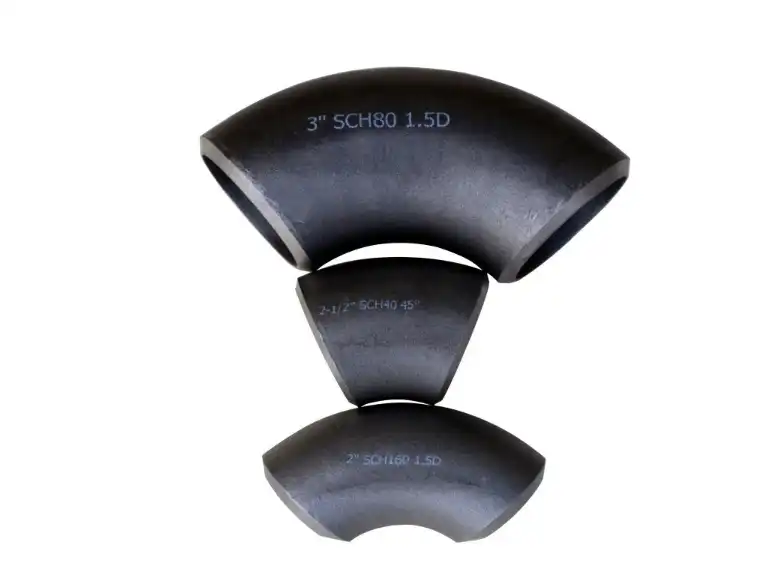
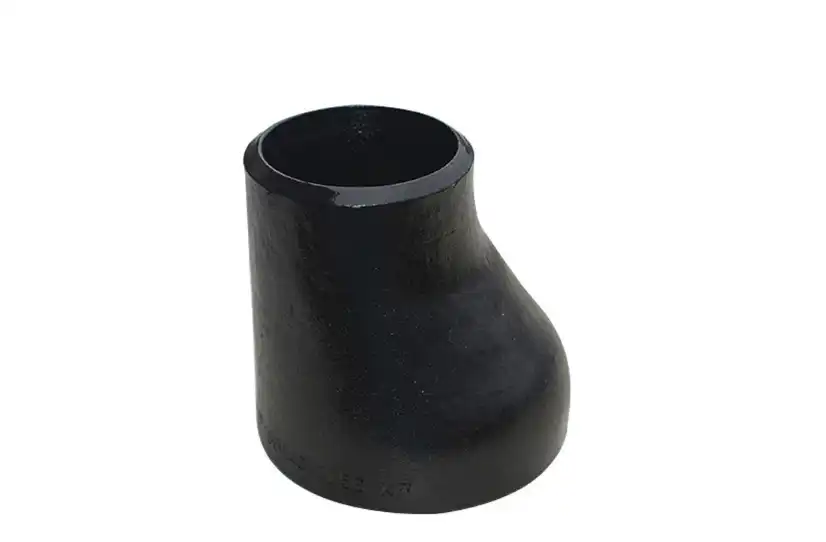
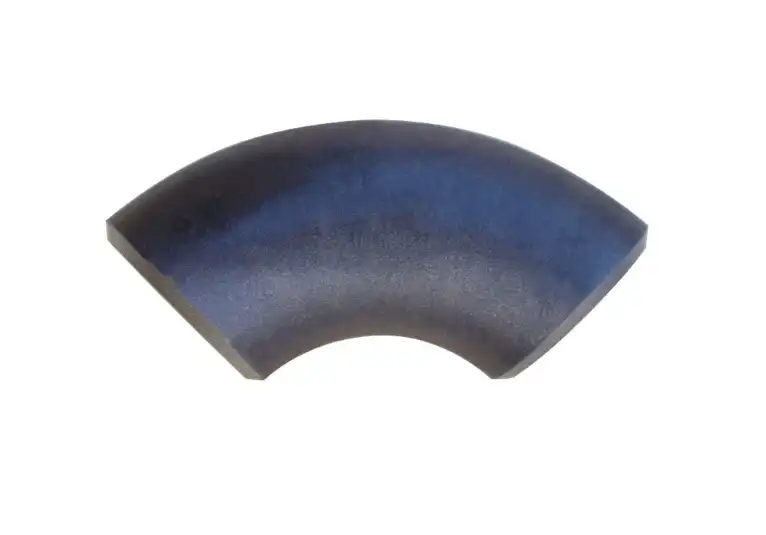
What Should Buyers Check Before Ordering a BW Carbon Steel Cap?
Buying a BW Carbon Steel Cap seems easy, but one tiny mistake in specification might delay a pipeline project or ruin a joint. Cangzhou Oudi Pipe Manufacture Co., Ltd. has been supplying Carbon Steel Fittings since 1998, and we know what inspections save customers the most time and money. This tutorial takes you through materials and standards, measurements and weld preparation, and supplier quality control. Follow these instructions, and you’ll be able to order with confidence.
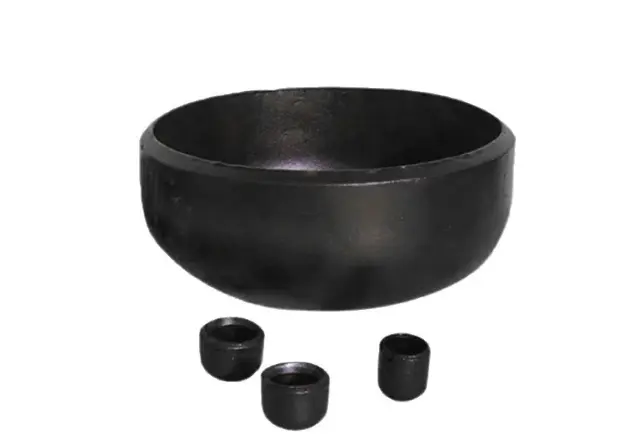
What Material and Standards Should You Confirm First?
Material and standards form the foundation of every purchase, so start here before comparing prices.
Which Material Grade Matches Your Pipeline?
BW Carbon Steel Cap is commonly constructed from grades like ASTM A234 WPB, which is fit for a wide range of uses in petroleum, natural gas, chemical, and water conservancy systems. Be sure the grade is suitable for your operating temperature and pressure and for the fluid in your line. Our factory also makes fittings in stainless and alloy steel, so if your project calls for a different material, we can put you on the proper track.
Which Standard Applies to Your Project?
Pipe fittings are made to various specifications depending on the market. We manufacture American, Japanese, German, and British standard items so your BW Carbon Steel Cap may be matched to the plans your engineers have previously authorized. Please confirm the standard, wall thickness schedule, and pressure rating on your PO, as this will impact the fit of the cap to existing pipes. The main things to confirm are shown in the table below.
| Item | What to Confirm |
|---|---|
| Material grade | ASTM A234 WPB or other required grade |
| Standard | ASME, JIS, DIN, or BS |
| Schedule | Wall thickness matching the pipe |
| Pressure rating | Suitable for service conditions |
How Do You Verify Dimensions and Butt Weld Preparation?
Once material is settled, check geometry, because a cap that fits poorly creates costly rework on site.
What Size and Wall Thickness Should You Check?
Select the pipe to be closed with a BW Carbon Steel Cap by nominal pipe size and schedule. It should match your usual outer diameter, overall length, and wall thickness. A cap with proper wall thickness provides an equal distribution of pressure and a neat transition at the weld. If your project has special needs, request a dimensioned drawing, and we will produce it for your consideration.
Are the Weld Ends Properly Beveled?
BW Carbon Steel Cap – BW here means butt weld; therefore, bevel angle and root face are important. A properly prepared end enables deep penetration welding and a robust, leak-tight union. Look for smooth and even bevels since good preparation accelerates installation and enhances weld quality. The checks are summarized in the table below.
| Dimension | Why It Matters |
|---|---|
| Outside diameter | Ensures alignment with pipe |
| Wall thickness | Supports pressure and weld fit |
| Bevel angle | Allows full penetration welding |
| Overall length | Fits system layout |
How Can You Evaluate Supplier Quality Control and Service?
Even a perfect specification depends on a dependable manufacturer, so assess the supplier as carefully as the product.
Which Certifications and Tests Should Back the Product?
Check for the quality management certification and appropriate production license of the supplier. Our organization has ISO 9001 certification and a People’s Republic of China special equipment production license. We have complete inspection systems from the admission of raw material to completed items with nondestructive fault detection. Request material test records so that each BW Carbon Steel Cap you get may be tracked back to its origin.
How Strong Are Production Capacity and Global Service?
Your timetable is subject to capacity and logistics. We generate roughly 16,000 tons per year from our 66,600 square meter plant, located near Tianjin Port for easy transportation. We have handled more than 300 clients in over 40 countries and know the requirements for export documents and packaging. With this knowledge, the supplier ensures your BW Carbon Steel Cap order is delivered in excellent shape and on schedule.
Conclusion
Before placing an order for a BW Carbon Steel Cap, validate the material grade and standard, review dimensions and weld bevels, and choose a supplier with demonstrated quality control and export expertise. Thorough inspections help keep your pipeline project on budget by minimizing delays and protecting weld integrity. Cangzhou Oudi Pipe Manufacture Co., Ltd. offers the production power, certifications, and service to fulfill your next order. Look over your specs immediately and choose a company that is dedicated to quality and long-term partnership.
FAQ
1. What material is commonly used for a BW Carbon Steel Cap?
ASTM A234 WPB is a common choice for general piping systems.
2. Which standards do you supply?
We supply American, Japanese, German, and British standard fittings.
3. What quality certifications does your company hold?
We are ISO 9001 certified and hold the Chinese special equipment manufacturing license.
4. Do you inspect products before shipment?
Yes, we apply full inspection and non-destructive flaw detection.
5. Which industries use your caps?
Petroleum, chemical, natural gas, water conservancy, construction, shipbuilding, and power.
Request Your BW Carbon Steel Cap Quote Today
Ready to order with confidence? Send your specifications, drawings, and quantity requirements for BW Carbon Steel Cap to Cangzhou Oudi Pipe Manufacture Co., Ltd., and our team will respond promptly with a tailored quotation for pipe fittings at oudi-04@oudiguandao.com today. Let us work hand in hand to deliver quality fittings, reasonable prices, and dependable service for your next project. Together, we can build a brilliant tomorrow.
References
1. ASME B16.9-2018. Factory-Made Wrought Buttwelding Fittings. American Society of Mechanical Engineers.
2. ASTM A234/A234M-19. Standard Specification for Piping Fittings of Wrought Carbon Steel and Alloy Steel for Moderate and High Temperature Service. ASTM International.
3. ASME B31.3-2020. Process Piping. American Society of Mechanical Engineers.
4. ISO 9001:2015. Quality Management Systems — Requirements. International Organization for Standardization.
5. Nayyar, M. L. (2000). Piping Handbook (7th ed.). McGraw-Hill.
6. Smith, P. (2007). Piping and Pipeline Engineering: Design, Construction, Maintenance, Integrity, and Repair. CRC Press.

Need help finding the right solution with our experts. Please contact us.
SINCE 1998 Your Reliable Pipeline Manufacturer