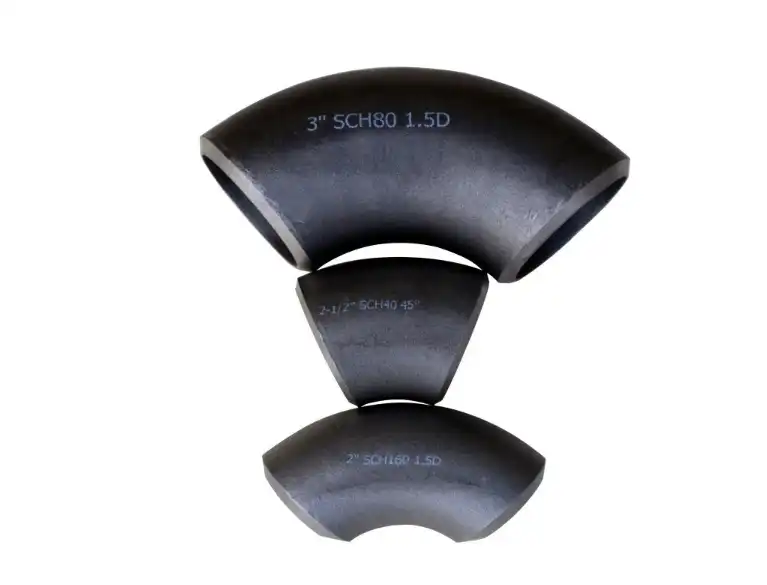
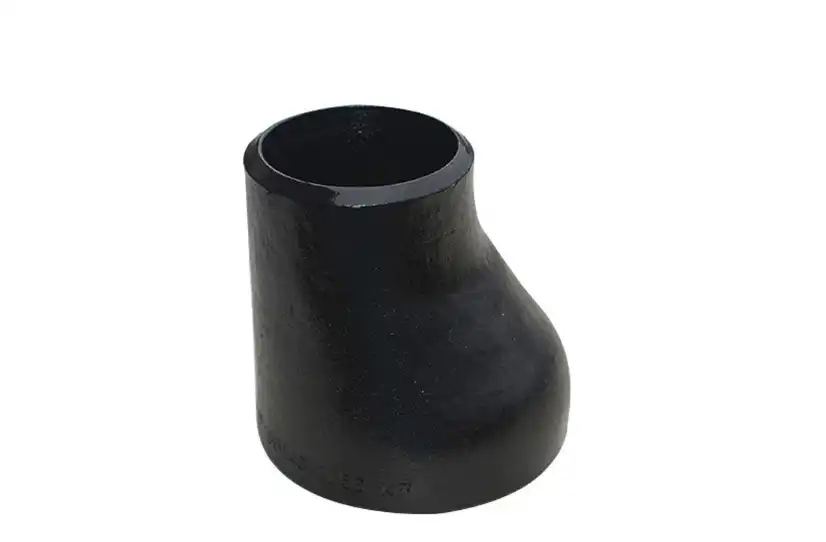
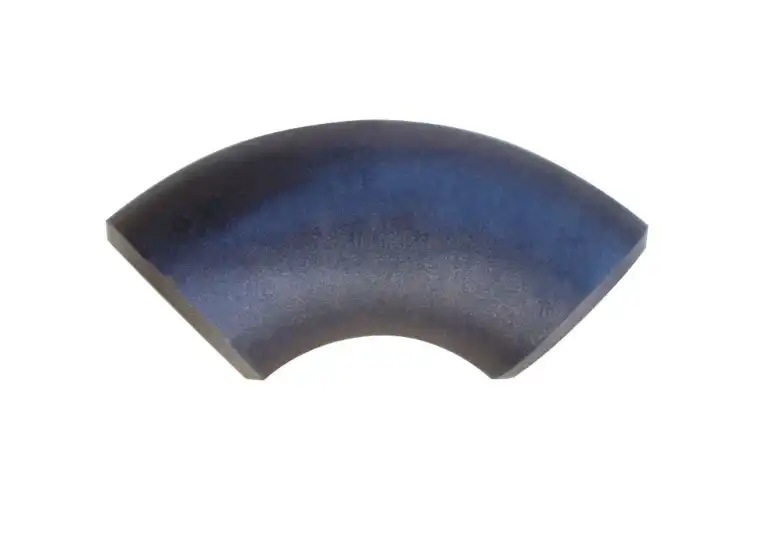
Where Are Corrosion-resistant carbon steel elbow Used?
Corrosion-resistant carbon steel elbows are a crucial component in many demanding industrial piping systems. From directing high-pressure steam in a power plant to diverting corrosive chemicals in a refinery, these Corrosion-resistant carbon steel elbow fittings are built to resist the most extreme circumstances without sacrificing system integrity. Since 1998, Oudi has been producing and distributing these finely manufactured fittings to more than 300 clients in over 40 countries. This book is designed for procurement managers, engineers and distributors, and it features real-world applications, material comparisons and selection criteria to help you make confident, cost-effective judgments.
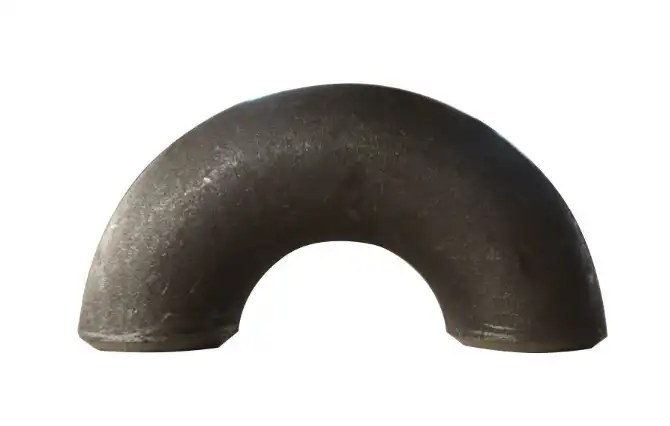
What Exactly Are Corrosion-Resistant Carbon Steel Elbows?
Corrosion-resistant carbon steel elbows are constructed from carbon steel with alloying elements like chromium, molybdenum, or manganese and also with preventive surface treatments to stop pitting, crevice corrosion, and oxidation. Typical grades are ASTM A234 WPB for general use and WP11/WP22 for improved temperature alloy services.
These grades are in accordance with the international standards like ANSI, DIN, JIS, and BS, making them suitable for use on a global basis for project needs. Design variations are offered with bend angles of 45°, 90°, and 180° in both short radius (SR) and long radius (LR).
High-velocity fluid systems benefit greatly from long-radius elbows since they produce reduced turbulence and pressure drop. Short radius elbows (bending radius equal to the pipe diameter) are used for tight spacing installations such as oil refineries and water treatment plants. The usual connectors are butt-welding, socket welding, and threaded ends. They all may be used for different pressure ratings and installation scenarios.
Where Are Corrosion-Resistant Carbon Steel Elbows Actually Used?
The application range is broader than most buyers expect. Here are the core industries where these fittings deliver measurable value:
- Oil & Gas Pipelines: Crude oil, natural gas, and drilling fluids delivered by onshore collecting lines and offshore subsea systems are quite hostile to exposed carbon steel. ASTM A234 WP11 certified corrosion-resistant elbows can tolerate H2S- and CO2-laden flows without quick wall weakening. And it instantly translates into fewer surprise shutdowns and less frequent inspections of assets far away.
- Chemical and Petrochemical Plants: Aggressive acids, solvents, and caustic media are conveyed in pipe networks at high temperatures. Alloy-reinforced elbows with external epoxy or FBE coatings withstand chemical attack and heat cycling, so there is no danger of a catastrophic leak producing environmental and safety problems.
- Power Generation & Boiler Systems: In high-pressure steam lines above 400°C, fittings are necessary to provide mechanical strength and oxidation resistance at the same time. In coal-fuelled and combined-cycle power plants, where creep resistance is not optional, WP22 (2.25Cr-1Mo) elbows are the default choice.
- Desalination and Water Treatment Plants The chloride-rich feed water, particularly in coastal desalination facilities, promotes the pitting corrosion of the exposed carbon steel at a faster pace. Elbows that are alloyed or coated will extend service intervals and reduce the quantity of chemical inhibitor needed to maintain the system.
- Construction, shipbuilding, and HVAC Marine environments and large commercial HVAC networks are subject to dampness, salt air, and mixed fluid streams on fittings. Carbon steel elbows are either epoxy-coated or galvanized for an inexpensive protective coating without the premium expense of pure stainless steel.
These advantages contribute to lower lifetime maintenance costs and ongoing output in all the above-stated areas.
How Do Corrosion-Resistant Carbon Steel Elbows Compare with Other Materials?
Selecting the appropriate elbow material starts with understanding how each kind will perform in your individual service conditions. A Corrosion-resistant carbon steel elbow can be a practical option where durability and resistance to corrosion are important. Below is a realistic comparison in the table:
| Criteria | Corrosion-Resistant Carbon Steel | Stainless Steel (304/316) | Galvanized Carbon Steel |
|---|---|---|---|
| Corrosion Resistance | High (with alloy/coating) | Very High | Moderate |
| Pressure Rating | High | High | Moderate |
| Temperature Range | Up to 600°C (alloy grades) | Up to 870°C | Up to 200°C |
| Unit Cost | Moderate | High | Low |
| Weldability | Excellent | Good | Limited |
| Best Application | Oil, gas, power, chemical | Pharmaceuticals, food | Low-pressure water, HVAC |
Corrosion-resistant carbon steel is a reasonable compromise, since it will outperform galvanized alternatives in high-pressure, high-temperature duty, but at a fraction of the cost of stainless steel. This balances to the best total cost of ownership for most industrial applications, notably oil, gas, and chemical processing, during a 20-30 year asset life.
How Do You Maximize the Lifespan of These Elbows?
What Are the Most Common Corrosion Failure Modes?
Galvanic corrosion happens when two dissimilar metals come into contact in an electrolyte environment. Pitting corrosion occurs in stagnation zones where chloride concentrations build. Both failure types are enhanced at high temperature and in systems with periodic flow.
What Inspection Methods Should Maintenance Teams Use?
For carbon steel elbows, the best NDT procedures are ultrasonic thickness measurement and magnetic particle inspection (MPI). It is industry customary to carry out baseline inspections at commissioning and follow-up assessments every 2-4 years, depending on fluid aggressiveness, operational pressure, and flow velocity. Oudi products are built to quality with complete inspection from raw material entry to completed goods export, including nondestructive fault identification as a routine procedure – so the fittings you get already have a recorded quality baseline.
What Should Procurement Teams Prioritize When Sourcing?
A reliable provider of corrosion-resistant carbon steel elbows must have a quality management system ISO 9001 certified. If the elbows are pressure-containing equipment to be sold in a controlled market, a particular license to manufacture equipment is required. ASTM, ANSI, DIN, JIS, and BS standards guarantee worldwide project dimensions interchangeability and material traceability. Oudi was early on in our operating history ISO 9001:2000 certified, and holds the PRC Special Equipment Manufacturing License. We are a self-managed import and export authority, which means we manage paperwork, compliance, and logistics ourselves, taking third-party risks out of your supply chain.
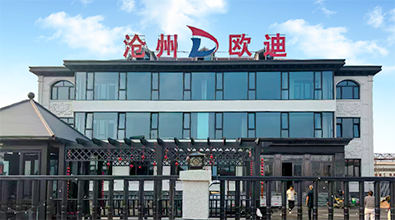
Oudi has an annual capacity of 16,000 tons. Its plant occupies 66,600 square meters in Cangzhou, approximately 120 kilometers from Tianjin Port, enabling it to handle large-volume orders without sacrificing delivery timelines. Tianjin’s international cargo infrastructure offers buyers sourcing for EPC projects or stocking distribution warehouses competitive MOQ flexibility and consolidated shipping.
Conclusion
Corrosion-resistant carbon steel elbows are important for oil and gas, chemical processing, power production, water treatment, and maritime building. The choice of the proper grade, angle and the kind of connection significantly affects the system dependability and maintenance costs during the operating life of the asset. Oudi has 25+ years of manufacturing expertise and is ISO 9001 certified. They have a proven export track record in 40+ countries and a 16,000-ton annual capacity. Oudi supplies fittings meeting high international requirements at a fair price. Please get in touch today to discuss the details of your project.
FAQ
Are Corrosion-Resistant Carbon Steel Elbows Suitable for Seawater Service?
They can perform adequately in seawater applications when specified with appropriate external coatings such as FBE or fusion-bonded epoxy, combined with cathodic protection on the broader piping system. For continuous immersion or high-chloride splash zones, consult with a materials engineer to confirm the coating specification and wall thickness allowances before ordering.
What Is the Difference Between a Corrosion-Resistant Elbow and a Coated Elbow?
A corrosion-resistant elbow achieves its protection through the base metal chemistry — alloying elements like chromium or molybdenum that modify how the steel reacts to corrosive media. A coated elbow uses a standard carbon steel substrate with an applied barrier layer. Alloyed elbows offer intrinsic protection even if the surface is scratched; coated elbows depend on coating integrity throughout their service life.
How Often Should Carbon Steel Elbows Be Inspected in Chemical Plant Service?
Most chemical plant operators follow a 2–3 year internal inspection cycle for elbows in aggressive service, supplemented by continuous corrosion coupon monitoring in the process stream. High-velocity or slurry-carrying lines may warrant annual checks given the combined erosion-corrosion mechanism at the bend's extrados.
Get a Quote from Oudi — Trusted Corrosion-Resistant Carbon Steel Elbow Manufacturer Since 1998
Oudi has supplied certified pipe fittings to clients across Europe, North America, the Middle East, and Southeast Asia for over two decades. Our corrosion-resistant carbon steel elbows meet ASTM, ANSI, DIN, JIS, and BS standards, backed by ISO 9001 certification and full nondestructive inspection. Whether you need a bulk order or a custom specification, contact our team directly at oudi-04@oudiguandao.com or visit to explore our complete product range.
References
1. ASTM International. ASTM A234/A234M: Standard Specification for Piping Fittings of Wrought Carbon Steel and Alloy Steel for Moderate and High Temperature Service. ASTM International, 2023.
2. American Petroleum Institute. API 570: Piping Inspection Code — In-Service Inspection, Rating, Repair, and Alteration of Piping Systems. API Publishing Services, 2016.
3. NACE International. NACE SP0169: Control of External Corrosion on Underground or Submerged Metallic Piping Systems. NACE International, 2013.
4. Schweitzer, Philip A. Corrosion Engineering Handbook: Corrosion of Linings and Coatings. CRC Press, 2006.
5. International Organization for Standardization. ISO 9001:2015 Quality Management Systems — Requirements. ISO, 2015.
6. Bosh, J.L., and Tawancy, H.M. "Corrosion Behavior of Carbon and Low-Alloy Steels in Industrial Pipeline Environments." Corrosion Science, Vol. 48, Elsevier, 2006.

Need help finding the right solution with our experts. Please contact us.
SINCE 1998 Your Reliable Pipeline Manufacturer