Where to Buy High-Quality Socket Weld Pipe Tee?
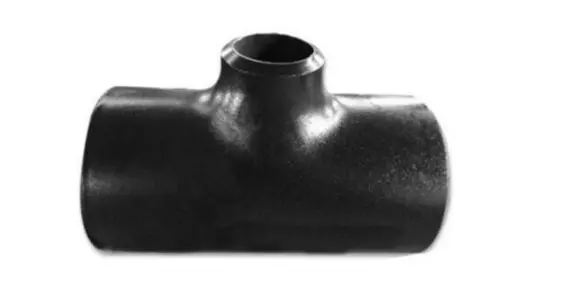
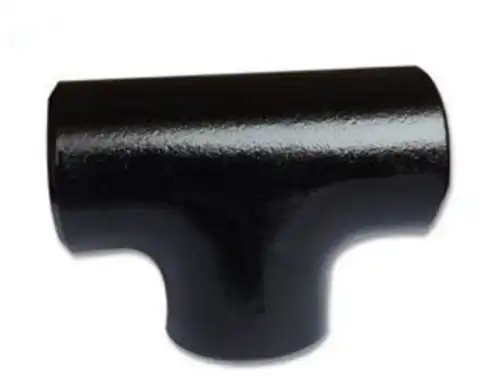
Finding a reliable supplier for Socket Weld Pipe Tees is an important part of getting industrial piping parts. It can have a big effect on the safety and cost-effectiveness of your project. Certified manufacturers, such as Oudi, sell high-quality Socket Weld Pipe Tees directly to customers. Since 1998, Oudi has served over 300 customers in 40 countries. These cast fittings join three pipes together at exact angles. They make leak-proof connections that are necessary in high-pressure systems. If you choose manufacturers with ISO 9001 certification and special equipment manufacturing licenses, you can be sure that they follow ASME B16.11 standards and get good deals on large orders.
Introduction
Socket Weld Pipe Tees are important parts of industrial pipe systems because they connect different parts of the system and keep it together. These forged fittings make branch connections in pipelines that carry acids, high-pressure steam, and other chemicals that break down easily. If they fail, it's not only expensive, it's also dangerous. We know that procurement managers and project engineers are under a lot of pressure to meet strict safety standards while also sticking to tight work dates and budgets.
There is a lot more to choosing where to buy these parts than just price comparison. It includes checking the certifications of suppliers, making sure materials can be tracked, making sure measurements are correct according to ASME B16.11 standards, and making sure quality is the same for all large shipments. One plug hole that is too small or a fitting that hasn't been heat-treated properly can damage an entire pipeline system, causing expensive repairs, project delays, or even worse, catastrophic field failures that put people and operations at risk.
This detailed guide explains the important technical details, how to compare different types of fittings, how to evaluate suppliers, and how to buy things in a way that works for B2B business uses. This resource gives you the information you need to make sure you make good buying choices that protect your project timeline and your company's image, whether you're setting up a new plant, improving power generation equipment, or keeping offshore platforms in good shape.
Comparing Socket Weld Pipe Tee Options for Optimal Procurement
Socket Weld Versus Alternative Connection Methods
Knowing the performance trade-offs between link types helps you make the best choice when looking at fitting options. Threaded tees are easy to install because you don't need to use welding tools, but they can become loose from vibrations and can only handle a certain amount of pressure, usually around 2000 PSI at most. The threads themselves make stress concentration points that break when temperatures change quickly, which happens a lot in steam applications. Butt weld tees are the strongest for large-diameter, high-pressure systems, but they need to be precisely aligned, have the pipe ends bevelled, and be fully penetrated welded, which adds to the time and cost of installation.
When it comes to small-bore applications, Socket Weld Pipe Tees are a good compromise. They get rid of the need for beveling while providing strength similar to butt welds through properly executed fillet welds. The socket design lines the pipe naturally, so installers don't need to be as skilled as they would be if they butt-welded. This makes them especially cost-effective for projects with a lot of small connections, where butt welding would be too expensive, but threaded fittings aren't reliable enough for the conditions of use.
Schedule Rating Selection Considerations
The main things that determine which Schedule 40 or Schedule 80 parts to use are the working pressure and temperature. Schedule 40 is enough for building services, water distribution systems, and low-pressure steam (less than 150 PSI) systems, where saving money is important. The thinner walls save money on materials while still being strong enough for these light-duty uses.
When pressures are higher than 300 PSI, or temperatures are close to 400°C, which is common in process industries, schedule 80 ratings are needed. With thicker walls, there is more protection against pressure spikes, water hammer, and corrosion over the fitting's lifetime. This extra material is especially helpful for chemical plants that work with corrosive media because it stretches the time between replacements and lowers the number of unexpected maintenance shutdowns.
Performance Under Extreme Operating Conditions
Critical systems need parts that have been tested in the worst possible situations. In power plants, fittings that work at high temperatures need to be made of chromium-molybdenum alloy steels that don't change shape even after being exposed to very hot steam for decades. Austenitic stainless steel grades that stay flexible at -196°C are needed for cryogenic service in LNG plants. This keeps the steel from breaking easily, which could cause catastrophic leaks.
When mechanical fatigue threatens the integrity of a connection, vibration resistance becomes very important in compressor stations and pump discharge lines. Socket weld joints' continuous fillet weld spreads stress more evenly than threaded connections' separate contact points. This makes these tough setups last much longer without tiredness.
How to Choose the Right Socket Weld Pipe Tee Supplier
Essential Certification and Quality Verification
Verification of certification is the first step in evaluating a supplier for a Socket Weld Pipe Tee. ISO 9001:2015 certification shows that quality is managed in a planned way, from getting the raw materials to checking the finished product. But you should make sure that the certification only covers forged pipe fittings and not other goods that aren't connected. The People's Republic of China Special Equipment Manufacturing License allows the production of pressure vessels and piping components. This makes sure that the manufacturer meets government safety standards for these important uses.
Quality assurance starts with material tracking paperwork that meets the requirements of EN 10204 3.1. These Material Test Certificates (MTCs) show the chemical makeup that was checked using spectrographic analysis, the mechanical properties that were checked using tensile testing, and the heat treatment history for every production lot. During project checks, this paperwork is very important, and it also protects you legally if a component fails. When a supplier is being qualified, asking for samples of MTCs shows if the maker has good material control systems in place or just makes generic certificates without trying them.
Manufacturing Capability Assessment
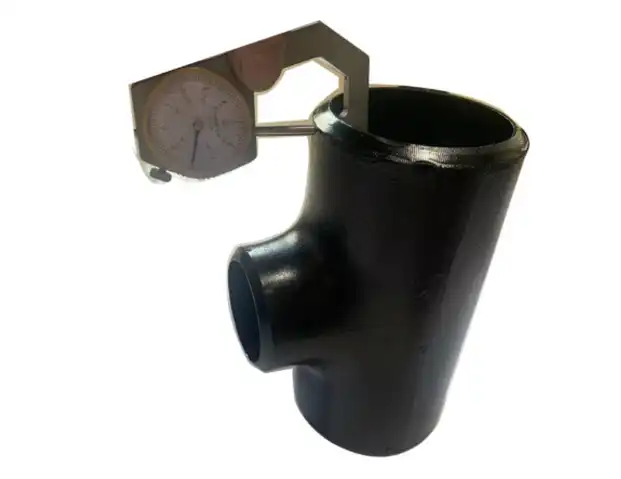
Dimensional consistency across large orders is directly linked to more advanced production equipment. CNC machining centres keep tolerances tighter than manual work, so there is less chance of socket bores that make it impossible to insert a pipe properly or too many gaps that lower the quality of the weld. Larger hydraulic forging presses (1000 tonnes or more) can refine the grain structure needed for parts that will be used under pressure. Smaller presses, on the other hand, might leave internal gaps that are hard to see but will break under stress.
The ability to inspect is just as important. Positive Material Identification (PMI) equipment that uses X-ray fluorescence technology checks that the part that came with your package matches the MTC paperwork. This stops material mix-ups before they are installed. Ultrasonic testing finds flaws in the forging that can't be seen on the surface. Magnetic particle inspection, on the other hand, finds surface cracks as small as 0.001 inches that could get bigger when the pressure is changed.
At Oudi's Cangzhou manufacturing complex, we have a lot of testing equipment. For example, each production batch goes through dimensional verification against ASME B16.11 tolerances using calibrated gauges, PMI screening of material composition, and non-destructive testing based on customer requirements. This strict process makes sure that the parts that leave our site meet the written requirements you're using for system design.
Production Capacity and the Dependability of the Supply Chain
Annual production capacity tells you if a supplier can meet your needs without rushing the production process and lowering the quality. Companies like Oudi that can make 16,000 tonnes of goods a year have enough extra equipment and workers to handle large orders without having to extend lead times or skimp on quality. Small businesses may offer low prices, but they may not have the tools to increase production when the deadline for your project shortens.
Logistics dependability is affected by geography. When suppliers are close to major ports, these heavy parts are less likely to get damaged or delayed during shipping. Because Oudi is only 120 kilometres from Tianjin Port, we can easily combine container shipments, which will save you money on freight costs and give you reliable delivery plans for planning your project. Because we are close to the Lu-zhou-Beijing highway, we can also help with domestic distribution in China when projects need split deliveries to different sites.
Effective Procurement Strategies for Socket Weld Pipe Tee
Direct Manufacturer Sourcing Advantages
When you buy directly from manufacturers, you skip the markups that distributors put on parts, which can add 20 to 40 per cent to the cost of large projects for Socket Weld Pipe Tees. This method works especially well for EPC contractors who are in charge of material budgets that are in the million-dollar range, since percentage savings add up to big amounts in real terms. Direct relationships also give you access to expert support during the specification phase, which helps you choose the right materials and plans before you place your order, so you don't have to worry about problems during installation.
Another benefit of direct sourcing is that it lets you make changes to what you need. Manufacturers can change output parameters without the communication delays that come with distribution chains when projects need non-standard sizes, unusual alloy compositions, or special heat treatments. Oudi often meets the unique needs of offshore platform owners who need Duplex stainless steel compositions or petrochemical sites that need certain hardness values for erosive service conditions.
Pricing Structure Optimisation
Knowing what causes costs helps you negotiate better and make better budgets. Base material costs change with the prices of commodities. For example, the prices of nickel and chromium affect fittings made of stainless steel, and the prices of iron ore and coking coal affect those made of carbon steel. Asking for price validity periods of 60 to 90 days will protect you from changes in the market while you wait for approval. Volume discounts usually start at 1000 pieces, and there are more breaks at 5,000 and 10,000 pieces as setup costs are spread out over longer production runs.
Customisation costs depend on how complicated the job is. Prices may go up by 15 to 25 per cent for non-standard sizes that need special tools, and prices can go up by as much as 50 per cent for rare alloys that are hard to get. By asking for detailed quotes that break down base prices, material premiums, and customisation charges, you can accurately compare costs between providers and find ways to save money by standardising specs without sacrificing performance.
Supplier Authentication and Risk Mitigation
Checking the legitimacy of the seller guards against fake parts and delivery problems. Risks can be lowered by asking for proof of a business licence, visiting factories when possible, and calling references from past customers in similar fields. Third-party inspection services make sure that packages meet your needs before you take control of them. They can find mistakes in measurements, material substitutions, or quality problems so that they can be fixed as soon as possible.
The terms of payment show how much the supplier trusts their products. Reputable manufacturers like Oudi offer standard terms of 30% deposit and 70% before shipment for long-term customers. For large international orders, letter of credit options are also available. Suppliers who want full payment up front or don't want to go along with inspection terms might not be financially stable or confident in their quality enough for long-term relationships that work.
Installation, Maintenance, and Long-Term Performance Tips
Proper Installation Procedures
Whether Socket Weld Pipe Tees last as long as they're supposed to or break before their time is up depends on how they were installed correctly. To prepare the pipe, it needs to be cut to the right length, burrs that stop the full socket from entry must be removed, and surfaces must be cleaned to get rid of oil, scale, or other contamination that causes weld flaws. Before tack welding the pipe in place, it should be pushed in until it touches the shoulder of the socket and then pulled out 1/16 inch to make room for expansion. This space keeps stress from building up when materials expand during service and welding.
How you weld has a big effect on how strong your joints are. To make sure the weld goes through properly without adding too much reinforcement that causes stress risers, qualified welders should follow methods that have been approved for the base material and keep the right movement speed and heat input. A visual inspection after the welding process should show that the whole circumference is fully fused, with no undercuts, overlaps, or holes. For important uses, finished welds may need to be x-rayed or sonically scanned to make sure they are structurally sound before they are put through hydraulic testing.
Preventive Maintenance Protocols
How often you need to do inspections depends on how bad the service is. Systems that work with corrosive chemicals or at temperatures above 300°C should be inspected visually once a year for external corrosion, weld cracking, or fitting distortion that could mean internal damage. In less dangerous situations, inspection cycles may be pushed back to three years, but degradation will still be caught before failure happens. During these inspections, ultrasonic thickness measurements are used to figure out how much wall is being lost, which lets replacements be planned ahead of time before leaks happen.
Watching for early signs of failure can save you a lot of money on emergency fixes. Seepage spots around welds are a sign of new leaks that need to be fixed right away. Unusual noise or vibrations may be a sign of flow problems caused by rust or deposits inside the metal. Thermal surveys can find hot spots that show internal problems or damaged insulation on the outside, which makes corrosion happen faster. Taking care of these warning signs ahead of time extends the life of the system and stops the production losses that come with unplanned shutdowns.
Storage and Handling Best Practices
Keeping fittings in the right way before placement saves their integrity. Until they are needed, parts should stay in their original package, out of the weather, which can cause surface rust. Putting fittings on pallets instead of directly on the ground keeps them from getting dirty or wet. Stainless steel grades need to be kept separate from carbon steel items so that the surfaces don't get dirty, which makes the steel less resistant to corrosion.
The handling methods stop the mechanical damage that lowers performance. When you drop fittings on hard surfaces, they can make tiny cracks that you can't see but that grow when you put pressure on them. These hidden flaws can be avoided by using the right lifting tools for large loads and staying away from chain slings, which concentrate stress. Teaching installation crews the right way to handle fittings will lower the cost of replacements due to damage and make sure the fittings you bought work as expected.
Conclusion
To find high-quality Socket Weld Pipe Tees, you need to carefully look at the certifications, manufacturing capabilities, and quality control systems of potential suppliers. This is to make sure that the parts you buy can handle the tough conditions of industrial applications. Before you can choose between link types, schedule grades, and material compositions, you need to know how your system will be used and weigh your performance needs against your budget. Direct relationships with manufacturers offer cost savings, the ability to customise products, and technical support that make procurement better for big projects. Using the right construction methods and preventative maintenance schedules will help you get the most out of your investment by making sure that fittings last as long as they can in tough settings.
FAQ
1. What factors determine socket weld pipe tee pricing?
The main thing that affects price is the type of material used. Because of higher raw material costs, stainless steel versions usually cost two to three times as much as carbon steel versions, and rare alloys like Duplex or Inconel can cost five to ten times more. Schedule rating affects prices by changing the thickness of the wall. For example, Schedule 80 fittings use about 40% more material than Schedule 40 fittings, which has a direct effect on costs. When customisation needs special tools or extra machining processes on top of normal production, the cost of making the item goes up. Order quantity has a big effect on unit costs because setup costs are spread out over larger quantities, which makes buying in bulk much cheaper per piece.
2. How can I verify compliance with industry standards?
Ask for Material Test Certificates (MTCs) that meet EN 10204 3.1 standards and show records of heat treatment, chemical composition analysis, and mechanical property testing for each production lot. Check the measurements against the ASME B16.11 tolerances for socket depth, bore diameter, and wall thickness in dimensional inspection reports. Check the supplier's ISO 9001 certificate to make sure that it covers forged pipe fittings, and look at the dates to make sure it is still valid. Third-party inspection services that check the compliance of shipments before you take ownership can give you extra peace of mind for important applications.
3. Are custom specifications available for unique project requirements?
Reliable makers often work with projects that have unique needs by accommodating non-standard sizes, different material formulas, and special heat treatments. Custom socket depths, reduced bore configurations, or unusual alloy grades like Super Duplex or nickel alloys can be made, but wait times are usually 2 to 4 weeks longer than for standard goods, and prices represent the extra costs of making the tools and the materials. Giving exact details like operating pressure, temperature ranges, and exposure to corrosive media helps manufacturers suggest the best configurations and give accurate quotes for customisation costs.
Partner with Oudi for Reliable Socket Weld Pipe Tee Solutions
Since 1998, Oudi has been making precision-forged Socket Weld Pipe Tees and other fittings for chemical plants, refineries, power plants, and offshore platforms in over 40 countries. Their quality systems are ISO 9001-certified, and they have licenses to make special equipment. Our 66,600-square-meter factory in Cangzhou makes 16,000 tonnes of carbon steel, stainless steel, and alloy steel fittings every year that meet ASME, ANSI, JIS, DIN, and BS standards. Each production batch goes through full dimensional verification and non-destructive testing. Our engineering team can help you find the best specs for your needs, whether you need standard Schedule 80 carbon steel tees for work in a power plant or special Duplex stainless steel configurations for chemical injection systems abroad. Get in touch with our purchasing agents at oudi-04@oudiguandao.com to talk about your project needs and get competitive quotes from a reputable Socket Weld Pipe Tee maker that will meet your deadlines and offer certified quality.
References
1. American Society of Mechanical Engineers. (2021). ASME B16.11: Forged Fittings, Socket-Welding and Threaded. ASME Standards Committee.
2. Thompson, R.K. & Morrison, J.L. (2019). Piping Systems Manual: Design, Installation, and Maintenance Strategies for Industrial Applications. Industrial Press Inc.
3. Parisher, R.A. & Rhea, R.A. (2020). Pipe Drafting and Design, Fourth Edition. Gulf Professional Publishing.
4. European Committee for Standardisation. (2019). EN 10204: Metallic Products - Types of Inspection Documents. CEN Technical Committee.
5. National Association of Corrosion Engineers. (2018). Materials Selection and Design for High-Pressure Piping Systems. NACE International Publication.
6. Welding Research Council. (2020). Welding Procedures and Quality Control for Socket Weld Connections in Process Industries. WRC Bulletin Series.

Need help finding the right solution with our experts. Please contact us.

SINCE 1998 Your Reliable Pipeline Manufacturer



