Why High-Temperature Carbon Steel Elbow Ratings Matter for Safety
The last thing an engineer wants to learn is that a high-temperature carbon steel pipe elbow was rated at the incorrect temperature when a Texas refinery is running steam lines at 500°C, or a chemical facility is pushing caustic fluids through carbon steel pipework day after day. A single incorrect fit may damage a whole system, leading to leakage, cracks, or even worse. That is the reality faced every day by procurement teams in oil, gas, chemical processing, and power production. Understanding how and why a high-temperature carbon steel elbow is graded, and the immediate safety consequences of those ratings, is not a technical formality – it’s a procurement requirement.
What Are High-Temperature Carbon Steel Elbows and How Are They Rated?
Defining the Component and Its Role
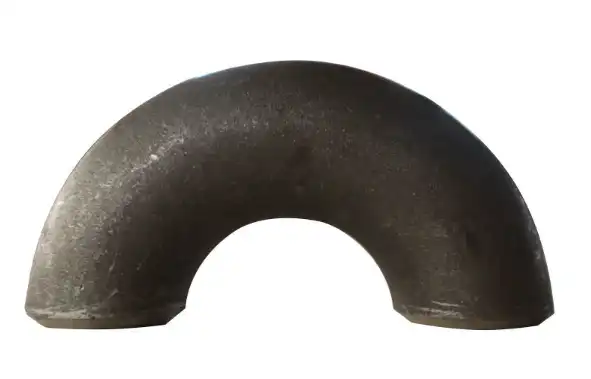
A carbon steel elbow is used to change the direction of flow of fluid or gas in a pipe system at specified angles, usually 90°, 45°, or 180°. There is more to these fittings than just changing direction in high-temperature conditions. They must retain their dimensions, resist thermal fatigue, and preserve their mechanical strength with prolonged heat cycling. Common materials include ASTM A234 WPB for normal carbon steel and A234 WP11/WP22 alloy grades for high-temperature use.
How Temperature Ratings Are Established
The ratings are taken from pressure-temperature charts issued by recognized standards such as ASME B16.9, ASTM, DIN, JIS, and BS specifications. Each elbow is tested by the manufacturer using destructive and non-destructive procedures such as hydrostatic pressure tests, ultrasonic inspection, and radiographic examination to ensure that it fulfills its claimed rating. For example, an elbow rated at 425°C per ASME B16.9 has been shown to hold its allowed pressure at that temperature without yielding or deforming. These are not arbitrary values, but thresholds beyond which material strength diminishes in measured and recorded ways.
Why Temperature Ratings Are Critical for Safety in Industrial Applications
In 2010, a petrochemical plant in Texas City burned, and the damage was blamed largely on the collapse of the pipes at high temperatures. While the core reasons are different among occurrences, industry post-mortems always find fitting misspecification to be a significant factor. The yield strength of carbon steel elbow decreases when it is used at a temperature higher than the authorized temperature; creep deformation occurs, and the heat-affected zones of welds are prone to micro-cracking.
The effects are not limited to broken equipment. A high-temperature carbon steel elbow failure in a natural gas pipe may lead to explosions. In chemical production, a thermal fatigue fracture oozing corrosive media causes environmental liability and worker safety concerns. Such incidents are considered by regulatory agencies such as OSHA and the U.S. EPA to be major compliance breaches, with financial penalties that considerably outweigh the cost of properly specified fittings.
Selecting elbows with validated temperature ratings is not over-engineering conservatism; it’s the minimum requirement for operational continuity and human safety.
Selecting the Right High-Temperature Carbon Steel Elbow: Key Factors for B2B Buyers
Material selection is the starting point. Here is a practical comparison of the three most common pipe elbow materials used in elevated-temperature service:
| Material | Max Operating Temp | Key Strength | Typical Application |
|---|---|---|---|
| Carbon Steel (A234 WPB) | ~425°C | Cost-effective, widely available | Water conservancy, general process piping |
| Alloy Steel (A234 WP11) | ~550°C | High creep resistance | Oil refining, boiler systems |
| Stainless Steel (A403 WP304) | ~600°C+ | Corrosion + thermal resistance | Chemical processing, offshore |
Buyers have to consider not just what it’s built from, but how it’s built. Seamless elbows hot-manufactured without weld seams have a uniform thickness and are free from the possibility of seam failure under heat stress. Welded elbows may be a cost-effective choice for applications involving moderate temperatures, but for high-temperature operation, strict verification of weld quality is necessary. Seamless construction has become the industry standard for critical systems in oil, gas, and power production applications.
Elbow geometry is also a factor when buying. The importance of a long-radius elbow (90°) in reducing turbulence and pressure loss over a short-radius elbow has been emphasized, especially in high-velocity gas lines. Where the arrangement allows, a 45° elbow offers a more gradual change in direction that extends the component life by decreasing erosion at the curve.
Supplier certification is required. Buyers should check that the makers have ISO 9001 quality management system certification and applicable special equipment production permits. Product traceability and quality consistency cannot be assured for big orders without them.
Procurement Best Practices for High-Temperature Carbon Steel Elbows
Procurement teams working on EPC projects or maintenance supply contracts benefit from partnering with manufacturers that have a comprehensive product portfolio – elbows, flanges, tees, reducers and caps – that falls under one quality standard. You have one source, one verified supplier, which simplifies the paperwork and enhances traceability in your supply chain.
Lead time volatility is mitigated by bulk purchase agreements with planned delivery, especially in the case of custom-dimensioned or alloy-grade High-temperature carbon steel elbows. Buyers should get material test reports (MTRs) and heat certificates with each shipment to ensure that the chemical composition and mechanical qualities match those of the stipulated grade.
Since 1998, Oudi has been providing certified pipe fittings to more than 300 clients in over 40 countries. Oudi’s manufacturing skills include American, Japanese, German, and British standards, and its yearly production capacity is 16,000 tons. The company can provide procurement teams with the consistency and depth of documentation that complicated industrial projects need. All products sent from the factory are subject to 100% inspection and non-destructive defect identification.
Maintenance and Usage Tips to Maximize Safety and Performance
Installation Precision Matters
Misalignment during installation introduces bending stress at the elbow joint, accelerating fatigue under thermal cycling. Verify angular alignment before welding and confirm that the weld preparation meets the specified bevel angle and root gap dimensions. Post-weld heat treatment (PWHT) is mandatory for alloy steel elbows in high-temperature service to relieve residual stress.
Monitoring Protocols That Prevent Failures
Visual check for surface corrosion. Ultrasonic thickness measurement at the extrados of each elbow (highest wear zone). Temperature recording to check the system within rated limits. Any measured wall thinning more than the corrosion allowance in the original design should be replaced immediately.
These techniques may be added to proactive maintenance schedules, greatly extending service life and enabling procurement teams to arrange replacement orders ahead of time – avoiding expensive emergency sourcing.
Conclusion
Temperature ratings on a high-temperature carbon steel elbow are engineered safety parameters, not administrative labels. Misapplying them carries real-world consequences in facilities where pressure, heat, and hazardous media converge. Selecting correctly rated, certified elbows — from manufacturers with documented quality systems and proven production capacity — is the single most effective step procurement and engineering teams can take to protect system integrity, regulatory compliance, and worker safety. The technical details explored in this article translate directly into fewer incidents, lower lifecycle costs, and more reliable operations across oil, gas, chemical, and power sectors.
FAQ
1. What is the maximum operating temperature for a standard carbon steel elbow?
Standard carbon steel elbows conforming to ASTM A234 WPB are typically rated for service up to approximately 425°C (800°F). Beyond that threshold, alloy steel grades such as WP11 or WP22 are recommended, offering rated service up to 550°C. Stainless steel variants extend this range further.
2. How do I verify that an elbow meets the required temperature rating?
Request material test reports, heat certifications, and third-party inspection documentation from your supplier. Confirm that the product conforms to ASME B16.9 or the relevant standard for your application, and verify that the manufacturer holds ISO 9001 certification.
3. Can carbon steel elbows be customized for non-standard dimensions?
Yes. Reputable manufacturers offer OEM and custom fabrication for non-standard diameters, wall thicknesses, and bend radii. Oudi provides custom-dimensioned elbows across carbon steel, alloy steel, and stainless steel grades to meet project-specific requirements.
4. Are seamless elbows always necessary for high-temperature service?
In critical high-temperature and high-pressure applications — oil refining, boiler systems, power generation — seamless elbows are strongly preferred due to the absence of weld seams, which can be initiation points for thermal fatigue cracking. For moderate-temperature utility services, welded options may be acceptable with proper inspection.
Partner With Oudi for Certified High-Temperature Carbon Steel Elbow Solutions
Oudi has been a trusted high-temperature carbon steel elbow manufacturer since 1998, delivering ISO 9001-certified pipe fittings to industries across oil, gas, chemical processing, and power generation in over 40 countries. Our 16,000-ton annual capacity, full-range product portfolio, and rigorous non-destructive inspection protocols make us a reliable partner for demanding procurement requirements. Request a quote or discuss your project specifications directly with our technical team at oudi-04@oudiguandao.com.
References
1. ASME International. ASME B16.9: Factory-Made Wrought Butt-Welding Fittings. 2018.
2. ASTM International. ASTM A234/A234M: Standard Specification for Piping Fittings of Wrought Carbon Steel and Alloy Steel for Moderate and High Temperature Service. 2021.
3. American Petroleum Institute. API 570: Piping Inspection Code — In-Service Inspection, Rating, Repair, and Alteration of Piping Systems. 2016.
4. Sims, C.T., Stoloff, N.S., & Hagel, W.C. Superalloys II: High-Temperature Materials for Aerospace and Industrial Power. Wiley. 1987.
5. Jaske, C.E. Creep-Fatigue Damage Assessment for High-Temperature Piping Components. Journal of Pressure Vessel Technology, ASME. 2000.
6. European Commission, Joint Research Centre. Best Available Techniques Reference Document for the Refining of Mineral Oil and Gas (REF BREF). 2015.

Need help finding the right solution with our experts. Please contact us.

SINCE 1998 Your Reliable Pipeline Manufacturer



