Why Select Lap Joint Flange CS for Corrosive Service?
Selecting Lap Joint Flange CS for corrosive service environments delivers a strategic balance between operational safety and cost efficiency. The unique two-component design—comprising a carbon steel backing flange paired with a corrosion-resistant stub end—allows process engineers to deploy expensive exotic alloys only where fluid contact occurs, while utilizing economical carbon steel for structural load-bearing. This configuration reduces material costs by 40-60% compared to full stainless assemblies, without compromising system integrity. The rotatable design further simplifies installation in retrofit scenarios and maintenance-intensive pipelines, making Lap Joint Flange CS an intelligent choice for chemical processing, oil and gas, and water treatment operations.
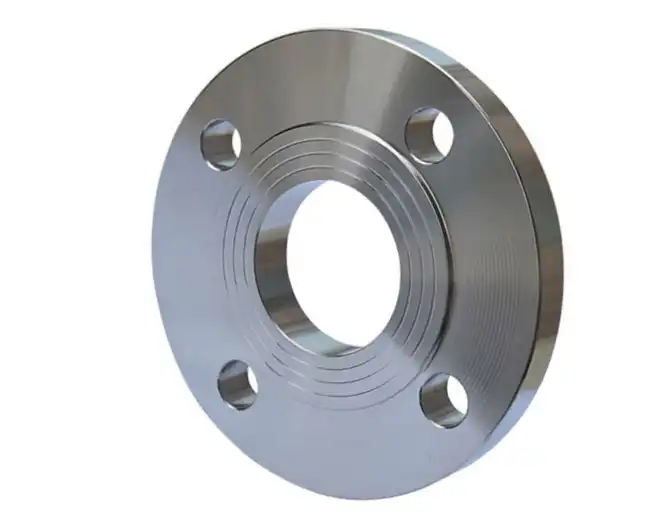
Advantages of Lap Joint Flange CS in Corrosive Service
Material Cost Optimization Through Strategic Design
The main cost benefit of Lap Joint Flange CS systems comes from the fact that the short end and backing flange can be made of different materials. When working with harsh acids like sulfuric or hydrochloric acid in chemical processing environments that are prone to corrosion, ordering a full stainless steel or exotic alloy flange assembly costs a lot of money. The lap joint design lets users choose a "duplicate metal" strategy: they can use a stub end made of Hastelloy C276, Inconel 625, or 316L stainless steel for direct fluid contact, and then pair it with an ASTM A105 carbon steel backing plate to handle structural loads. When compared to solid exotic metal flanges, this design cuts the cost of materials by 40–60% while keeping full corrosion protection at the wetted surface. The cost differential becomes particularly significant in larger pipe sizes and higher pressure classes. A 12-inch class 300 weld neck flange made entirely of 316L stainless steel costs a lot of money, but a lap joint assembly with a stainless stub end and a carbon steel backing flange protects against corrosion just as well for a lot less money. Over the course of a full plant construction project with hundreds of flange connections, these savings add up to big budget cuts that purchasing managers can use for other important infrastructure needs.
Installation Flexibility in Constrained Environments
Aligning bolt holes between mating flanges is always hard for maintenance and installation teams working in crowded pipe racks, retrofitting existing plants, or on crowded offshore platforms. Traditional slip-on or weld neck flanges become fixed in place once they are soldered to the pipe, so they need to be carefully rotated into place while they are being made and installed. Any imbalance has to be fixed by cutting the weld, turning the pipe, and welding it again, which takes a long time and costs a lot of money. Because they are rotatable, lap joint flanges don't have this problem with alignment. Even after the stub end is welded in place, the backing flange can still freely spin around the pipe. This lets installers match bolt patterns at any angle without putting stress on the piping system. This freedom to rotate is very useful when adding new connections to infrastructure that is already there and has fixed orientations, or when working in small spaces where rotating heavy pipe sections is not possible. Installation teams can line up bolt holes correctly in minutes instead of hours, which cuts down on labor costs and project delays.
Simplified Maintenance and Rapid Disassembly
Pipes that carry slurry, wastewater, or fluids with grit need to be cleaned and inspected on a regular basis to keep the flow going and avoid blockages. When systems deal with corrosive media, they might need to have their gaskets replaced or their insides inspected on a regular basis to check for corrosion and make sure they are still fit for service. The lap joint flange design makes it easy to take parts apart and put them back together quickly without damaging the welded connections. This means that repair downtime is much shorter than with welded flange designs. To get to the inside of the pipe during maintenance, technicians take off the backing flange bolts, slide the flanges apart, and separate the stub ends. The whole process goes forward without breaking welds or realigning heavy sections of pipe, which would take a long time and could cause problems with the quality of the replacement welds. When you're done cleaning or inspecting, putting it back together is as easy as going backward: slide the stub ends together, place the gaskets where they belong, and tighten the bolts to the specifications. This design is easy to maintain, which directly leads to lower downtime costs and higher system uptime. These are very important factors for businesses that use continuous processes, where output breaks cost a lot of money. Lap joint flange kits are great for chemical handling, oil and gas production, water treatment, and industrial wastewater systems because they are easy to use and have these benefits. Chemical plants that use reagents that are corrosive benefit from the lower cost of materials and resistance to corrosion. When they need to turn around or grow, refineries and gas processing plants use the installation's versatility. Municipal water treatment plants like how easy it is to service equipment like clarifiers, filter systems, and chemical feed lines that need to be checked regularly.
How to Select and Install Lap Joint Flange CS for Corrosive Service
Material Selection Criteria for Corrosive Environments
Comprehensive fluid characterization is the first step in choosing the right material. To choose the right stub end materials, engineers need to know the process fluid's chemical make-up, working temperature range, concentration levels, and pH values. When combined with 316L stainless steel stub ends, carbon steel backing flanges can handle a wide range of fairly acidic situations, such as salt and acid solutions that aren't too strong. Higher-grade metals are needed in harsher environments. For example, Hastelloy C276 is good for hydrochloric and sulfuric acids, Inconel 625 is good for high-temperature oxidizing conditions, and duplex stainless steels are good for places where chloride stress corrosion cracking is a risk. The pressure and temperature ratings must match the operating conditions of the system while still leaving enough room for error. ASME B16.5 lists the pressure-temperature values for each type of flange. As the temperature rises, derating factors are used to lower the ratings. When carbon steel is used, a Class 300 Lap Joint Flange CS that can handle 720 psi at room temperature drops to 535 psi at 400°F. Engineers should make sure that the pressure classes they choose can handle the highest working pressures plus peak conditions. This will keep the system intact during upset conditions or short-term events.
Installation Best Practices for Long-Term Reliability
If you follow the right steps for installation, a correctly specified flange assembly will last as long as it's supposed to or break down before its time. To weld stub ends, qualified welders must follow approved procedure specifications that control the amount of heat used, the temperatures between passes, and, if needed, the heat treatment after the welding. Too much heat during welding can change the stub end's metallurgical properties, which could make it less resistant to corrosion in areas that were heated. Welders should use the right protective gas and filler metals that match the material of the short end to keep the weld from oxidizing and getting dirty. How the gasket is chosen and installed has a direct effect on the integrity of the seal and how well it stops leaks. The gasket material needs to be able to withstand the acidic effects of the process fluid while still being able to bend when bolts are loaded and heated and cooled. Compressed asbestos-free gaskets work well in many general service situations. For tougher conditions, PTFE envelope gaskets or spiral-wound metal gaskets with the right filler materials are better. Installers should carefully center gaskets on the sealing face of the stub end to make sure they cover the whole surface without going into the flow path, where erosion could happen.To get even gasket compression and stop leaks, bolt tightening procedures need to be done in a planned way. Technicians should use torque tools that have been measured and follow cross-pattern tightening sequences, which are usually star or circular patterns that gradually squeeze gaskets equally. The first few passes of the bolts should hit about 30% of the final torque. Then, the torque should be slowly increased until it reaches the final values set by the gasket maker or engineering standards. If you tighten something too much, it can damage gaskets and put too much stress on flanges and bolts. If you tighten something too little, it can leak and cause gaskets to blow out.
Corrosion Prevention and Maintenance Strategies
Even though carbon steel backing plates are kept away from process fluids, rust can start from outside sources that hurt their long-term performance. Corrosion can happen when there is moisture in the air, chemical vapors, trapped moisture in insulation, and damage to the outside coating. The first line of defense is protective coatings that are put on the outside of the flanges. These can be epoxy-based coatings, zinc-rich primers, or thermal-spray aluminum coatings, depending on the harshness of the climate and the budget. As part of regular inspection protocols, the condition of the flange should be checked visually, its thickness should be measured using ultrasound, and the compression of the gasket should be checked. The length of time between inspections depends on the type of service. More frequent inspections are needed in corrosive settings than in mild ones. Visual checks find flaking paint, rust on the surface, corroding bolts, and worn-out gaskets before they become leaks or structural problems. Ultrasonic thickness measurements find metal loss from corrosion, which lets engineers figure out how long something will last and plan for replacement before it breaks.
Procurement Insights: Buying Lap Joint Flange CS Globally
Evaluating Supplier Capabilities and Certifications
When buying Lap Joint Flange CS assemblies for important corrosive service uses, procurement professionals need to make sure that possible suppliers have strong quality control systems and the right manufacturing certifications. If a company has ISO 9001 certification, it means that they have a system for controlling quality that includes checking the raw materials, inspecting the work in progress, and testing the finished product. This approval gives you a basic level of trust that the goods you buy will always meet the requirements that were set. However, for important uses, you will still need to confirm specific test results. In addition to general quality certifications, specific production licenses show that pressure equipment meets regulatory requirements. The People's Republic of China has given our Oudi facility a special equipment manufacturing license. This means that our production methods, quality control procedures, and quality documentation meet government standards for pressure-retaining parts. Suppliers should be happy to give you material test reports, dimensional inspection records, and certificates of compliance that show they meet ASME, ASTM, and project-specific requirements. Assessments of a company's manufacturing capabilities should look at its production tools, inspection tools, and the expert staff's skills. With the help of advanced forging tools, CNC machining machines, and heat treatment facilities, it is possible to make flanges that meet exact size and strength standards. Inspection tools like coordinate measuring machines, ultrasonic testing equipment, and metallurgical laboratories make it possible to check the quality of everything. When it comes to important procurement decisions, suppliers who can show these skills pose less of a risk.
Pricing Structures and Order Quantity Considerations
The cost of a Lap Joint Flange CS depends on its size, pressure class, material requirements, order quantity, and the supplier's reputation. Smaller bore sizes and lower pressure classes usually have commodity pricing, where many suppliers compete on price. Larger diameters and higher pressure classes, on the other hand, have more specialized manufacturing, where there are fewer suppliers and higher unit costs. Prices for carbon steel backing flange parts tend to stay the same based on weight and how hard they are to make, but prices for stub ends change a lot more depending on the market for exotic alloys. When projects need a lot of flanges that are all the same size and specification, buying them in bulk can save you a lot of money. Running bigger amounts of the same product helps manufacturers make the most of their production efficiency by cutting down on setup costs, material waste, and worker output. These savings can be given to customers who place a single order instead of several smaller ones. With a yearly production capacity of 16,000 tons at Oudi, we can meet big volume needs while keeping quality and delivery dates constant. This helps with both large capital projects and stocking distributors meeting ongoing maintenance demand.
Initiating Effective Supplier Inquiries
Asking for quotes that clearly explain the project's needs and goals can help get accurate quotes and cut down on the number of times that questions need to be answered. The technical specs should include the minimum pipe size, pressure class, facing type, measurement standard, material specs for both the backing flange and the stub end, the amount needed, and when it needs to be delivered. By including process conditions like fluid type, temperature, and pressure, suppliers can check if the materials will work together and suggest alternatives if certain materials cause problems. Asking for supporting documents along with prices sets quality expectations right from the start. Material test reports that confirm the chemical make-up and mechanical properties, dimensional inspection reports that confirm compliance with ASME standards, and non-destructive testing certifications that show the quality of the weld are all objective proof of product quality. When suppliers are ready to provide detailed documentation, it shows that they are honest and trusting in their manufacturing processes. This lowers the risk of procurement for important uses.
Technical Support and After-Sales Service for Lap Joint Flange CS
Installation Guidance and Technical Documentation
To install a flange correctly, you need to have access to a lot of specialized knowledge about how to handle it, weld it, put it together, and the right amount of force. Manufacturers who provide thorough installation guides that include stub end welding parameters, gasket selection criteria, bolt tightening routines, and torque values make it possible for installation teams to make joints that are reliable without having to spend a lot of money on expensive trial-and-error methods. These documents should include references to relevant codes and standards as well as useful information for people working in the field. With every Lap Joint Flange CS shipment from Oudi, we include full technical documentation, such as material certificates, dimensional inspection reports, and installation instructions that are specific to the configuration that was sent. Our technical support team is still available to answer questions about installation, go over welding procedures, and give advice on the best ways to put things together. This proactive approach to support helps customers avoid installation mistakes that could hurt performance or raise safety concerns.
Quality Inspection and Performance Verification
For ongoing quality assurance, you need structured inspection methods that make sure the right installation was done and keep an eye on the state while it's in use. Initial installation checks should make sure the stub ends are properly welded, the gaskets are in the right place, the bolts are tightened evenly, and baseline conditions are recorded. Using radiography or ultrasound to look at stub-end welds without damaging them gives objective proof of the quality of the weld, showing any holes, poor fusion, or other problems before the system is pressurized. In-service inspection programs check the state of the flange by looking at it visually, checking for leaks, and evaluating its structure on a regular basis. Visual inspections can show that the gasket is wearing out, the bolts are corroding, the coating on the flange is damaged, or there are other problems that mean maintenance is needed. Ultrasonic thickness readings find metal loss on backing plates caused by corrosion on the outside, which lets you figure out how much service life is left. Finding leaks during normal operations lets you replace the gasket right away, before small leaks get worse and require emergency shutdowns. These inspection tasks create performance data that shows real-life service experience with certain flange configurations, materials, and working conditions. This practical feedback helps with future purchasing choices and makes it possible to keep improving the materials chosen, the way they are maintained, and how well suppliers are doing. Manufacturers who actively ask for this feedback and use what they learn to make their products better show that they care about their customers' happiness long after the sale is over.
Conclusion
Lap Joint Flange CS assemblies with carbon steel backing flanges are better for corrosive service applications because they save money on materials, are easy to install, and don't need much maintenance. The two-part design lets you choose which materials to use wisely, putting expensive corrosion-resistant alloys only where they will touch fluids and using cheap carbon steel for the rest of the structure. When compared to solid exotic alloy flanges, this configuration saves 40–60% on material costs without lowering the level of corrosion protection or system integrity. The rotatable backing lip makes installation easier in crowded areas and when retrofitting, and the loose design makes it easy to take apart quickly for maintenance, which cuts down on downtime and increases service life by making it easier to check. For reliable long-term performance in chemical processing, oil and gas, water treatment, and industrial settings, lap joint flange assemblies must be made from the right materials for the job and be installed in a way that follows a set of steps. They must also be inspected regularly.
FAQ
How does carbon steel lap joint flange performance compare to stainless steel in corrosive environments?
When used with corrosion-resistant stub ends, carbon steel backing flanges work just as well as solid stainless steel flanges in harsh service. This is because the backing flange never comes into touch with the process fluid. The material of the stub end determines how resistant it is to corrosion on the wet surface. The carbon steel backing flange, on the other hand, handles mechanical loads away from corrosive media. This design protects against rust just as well as solid stainless parts, but it costs 40–60% less in materials.
Can lap joint flanges be reused after system maintenance or modifications?
Lap Joint Flange CS assemblies can be used again after maintenance as long as the backing flange and stub end stay within the allowed dimensions and don't show any signs of damage to the structure. Making sure the sealing faces are not scored, the bolt holes are not elongated, and the flange is flat before putting it back together ensures that it will continue to work leak-tight. No matter what the condition of the flange is, replacing the gaskets during reassembly is still necessary.
What international standards govern lap joint flange dimensions and ratings?
ASME B16.5 rules cover lap joint plates from 0.5 inch to 24 inches in pressure classes 150 to 2500, and ASME B16.47 rules cover widths from 26 inches to 60 inches. For seamless global communication, these standards spell out the sizes of the facing, the bolt circle lengths, the thickness of the flange, and the pressure-temperature values. Specifications for materials are based on ASTM standards, such as A105 for carbon steel and A182 for stainless steel and alloys.
Reliable Carbon Steel Lap Joint Flange Manufacturer for Your Corrosive Service Needs
Oudi has been making high-quality Lap Joint Flange CS assemblies for the chemical processing, oil, natural gas, and water treatment industries around the world for more than twenty years. Our 66,600-square-meter factory in Cangzhou is certified by ISO 9001:2000 and has a license to make special equipment. Before being shipped, we make sure that every flange meets strict quality standards. We can produce 16,000 tons of goods every year and have over 300 customers in more than 40 countries. We provide reliable supply chain support for both large capital projects and ongoing maintenance needs. Our technical team can help you choose the right materials, figure out how to put them together, and improve their performance so that your corrosive service uses are as reliable and last as long as possible. You can email our team at oudi-04@oudiguandao.com right now to talk about your specific project needs, get detailed technical specifications, or get competitive quotes for your carbon steel lap joint flange supplier needs.
References
1. American Society of Mechanical Engineers. (2020). ASME B16.5: Pipe Flanges and Flanged Fittings: NPS 1/2 through NPS 24 Metric/Inch Standard. New York: ASME Press.
2. Davis, J.R. (2006). Corrosion of Carbon Steels. Materials Park, OH: ASM International.
3. Ellenberger, J.P. (2018). Piping and Pipeline Calculations Manual: Construction, Design, Fabrication and Examination. Oxford: Butterworth-Heinemann.
4. Parisher, R.A., & Rhea, R.A. (2012). Pipe Drafting and Design (3rd ed.). Burlington, MA: Gulf Professional Publishing.
5. Singh, R. (2017). Applied Welding Engineering: Processes, Codes, and Standards (2nd ed.). Oxford: Butterworth-Heinemann.
6. Weston, G., & McCoy, J. (2016). Industrial Piping Design and Engineering: Best Practices for Materials Selection, Fabrication, and Installation. Houston: Gulf Publishing Company.

Need help finding the right solution with our experts. Please contact us.

SINCE 1998 Your Reliable Pipeline Manufacturer



