Why Specify an ASME B16.9 Pipe Cap for Industrial Piping?
Specifying an ASME B16.9 Pipe Cap for industrial piping ensures dimensional consistency, pressure integrity, and regulatory compliance across critical applications. These standardized caps deliver predictable performance in oil, chemical, natural gas, and water conservancy systems where safety and reliability cannot be compromised. Unlike non-standard alternatives, ASME B16.9 caps undergo rigorous dimensional verification and material testing, guaranteeing interchangeability and seamless integration into piping networks. We've observed that projects adhering to this standard experience fewer field fit-up issues and reduced long-term maintenance costs, making them the preferred choice for engineering teams managing complex infrastructure.
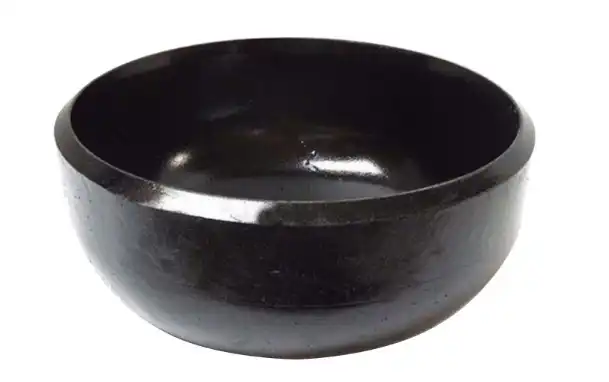
Why ASME B16.9 Pipe Caps Are Essential in Industrial Piping
For parts that hold pressure, regulations in the oil, gas, and chemical industries require that they follow well-known standards. Compliance with ASME B16.9 meets the requirements of the API 570 piping inspection code and is in line with US OSHA regulations for pressure vessels. Inspections will not accept projects that don't have certified fittings. This can lead to insurance disputes, delays in getting operational permits, and costly schedule overruns.
Safety and Pressure Integrity Benefits
The precise measurements in the standard make sure that stress is spread evenly when caps are loaded with internal pressure. A correct cap is one that fits the pipe's pressure class, whether it's Schedule 40, Schedule 80, or a higher-strength type. When caps don't match, stress builds up in certain places, which speeds up the start of wear cracks. This type of failure has been seen in field audits where non-compliant fits caused unexpected downtime. When ASME B16.9 Pipe Caps are tested to their breaking points, they show safety factors higher than 4:1 under design conditions. This means that there are operating margins that can handle pressure spikes that happen a lot in reciprocating compressor systems.
Material Versatility and Corrosion Resistance
A234 WPB carbon steel works well in a wide range of situations, and the standard also allows for special alloys to be used in harsh conditions. In offshore platforms, duplex stainless steel caps don't crack when exposed to chloride stress corrosion, and nickel alloy versions can handle being exposed to hydrofluoric acid in alkylation units. Because of this, buying teams can find the right mix between corrosion protection and financial limits without having to give up on standard geometries. When applied to code-compliant substrates, protective coatings like epoxy linings for potable water systems or fusion-bonded epoxy for buried pipelines make the service life even longer.
There are big changes in the levels of testing and limits for sizes between ASME B16.9 and European DIN 2605 or Japanese JIS B2313 standards. DIN standards allow for larger out-of-roundness tolerances, which could make automated welding processes more difficult. Harmonizing ASME and ASTM material specifications makes the qualification process easier for the supply chain because one material test report meets the needs of both fittings and pipes. This integration makes it easier for EPC companies handling international projects to keep track of all the paperwork.
Making the Right Choice: Comparing ASME B16.9 Pipe Caps with Alternatives
Understanding how standard choice affects project lifecycle costs and regulatory acceptance is key to making procurement decisions. Non-standard caps may have lower prices up front, but they come with hidden costs like the need for custom inspections and less competition among suppliers.
Seamless vs. Welded Construction Analysis
Seamless caps get rid of longitudinal weld seams, making microstructures that are uniform and perfect for cyclic loading in lines that carry equipment that moves back and forth. The hot-forming process lines up the grain structures around the edges, which makes them more resistant to fatigue than welded options. But output that isn't smooth is too expensive above NPS 16. At that point, welded caps made from rolled plate offer cost savings of more than 40%. After being welded, caps are heated to remove any remaining stresses. This gives them the same mechanical properties as seamless versions in static applications. When clients want to save money, we tell them to use welded caps on gravity-flow pipes instead of seamless construction for systems that are likely to vibrate.
Certification Impact on Project Compliance
Material Test Reports (MTRs) are needed by third-party inspection bodies to show chemical analysis, mechanical properties, and heat treatment factors. If you have EN 10204 Type 3.1 certificates and ASME B16.9 Pipe Caps, you meet the standards of the European Pressure Equipment Directive without having to do any extra testing. When projects call for parts that don't follow the codes, they have to pay more for PMI proof and have longer quality hold points that cause delays in the building schedule. Insurance companies are making code-compliant parts more and more a requirement for policies, especially for places that handle dangerous or toxic materials under high pressure.
When choosing material grades, temperature tolerance is very important. WPB carbon steel stays flexible at -29°C, which makes it good for mild conditions but not good enough for Arctic systems that need impact-tested low-temperature carbon steel (LTCS) according to ASTM A420 WPL6. Chrome-moly alloys like A234 WP11 or WP22 are needed for high-temperature applications above 450°C because they don't deform over time when used continuously in steam systems for decades.
Procurement Guide for ASME B16.9 Pipe Caps in B2B Industrial Markets
For strategic buying to work, you have to look at more than just the price that a seller quotes you. Delivery reliability, the level of technical support, and the maturity of the quality system are what set capable manufacturers apart from commodity vendors.
Supplier Qualification Criteria
ISO 9001 approval is a basic level of quality management skills, but some makers have extra credentials, such as the PED manufacturing license for European projects or China's TS certification for pressure equipment. Along with our well-established quality infrastructure, we keep these certifications up to date. This makes it easy for our international clients to keep track of their compliance paperwork. Audits of suppliers should check the capabilities of production equipment like cold forming presses for small-diameter caps, heat treatment furnaces with computerized cycle recording, and inspection tools that are calibrated and can be traced back to national standards.
Manufacturing capacity constraints affect lead times significantly. Our annual output of 16,000 tons can handle both big pipeline projects that need thousands of caps and smaller repair orders with tight delivery windows. Our inventory management strategy helps our clients because it keeps common sizes in popular grades on hand while still being able to meet custom needs that involve non-standard wall thickness or rare alloys.
Pricing Structures and Negotiation Tactics
Material costs change with the steel market, but in carbon steel grades, they usually make up 60–70% of the ASME B16.9 Pipe Cap price. Nickel and molybdenum surcharges tied to London Metal Exchange quotes make the prices of stainless steel caps more volatile. Tiered pricing is made possible by volume promises. Orders over 10 metric tons often qualify for discounts of 8–12% compared to spot buy rates. Payment terms also have an effect on pricing. For example, letters of credit for new customers have administrative costs that cash-in-advance arrangements don't have, which means that prices go up by a small amount.
Minimum order amounts depend on how complicated the product is. Standard NPS 2 Schedule 40 WPB caps can be shipped in as few as 50 pieces, but special metal caps with big sizes need at least 500 kg of orders to make it worth setting up production. We work with procurement managers to combine needs from different stages of a project and find the best order sizes to balance the costs of keeping inventory with the chances to get discounts for buying in bulk.
Inspection, Maintenance, and Quality Assurance of ASME B16.9 Pipe Caps
Receiving inspection processes keep bad parts from getting into the building process. Systematic verification finds mistakes in the manufacturing process before they become costly rework in the field.
Dimensional and Visual Inspection Protocols
When caps come in, they need to be measured against the ASME B16.9 size tables using accurate micrometers and calipers. Checking the outside diameter makes sure that the thickness calculations are still correct, and bevel angle gauges make sure that the shape of the weld preparation meets WPS standards, which usually mean an included angle of 37.5° ± 2.5°. Visual inspection looks for flaws on the surface, like laminations, seams, or rolled-in scale, that make the material less resistant to corrosion. We've made inspection checklists that are in line with the ASME B31.3 process pipe code. These checklists record measurements, markings verification, and surface state in a way that makes handing over to the contractor easier.
Material Traceability and Certification Review
Every package of caps comes with MTR paperwork that tracks the heat numbers of raw materials through the production process. Chemical makeup results must be within the limits set by ASTM. For A234 WPB, the carbon content must stay below 0.30% to keep it weldable, and the manganese content must be between 0.29 and 1.06% to build strength. The effectiveness of heat treatment is proven by tensile strength, yield strength, and elongation percentages from mechanical tests. To make sure that traceability is correct, procurement teams should compare MTR heat numbers with cap stampings. This step finds paperwork mistakes before they are installed.
Positive Material Identification with handheld XRF analyzers quickly checks the chemistry of the cap and finds material mix-ups that can happen in facilities that make more than one grade. This non-destructive method works especially well when caps can't have permanent markings because of their size or surface finish requirements.
Corrosion Prevention and Service Life Extension
When storing bare carbon steel caps outside or in corrosive service environments, they need to be protected. Shop-applied coatings, such as zinc-rich primers, epoxy systems, or polyurethane topcoats, protect steel from chemical and moisture damage, which extends its useful life. The choice of coating depends on the maximum temperature it can work at and the chemicals it will be exposed to. Epoxy systems work well up to 150°C, while silicone-based coatings can handle 400°C in stack situations. Regular inspections should check the integrity of the coating and fix any small problems with spot repairs before corrosion spreads and weakens the structure's thickness.
It is recommended to use cathodic protection systems along with coatings on buried or submerged pipes, where impressed current or sacrificial anode systems polarize steel surfaces below the levels needed for corrosion. When CP systems are properly built, corrosion rates drop to less than 0.02 mm/year. This means that they will work reliably for decades in soil settings.
Conclusion
When you specify ASME B16.9 Pipe Caps, you get measurable benefits in terms of safety, regulatory compliance, and operational reliability for industrial pipes. The strict dimensional limits and material requirements of the standard get rid of any doubts about compatibility while allowing interchangeability in the global supply chain. When commitments to buy in bulk and standard specifications match, strategic sourcing from qualified manufacturers can meet technical requirements while also cutting costs. Strong checking procedures and regular repairs help assets last longer, protecting capital investments for many years of use. When engineering teams adhere to ASME B16.9, they set up their projects so that building goes more smoothly and costs are lower over the life of the project.
FAQ
1. What distinguishes ASME B16.9 pipe caps from generic pipe end caps?
ASME B16.9 Pipe Caps have standard size ranges and are made of materials that have been tested and proven to meet specifications. Generic end caps, on the other hand, can't be traced back to their certification. Code-compliant caps have beveled ends that allow for full-penetration welding and are tested to make sure they won't leak water. Generic options might have wall widths that aren't standard, which can cause stress discontinuities at weld joints and raise the risk of failure in pressure service.
2. Can welded pipe caps perform reliably in high-pressure applications?
Welded caps made according to ASME B16.9 have the same mechanical qualities as smooth caps after the right post-weld heat treatment. Because PWHT reduces residual stresses and smooths out microstructures, welded caps can pass the same burst test standards as seamless construction. An X-ray of the lengthwise weld seam confirms that the inside is sound, which means that welded caps can be used for services up to the ASME B31.3 allowed stress limits.
3. How do I validate supplier certifications and manufacturing capabilities?
Ask for pictures of the ISO 9001 certificates and licenses for making pressure tools that are needed for your project. Do facility checks that look at the processes for quality paperwork, production equipment, and inspection tools. Check that the chemical analysis and mechanical test data in sample MTRs from recent production lots are complete. Ask past clients for references on your work, paying special attention to how reliable your deliveries were and how quickly you responded to technical support requests during the project execution phases.
Partner with Oudi for Certified ASME B16.9 Pipe Cap Solutions
Since 1998, Cangzhou Oudi has been making precision pipe fittings for over 300 customers in 40 countries. Their quality systems are ISO 9001-certified, and they have licenses to make specialized pressure equipment. We have ASME B16.9 Pipe Caps in carbon steel, stainless steel, and alloy steel types, and they come in sizes from NPS 1/2 to NPS 48. We also offer full MTR paperwork and third-party inspection services. Our technical consulting services help engineering teams choose the right materials, come up with the best coatings, and find the best ways to get their projects to customers in the Americas, Europe, and Asia. As a straight producer of ASME B16.9 Pipe Caps, we don't have to pay markups to distributors. We also keep the strict dimensional limits and traceability standards that are needed for oil, gas, chemical, and power generation uses. You can talk to our procurement experts about your project needs and get detailed quotes with clear lead times that fit your building timeline by emailing oudi-04@oudiguandao.com.
References
1. American Society of Mechanical Engineers. (2018). ASME B16.9: Factory-Made Wrought Butt-Welding Fittings. New York: ASME Press.
2. Harvey, J.F. (1991). Theory and Design of Pressure Vessels. New York: Van Nostrand Reinhold.
3. Becht, C. (2009). Process Piping: The Complete Guide to ASME B31.3. New York: ASME Press.
4. Chuse, R., & Carson, B. (2019). Pressure Vessels: The ASME Code Simplified. New York: McGraw-Hill Education.
5. Singh, A. (2015). Piping Materials Guide. Cambridge: Woodhead Publishing.
6. Ellenberger, J.P. (2014). Piping and Pipeline Calculations Manual: Construction, Design, Fabrication, and Examination. Oxford: Butterworth-Heinemann.

Need help finding the right solution with our experts. Please contact us.

SINCE 1998 Your Reliable Pipeline Manufacturer



