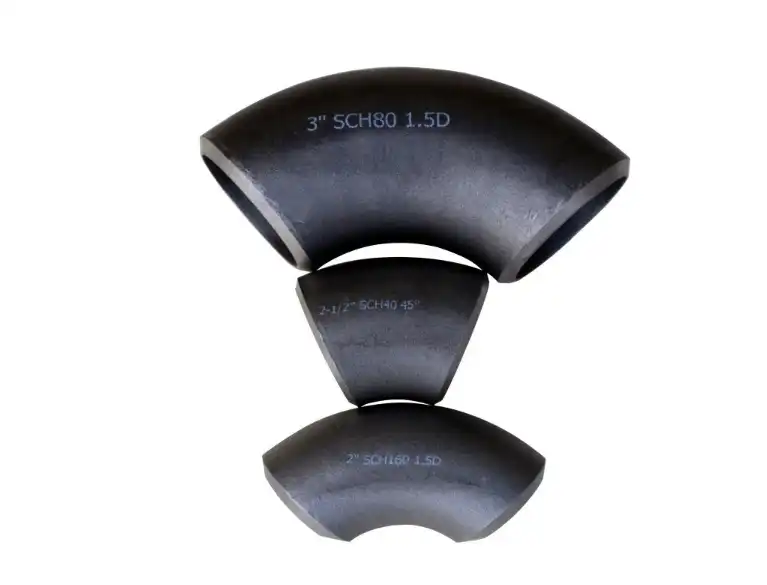
Why Use Concentric Reducer Carbon Steel in Piping Systems?
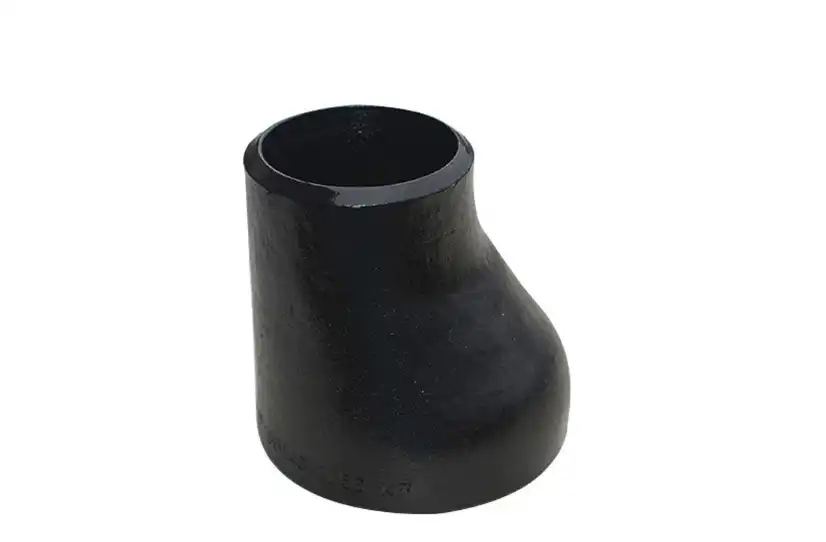
When connecting pipes of different diameters in industrial piping systems, choosing the right fitting makes all the difference. Concentric Reducer Carbon Steel components serve as the backbone of vertical pipeline configurations across oil, chemical, natural gas, and water conservancy sectors. These cone-shaped fittings align both pipe ends along a common centerline, ensuring a symmetrical fluid transition that minimizes turbulence and pressure loss. Manufactured to ASTM A234 WPB standards, they deliver exceptional structural integrity and hydraulic efficiency, making them indispensable for high-pressure applications where alignment precision directly impacts system safety and operational longevity.
Benefits and Performance Advantages of Carbon Steel Concentric Reducers
Because of its metallurgical properties, carbon steel is the best material for tough piping environments that are tough. Its tensile strength is higher than 60,000 psi, which means it can handle both sudden changes in internal pressure and mechanical forces from the outside. Carbon steel is more flexible and easier to weld than ductile iron, and it still costs 30–40% less than stainless steel. Concentric Reducer Carbon Steel alternatives in the same plans. When ordering hundreds of fittings for big projects in petrochemical plants or water treatment plants, this cost advantage becomes important.
Mechanical Strength and Durability
When carbon steel is properly heated and cooled, its microstructure keeps working well even when the temperature changes. As per ASTM A234, cold-formed or high-temperature-formed reducers must go through a stress-relief or normalizing heat treatment above 595°C. This restores their ductility and gets rid of any residual stresses that could weaken their long-term reliability. This heat treatment makes a regular grain structure that doesn't crack easily when it's loaded and unloaded over and over again, like in pump discharge lines and steam distribution systems.
Hydraulic Efficiency and Flow Management
The coefficient of friction is kept to a minimum during fluid transition by the gradual taper of concentric reducers. Changes in width that happen quickly cause eddy currents and boundary layer separation, which lower the pressure and speed up erosion and rust at transition points. A circular reducer of the right size keeps the Reynolds number stable, which stops the turbulence-induced shocks that hurt equipment further down the line, like flow meters and control valves. This smooth shift keeps condensate from building up in vertical steam lines, which stops water hammer events.
Lifecycle Cost Analysis
When carbon steel concentric reducers are used instead of bad ones, maintenance intervals get a lot longer. Their corrosion allowance, which is usually between 3 and 6 mm depending on the service conditions, lets them work reliably for decades in environments that aren't very corrosive or are only slightly corrosive. Even though stainless steel is better at resisting corrosion, the higher cost usually isn't worth it unless you're working with very acidic or chloride-rich fluids. Protective coats, such as epoxy linings for use in water or special paints for use in the air, make carbon steel even more economically viable.
How Concentric Reducers Work and Their Applications in Piping Systems
Operational Principles and Pressure Management
Bernoulli's principle and the continuity equations are at the heart of how a concentric reducer works. When a fluid moves from a bigger cross-sectional area to a smaller one, its speed goes up while its static pressure goes down. The cone angle, which is usually between 20° and 30°, makes sure that this change happens slowly enough to keep the flow from splitting. When the centerline is lined up, it makes it easier to design pipe supports because weight can be transferred directly through structural hangers without putting stress on joints that are welded together.
Industry-Specific Applications
Oil and Gas Processing: Offshore platforms and refinery process units use circular reducers in vertical knockout drum inlets, where the efficiency of separating gas and liquid depends on the flow being spread out evenly. At the heater outlet, a 16-inch-to-12-inch reducer handles differences in thermal expansion while keeping the pipe racks above it in line.
Chemical Manufacturing: Vertical circular systems are good for reactor feed lines that deal with corrosive slurries because they drain themselves. In contrast to eccentric reducers, the lack of flat bottom surfaces stops solids from building up, which could block flow or create concentration cells that speed up localized rusting.
Power Generation: In order to compensate for differences in temperature, boiler feedwater systems use concentric reducers between economizer sections. Different thermal growth can be handled by the symmetrical design, which doesn't put any side loads on the vessel nozzles.
Infrastructure for treating water: Centric reducers are used at pump stations in municipal water distribution networks where vertical turbine pumps send water to transmission mains. By controlling the net positive suction head available (NPSHa) through slow velocity management, the right size prevents cavitation damage.
Sizing Considerations for Optimal Performance
To choose the right reducer size, you have to match the velocity criteria to the fluid properties and the way the system works. For liquid services, keeping speeds below 3 m/s reduces the risk of erosion the most. For gas services, speeds of up to 30 m/s are acceptable, but it depends on the molecular weight and pressure. Undersizing causes too much pressure drop, which speeds up wear in the transition zone. Oversizing, on the other hand, raises the cost of materials and makes installation more difficult. In slurry uses, engineering teams have to figure out Reynolds numbers to prove turbulent flow patterns that keep particles from settling.
Comparison and Selection Guide: Carbon Steel Concentric Reducers vs Alternatives
Material Selection: Carbon Steel vs Stainless Steel vs Alloy Steel
Carbon steel works best in mildly or not at all harmful situations where temperature and pressure changes are the most important design factors. Its modulus of elasticity (200 GPa) makes it very rigid, which is great for keeping things straight in long vertical runs that go up and down multiple floors. Grades of stainless steel like 304L or 316L are only needed when working with acidic condensates, chloride-contaminated water, or food-grade uses that need clean finishes. Alloy Concentric Reducer Carbon Steels (ASTM A234 WP5, WP9, WP11) are used for high-temperature creep-resistance tasks above 400°C, like superheated steam lines in power plants. However, they are two to three times more expensive than carbon steel equivalents.
Manufacturing Methods: Seamless vs Welded
When you use hot forming to make seamless concentric reducers, you get rid of the longitudinal weld seam that is present in welded versions. This way of building works well for high-pressure services that go beyond ASME Class 1500 or for uses that involve cyclic fatigue loading, where weld zones could be places where cracks start. Welded reducers, which are made from shaped plates, are cheaper for sizes over 24 inches and lower pressure classes, as long as the strength loss at the weld zones is within the acceptable design ranges. To meet the mechanical property standards of ASTM A234, both types need to be heated after they have been formed.
Concentric vs Eccentric: Functional Distinctions
The choice between circular and eccentric shapes is completely based on how the pipe is oriented and the properties of the fluid. Concentric reducers work best for vertical lines because they make it easier to support the structure and make sure that the flow patterns are equal so that there is no preferred wear. Eccentric reducers are used in horizontal applications where one flat side (either the top or bottom) solves a specific operational problem. For example, the top flat stops air pockets from forming in pump suction lines that cause cavitation, and the bottom flat makes it easier for lines that need to be cleaned or winterized on a regular basis to drain completely. When concentric reducers are used incorrectly in horizontal pump suction, air traps form at the tip, which damages the rotor and causes the pump to fail.
Procurement and Supplier Insights for Carbon Steel Concentric Reducers
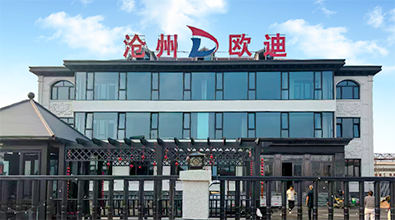
To find your way through the global supply chain for pipe fittings, you need to know what skills and certifications set reliable manufacturers apart from commodity suppliers. Since 1998, Oudi has been a trusted partner for over 300 customers in more than 40 countries, thanks to our 26 years of experience in small-scale production. Our factory, which is 66,600 square meters and is in Cangzhou's Mengcun Industrial Zone, is conveniently located 120 kilometers from Tianjin Port and has direct highway access. It can produce 16,000 tons of goods every year, which ensures that big projects always have what they need.
Certification Compliance and Quality Assurance
Certifications that can be checked out and show that a company is good at making things are the basis of building trust. We can make parts that meet foreign standards like ANSI, JIS, DIN, and BS because we have an ISO 9001:2000 quality management system approval and a People's Republic of China Special Equipment Manufacturing License. We have a full inspection system that makes sure every concentric reducer that leaves our facility meets the required standards. This system includes checking the dimensions of the raw materials, checking the dimensions of the finished product, and finally testing the product without damaging it. The main worry of EPC contractors and end-users is that they can't afford field rejections that push back project completion plans. This thorough quality control takes care of that problem.
Production Capabilities and Technical Support
CNC mandrel bending machines, hydraulic press forming systems, and automated heat treatment furnaces that keep precise temperature profiles required by ASTM A234 are some of the high-tech tools we use to make things. Because of this technical ability, we can offer both standard catalog items and custom-engineered solutions for specific needs, such as wall thickness combinations that aren't found in the catalog, longer face-to-face lengths, or material grades other than standard WPB carbon steel. During the quotation process, we offer engineering support that helps procurement professionals improve specs. This could cut material costs by 15–20% through smart standardization that keeps performance high while making it easier to make.
Stock Availability and Lead Time Management
Because we know that keeping inventory costs high and meeting project deadlines can be hard, we keep strategic stock levels of common size ranges (2-inch to 24-inch on standard schedules) that allow same-week shipping for urgent needs. Custom orders have a clear production plan, and wait times are usually 3–4 weeks for local customers and 5–6 weeks for foreign shipments, which iincludegetting the paperwork ready. Our self-managed import-export authority makes logistics easier by getting rid of middleman delays that make delivery windows longer. When you buy in bulk for big projects like turning around a refinery or building a pipeline, you can lock in prices and be sure that deliveries will happen at regular intervals that match construction milestones.
Pricing Transparency and Value Engineering
The main difference in cost when buying a circular reducer is the choice of material grade. Standard ASTM A234 WPB fittings are the most affordable option. However, for better materials like WPC (enhanced impact toughness) or alloy steel grades, prices go up by 20 to 40 percent, based on the cost of the alloying elements. Schedules for wall thickness also have an effect on prices. For example, Schedule 80 fittings cost about 60% more than Schedule 40 equivalents because they require more material and are harder to shape. Choosing a manufacturing method also affects costs; for example, seamless construction costs 25–35% more than welded alternatives. Our quote process clearly breaks down these cost drivers, which allows value engineering conversations that balance the need for performance with budget limits without lowering safety margins.
Conclusion
Choosing Concentric Reducer Carbon Steel fittings for vertical pipe systems has clear benefits for hydraulic efficiency, structural stability, and managing costs over the life of the system. The symmetrical design keeps the axis straight, which makes support engineering easier and makes sure that flow changes are smooth, which keeps downstream equipment from getting damaged by turbulence. Because of its dynamic qualities and low cost, carbon steel is the best choice for infrastructure in the oil, chemical, natural gas, and water industries where dependability is key. When you choose the right materials, make sure the dimensions are correct, and make sure the supplier is qualified, you can build piping systems that will last for decades without breaking down early or needing too much maintenance.
FAQ
1. When should I specify a concentric reducer instead of an eccentric reducer?
Concentric reducers work great for vertical pipe runs because they make support systems easier to set up and make sure that flow is distributed evenly, which stops wear patterns from being uneven. Constant shape is good for vertical pump discharge lines, riser pipes in buildings with more than one floor, and ceiling vapor lines. On the other hand, horizontal applications, like pump pressure lines, need eccentric reducers with flat tops to keep air pockets from building up and causing damage called cavitation. The right geometry is chosen based on the operating direction and fluid phase features.
2. What certifications should I verify when purchasing carbon steel concentric reducers?
According to ASTM A234, procurement standards should require material test reports (MTRs) that list the chemical makeup and mechanical properties of the goods. Reports of dimensional inspections that confirm ASME B16.9 limits make sure that everything fits right during installation. Manufacturer certifications like ISO 9001 and special equipment manufacturing licenses show that there is systemic quality control for pressure equipment. Non-destructive testing certificates, which are usually made by X-ray or ultrasonic examination, make sure that the weld is solid in welded construction or that there are no laminations in seamless products.
3. How do I determine the correct reducer size for my pipeline?
When figuring out the right size, you start by choosing the right rate for the fluid: 3–5 m/s for liquids to keep erosion to a minimum, and 15–30 m/s for gases, based on their density. Use continuity equations (Q = A × V) to figure out the cross-sectional area that is needed, then choose standard pipe sizes that give areas that are closest to the values you calculated. This reducer connects these sizes while keeping the taper angles in a good range. Calculations of the pressure drop show that the friction losses during the transition are within the limits of the system. Talking to experienced suppliers like Oudi can help you make the best choices that balance hydraulic performance with low costs.
Partner with Oudi for Reliable Concentric Reducer Carbon Steel Supply
Since 1998, Oudi has been making high-quality pipe fittings for industrial customers who want approved goods backed by quality systems that can be checked. Our large selection of circular reducers made of carbon steel, stainless steel, and alloy steel all meet ASTM, ANSI, JIS, DIN, and BS standards. We also have ISO 9001 certification and Special Equipment Manufacturing Licenses to back up our products. Our technical team offers engineering support that makes the most of both performance and budget, whether your project needs stock items that can be delivered right away or custom specifications for specific operating conditions. Contact our export section at oudi-04@oudiguandao.com to talk about your concentric reducer needs with knowledgeable experts who know how hard it is for EPC contractors and industry end-users to find the right products. Find out why over 300 customers in 40 countries choose Oudi as their first choice for mission-critical piping applications that require Concentric Reducer Carbon Steel.
References
1. American Society of Mechanical Engineers. (2018). ASME B16.9: Factory-Made Wrought BButt-WeldingFittings. New York: ASME International.
2. ASTM International. (2020). ASTM A234/A234M: Standard Specification for Piping Fittings of Wrought Carbon Steel and Alloy Steel for Moderate and High Temperature Service. West Conshohocken: ASTM International.
3. Nayyar, M.L. (2019). Piping Handbook, 8th Edition. New York: McGraw-Hill Education.
4. Mohitpour, M., Golshan, H., & Murray, A. (2007). Pipeline Design & Construction: A Practical Approach, 3rd Edition. New York: ASME Press.
5. Singh, R.K. (2017). Piping and Pipeline Engineering: Design, Construction, Maintenance, Integrity, and Repair. Boca Raton: CRC Press.
6. Ellenberger, J.P. (2014). Piping and Pipeline Calculations Manual: Construction, Design, Fabrication, and Examination. Oxford: Butterworth-Heinemann.

Need help finding the right solution with our experts. Please contact us.
SINCE 1998 Your Reliable Pipeline Manufacturer